
Best 5 Burner Gas Grills (2026): Types Compared and Buying Guide
Disclosure: We may earn a commission when you buy through links on this page, at no extra cost to you. As an Amazon Associate I earn from qualifying purchases. Learn more

A practical guide to the best 5 burner gas grill: propane, natural gas, and host focused carts, plus cooking area, materials, and fuel.
Picture a Saturday cookout where burgers, corn, and chicken all need grill space at the same time, and nothing has to wait in the kitchen. That crowd is exactly who a best 5 burner gas grill search starts with. This guide helps you choose by the space you have, the number of people you feed, and the budget you can support over years of ownership. Use the comparison table below to see how the main types differ at a glance.
Five burners give you room to run hot and gentle zones side by side, but size alone does not make a grill right for your home. Fuel type, cooking area, and materials matter just as much.



Quick Answer: The Three Types Worth Considering
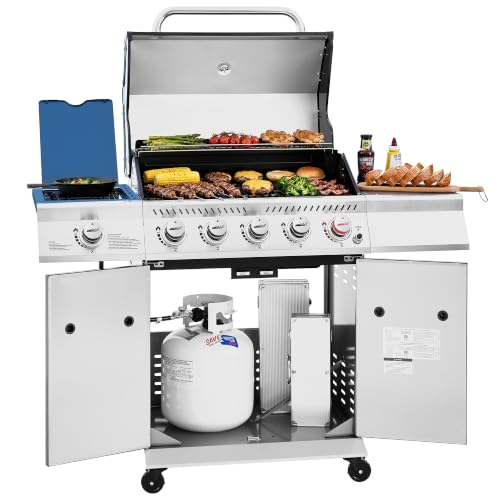
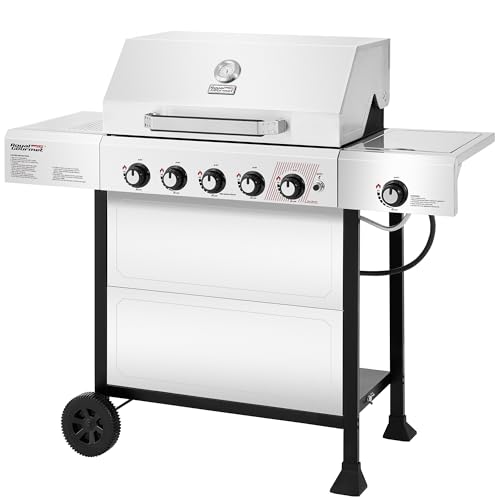
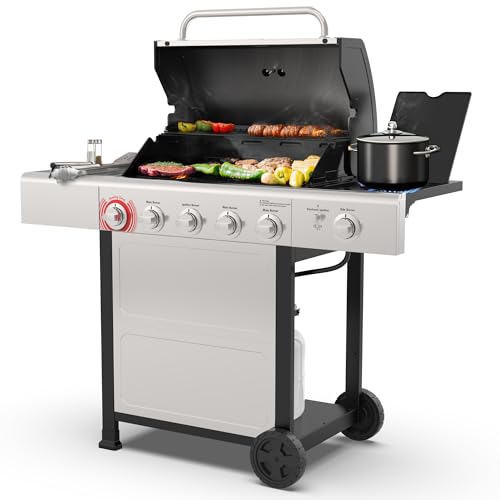
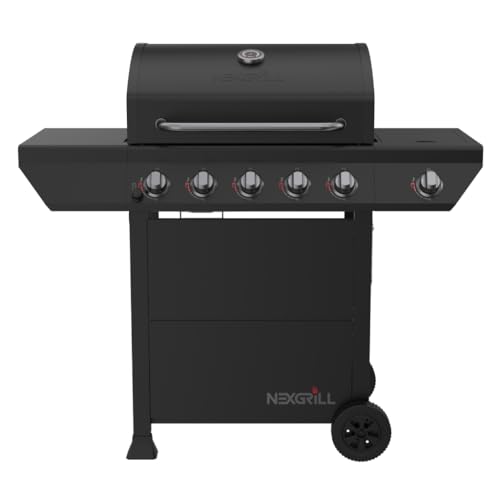
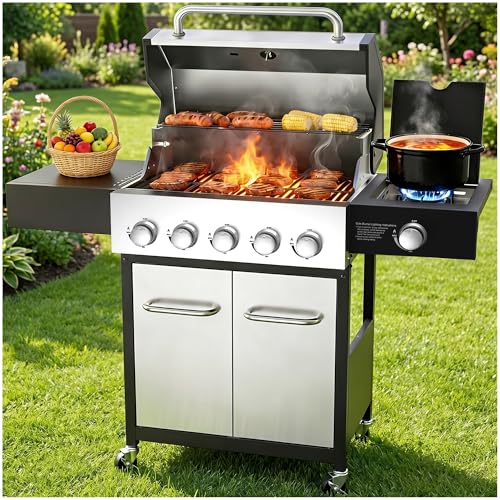
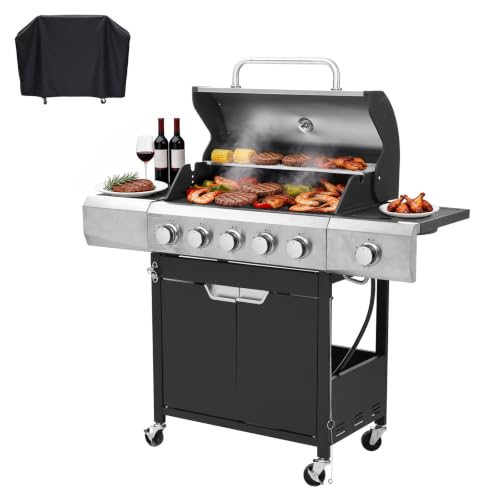
Most shoppers choose between three broad types. A standard cart model on propane suits most patios and stays easy to move. A natural gas cart model suits a home with an existing gas line and removes tank trips. A larger model with a sear burner and extra prep space suits frequent hosts. Match the type to your routine first, then compare cooking area, materials, and price within that type.
Before You Buy: A Quick Checklist for Choosing a Gas Grill
Work through the points below in order. Space and fuel come first, since they rule out whole groups of grills.
Size: Match It to Your Space
Measure your patio or deck before you shop, and leave room to walk around the grill, open the lid, and set down trays. A 5 burner cart is a large grill, often wider than a 2 burner or 3 burner compact model, and it needs safe clearance from walls and siding. Smaller households may find a 4 burner model plenty, while regular hosts gain the most from the fifth burner. If your space is tight, our guide to the best small gas grill shows what you give up and gain at the compact end.
Which Type Fits Your Routine
Most 5 burner grills are freestanding cart models, which roll into place and tuck back against a wall after cooking. Built in models belong to a fixed outdoor kitchen and cost far more to install, so they suit a planned renovation rather than a simple upgrade. Portable and tabletop grills serve camping and tailgating, and they are far smaller than anything in this class. For a home patio, a cart model is the practical default.
Features Worth Paying For, and Ones to Skip
A side burner earns its cost if you simmer sauces, boil corn, or keep beans warm while the main grates are full. A sear burner helps when you often cook thick steaks and want a dark crust without overcooking the center. A rotisserie kit only pays off if you roast whole chickens often. A smoker box and a flat griddle insert are cheap add ons you can buy later, so skip paying extra for them in the box.
Fuel Type and Running Cost
Propane models run from a refillable tank stored under the cart, which keeps setup simple and lets you move the grill anywhere on the patio. Natural gas models connect to a home gas line, so fuel costs less per cookout and never runs out mid meal, but a licensed installer must fit the line. The two versions are not interchangeable without a maker approved conversion kit. Our comparison of propane vs natural gas grill costs and plumbing will help you weigh the long term math for your home.
Cooking Area and Heat Output
Look at the primary cooking area in square inches first, since that is the space your food actually sits on, and treat the warming rack as bonus room for buns only. Many 5 burner models offer roughly 450 to 650 square inches of main grate space, enough for a full load of burgers plus vegetables in zones. Total BTU figures can mislead, because a smaller firebox with fewer BTUs may heat its grates just as well. Even heat across all five burners matters more.
Build Materials and Rust Resistance
Stainless steel lids and doors resist rust and clean up well, but grade and thickness vary a lot at the same price, so check whether panels feel solid or flex under light pressure. Porcelain coated cast iron grates hold heat well and give strong sear marks, while plain stainless grates are lighter and easier to scrub. Inside, look for burner tubes and heat tents you can remove and replace, since those parts face the most grease and heat.
Realistic Budget Ranges
Expect entry models at about $300 to $500, with thinner steel, basic igniters, and shorter warranties. The middle band at about $500 to $900 is where most homes get the best balance of cooking area, sturdier grates, and parts support. Spending about $900 to $1,500 usually buys thicker materials, better heat control, and longer coverage on burners rather than more cooking space. Set your range before shopping so a long feature list does not pull you past it.
Three Types Compared: Which 5 Burner Grill Fits Your Home
Instead of ranking single models, compare the three types below against your space, fuel supply, and hosting habits. Any well made example of the right type will serve you better than a costly example of the wrong one.
The Standard Propane Cart for Most Homes
This is the type most families should start with. It lights from a tank, rolls to a storage spot, and gives you five zones for weeknight dinners and weekend guests alike. Look for electronic ignition on each burner, a grease tray you can slide out from the front, and side shelves that fold down when space is tight. The main trade off is tank management, since a spare tank is the only way to avoid a mid cookout run to the store. If propane is your fuel, our guide to the best propane gas grill covers tank and regulator basics in more depth.
The Natural Gas Cart for Frequent Cooks
If your patio already has a gas line, or you grill several times a week all season, this type removes the biggest chore in gas grilling. Fuel flows on demand, costs stay low, and there is no heavy tank to swap. In return, the grill stays where the line reaches, and installation adds an upfront cost that only pays back over years of steady use. Choose it only when your layout is settled, because moving a plumbed grill later means paying for new pipe work.
The Host Focused Model With Sear and Prep Extras
Homes that host a dozen guests at once benefit from a wider cart with a sear burner, a large side shelf, and a warming rack that truly fits a tray of food. The extra zones let you sear steaks, finish chicken over gentle heat, and hold sides warm without crowding. The trade offs are footprint and price, since this type needs the most patio room and the largest budget band.
How to Evaluate Any 5 Burner Grill
Judge each candidate on the same five points: cooking area that matches your largest regular crowd, heat control across all zones, build quality in the lid, grates, and burners, fuel use that fits your supply, and cleaning steps you are willing to repeat. Maker specs, owner reviews that describe months of use, and warranty terms are the most useful sources.
Is a 5 Burner Gas Grill the Right Size for You?
Count the people you feed most weeks, not the biggest party you host once a year. A household of four that grills twice a week will use five burners often, running chicken on one side, vegetables in the middle, and buns on low at the edge. A couple that cooks two burgers at a time will heat a lot of empty grate, and a 3 burner model would use less fuel. For one big annual gathering, a second batch of food usually beats owning oversized capacity all year.
Also think about how you cook, not just how much. Five burners shine when you use zones, searing over high heat while delicate foods sit over low heat. If you cook one food at a time at a single setting, extra burners add cost without adding value. Shoppers still deciding on fuel style can read our take on gas vs charcoal grill cooking, and our broader guide to the best gas grill sizes shows where this class sits in the full range.
Common Buying Mistakes to Avoid
- Measuring the grill but not the space it needs, so the lid hits a railing or the cart blocks a door.
- Judging heat by the total BTU number alone, which says little about how evenly the grates cook.
- Paying for a rotisserie, smoker box, and lights you will rarely use while choosing thinner grates to stay on budget.
- Forgetting the cost of a cover, a spare propane tank, and replacement heat tents when setting your total budget.
- Choosing natural gas without confirming a gas line can reach the spot where you want to cook.
Cost of Ownership and Care
Running costs stay modest. A propane tank refill costs far less than a new tank, and natural gas use adds only a small amount to a home gas bill across a season. Budget instead for wear parts: heat tents, igniters, and eventually burner tubes, all normal replacements on a busy grill. Clean the grates after cooking while they are still warm, empty the grease tray often, and check burner ports for blockages at the start of each season. Store the grill under a fitted cover through winter. Our guide on how to clean a gas grill walks through a deeper seasonal clean.
Your Questions, Answered
How long does a 5 burner gas grill last?
With regular cleaning and a cover, most owners get about 10 to 15 years from the firebox and frame, while burners, heat tents, and igniters need replacing sooner. Coastal air shortens that span, so a sheltered spot and a quick wipe of salt spray after storms help more than any single material upgrade.
What size gas grill do I need for a family of six?
A family of six that cooks a main dish and one side at the same time fits well on about 500 square inches of primary grate space, which is squarely in 5 burner territory. If most meals are a single item, such as burgers alone, a large 4 burner model can still cope. Count grate space for your busiest regular meal, and remember that a warming rack adds holding room but not true cooking space.
Is a gas grill worth it if I only grill in summer?
Yes, for most summer only cooks, because gas lights in minutes and shuts off the moment you finish, which suits short seasons and weeknight meals. The value case weakens if the grill sits uncovered all winter, since rust can undo a season of savings. A fitted cover and a dry storage spot protect the purchase far more cheaply than a costlier model.
Can a 5 burner gas grill run on only two or three burners?
Yes. Each burner lights and adjusts on its own, so small meals can use one side of the grate while the rest stays off, which saves fuel and keeps the unused grates cleaner. Place a drip pan under food on the lit side if you cook this way often, since grease then lands in one area and the tray below is easier to keep on top of.
What is the best 5 burner gas grill for a beginner?
For a beginner, the best choice is the standard propane cart type with clear control knobs, a lid thermometer, and ignition that lights each burner without matches. Skip sear stations and rotisserie kits at first, since zone cooking with the five main burners teaches you more and costs less.
Final Thoughts
Start with your space and fuel supply, then pick the type that fits your routine, and only then compare cooking area, materials, and price. For most homes, the best 5 burner gas grill is a sturdy propane cart with even heat, replaceable wear parts, and room for your regular crowd. Frequent cooks with a gas line should look at the plumbed type, and regular hosts can justify the wider host focused type. Check the product table above before you order, and confirm the footprint one last time against your patio measurements.


