
Best 4x6 Speakers 2026 Buying Guide
Disclosure: We may earn a commission when you buy through links on this page, at no extra cost to you. As an Amazon Associate I earn from qualifying purchases. Learn more

Find out how to choose 4x6 speakers for cars and trucks, with fit, bass limits, power handling, sensitivity, and installation advice here. Shop with confidence.
Choosing best 4x6 speakers starts with fit, because a 4x6 plate speaker must match the factory opening in your door or dash. A speaker that sounds great on paper is useless if the mounting depth hits a window mechanism or the grille will not sit flush. The comparison table below shows the main options, so you can compare size, power handling, and sensitivity before you order.
Small plate speakers cannot move as much air as larger round speakers, so bass will always be limited without a subwoofer. What they can do well is clear vocals, crisp highs, and a tidy upgrade over tired factory units. Set expectations around clarity first, and add bass support separately if deep low end matters to you.


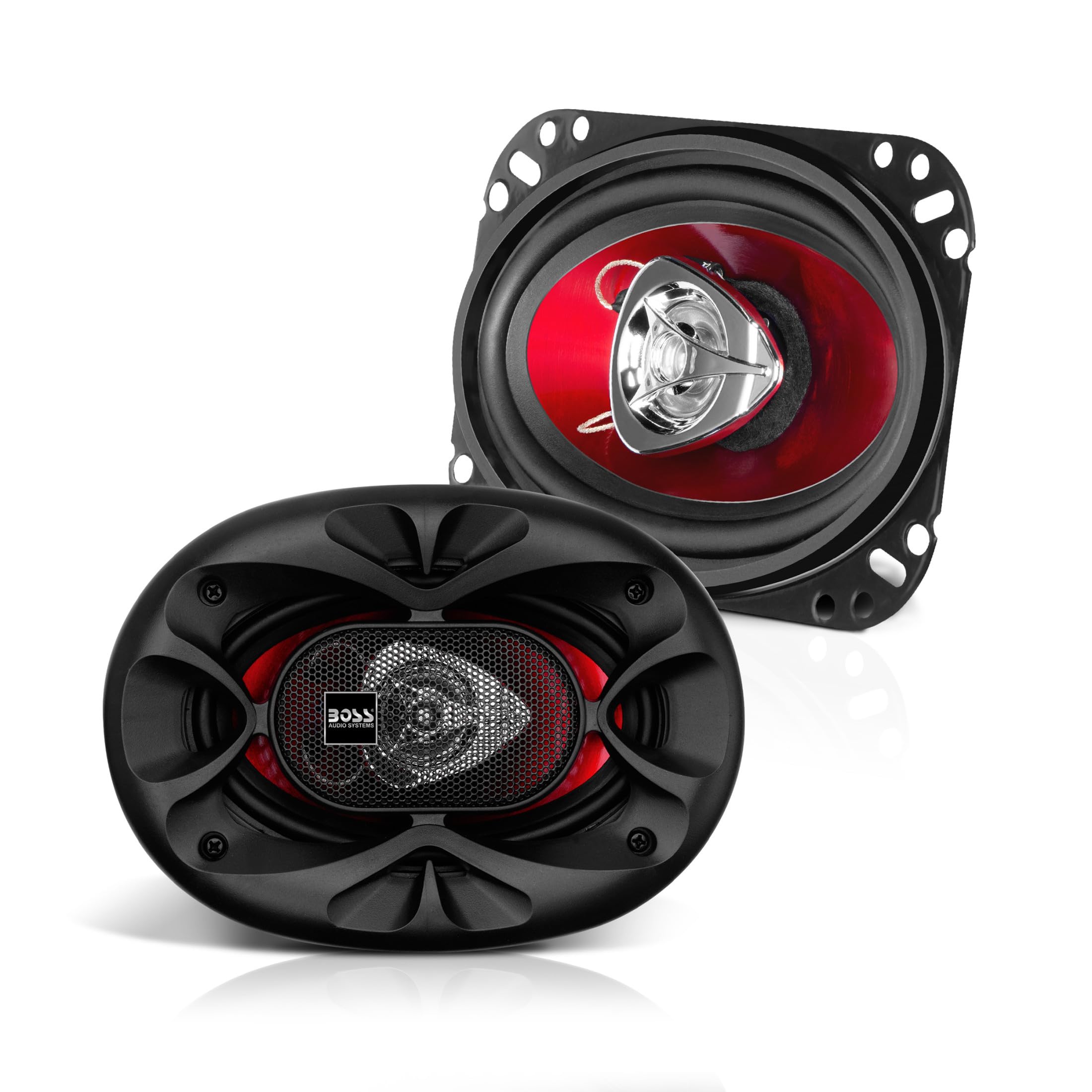
Who Should Buy 4x6 Speakers
4x6 speakers suit drivers replacing worn factory speakers in older cars and trucks, owners who want clearer sound without cutting new holes, and anyone keeping a stock look. They also suit budget upgrades where an amplifier is not planned. If you want strong bass from the doors alone, a larger speaker size or a subwoofer will serve you better.
- Owners of older cars and trucks
- Drivers wanting a stock look upgrade
- Budget builds without an amplifier
- Vocal and clarity focused listeners
Key Features That Matter Most
Sensitivity matters most on factory head unit power, because a high sensitivity speaker plays louder from the same modest power. Power handling matters more once you add an amplifier. Check frequency response for the low end limit, but treat published figures with care, since makers measure them differently. A coaxial design with a built in tweeter is simplest, while a component set needs more install work.
Mounting depth and shape are deal breakers: measure the factory opening, the depth to the window track, and the grille clearance. Some 4x6 plates include adapter rings, which help but add depth. Confirm the impedance matches your head unit or amplifier, since a mismatch can cut volume or strain the amplifier.
Bass, Power, and Amplifiers
Expect usable bass down to roughly the mid bass range, with real low bass left to a subwoofer. If you add an amplifier, choose one whose RMS output sits within the speaker rating, and set gains conservatively to avoid distortion. Distortion kills small speakers faster than clean power does, so a modest amplifier set correctly beats a powerful one set carelessly.
Sound deadening in the door can improve mid bass noticeably, because it stops the panel rattling and lets the speaker work against a firmer baffle. Even a small amount of deadening around the speaker opening helps. Keep wiring tidy and protected from sharp metal edges inside the door.
Budget and Long Term Value
4x6 speakers often cost from about $30 to $120 a pair, and the step up usually buys better tweeters, sturdier baskets, and smoother response. Budget for adapters, wiring harnesses, and possibly sound deadening, since those extras make the install clean and reversible. A careful install protects resale value, because the car can return to stock later.
Avoid the cheapest units if you listen daily, since harsh tweeters become tiring on long drives. Mid priced speakers with good sensitivity usually give the best value on factory power. If you plan an amplifier later, buy speakers rated for that future power now, so you do not buy twice.
Common Mistakes to Avoid
The most common mistake is ordering by size name alone without checking depth and mounting shape, then finding the speaker fouls the window. Another is wiring speakers out of phase, which kills bass and makes the sound hollow. A third is cranking bass boost on a small speaker, which causes distortion and damage. Check phase and balance before refitting door panels.
Planning for Everyday Use
After install, listen at moderate volume for a few days before judging tone, since new speakers settle slightly and your ears adjust. Keep the factory grilles if they fit, because they protect the cones from kicks and cargo. If a door rattles, locate the loose clip or panel before blaming the speaker, since many rattles come from trim rather than sound.
Related Guides Worth Reading Next
For more on a related option, see our guide to best 4x6 speakers with bass for detail that complements this guide.
For more on a related option, see our guide to best 4x6 car speakers for detail that complements this guide.
For more on a related option, see our guide to best 4x6 speakers for silverado for detail that complements this guide.
For more on a related option, see our guide to best 4x6 speakers for truck for detail that complements this guide.
For more on a related option, see our guide to best bt speakers for detail that complements this guide.
A Final Check Before You Order
Before you order, double check mounting depth against the tightest point behind the factory speaker, which is often a window track or a door brace. A speaker that fits the opening but fouls the window will not work, however good it sounds. Compare the depth figure with your own measurement, not just with a fitment guide, since vehicles vary by trim and year.
Confirm the wiring adapter for your vehicle, since a correct harness makes the install reversible and avoids cutting factory wiring. Buy any needed adapter rings at the same time, so the install does not stall halfway through a door panel removal. Keep the factory speakers and screws in a labeled bag for a future return to stock.
Finally, listen to your expectations honestly: a 4x6 plate upgrade improves clarity and vocals, but it will not add deep bass. If deep bass matters, plan a subwoofer at the same time or later, rather than expecting the small speakers to do everything. A balanced system beats a single overworked pair.
Caring for Your Speakers Over Time
Avoid running small speakers into heavy distortion, since distorted signals damage voice coils faster than clean power. Keep bass boost modest and let a subwoofer or high pass filter handle the lowest notes. Check door panels after the first weeks, since clips can settle and buzz, and refit any loose trim promptly.
Protect cones from kicks and cargo with factory grilles where they fit, and keep door drains clear so water does not pool near speakers. If one side sounds dull, check balance, wiring, and phase before assuming a fault. Most post install issues trace back to a loose connection rather than a failed speaker.
Frequently Asked Questions
Will 4x6 speakers give me strong bass?
4x6 speakers give clear mid bass but not deep sub bass, because their small cone area limits low frequency output. For strong bass, add a compact subwoofer and let the 4x6 units handle vocals and highs. A high pass filter on the small speakers also helps them play cleaner and louder.
Do I need an amplifier for 4x6 speakers?
You do not need an amplifier, since high sensitivity 4x6 speakers work well on factory head unit power. An amplifier adds headroom and control, and it helps at highway volume. If you add one, match its RMS output to the speaker rating and set gains carefully.
How do I check fit before ordering?
Measure the factory opening, the mounting depth to the nearest obstruction, and the grille height above the panel. Compare those figures with the speaker dimensions and adapter thickness. If depth is tight, look for shallow mount models or a different mounting location.
What is speaker sensitivity?
Sensitivity tells you how loud a speaker plays from a given power input, usually quoted in decibels at one watt and one meter. Higher sensitivity means more volume from a factory head unit. It matters more than peak power ratings for most daily driving.
Why does my new speaker sound hollow?
A hollow sound often means one speaker is wired out of phase, so bass cancels between sides. Swap the positive and negative wires on one speaker and listen again. Also check that door panels are refitted firmly, since loose trim can color the sound.
Can I mix 4x6 speakers with larger speakers?
You can mix sizes, for example 4x6 speakers in the dash with larger speakers in the doors, as long as each pair is wired correctly and balanced. The system should sound even from the driving seat, so adjust balance and fade after install. Avoid mixing very different sensitivities without checking, since a much louder pair can dominate the sound.
Do 4x6 speakers need break in?
New speakers settle slightly over the first hours of use as suspensions loosen, but the change is modest. Judge sound after a few days of normal listening rather than immediately after install. If sound seems harsh at first, check equalizer settings and phase before blaming the speakers.
Can I install 4x6 speakers myself?
Most drivers can install 4x6 speakers with basic tools, a panel removal tool, and a wiring harness for their vehicle. Take photos before disconnecting anything, work gently with plastic clips, and check the sound before refitting panels. If airbags or complex trim are involved, professional fitting is safer.
Final Thoughts
When you weigh best 4x6 speakers, fit and sensitivity matter more than peak power claims. Measure carefully, favor clarity over promised bass, and install with care. The product table above gives a solid starting point for comparing the main plate speakers. A careful choice now avoids returns and disappointment later.


