
Best 4x6 Speakers for Truck: A Buyer Checklist for 2026
Disclosure: We may earn a commission when you buy through links on this page, at no extra cost to you. As an Amazon Associate I earn from qualifying purchases. Learn more

Learn how to choose the best 4x6 speakers for truck with this checklist on fit, power handling, sound, durability, and value for daily driving.
A truck cab is a tough place for small speakers. Road noise, open windows, and tight factory openings all work against clear sound, so a simple checklist helps you sort the best 4x6 speakers for truck use from models that only look good on a spec sheet. This guide walks through that checklist step by step.
You will learn how to confirm fit, match power to your head unit or amplifier, and judge materials that survive heat and vibration. Compare your short list with the comparison table below before you buy.


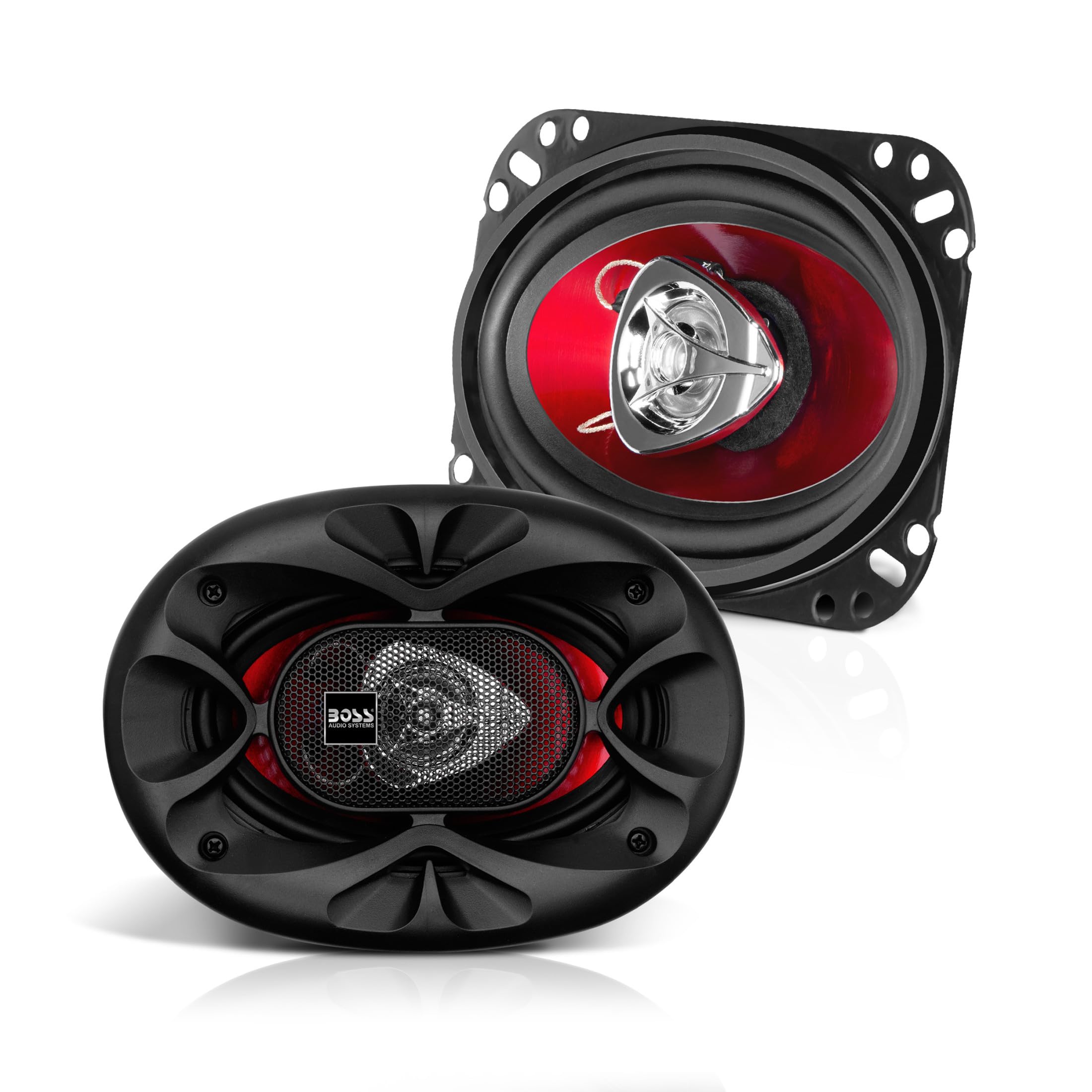
How to Evaluate 4x6 Speakers
Score every candidate against the same points, in the same order. Fit comes first, because a speaker that needs cutting or blocks a window track is a poor buy no matter how it sounds. Power match comes second, then sound balance, materials, and mounting hardware. Use the same order when you shop and weak options fall away quickly.
Features That Matter for Truck
Trucks place speakers low in doors, behind seats, or in dash corners where space is shallow and oddly shaped. Look for a mounting depth that leaves clear room behind the magnet and a frame that accepts factory screws without new holes. A sensitivity rating around 88 dB or higher helps a small speaker stay clear over road noise without extra amplifier power. If you often drive with windows down, that efficiency matters more than a large peak power number printed on the box.
For a wider view of fit across cab styles, see our guide to the best truck speakers and note which locations your truck actually offers.
Sound Quality and Tuning
A 4 by 6 inch cone cannot move much air, so honest midrange clarity matters more than deep bass claims. A frequency response that reaches down to about 60 to 80 Hz is realistic and useful for voices, guitars, and news radio. Two way designs with a separate tweeter usually spread high notes wider across the cab. Avoid harsh tweeters if you listen at highway volume for hours, because sharp treble grows tiring on long drives.
Durability and Water Resistance
Door speakers live near rain that slips past window seals, plus dust, heat, and constant vibration. Polypropylene or treated composite cones handle moisture far better than plain paper cones. Rubber surrounds outlast foam surrounds, which can crack after a few hot summers. Look for clear language about moisture resistance and sturdy terminals that will not loosen. A speaker does not need a swim rating here, but it does need materials chosen for a door cavity, not a living room shelf.
Power Handling and Electrical Match
Match the RMS rating, not the peak rating, to your source. Most factory head units send about 15 to 25 watts RMS per channel, so a speaker rated around 25 to 50 watts RMS with high sensitivity suits them well. If you run a small amplifier, choose a rating that covers its output with room to spare. Sending far too little power and turning the volume to maximum causes clipping, and clipping damages tweeters faster than clean power does.
Comfort, Fit, and Weight
Fit also means the speaker sits flush so door panels and grilles go back on without rattles. Check top mount depth, bottom mount depth, and cutout size against your factory opening before you order. Light magnets help shallow locations, while larger magnets may need a spacer ring. Keep the factory grille if you can, because it protects the cone from boots and cargo. A careful trial fit with the panel loose saves a second round of work later.
Door locations vary the most, so compare notes in our guide to the best speakers for truck doors if your pair will live in the doors.
Connectivity and Wiring
Car speakers are wired, so connectivity means clean, secure connections to your truck wiring. Adapters that plug into the factory harness save cutting and make a later return to stock simple. Use the correct polarity on both sides, because reversed wiring on one speaker thins the bass and blurs voices. If your truck uses an uncommon impedance from the factory, confirm the replacement matches or your volume and balance will suffer. Solder or quality crimp connectors beat loose twists that corrode.
Placement and Cab Size
Placement shapes what you hear as much as the speaker itself. Dash locations reflect sound off the windshield and can sound bright, while low door locations aim at your legs. A regular cab needs less total output than a crew cab with rear passengers. If you only replace one pair, put the better pair where you sit most. Adding sound deadening mat behind a door speaker often improves midbass more than spending the same money on a costlier pair.
Price Tiers to Expect
Instead of naming models, use tiers to set expectations. The product table above gives the current options, and the notes below explain what each price band usually delivers for this size. Prices move with sales, so judge the tier by features and materials, not by a single number on one day.
Mid Range Tier
Around $80 to $150 per pair is the sweet spot for most trucks. At this level you should expect rubber surrounds, a balanced two way design, sensitivity near or above 90 dB, and mounting hardware that fits common openings. Sound should stay clear at highway volume from a factory head unit and improve further with a small amplifier. This tier suits daily drivers who want one purchase that lasts for years. Skip models in this band that hide their RMS rating or use foam surrounds.
Budget Tier
Under about $80 per pair, you give up some refinement but can still get a solid upgrade over worn factory speakers. Look for polypropylene cones and honest sensitivity figures, and accept simpler tweeters and thinner mounting hardware. This tier works well for work trucks, second vehicles, and rear fill locations where detail matters less. Put the savings toward wiring adapters and a small amount of deadening mat. That combination often sounds better than a pricier pair installed with loose panels and rattling clips.
Heavy Use Tier
Above about $150 per pair, you pay for stronger baskets, better heat handling, and materials built for dusty, hot, high mileage use. This tier makes sense for trucks that run all day, tow often, or keep windows down on job sites. Expect clearer output at high volume and terminals that stay tight. The gain is real but modest, because the small cone size still limits bass. If your budget reaches here, also plan for an amplifier so the speakers get clean power.
If low notes are your main goal, read our guide to the best 4x6 speakers with bass for realistic ways to add fullness without expecting subwoofer depth.
Quick Buyer Checklist
- Does the cutout size and mounting depth match your factory location?
- Is the RMS rating close to what your head unit or amplifier sends?
- Is sensitivity around 88 dB or higher for use without an amplifier?
- Are the cone and surround made from moisture resistant materials?
- Does the kit include or support a plug in wiring adapter for your truck?
- Will the factory grille and door panel fit back on without force?
- Is the warranty at least one year from a seller who accepts returns?
If you answered no to the first two questions, keep looking. Those two decide fit and safe power, and no other feature can make up for getting them wrong.
Red Flags to Watch For
- Huge peak power claims with no RMS rating listed anywhere.
- Vague frequency response with no range or tolerance stated.
- Paper cones and foam surrounds sold for door use in wet climates.
- No cutout or depth measurements, which makes fit a guess.
- Very short warranties or sellers with no clear return process.
Another warning sign is a listing that promises deep bass from this size alone. A 4 by 6 speaker can sound full and punchy in the midbass, but physics limits how low it can play. Honest sellers describe balance and clarity instead. For a broader short list in this size, see our guide to the best 4x6 speakers and apply the same red flag test there.
How to Make Your 4x6 Speaker Last Longer
Keep volume just below the point where voices distort, because distortion is heat and stress on small drivers. Tighten mounting screws after the first month, since truck vibration loosens them. Wipe dust from grilles with a soft brush and check door drain holes so water does not pool near the speaker. If a door panel comes off for other work, inspect terminals for corrosion and clean them then. Small habits like these add years to a modest pair.
Drivers who want stronger low end across the whole system can also explore our guide to the best truck speakers for bass for ideas that pair well with a small front stage.
Frequently Asked Questions
What features matter most in 4x6 speakers for a truck?
Fit, sensitivity, and materials matter most. Confirm cutout and depth first, then choose sensitivity around 88 dB or higher so a factory head unit can drive the pair clearly. Polypropylene cones and rubber surrounds handle door moisture and heat best. One extra point many buyers miss is grille clearance, because a proud tweeter can press on a factory grille and buzz at certain notes.
What moisture protection do truck door speakers need?
They need moisture resistant materials, not a full outdoor rating. Doors shed most water through seals and drains, but mist and splashes still reach the speaker. Choose treated cones, rubber surrounds, and coated terminals. Also make sure the protective baffle or shield behind the speaker, if your truck has one, goes back in place during installation so drips fall away from the cone.
Do 4x6 truck speakers need an amplifier?
No, a high sensitivity pair works well on factory power for news, podcasts, and moderate music volume. An amplifier helps if you drive a loud diesel, run open windows at highway speed, or want cleaner output near maximum volume. A small amplifier rated near the speaker RMS figure is enough. There is no need for a large unit in a standard cab.
Can 4x6 speakers produce strong bass in a truck?
They produce clear midbass, not deep bass. Expect useful output down to roughly 60 to 80 Hz, which covers kick drums and bass guitar fundamentals in part. If you want notes below that range to feel physical, add a compact powered subwoofer under a seat and let the small speakers handle voices and detail. That split also lets the small cones play cleaner at high volume.
How long do 4x6 truck speakers usually last?
A well chosen pair often lasts five to ten years in daily use. Foam surrounds and paper cones shorten that span in hot, humid regions, while rubber and composite parts last longer. Heat parked in summer sun is the quiet enemy, so a windshield shade helps more than most owners expect. Replace a pair when rattles, tearing sounds, or one sided fading appear.
Final Thoughts
Start with fit, then match RMS power and sensitivity to your source, then choose materials that survive door life. That order keeps the best 4x6 speakers for truck short list honest and short. Budget tier pairs suit work trucks, the mid range tier suits most daily drivers, and the heavy use tier suits high mileage cabs. Compare your finalists in the comparison table above and buy the pair that passes every checklist line.


