
Best 4x6 Car Speakers 2026: Fit, Power and Sound Guide
Disclosure: We may earn a commission when you buy through links on this page, at no extra cost to you. As an Amazon Associate I earn from qualifying purchases. Learn more

Compare 4x6 car speakers by mounting depth, power handling, sound balance, and fit, with installation and tuning guidance for cars with plate speakers.
Small oval speakers hide in the dash, rear deck, and door pockets of many older cars and trucks, and swapping them is one of the cheapest ways to bring back clear voices and crisp highs. This guide to the best 4x6 car speakers is written for drivers whose factory openings take a 4 by 6 inch plate speaker, and it explains what to check before you order.
The product table below lines up the main choices side by side. The sections that follow cover fit, power handling, sound balance, and installation, so you can match a pair to your car, your stereo, and your budget.


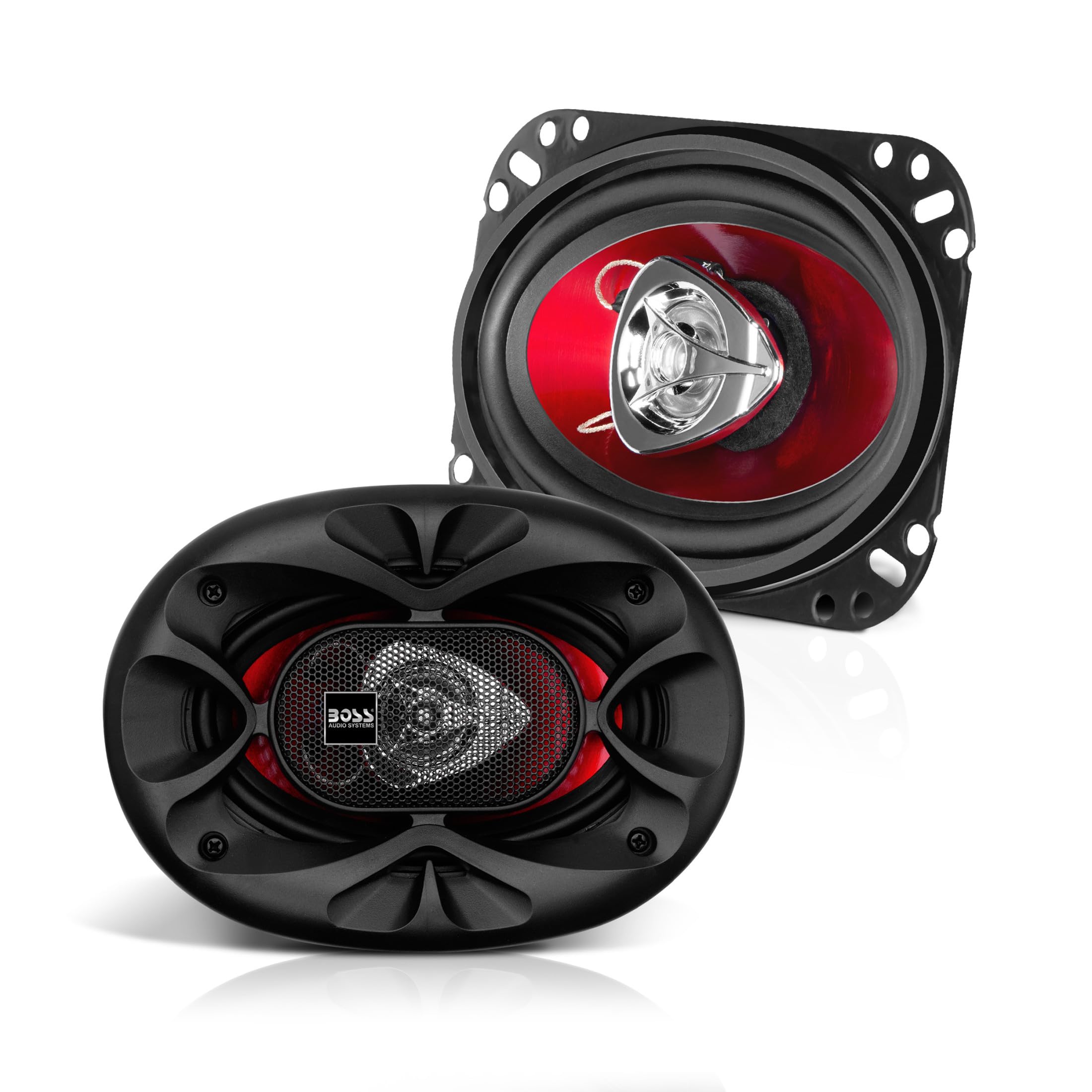
Who Needs the Best 4x6 Car Speakers
A 4x6 speaker is an oval driver, roughly 4 inches by 6 inches, used in dash corners, rear shelves, pillars, and some door locations. Many vehicles with this opening also carry larger round speakers in the doors, so the oval pair often handles the dash and rear fill while the doors do the heavy lifting.
These speakers suit anyone replacing cracked foam surrounds, blown cones, or crackling stock units. They also suit drivers who want clearer vocals for calls and podcasts without rebuilding the whole system. If you expect deep bass from this size, plan on adding a small subwoofer later, because a 4x6 cone moves little air.
Check Fit Before Anything Else
Fit decides whether a pair works at all. Measure the opening, the screw pattern, and the mounting depth, and compare them with the dimensions in the listing. Door panels, window tracks, and dash vents often limit depth to an inch or two, so a speaker with a large magnet can foul on the glass or the panel.
Look at how the factory unit is held. Some cars use tabs, some use screws through a plate, and some need an adapter bracket or a wiring harness to avoid cutting wires. A listing that names your make, model, and year range is the safest sign of an easy install.
Power Handling and Sensitivity
Read RMS power first, because it describes what a speaker can handle continuously. Peak watts are a brief figure and say little about daily sound. A factory stereo usually puts out about 10 to 20 watts per channel, so pick a pair with RMS handling that matches your source and a sensitivity near 90 dB or higher so it plays loudly without strain.
If you plan to add an amplifier later, leave some headroom: choose speakers rated for more RMS power than the amplifier delivers per channel. This keeps the sound clean at higher volume and reduces the risk of damage.
Sound Balance and Build
The best 4x6 car speakers balance smooth highs, clear mids, and honest bass for their size, rather than chasing a big power number on the box.
Most 4x6 speakers are coaxial, meaning the tweeter sits in the center of the cone, which keeps installation simple. Silk or soft dome tweeters sound smoother, while metal domes sound brighter and can turn harsh in a reflective cabin. Polypropylene cones resist moisture better than paper, and rubber surrounds outlast foam in hot climates.
Expect clean mids and highs with modest low end. Frequency response numbers that start near 60 to 90 Hz are realistic for this size. Claims of heavy bass from a plate speaker alone are marketing, so judge a pair by how natural voices and guitars sound.
Installation Basics
Disconnect the battery before you touch the wiring, and remove trim panels slowly to protect the clips. Match positive and negative terminals on every connection, because reversed polarity thins the sound and blurs the stereo image. Use proper connectors or solder rather than twisted wire, and route cables away from moving window parts and sharp metal.
Take your time with the wiring. A neat install keeps the speakers sounding the same year after year, and it makes any later swap far easier. Label the wires if you remove several speakers at once, so each one goes back to the right channel.
Foam gasket tape around the mounting flange seals the speaker to the panel and cuts buzzing. Replace one side first, play a familiar track at moderate volume, and compare it with the untouched side before finishing the second speaker.
Common Mistakes to Avoid
- Buying by peak watts instead of RMS handling and sensitivity.
- Skipping the depth and screw pattern check for your exact trim.
- Expecting deep bass from a small oval cone and pushing it into distortion.
- Leaving panels loose, which causes rattles that sound like bad speakers.
- Mixing a new pair with worn speakers on the same channel pair, which unbalances the sound.
How Much to Spend
A solid coaxial pair costs about $40 to $110, and that range covers most upgrades from worn factory speakers. Spending more buys better materials, smoother tweeters, and higher sensitivity, while the cheapest pairs often rely on large peak power claims. Set a budget, then compare RMS handling, sensitivity, and warranty length before you decide. A pair backed by at least a one year warranty is a reasonable baseline.
Related Guides
If you are comparing slightly different wording for the same size, our guide to the best 4x6 car audio speakers and the broader best 4x6 speakers cover fit notes that overlap with this one. For the rest of the system, see the best car stereo speakers, the best sounding car speakers, and the best sub speakers for car if low bass matters to you.
Frequently Asked Questions
Will 4x6 speakers fit my car?
They fit if your vehicle uses a 4x6 opening in that location and the mounting depth clears the parts behind it. Check a fit guide for your exact year and trim, then compare the screw pattern and depth in the listing with your own measurements.
Do I need an amplifier for plate speakers?
No. Most 4x6 speakers are designed to run from a factory or aftermarket head unit. An amplifier adds clean volume and control, but it is optional, and the speakers still need correct RMS matching.
Why does one speaker sound quieter than the other?
Reversed polarity, a loose connector, or a balance setting is the usual cause. Check that positive and negative wires match on both speakers, reseat the plugs, and set balance and fader to center before judging the speaker.
How do I reduce distortion at high volume?
Lower the bass boost, use the high pass filter on your head unit or amplifier, and stay below the volume where the sound turns harsh. Small cones distort quickly when asked for deep bass, so a high pass filter near 80 Hz helps.
Can I keep the factory grilles?
Often yes. Many replacement speakers use the same mounting holes as the originals, so the factory grille or cover can go back on. Check that the new tweeter does not touch the grille, and keep the originals until you are happy with the result.
Final Thoughts
Confirm the fit, match RMS handling and sensitivity to your stereo, and pick materials that survive door and dash conditions. Use the product table above to compare your shortlist, and you will find the best 4x6 car speakers for your car without a refit or a return.


