
Best 4K UHD Laptops: Every Type Explained Side by Side for 2026
Disclosure: We may earn a commission when you buy through links on this page, at no extra cost to you. As an Amazon Associate I earn from qualifying purchases. Learn more

Types, weight, power, ports, RAM and storage compared to help you choose the best 4k uhd laptops.
A 4K screen sounds like a single feature, but the laptops that carry one serve very different lives, from light school work to demanding video editing. Choosing among the best 4k uhd laptops gets easier once you compare types first and specifications second. The wrong type with great specs still feels wrong every day.
This guide explains each type in plain terms, who it fits, and what it costs. Use the comparison table below for a quick scan, then read the type and selection sections that match your routine.
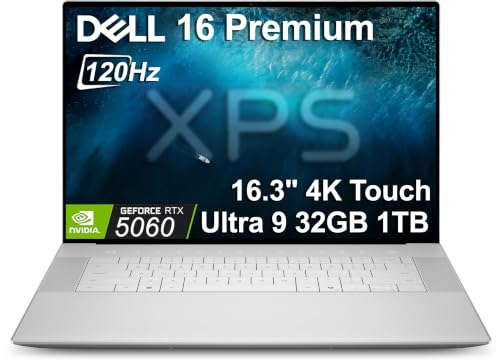


Best 4K UHD Laptops: Types Compared
Three broad types cover most buyers. Budget models prioritize value and battery life with integrated graphics. Convertibles add a folding touch screen for notes, drawing, and presentations. Gaming models add a dedicated graphics card and stronger cooling for play and creative rendering. Price, weight, and noise rise as performance rises, so your most common task should pick the type.
Budget Laptops
Budget 4K laptops, often around $600 to $1,000, use efficient processors and integrated graphics in slim metal or sturdy plastic bodies. They handle documents, browsing with many tabs, streaming, and light photo editing smoothly, and their sharp screen makes text and video look excellent. The limits appear in heavy video work, large data tasks, and modern games, where integrated graphics slow down. Battery life is usually the best in this guide because the parts sip power. Choose this type if your work is mainly office and study tasks and you want the 4K display for clarity rather than for raw power.
2 in 1 Convertibles
Convertibles, often around $900 to $1,600, fold the screen back so the laptop becomes a thick tablet for reading, sketching, and marking documents with a pen. Touch and pen support are the reasons to pay more, and many models include the pen while others sell it separately. They weigh a little more than a plain laptop of the same size and cost more for the hinge and touch layers. Performance matches budget and midrange laptops rather than gaming models. Choose this type if you handwrite notes, draw, or present to small groups face to face.
Gaming Laptops
Gaming laptops with 4K screens, often around $1,400 to $2,500 and above, pair strong processors with dedicated graphics and large cooling systems. They play games and render video far faster than the other types and often include high refresh displays, though many gamers prefer lower resolution at higher refresh for play and use 4K for creative work. The costs are weight, fan noise under load, and short battery life away from an outlet. Choose this type if gaming or 3D and video rendering is a core part of your week, not an occasional treat.
Readers who want a broader view of portable styles can see our guide to the best notebook laptops for how thin and light designs trade power for travel comfort.
Budget Laptops vs 2 in 1 Convertibles: Which Should You Choose?
Compare them on five points. For typing and desk work, both feel the same, because both use standard keyboards and trackpads. For notes and drawing, the convertible wins outright, since folding and pen input change how you study and review documents. For value, the budget laptop wins, because you avoid paying for touch hardware you may rarely use. For travel, weights are close, but the convertible earns its keep in tight seats where tablet mode saves space. For longevity, the simpler hinge on a budget model has fewer moving parts, while convertible hinges are well proven but worth handling with care.
Decide with one question: will you use touch or pen input at least weekly? If yes, buy the convertible and enjoy it. If not, take the budget model and spend the savings on more RAM or storage, which you will feel every day. Shoppers focused only on the display can also compare our guide to the best laptops 4k for screen centered advice.
How to Choose the Right 4K UHD Laptop
Weight and Portability
Weight decides whether a laptop actually travels with you. Under 3 lb suits students and commuters who carry a machine all day, especially with a charger added to the bag. Between 3 and 4 lb is a workable middle for office workers who move between home and desk. Above 4 lb, most gaming models, plan on a laptop that lives on a desk and moves between rooms. Remember that a 4K screen draws more power, so a light model with a modest battery can still need a midday charge.
Processor and Performance Tier
Modern Intel Core Ultra, AMD Ryzen, and Apple M series chips all handle office work, browsing, and streaming with ease. Step up in tier when you edit video, compile code, run virtual machines, or keep many heavy apps open at once. For creative work, a chip with strong integrated graphics or a dedicated graphics card matters more than a small clock speed difference. Check that the cooling in a thin body lets the chip sustain its speed, because brief benchmark bursts do not reflect a long export.
Ports and Connectivity
USB C with Thunderbolt or full function support lets one cable drive a monitor, charge the laptop, and connect storage on many models. At least one standard USB port and an HDMI output save you from carrying adapters for drives and projectors. WiFi 6E or WiFi 7 keeps speeds high on modern networks, and Bluetooth 5 or newer handles mice and headphones reliably. If you edit photos, a built in card reader removes a daily annoyance. Count your regular gear and confirm the ports before you buy.
RAM and Storage
Treat 16GB of RAM as the sensible standard for a 4K laptop you plan to keep for years, because browsers, office apps, and creative tools keep growing. 8GB can work for light school use but leaves little headroom and often cannot be upgraded on thin models, so check upgrade options before assuming you can add memory later. For storage, 512GB suits most users, while video editors should start at 1TB or plan on fast external drives. Solid state storage is standard and keeps the machine quick to wake and load.
If you are still deciding between close display terms, our guide to the best uhd laptops clarifies how UHD and 4K labels overlap in store listings.
Setup and Care Tips
On day one, run operating system and firmware updates, set display scaling to a comfortable level such as 150 percent so text stays readable at 4K, and sign in to cloud backup before you move your files. Avoid keeping the battery at full charge all the time if the laptop lives plugged in; many models offer a charge limit setting near 80 percent for desk use. Carry the machine in a padded sleeve, keep vents unblocked on soft surfaces, and clean the screen with a dry microfiber cloth. Recheck scaling and color settings after major updates, because they occasionally reset.
Frequently Asked Questions
Is a Chromebook enough for school?
For writing, browsing, and classroom web apps, often yes, but Chromebooks with true 4K screens are rare and the type sits outside this guide. Students who need specific Windows or Mac software, offline apps, or creative tools should choose a full laptop. Check your school software list first, because one required program can settle the question instantly.
How long should a 4k uhd laptop last?
A well chosen model should serve about 5 to 7 years, with the battery usually aging first and often replaceable on business style designs. Choosing 16GB of RAM and ample storage extends useful life more than a slightly faster processor. The 4K screen itself remains sharp and current, since content and interfaces continue to target this resolution.
Should I buy a laptop or a tablet?
Buy a laptop if you type long documents, manage files, or run full desktop software, because a real keyboard, trackpad, and file system save time daily. Buy a tablet if your work is reading, drawing, and media with light typing. A convertible laptop bridges the two and is the safer single device for students who do both.
How much RAM do I need in a 4K laptop?
Most buyers need 16GB for smooth multitasking over several years. Light users who only browse and write can manage with 8GB, while video editors, developers, and gamers should consider 32GB. Because many thin laptops have soldered memory that cannot be upgraded, buying the right amount at purchase protects the whole life of the machine.
Is a dedicated GPU worth it?
It is worth it if you play demanding games, edit video regularly, work in 3D, or run GPU accelerated science and design tools. For office work, study, and streaming, modern integrated graphics are enough and give you a lighter, quieter machine with longer battery life. Spend the GPU money on RAM and storage instead when your tasks are light.
Creators comparing machines for editing work specifically can read our guide to the best laptops for editing 4k for storage and color accuracy advice in more depth.
Our Verdict
Pick the type by your weekly tasks, protect your choice with 16GB of RAM and enough storage, and keep weight honest if you travel. Then compare your short list in the product table above. That process leads you to the best 4k uhd laptops option that fits your life, rather than the one with the longest spec sheet.


