
Best 4K Short Throw Projectors for 2026: Matching the Right Model to Your Routine
Disclosure: We may earn a commission when you buy through links on this page, at no extra cost to you. As an Amazon Associate I earn from qualifying purchases. Learn more
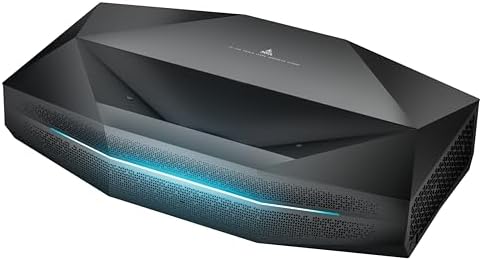
Match the best 4K short throw projectors to your routine: gaming, movies, work or daily use, plus throw distance, brightness and sound.
There is no single model that suits every room, because the best 4k short throw projectors vary in throw distance, brightness, sound, and smart features. A projector that shines in a dark movie room may struggle in a bright living room, and a model built for fast gaming may offer more than a casual viewer needs. This guide matches features to real routines so you can avoid overpaying and get the right fit the first time.
The product table gives a quick overview of the picks, and the sections that follow explain what each type of user should prioritize. Measure your room and note where you will place the projector before you compare specs. A short throw design sits close to the screen, which helps in small rooms, but it makes placement and focus more important.


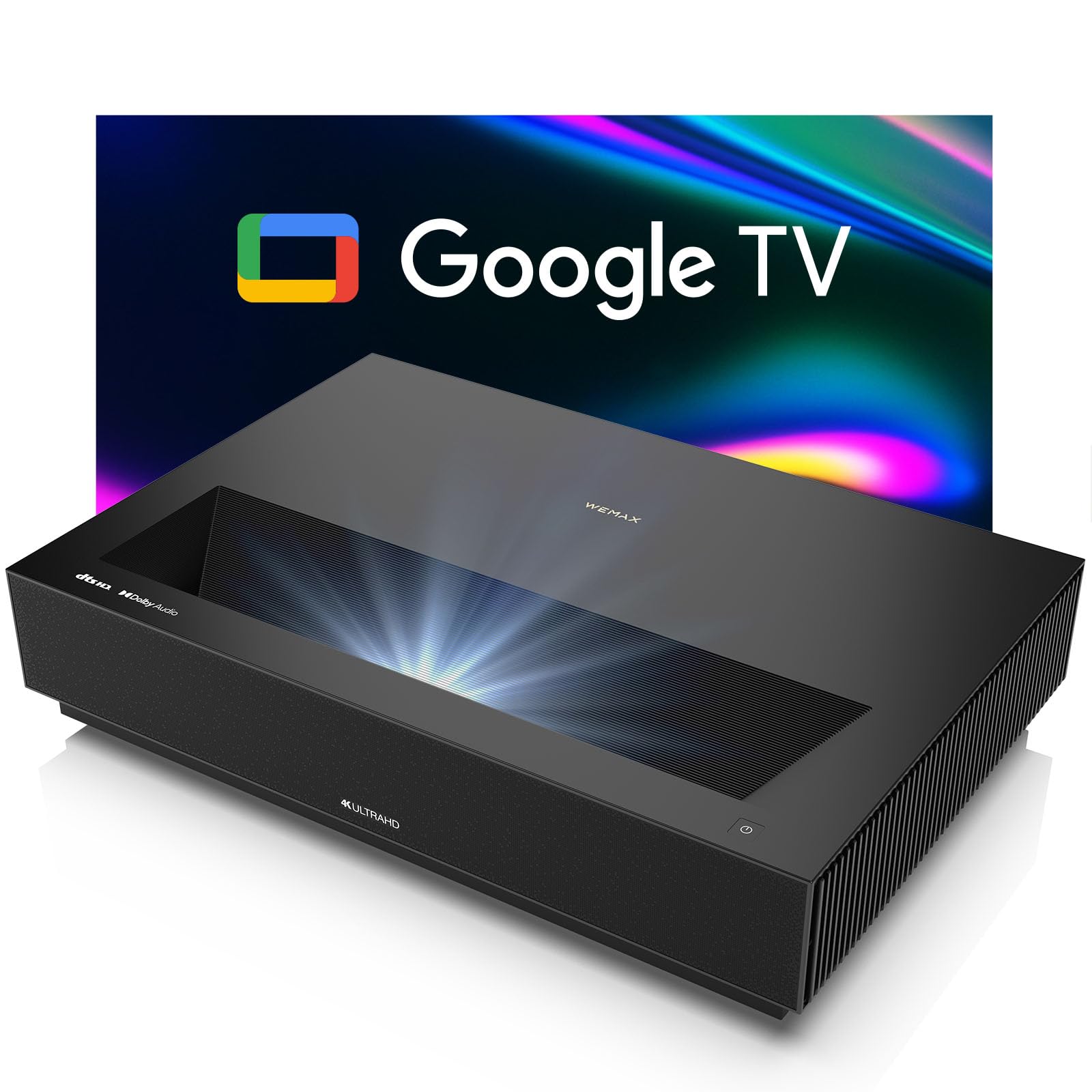

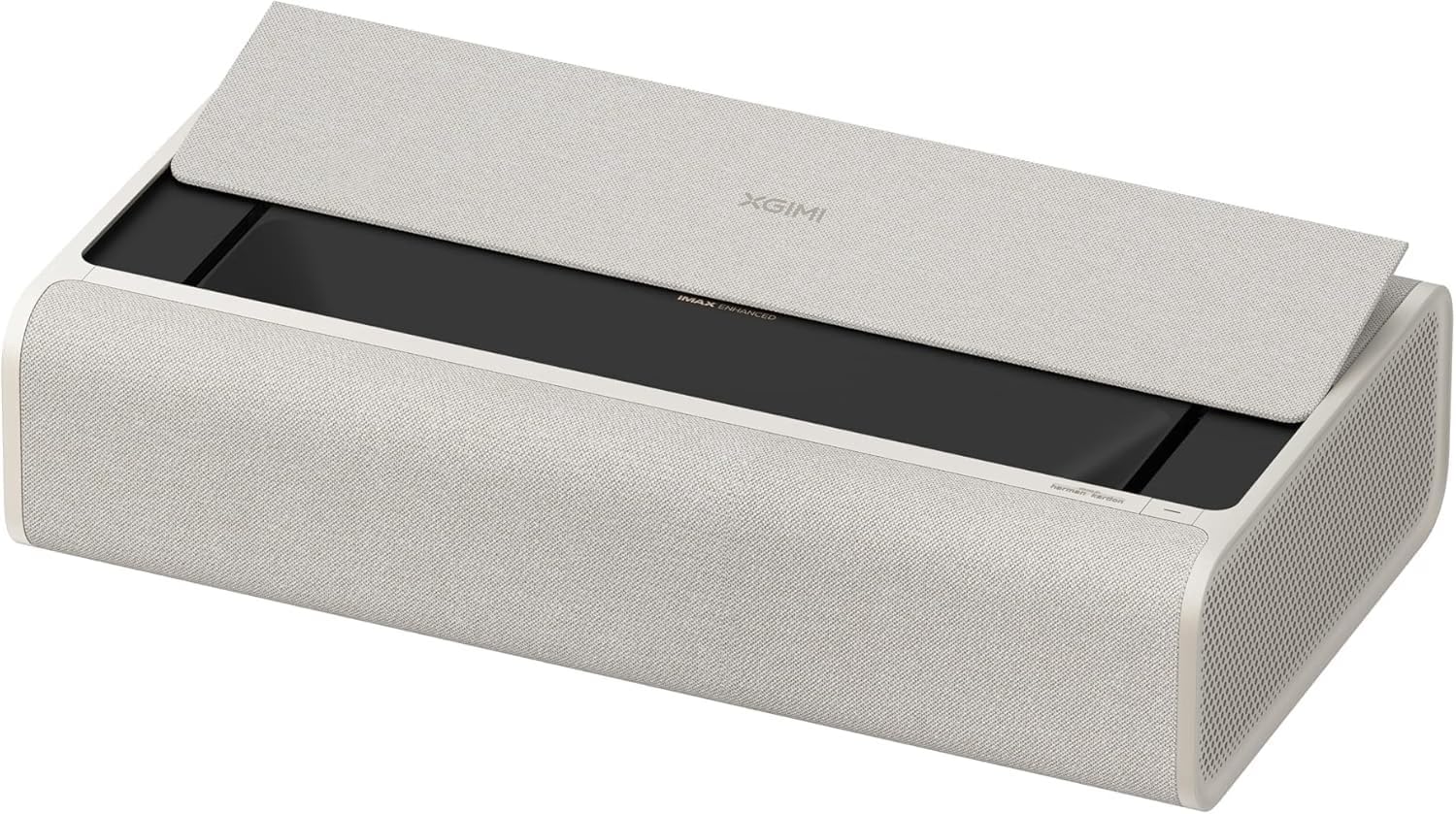


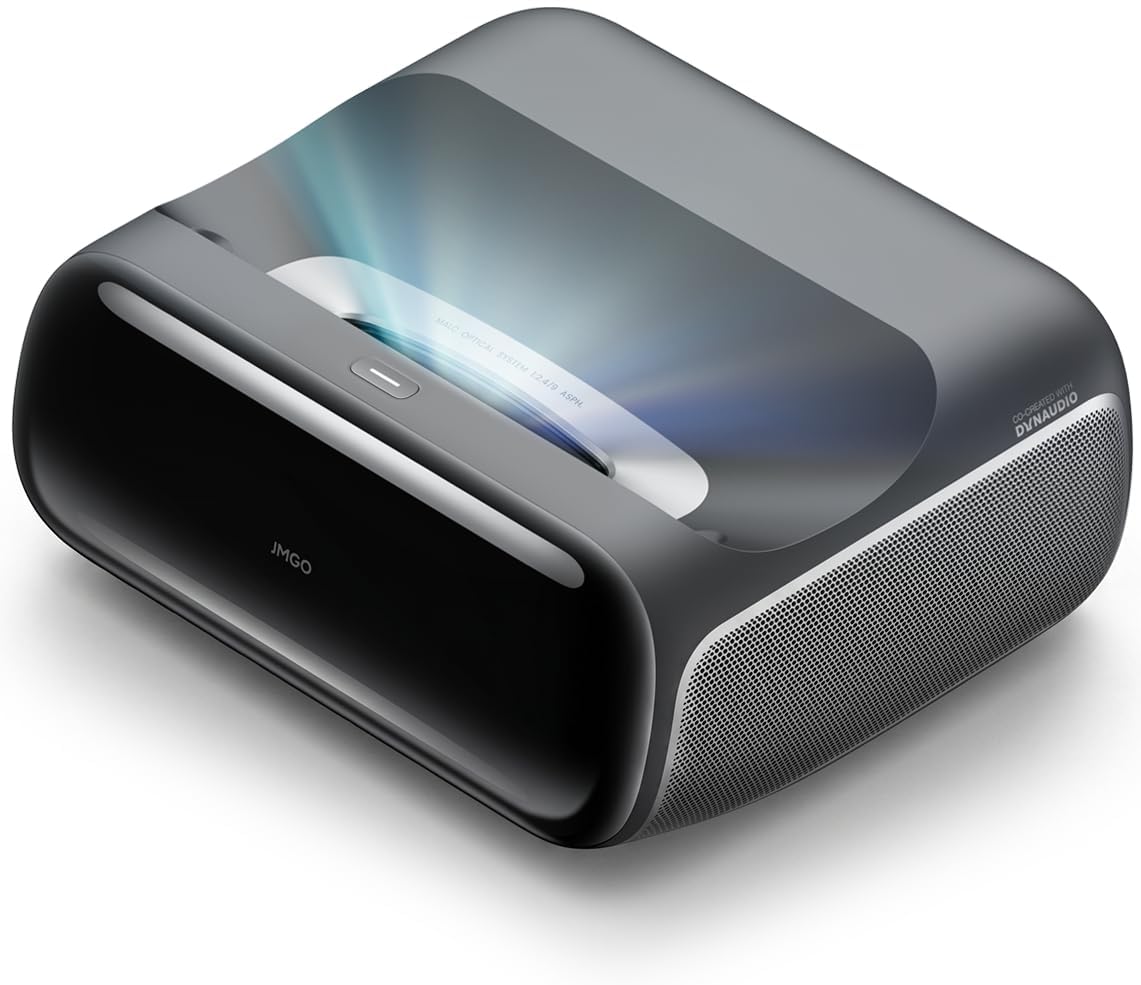

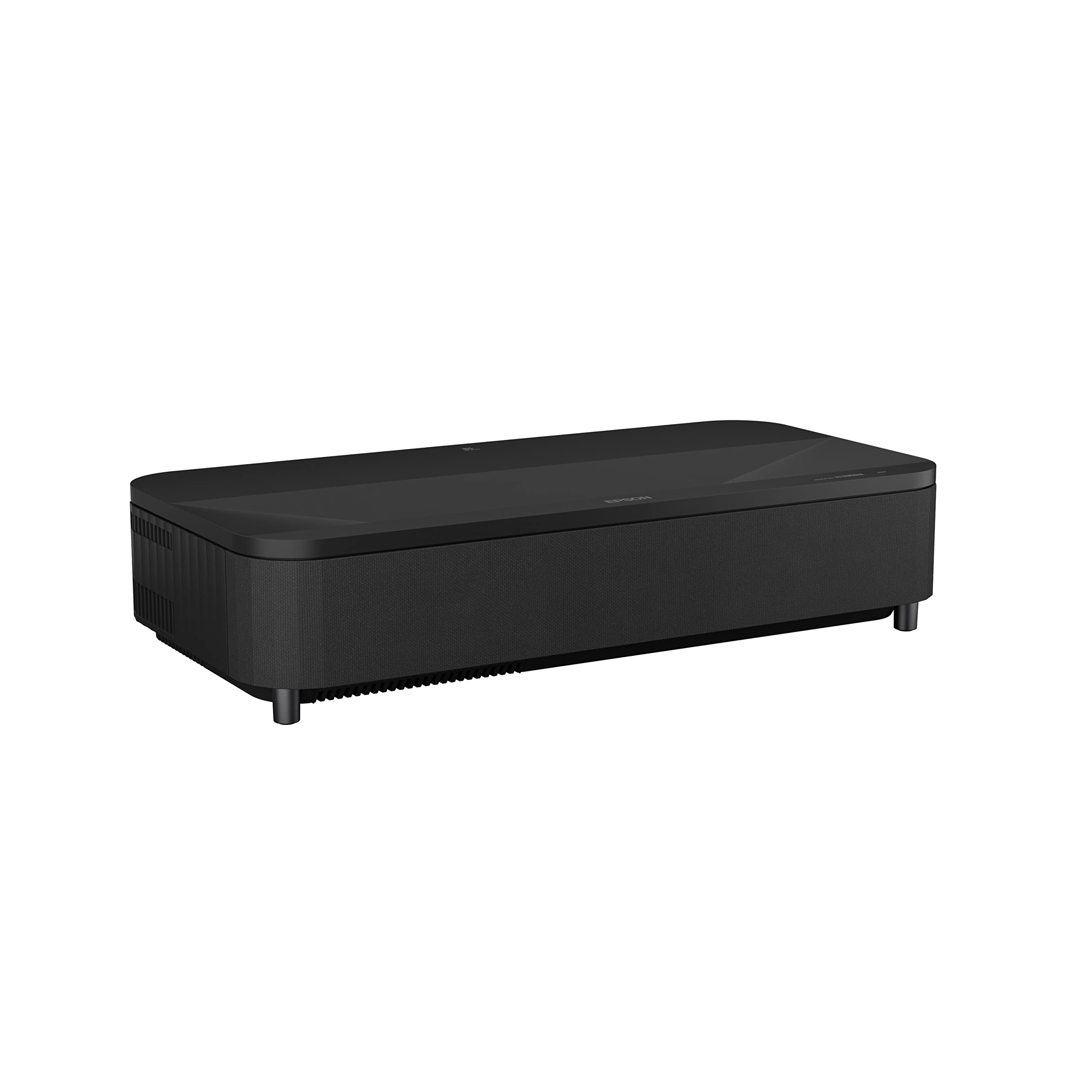
Who Should Buy Which 4K Short Throw Projectors?
Start with your routine, not with a spec sheet. The groups below cover the most common ways people use a short throw projector at home. Find the group closest to your habits, then use its priorities to narrow your search before you look at price.
For Gamers and Power Users
Gamers should prioritize low input lag, a high refresh rate, and a fast response time, since these factors decide whether motion feels smooth and controls feel direct. Look for a dedicated game mode that cuts processing delay, and check which refresh rates are supported at 4K resolution, because some models only reach their fastest rates at lower resolutions.
Connectivity matters just as much. HDMI 2.1 ports support higher refresh rates and modern consoles, while a low latency audio path keeps sound in sync. If you play competitive games, place the projector so the image stays sharp at the edges, since short throw optics can soften corners when placement is off.
For Small Room Movie Lovers
Movie lovers in small rooms benefit most from a short throw design, because it can fill a large screen from a short distance. Focus on throw ratio first, then screen size, so the image fits your wall without distortion. A model with strong contrast and good HDR handling will show more detail in dark scenes.
Sound also shapes the movie experience. Built in speakers can work in a small room, but a soundbar usually gives clearer dialogue and deeper bass. Check audio output options before you buy. If your room has window light, look for higher brightness and a screen made for ambient light.
For Remote Workers and Creators
Remote workers and creators often use a projector as a large display for documents, video calls, and editing work. For this use, sharp text and stable connectivity matter more than cinematic contrast. Look for easy switching between a laptop and other sources, a quiet fan so calls stay clear, and settings that let you adjust color temperature for long work sessions.
Placement flexibility also helps in a shared room. A short throw model can sit on a desk near the screen, which keeps cables short and setup simple. If you present often, check keystone correction and focus controls at your usual seating distance. A model that is easy to start and focus will get used far more than a powerful model with a fiddly setup.
For Students and Everyday Users
Students and everyday users usually want a reliable, simple projector for shows and casual viewing without a steep price. Prioritize easy setup, a clear menu, and a built in smart platform so you can stream without adding extra devices. A moderate brightness level is fine in a room where you can dim the lights, and a compact size helps if the projector moves between rooms or back home during breaks.
Running costs also matter. A laser light source usually lasts longer than a traditional lamp and needs less upkeep, which can offset a higher upfront price. Check light source life and whether the model runs quietly enough for a bedroom. Simple controls make daily use much easier.
Key Features of the Best 4K Short Throw Projectors
Once you know your use case, compare the features that affect that use directly. The four areas below cover placement, picture quality, light source, and everyday ease of use. Keep notes on your room size and lighting as you read, since the same spec can mean different results in different rooms.
Throw Distance and Screen Size
Throw ratio tells you how large an image a projector makes from a given distance, and short throw models make a big image from close up. Measure the distance from the projector position to the screen, then check the throw ratio and the supported screen size range for that distance. A mismatch here can force you to move furniture or accept an image that is too large, too small, or soft at the edges.
Screen choice matters with short throw optics. A flat, smooth screen gives a sharper result than a textured wall, and a screen made for short throw or ambient light can improve contrast. If you plan a very large screen, confirm the model supports that size at your distance without losing focus.
For dedicated theater setups, see our guide to the best short throw projectors for home theaters for room and seating guidance, and see our guide to the best screens for ultra short throw projectors when screen choice is your main question.
Brightness and HDR
Brightness, measured in lumens, decides how well the image holds up in ambient light. A dark room needs less brightness, while a living room with windows needs more. Do not compare lumen numbers across brands without checking how each maker measures them, since methods can differ.
HDR handling shapes how bright highlights and dark shadows look. Look for support for HDR10, and check whether the model tone maps highlights smoothly rather than clipping bright areas. In a dark room, contrast often matters more than maximum brightness, while in a bright room, brightness and an ambient light screen matter more.
Light Source and Lifespan
Most modern short throw projectors use a laser light source, while some use LED or a traditional lamp. Laser models usually offer longer life and faster startup, which suits daily use. Lamp models may cost less upfront but need lamp replacement after a set number of hours. Check rated life in normal and eco modes.
A long life light source reduces upkeep, which matters if the projector is your main display. Ask how the maker handles replacement and what warranty covers. For laser models, see our guide to the best short throw laser projectors.
Smart Platform and Sound
A built in smart platform lets you stream shows without an extra stick or box. Check whether your main streaming apps are supported and whether you can cast from a phone or laptop. If you prefer an external device, make sure the projector has enough HDMI ports and a USB port for power.
Built in speakers vary widely, from thin sound that suits news to fuller sound that works in a small room. Check audio output options if you plan to connect a soundbar. For travel, see our guide to the best portable 4k projectors, and for a standard setup, see our guide to the best 4k home projectors.
Common Mistakes to Avoid When Buying 4K Short Throw Projectors
- Choosing only by price, without checking throw ratio, brightness, and screen size for your room.
- Ignoring resolution and viewing distance, so text looks soft or the image feels too large from your seat.
- Buying a screen that is too large or too small for the throw distance, which causes focus problems at the edges.
- Overlooking sound, ports, and smart platform support, then needing extra devices and cables after setup.
- Skipping warranty and light source life checks, which can turn a bargain into a costly replacement later.
Each mistake is easy to avoid with a tape measure and a note of your room lighting. Write down seating distance, screen size, and main use before you shop.
Care and Maintenance Tips
Keep the projector in a well ventilated spot, since blocked vents cause heat buildup and can shorten light source life. Clean the lens only with a soft, dry cloth made for optics. Dust vents gently, and keep the projector away from smoke and direct sunlight when not in use.
Use maker picture settings as a starting point, and turn off overly vivid modes. Let the projector cool before moving it, and follow maker guidance for firmware updates and storage. Keep small parts and batteries away from children, and follow maker electrical safety guidance for power cords.
4K Short Throw Projectors: Your Questions Answered
How long do 4K short throw projectors last?
Most laser models last many thousands of hours in normal use, often far longer than a traditional lamp model. Actual life depends on brightness mode and ventilation, so eco mode can extend life while slightly dimming the image. With good ventilation, a well made projector can serve as a main display for many years.
Does refresh rate matter for non gamers?
Refresh rate matters less for movies than for gaming, but it still affects motion smoothness. Most films run at lower frame rates, so a standard rate is usually enough. Sports benefit from smoother motion, while gamers need low lag and high refresh rates. Choose based on your fastest content, not the highest number alone.
Is 4K worth it for a short throw projector?
4K is worth it when you sit close to a large screen, watch detailed films, or use the projector for text work. At larger sizes, extra detail is easy to see in sharp edges and textures. For a small screen or a bright room where you sit far back, the difference is smaller. Low quality streams will not show the full benefit of a 4K image.
What size screen should I get for my room or desk?
Choose screen size from seating distance and throw ratio, not from the largest size you can fit on the wall. A common guide is to sit about one and a half to two times the screen width away. Measure your wall, leave room for speakers, and check throw ratio at your planned distance. A screen too large can cause eye strain and soft edges.
Do I need a special screen for a short throw projector?
Not always, since a smooth, flat white wall can work in a dim room. A screen made for short throw or ambient light usually gives better contrast and keeps the image flat, especially with ultra short throw models that project at a steep angle. If your room gets daylight, a screen made to reject ambient light is worth considering.
Our Verdict
The right projector starts with your room and routine. Gamers should weight low lag and refresh rate, movie lovers throw ratio and contrast, workers sharp text and easy connections, and everyday users simple setup and long light source life. Check brightness, screen size, and sound before comparing prices.
A midrange model that fits your room well will usually beat a high end model placed poorly. Review the product table, then choose the best 4k short throw projectors style that matches how you actually watch, play, and work.


