Best 4K Outdoor Security Cameras for Every Need in 2026: How to Pick the Right One
Disclosure: We may earn a commission when you buy through links on this page, at no extra cost to you. As an Amazon Associate I earn from qualifying purchases. Learn more

Match the best 4k outdoor security cameras to your yard, power setup and storage needs, with plain guidance on night vision, detection and weather ratings.
No single camera suits every yard, and the honest starting point is what a camera actually does for you. A security camera is a monitoring aid: it records and warns, and it prevents nothing by itself. The value of the best 4k outdoor security cameras is clear footage and a fast alert when something happens on your ground, so you can respond, check on family, or hand usable evidence to the police. Buyers who start from a need, rather than from a spec sheet, end up with fewer regrets.
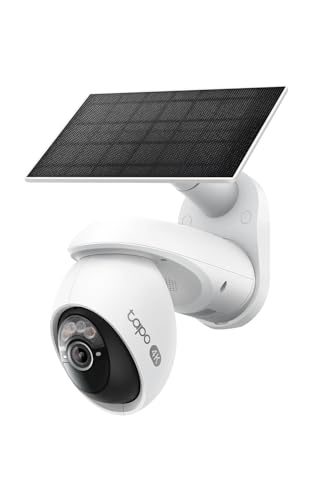
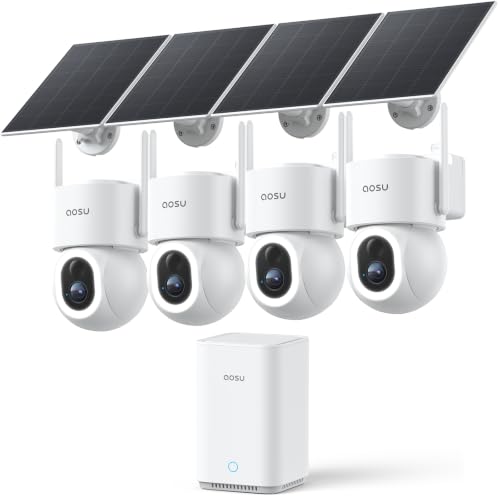
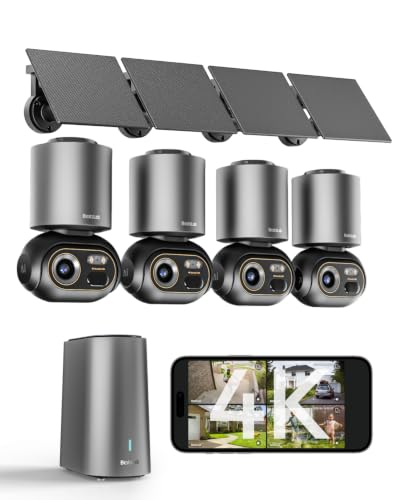
This guide sorts cameras by the job first, then by the features that serve that job. The product table gives a side-by-side view of the picks, and the sections after it explain how to match each class to your home.




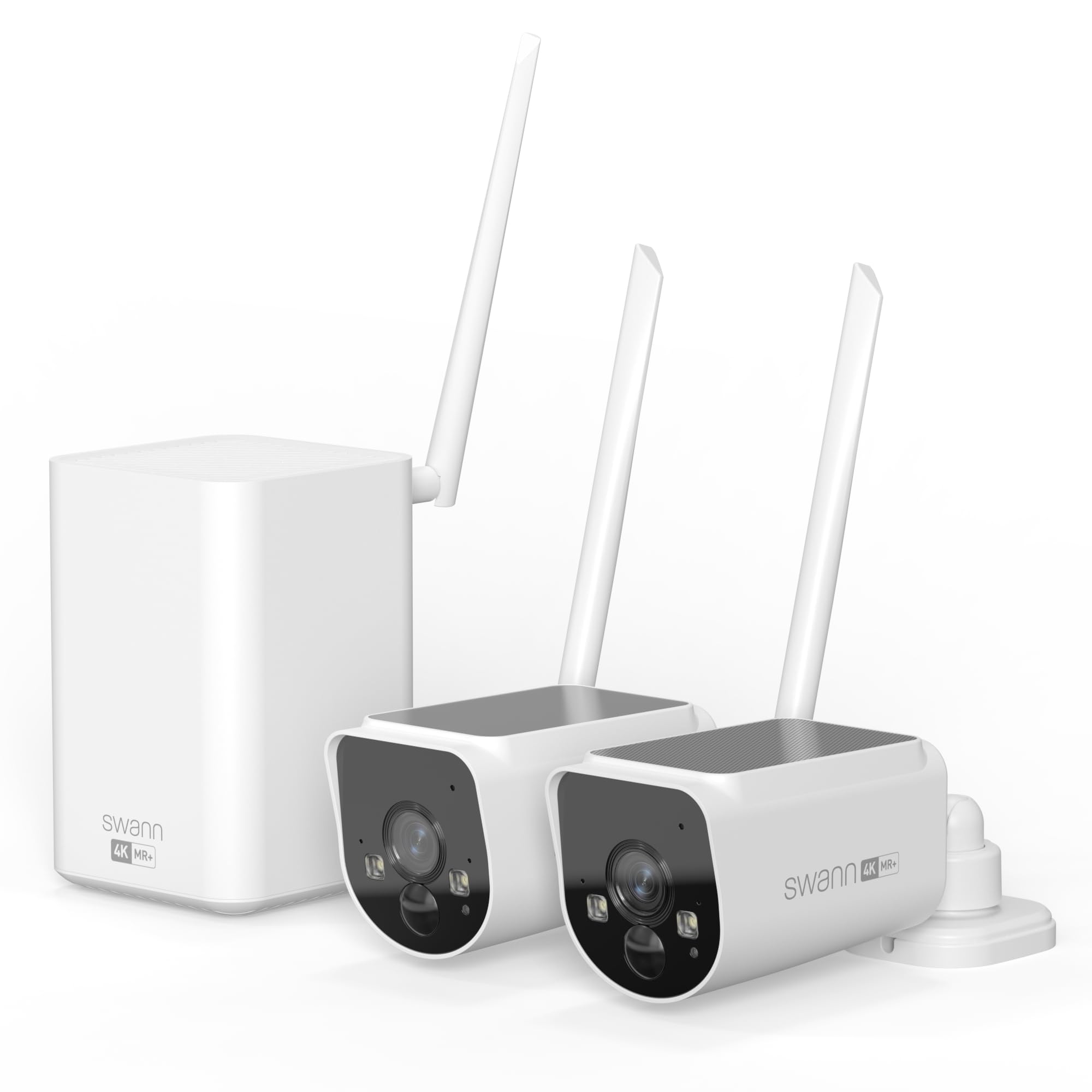
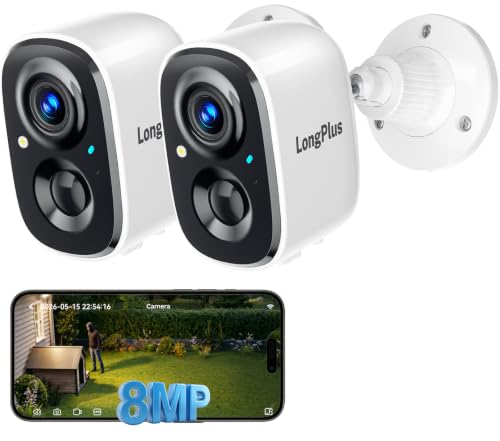
Who Should Buy Which of the Best 4K Outdoor Security Cameras?
Your need decides the camera class, the power class, and the storage class before price enters the picture. If you want the wider category first, our guide to best cameras for outdoor security covers every resolution class in one place.
For Front Doors and Driveways
Door and driveway watchers need fast person detection, a clear view of faces and plates at short range, and two way audio for speaking to visitors. A spotlight class camera adds color footage at night, which helps identify clothing and car color. Wired power suits this spot when an outlet sits nearby, since the camera runs often and battery swaps grow tiresome.
For Large Yards and Rural Land
Big properties need a wide field of view, strong night range, and power that does not depend on an outlet at the far fence. Battery models paired with a solar panel class fit remote corners, while a wired system class covers barns and gates where cable can run. Expect to trade some sharpness at distance, since one camera cannot watch an acre in fine detail.
For Renters and Easy Installs
Renters need cameras that mount without drilling and leave with them at the end of a lease. Battery models with adhesive or magnetic mount classes fit that rule, and local storage keeps footage off a landlord network. Check your lease and local rules on cameras that face shared spaces before you mount anything, even a removable model.
For Outbuildings and Weak WiFi Spots
Sheds, workshops, and detached garages often sit past the reach of home WiFi, so the connection class decides the camera class. A wired system with its own recorder keeps working when the signal fades, and our guide to best outdoor security cameras system explains that layout in full. This group should also weigh cameras that record locally around the clock rather than only on motion.
Key Features to Compare
Resolution and Field of View
A 4K figure is a sensor class figure, and the usable picture depends on more than the headline number. Night light and compression classes decide the usable picture after dark and over a busy network, so a well lit 4K view beats a starved one every time. Field of view in this class runs about 130 to 160 degrees, and wider views cover more ground with less detail per step. Cameras judged mainly on picture quality are compared in our guide to best 4k outdoor cameras.
Night Vision: Infrared or Color
Infrared night vision gives clear black and white footage in full darkness and costs less power. Color night vision uses a sensitive sensor class or a built in spotlight to keep color, which helps describe a person or vehicle later. A yard light you already own can lift either class, so check your lighting before paying for the strongest night vision tier.
Weather Resistance and Temperature Range
Outdoor cameras carry a weather rating class, commonly IP65 or IP66, where the higher second digit means stronger water protection. Ratings describe sealed housings under the maker's own conditions, and seals age, so mount the camera under an eave when you can. Cold winters also drain batteries faster, which is a power planning point as much as a weather one.
Smart Detection and Alerts
Detection classes split into plain motion, person, vehicle, and package, and the smarter classes cut the flood of false alerts from trees and passing headlights. Activity zones let you watch the driveway and ignore the street. Buyers comparing alert quality across the class can also read our guide to best security cameras 4k. Whatever class you pick, check the alert path on your phone during the first week, not after an incident.
Power Options: Wired, Battery, Solar and PoE
Wired cameras never need charging and suit fixed spots near power, while battery cameras mount anywhere and ask for a swap or charge every few weeks or months. Solar panel classes stretch battery life on sunny walls. PoE models draw power and data over one network cable, and our guide to best outdoor security cameras wired covers that route in detail.
Storage: Local, Cloud and Subscriptions
Local storage on a memory card or recorder keeps footage in your hands and avoids a monthly fee, but the card can be stolen with the camera. Cloud storage keeps footage safe off site and usually sits behind a subscription class priced per month. Many buyers mix both: local recording for everything, cloud clips for motion events. Keep retention length in view, since seven days of history and thirty days of history serve very different needs.
Placement, Privacy and Local Rules
Placement and consent law classes are read before price, not after an argument with a neighbor. The camera should cover your own ground, such as your door, drive, and yard, and aiming it into a neighbor home or yard creates legal and personal trouble in many places. Audio is the highest risk class, since recording conversations is restricted more tightly than recording video in many states. Check your local rules, and tell household staff and regular visitors that cameras are running.
Common Mistakes to Avoid
- Buying on resolution alone, so night footage turns out soft because lighting and compression were ignored.
- Mounting too high, so the camera records the tops of heads instead of faces at the door.
- Choosing battery power for a busy street view, so the battery drains in days and alerts get missed.
- Skipping the storage plan, so the one clip that matters was never saved anywhere.
- Aiming across a neighbor yard, which can break local rules and start a dispute you did not need.
Setup and Care Tips
- Mount cameras about 8 to 10 feet high, high enough to deter tampering and low enough to catch faces.
- Turn on two factor authentication for the camera account, and use a password you use nowhere else.
- Angle the lens away from direct sun glare, which washes out faces at the brightest hours.
- Wipe the lens and housing each season, since dust and spider webs scatter infrared light at night.
- Walk the view on your phone after mounting, and adjust the angle before you seal the mount.
Frequently Asked Questions
Do 4K outdoor security cameras require a subscription?
No, a subscription is optional on most camera classes, since local storage models record to a card or a home recorder without any monthly fee. A paid plan usually adds cloud clips, smarter detection classes, and longer history. The point buyers miss is the per camera math: plans priced per camera grow fast on a four camera home, while plans priced per household stay flat, so read which model a plan uses before you commit.
Wired or wireless: which is more reliable for outdoor security cameras?
Wired cameras are more reliable for fixed spots, because power and signal never depend on a battery or a fading WiFi signal. Wireless cameras win on placement freedom and install speed. A mixed layout often serves a real home best: wired units on the door and driveway where failure hurts most, and battery units on side gates and garden corners where a cable run would cost more than the camera.
How much storage does a 4K outdoor security camera need?
A motion only camera on a quiet yard can run for weeks on a mid size card, while a busy street view fills the same card in days. Recording around the clock at 4K is the heavy case and belongs on a recorder class drive rather than a small card. Whatever you choose, set the system to warn you when storage fills, since a silent full card records nothing at all.
Can outdoor security cameras work without WiFi?
Yes, cameras that record to a local card or a wired recorder keep working without WiFi, and you review footage at home. What you give up is the live phone view and instant alerts while you are away. For a workshop, a cabin, or a storage unit, that trade is often fair. If remote alerts matter to you, a camera with a cellular data class is the other route, priced as its own monthly line.
Are outdoor security cameras easy to hack?
A camera with a weak password and old software is an easy target, while a camera with two factor sign in and current updates is a hard one. Most break ins trace back to reused passwords rather than to the camera itself. Buy from the class of makers that publish update policies, change the default password on day one, and put cameras on a guest network if your router offers one, so a breach stays fenced off from your computers.
The Bottom Line
Match the camera class to the job, settle power and storage before you shop, and keep placement inside your own ground and your local rules. The picks in the table let you compare night vision, power, and storage at a glance. Chosen that way, the best 4k outdoor security cameras are the ones that watch what matters, alert you in time, and ask little upkeep in return.