
Best 4K Mirrorless Cameras in 2026: A Buying Guide to Sensors, Video and Lenses
Disclosure: We may earn a commission when you buy through links on this page, at no extra cost to you. As an Amazon Associate I earn from qualifying purchases. Learn more

Compare the best 4k mirrorless cameras by sensor, autofocus, stabilization and lenses, with clear guidance on video, controls, size and budget.
One camera that shoots strong stills and clean 4K video sounds simple, yet spec sheets hide tradeoffs in crop, heat, lens cost and controls. The best 4k mirrorless cameras balance sensor size, autofocus, stabilization and sound in a body you will actually carry. This guide explains each factor in plain terms, so you can read the product table below and know which differences matter.
Start with how you shoot most weeks. A family event, a product clip and a short film reward different strengths, and paying for the wrong strength leaves the right one missing. The sections below match user groups to features, then compare camera types, mistakes and care.

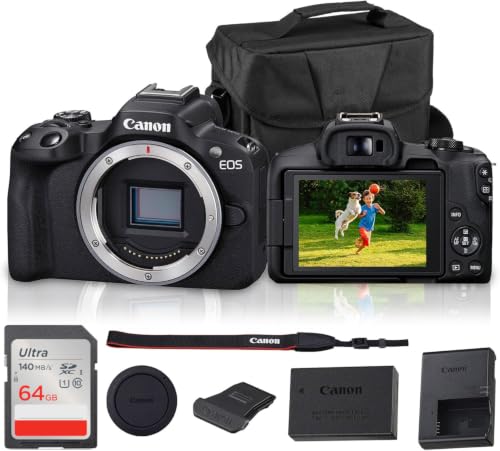

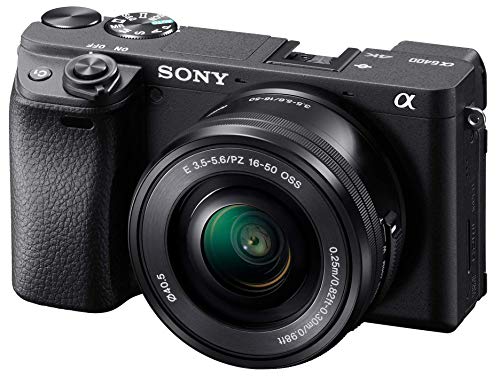


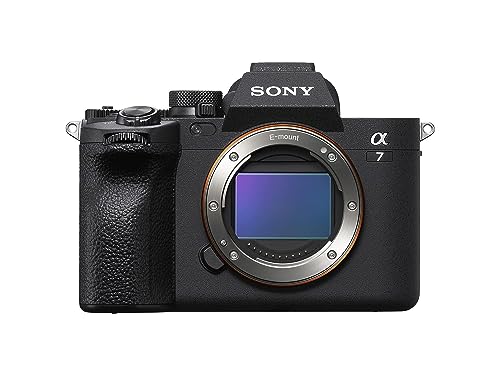

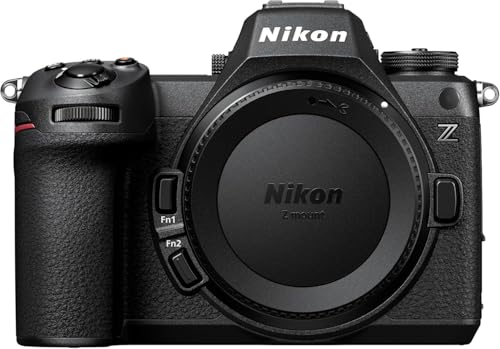
Who Should Buy a 4K Mirrorless Camera?
Buy this type when you want interchangeable lenses and serious 4K video. If stills matter far more than filming, see our guide to the best mirrorless cameras.
Hybrid Stills and Video Shooters
You photograph an event in the morning and film clips from the same spot later. Choose a body with reliable eye autofocus, in body stabilization and both a microphone input and a headphone socket. A varied angle screen helps for eye level stills and low video angles. Prioritize a mount with a bright standard zoom.
Solo Creators Who Film Themselves
You set the camera on a tripod, step in front of it and need focus to hold on your face without a helper. Face and eye detection, a screen that faces forward and clear audio controls matter more than the highest frame rate. Easy phone transfer helps you publish fast. Keep the kit light, because a simple setup gets used on busy days.
Travel Photographers With One Small Kit
You walk all day, shoot landscapes and street scenes, and film short clips. Smaller APS C and Micro Four Thirds bodies with compact lenses keep the bag manageable, so see our guide to the best small mirrorless cameras if weight leads your choice. Weather sealing and one spare battery matter outdoors. Choose one versatile zoom rather than three lenses you rarely mount.
Key Features to Compare
When you shortlist the best 4k mirrorless cameras, compare the factors below in order. Sensor and lens choices are hard to change later, while most video settings can be adjusted once you own the body.
How Sensor Size Shapes Stills and 4K Footage
Sensor size shapes low light results, depth of field and camera size. Full frame sensors gather the most light and give the shallowest depth of field, but bodies and lenses cost and weigh more. APS C sensors balance quality, price and size for most buyers, while Micro Four Thirds sensors allow the smallest lenses. Megapixels alone tell you little, because lens quality and light change sharpness more than a small count gap.
4K Video Specs and Recording Limits
Look past the 4K label to frame rates, crop and color depth. Recording at 60 frames per second suits smooth motion and slow motion edits, while 24 or 30 frames per second suits most everyday footage. Some bodies crop the image at higher frame rates, which narrows your view. Color options such as 10 bit recording and log profiles give editors more grading room, but they add file size. For other body styles, see our guide to the best cameras 4k.
Autofocus Speed and Subject Tracking
Autofocus decides how much footage stays usable when people, pets or vehicles move. Eye detection holds focus on a person even when they turn or step closer, and animal and vehicle modes help with subjects beyond portraits. Touch focus lets you shift the focus point quietly during a clip. Test focus in dim rooms if you film indoors, because some systems hunt when light falls, even when daylight speed looks excellent.
Image Stabilization
Image stabilization steadies handheld stills and video, and it matters most when you film while standing, walking slowly or using a longer lens. In body systems move the sensor to counter shake and can work with many lenses, including older manual ones. Lens based systems steady the view in the finder, which helps at long focal lengths. No stabilization replaces a tripod for long exposures or locked off interviews.
Lens Mount, Optical Zoom and System Cost
The mount you choose decides which lenses you can buy for years, so count native lenses before body features. Optical zoom changes focal length through glass and keeps full image quality, while digital zoom crops the image and softens detail. A lower f stop number passes more light and blurs backgrounds more, but bright zooms add size and cost. If you own lenses from one brand, see our guide to the best nikon mirrorless cameras.
Screens, Sound, Battery and Sealing
An electronic viewfinder helps in bright sun, and a swivel screen helps with high, low and self filmed angles. A microphone input improves dialogue far more than most video settings, and a headphone socket lets you catch wind noise early. Still shooting may allow hundreds of shots per charge, while 4K recording drains a battery far faster. Weatherproof sealing helps in light rain and dust, but it is not waterproofing.
How Other Camera Types Compare
Other camera types can be the smarter buy when one job dominates. For a wider view of the market, see our guide to the best digital cameras before you commit to a lens system.
Dedicated Vlogging Cameras
Vlogging cameras favor compact bodies, forward facing screens and simple video menus, and some use a fixed lens to keep the kit small. They suit creators who film themselves daily and rarely shoot stills. Choose a mirrorless body instead when you want lens choice, better low light video or a viewfinder.
Action Cameras
Action cameras are tiny, rugged and made to mount on helmets, bikes and boards, with very wide fields of view. They suit sports clips where a larger camera would be at risk. Their small sensors and fixed lenses limit background blur, zoom and low light quality.
DSLR Cameras
A DSLR uses a mirror and an optical viewfinder, which some photographers prefer for a direct view and long battery life on stills. Video is where the gap shows, because many DSLR bodies limit 4K features and autofocus during filming. Choose mirrorless when live autofocus, silent shooting and modern video tools matter most.
Common Mistakes to Avoid
These errors cost money or footage, and each one is easy to prevent before you order.
- Buying on megapixel count alone leaves you with a camera whose video crop and lens cost do not fit your work.
- Ignoring the price of lenses and a spare battery makes the total system cost far higher than the body price suggested.
- Choosing 4K at 60 frames per second without checking the crop can turn your wide lens into a narrow one.
- Recording a long event on one battery and one card risks a shutdown or a full card before the key moment.
- Skipping a microphone check before an interview lets wind and room echo ruin footage that looks fine on screen.
Care and Maintenance
Clean lens glass with a lens cloth, not your shirt, because grit in fabric can scratch coatings. Use a blower before you wipe, and keep caps on lenses when they are off the body. Sensor spots show most in plain skies, and sensor cleaning beyond a blower is best left to a service shop if you are unsure.
Store the camera in a dry padded bag, carry a spare battery on long shoots, and update the firmware for autofocus fixes. Remove the battery during long storage, and keep cards in a hard case. Dry a damp camera before you seal it in the bag.
FAQ
Is a smartphone enough instead of a 4K mirrorless camera?
A smartphone is enough for casual clips, quick posts and travel notes. A mirrorless camera pulls ahead when you need lens choice, cleaner low light video and steady focus during long recordings. Calls and notifications can also interrupt phone filming at the worst moment. If you publish often, that control gap, rather than resolution alone, is the real reason to upgrade.
What specs matter most for a beginner buying a 4K mirrorless camera?
Easy menus, dependable autofocus and a kit lens you will keep mounted matter most for a beginner. Set the camera to full auto for your first outings, then learn one control at a time, starting with exposure compensation. A body that feels balanced in your hands gets carried more. Skip advanced color profiles until basic clips look consistent.
How much should you spend on a first 4K mirrorless camera?
Plan on about $600 to $1,200 for a capable first kit with a standard zoom. Reserve roughly a third of your total budget for extras a body only purchase hides, such as fast cards, a spare battery and a bag. Spending everything on the body leaves nothing for the lens that shapes your images most.
Does a 4K mirrorless camera need special memory cards for 4K video?
Yes, 4K video needs cards with a sustained write speed rating that matches the bit rate you record at. Cards marked V60 or V90 are made for high bit rate video, while slower cards can stop a recording mid clip even when they store stills well. Check the manual for your chosen frame rate before you buy cards. Format each card in the camera before an important shoot.
What helps low light video more, a larger sensor or a brighter lens?
A brighter lens is often the better first upgrade for low light video. Moving from a kit zoom to a lens that opens one or two stops wider lets in far more light on the sensor you already own, for less money than changing bodies and mounts. A larger sensor still helps at very high ISO settings. Add light to the scene first when you can.
The Bottom Line
Match the sensor and lens mount to your subjects, confirm the 4K mode you need has no crop or heat limit, and leave budget for sound and a spare battery. Use the product table above to compare size, video modes and price.
Chosen with that order in mind, the best 4k mirrorless cameras stop being a spec contest and become a tool that fits your hands, your lenses and your next year of shooting.


