
Best 4K Cameras for Every Need: How to Pick the Right One for 2026
Disclosure: We may earn a commission when you buy through links on this page, at no extra cost to you. As an Amazon Associate I earn from qualifying purchases. Learn more

Best 4k cameras compared by type: mirrorless, vlogging and action. See which features to prioritize and which to skip for your kind of shooting.
Anyone telling you there is one winner among the best 4k cameras is skipping the part where your needs matter most. A camera for family trips, one for vlogging, and one for sports and adventure all record 4K video, but they differ in sensor size, lenses, stabilization, and toughness. This guide explains the main camera types, the features that matter, and the mistakes to avoid. The product table below lists current models to compare as you read.
Start with how and where you will shoot, then choose the type and features that match.
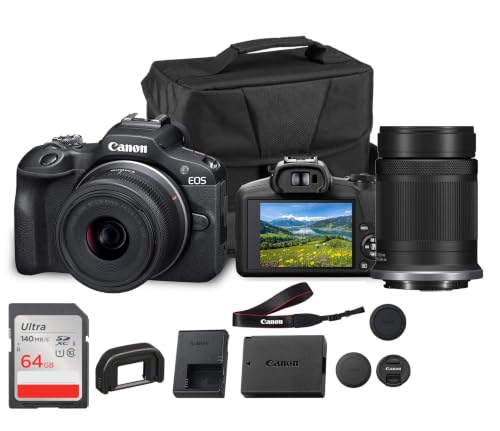

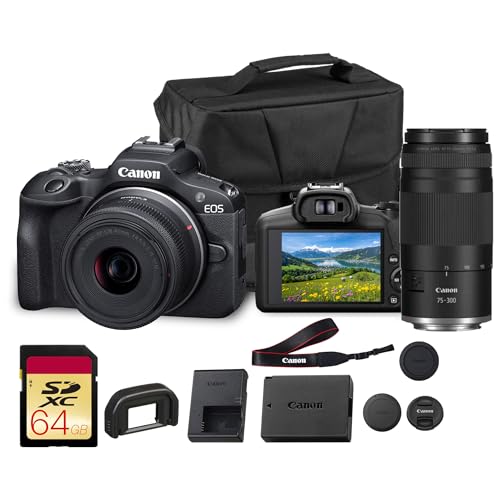
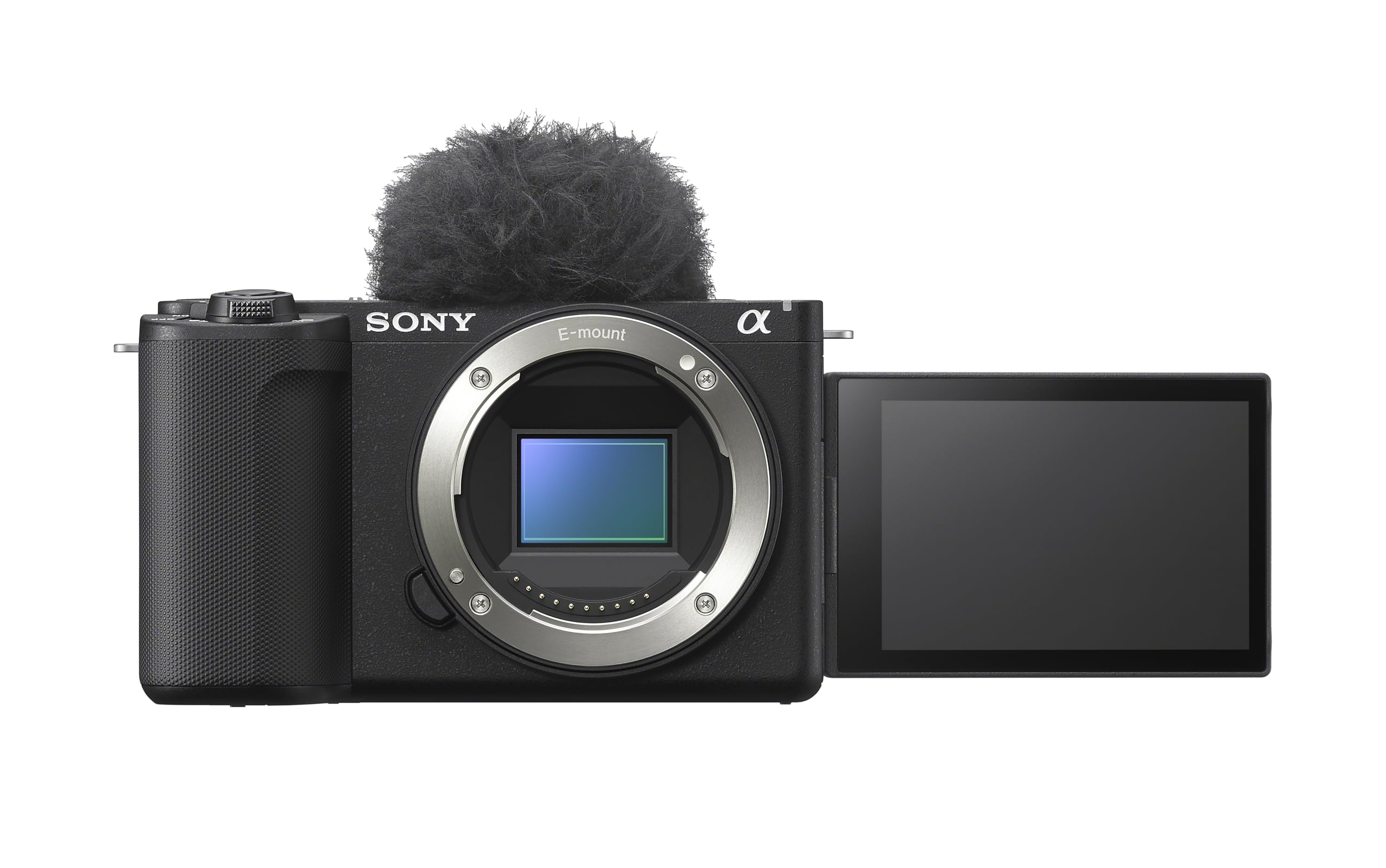

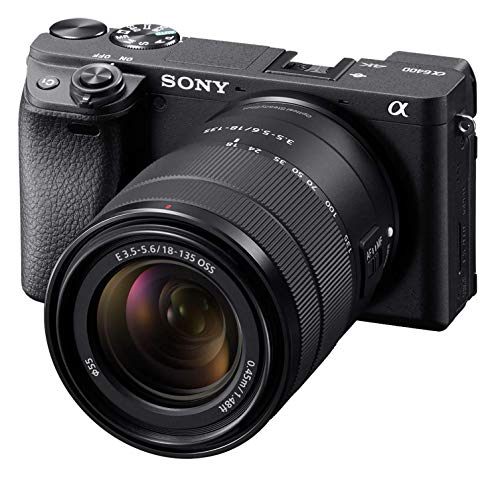


Types of 4K Cameras
Mirrorless Cameras
Mirrorless cameras have large sensors and interchangeable lenses, so they deliver the best image quality, strong low light results, and a natural blurred background. They suit photographers who also shoot video, travel creators, and filmmakers. The trade off is size, price, and the cost of lenses.
Vlogging and Compact Cameras
These cameras are small, light, and built for creators who film themselves. They typically have a flip screen, a built in microphone, good autofocus, and stabilization. Their fixed lenses and smaller sensors limit low light performance compared with mirrorless models.
Action Cameras
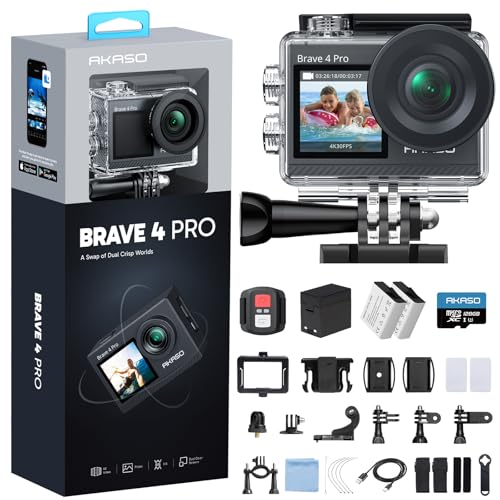
Action cameras are rugged and waterproof, with very wide lenses and strong stabilization. They mount to helmets, bikes, and boards, which makes them perfect for sports and adventure. The trade off is small sensors and limited zoom. See our guide to the best 4k action cameras for more on that type.
Camcorders and Pocket Cameras
Camcorders have long optical zoom and long recording times, which suits events, school performances, and travel. Pocket cameras offer simple 4K video at a low price, but image quality is limited in dim light.
Who Should Buy Which 4K Camera?
Beginners and Families
Choose a camera with simple controls, reliable autofocus, and image stabilization. An entry mirrorless camera with a kit lens or a compact vlogging camera is easy to use and records sharp video of kids and travel.
Creators and Filmmakers
Look for a larger sensor, interchangeable lenses, a microphone input, and a flip screen. These features give you control and better quality. See our guide to the best 4k vlogging cameras for a dedicated look.
Travelers and Adventurers
Weight, battery life, and toughness matter most. An action camera or a small mirrorless body with a versatile lens works well on trips.
Key Features of the Best 4K Cameras
Sensor Size and Image Quality
A larger sensor collects more light, producing cleaner video in dim settings. Full frame and APS C sensors lead, followed by one inch, and then the small sensors found in action cameras and phones.
Autofocus
Face and eye tracking keeps people sharp in video. Check that the autofocus works in 4K and in low light.
Image Stabilization
Stabilization smooths handheld footage. In body stabilization, lens stabilization, and electronic stabilization all help, and action cameras rely on electronic systems that perform well.
Frame Rates and Recording Limits
Most 4K cameras record at 24, 30, and sometimes 60 frames per second. Check whether 4K is cropped or time limited, since heat can stop long recordings on some models.
Lens and Zoom Range
Interchangeable lens cameras let you choose wide, standard, or telephoto lenses. Fixed lens cameras rely on built in optical zoom, which keeps detail sharp, unlike digital zoom that enlarges pixels.
Audio
A microphone input and a headphone jack let you capture and monitor clear sound. Built in microphones suit casual use.
Battery and Storage
4K video drains batteries and fills memory cards fast. Carry a spare battery, and use a fast card matched to the recording bitrate.
Choosing by Budget
Under About $200
Pocket cameras and entry action cameras fill this tier. They record 4K video, but image quality, stabilization, and low light results are basic. They suit casual clips, kids' sports, and a first try at video.
About $200 to $700
Here you find stronger action cameras, vlogging cameras, and entry mirrorless bodies. Autofocus improves, stabilization gets smoother, and microphone inputs become common. This tier suits most buyers.
Above $700
Higher priced mirrorless cameras bring larger sensors, better autofocus tracking, advanced recording options, and sturdy bodies. They suit creators who edit and publish regularly and want room to grow.
Accessories Worth Buying
A few inexpensive extras improve results more than a more expensive body. Choose a fast memory card so recording does not stop mid clip, and keep a spare battery for events and trips. An external microphone makes voices clearer, and a small tripod or grip steadies your shots. A padded case protects the camera in a bag, and a lens cloth with a blower keeps the glass clean. If you shoot outdoors, consider a waterproof housing or a rain cover.
Think about your editing plan too. 4K files are large, so make sure your computer and storage can handle them. Many creators edit lower resolution proxy files for speed and export the final video in 4K.
Common Mistakes to Avoid
- Choosing only on resolution and ignoring sensor size and lens quality.
- Buying a camera that is too large or heavy to carry, so it stays at home.
- Forgetting memory cards, a spare battery, and a microphone in the budget.
- Skipping a check for recording limits and overheating.
- Assuming every camera records 4K at high frame rates without a crop.
Looking for a lower price? Our guides to the best affordable 4k cameras and the best cameras with 4k video cover more options.
Care and Maintenance Tips
- Clean the lens with a soft cloth and a blower, never with your shirt.
- Store the camera in a dry bag, and remove the battery for long storage.
- Keep the firmware updated to improve autofocus and fix bugs.
- Wipe off sand, salt, and moisture after outdoor use.
- Back up footage regularly to external drives or the cloud.
Frequently Asked Questions
Is a smartphone enough instead of a 4K camera?
For everyday clips, yes. A dedicated camera offers a bigger sensor, optical zoom, better audio, and longer recording times.
How much should I spend on my first 4K camera?
Many people find good options between $400 and $900. Set aside money for cards, a battery, and a case.
Which camera type is better for low light?
Mirrorless cameras with larger sensors and fast lenses perform best in low light.
What specs matter most for beginners?
Reliable autofocus, image stabilization, simple menus, and a flip screen matter more than the longest spec list.
Do I need 4K at all?
4K gives sharper video and room to crop, but 1080p still looks good on small screens. Choose 4K if you edit video or watch on a large TV.
Our Verdict
Choose the type that fits how you shoot, then check sensor size, autofocus, stabilization, and audio. Use the product table above to compare current models. The best 4k cameras are the ones you will carry and use, with features that match your subjects.


