Best 4K Action Cameras for 2026: Matching the Right Model to Your Routine
Disclosure: We may earn a commission when you buy through links on this page, at no extra cost to you. As an Amazon Associate I earn from qualifying purchases. Learn more

Compare the best 4k action cameras by use case, from travel and daily clips to creator work, with clear notes on stabilization, battery life, and budget.
There is no single action camera that suits every trip, ride, and shoot day. The best 4k action cameras for a mountain biker are not the right pick for a daily vlogger, because mounts, battery demands, and audio needs change with each routine. This guide sorts the choices by how you actually film, so you can match a camera type to your habits instead of paying for features you will never open.
Use the comparison table below to see how the main types line up on size, stabilization, and price. Then read on for the user groups and features that matter in each situation. Our guide to the best action cameras covers the wider category if you are still narrowing the field.


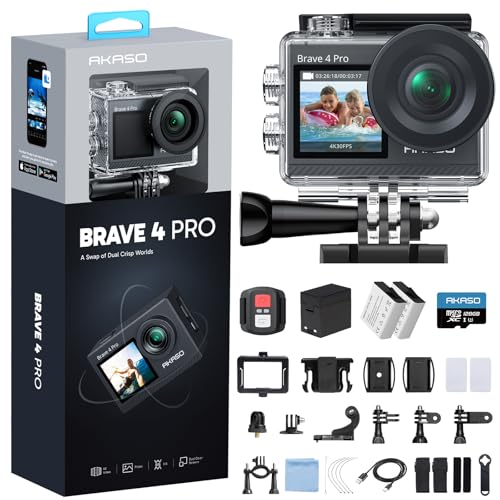
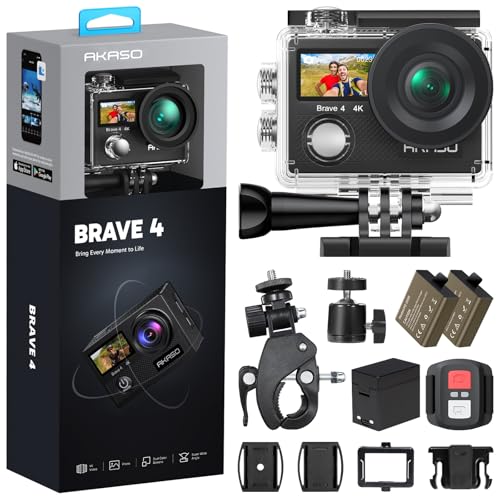

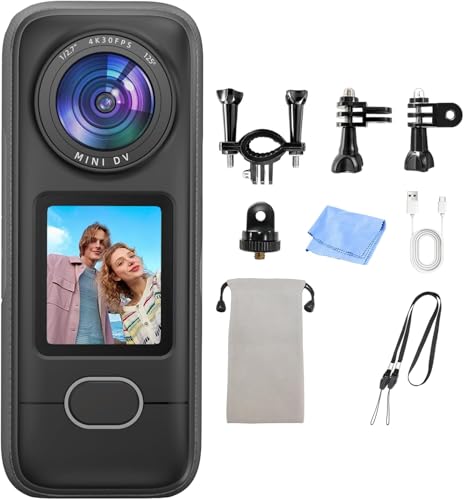

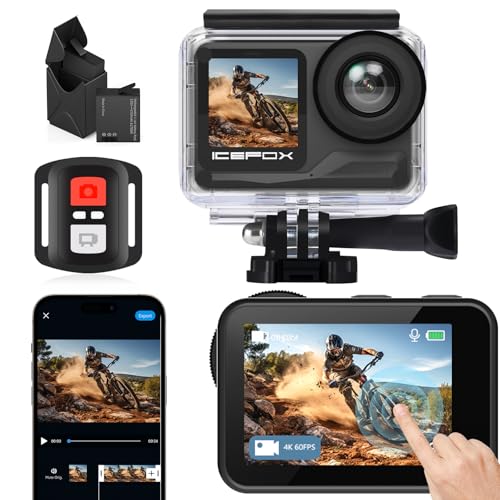


Who Should Buy Which 4K Action Cameras?
Start with the way you move through a typical filming day. The four groups below cover most buyers, and each one points to a different balance of size, durability, and control.
For Travelers and Commuters
Travelers need a camera that disappears into a jacket pocket and survives being tossed into a day bag. Look for a body under about 5 ounces, a waterproof rating that handles rain and splashes without a case, and battery life that covers a full day of short clips. Simple one button recording matters more than deep menus when a moment lasts five seconds. A compact model with strong electronic stabilization covers walking tours, train rides, and city breaks well.
For Gamers and Power Users
Streamers and technical users push a camera harder, filming fast action for slow motion playback or feeding a live stream for hours. Prioritize high frame rates such as 4K at 120 frames per second, low latency webcam output over USB C, and fast WiFi transfers to a computer. These users also benefit from replaceable lens covers and accessory ports, because a scratched lens or a dead port ends a session. Creators weighing dedicated video bodies can also check our guide to the best action video cameras. Cooling matters too, since long 4K recordings can overheat small bodies in warm rooms.
For Students and Everyday Users
Students and casual users film family days, school sports, and weekend trips, and they need the camera to just work. Dependable auto exposure, clear on screen prompts, and a price around $150 to $300 matter more than pro color profiles. Battery life of about 90 minutes per charge handles most outings without a spare. A simple companion app that trims and shares clips to a phone saves time, because footage that stays on a memory card rarely gets watched.
For Remote Workers and Creators
Creators and remote workers film talking segments, tutorials, and product clips where voices must sound clean. Prioritize a front facing screen for framing yourself, support for an external microphone, and steady color in indoor light. A camera that doubles as a webcam over a single cable simplifies desk setups. Reliability counts most here: consistent white balance and files that drop straight into editing software save more time than any headline resolution figure.
Best 4K Action Cameras for Specific Needs
Some buyers shop with one firm limit rather than a use case, and a price ceiling is the most common. The section below explains what a midrange budget actually buys in this category.
Best 4K Action Cameras under 400
Spending under $400 still gets you 4K recording at 60 frames per second, mature electronic stabilization, and a waterproof body in most current lines. What you give up versus flagship models is sensor size, so low light clips show more grain, and battery life per charge is usually shorter. For most travel, sports, and family filming, this tier is the sensible ceiling, and the money saved covers mounts and spare batteries. Our guide to the best inexpensive action cameras covers the tier below this one.
Key Features to Compare
Autofocus and Stabilization
Action cameras use fixed focus lenses, so everything from about a foot away to the horizon stays sharp without any focusing step. That design removes autofocus worries entirely and puts stabilization at the center of image quality. Electronic stabilization crops the frame slightly and smooths bumps in the camera, while a small gimbal adds mechanical smoothing for very rough trails. Horizon lock keeps the frame level during turns, which matters for biking and skiing clips. Judge stabilization at the frame rate you plan to use, because some modes disable the strongest smoothing at the highest rates.
Lens and Zoom Range
The lens on an action camera is fixed and very wide, usually covering about 150 degrees, which captures handlebars, trails, and groups without careful aiming. There is no optical zoom, so the zoom settings in the menu crop the sensor image and lose detail as you push in. A narrower linear field of view reduces the curved edge look for talking segments and city scenes. If you often film subjects at a distance, plan to move closer or crop in editing rather than relying on digital zoom. A replaceable lens cover is worth having, because the front element sits exposed.
Battery Life and Charging
Recording in 4K drains a small battery fast, and most models manage about 60 to 120 minutes per charge depending on frame rate, screen use, and temperature. Cold weather shortens that figure, so winter sports users should carry spares kept warm in an inside pocket. USB C charging is now standard and lets you top up from a power bank between sessions. Removable batteries beat sealed designs for long days, because swapping takes seconds. Check whether the camera can record while charging if you plan long timelapse or streaming sessions.
Sensor Size and Image Quality
Sensor size shapes low light quality more than the megapixel count on the box. Larger sensors around the 1 inch class gather more light and hold detail in shade, tunnels, and evening streets, while smaller sensors lean on processing that can smear fine texture. A higher bit rate recording mode also helps, because it keeps more data in fast moving scenes like water and foliage. For daylight sports the differences shrink, and stabilization quality matters more. Buyers who film at dawn, dusk, or indoors should weight sensor size heavily. If stills matter as much as video, compare notes with our guide to the best cameras 4k before deciding.
Size, Weight, and Ergonomics
A few grams matter when a camera rides on a helmet or chest mount for hours, and lighter bodies also strain adhesive mounts less. Buttons should be pressable with gloves, and the record button should be findable by touch without looking down. Touchscreens are convenient at a desk but respond poorly to wet fingers, so voice control or a big physical button helps on the water. Consider the mount ecosystem too, because the standard two prong mount keeps old accessories useful. Compact square bodies pack easiest, while taller bodies fit some grips better.
Common Mistakes to Avoid When Buying 4K Action Cameras
- Choosing by resolution alone, then finding the stabilization too weak for the sports you film.
- Ignoring the waterproof depth rating and taking a splash proof body swimming, which can flood it.
- Buying a bargain model with a sealed battery, then losing half of every long day to charging stops.
- Skipping the memory card speed rating, so the camera stops recording when the card cannot keep up with 4K files.
- Forgetting the warranty and support terms, which matter on a camera built to be dropped and soaked.
Care and Maintenance Tips
Wipe the lens with a clean lens cloth rather than a shirt, because grit trapped in fabric scratches the coating. Rinse the camera in fresh water after ocean use and let it dry fully before opening any door or port. Store it in a dry, padded bag with a spare battery removed, and charge batteries to about half before long storage. Never look at the sun while lining up a shot outdoors, and avoid leaving the lens aimed at the sun, since concentrated light can damage the sensor.
4K Action Cameras: Your Questions Answered
Which Type of 4K Action Camera Is Better for Low Light?
A camera with a larger sensor is better for low light, because it gathers more light per pixel and keeps noise down. Lowering the frame rate to 30 frames per second also helps, since each frame gets a longer exposure. Night or low light modes add processing that brightens shadows, though fine detail softens. For evening city walks, pair the camera with slower, steadier movements to avoid motion blur.
What Specs Matter Most in a First 4K Action Camera?
Stabilization quality, battery life per charge, and a waterproof body matter most for a first camera. Add one practical point many buyers miss: check that the mounting system matches the helmets, bars, and grips you already own, because mounts add up in cost. A clear, simple app also matters, since you will trim and share from your phone far more often than from a computer.
Is a Smartphone Enough Instead of a 4K Action Camera?
A smartphone films well on smooth ground, but it is fragile, hard to mount, and risky to expose to water, dust, and crashes. An action camera survives drops that would crack a phone screen and mounts to helmets, boards, and handlebars with both hands left free. Phones also overheat sooner during long 4K recording. If your filming involves motion, weather, or any real chance of a fall, the dedicated camera is the safer tool.
How Deep Can a 4K Action Camera Go Underwater Without a Case?
Most current models are rated for about 33 to 52 feet with all doors sealed, which covers swimming, snorkeling, and shallow diving. The rating assumes the seals are clean and the doors fully latched, so check for sand or hair on the gaskets before closing them. Buttons can behave oddly under pressure at depth, so start recording before descending. A separate housing extends the depth and adds protection for scuba use.
How Much Should I Spend on My First 4K Action Camera?
About $200 to $350 buys a capable first camera with strong stabilization and a waterproof body. Spending less usually means weaker stabilization, which is the feature you notice in every clip. Keep part of the budget for a fast memory card, a spare battery, and one or two mounts, because those extras shape daily use more than a small spec gain. Prices vary by season, so compare the total kit cost rather than the camera alone.
Our Verdict
Match the camera to your routine first, then compare stabilization, sensor size, and battery life within that group. Travelers and students do well with compact midrange models, while creators should pay for microphone support and a front screen. The best 4k action cameras for you are the ones whose strengths line up with your filming days, so use the product table above to compare the types side by side before you order.