
Best 4K Camera Phones: A First Time Buyer's Guide for 2026
Disclosure: We may earn a commission when you buy through links on this page, at no extra cost to you. As an Amazon Associate I earn from qualifying purchases. Learn more

Shopping for the best 4k camera phones for the first time? Learn the terms, compare options, and avoid rookie mistakes with this easy guide.
Buying your first phone mainly for its camera can feel confusing, because every box lists big numbers that sound alike. This guide explains the best 4k camera phones in plain language, starting with what 4K video actually means and ending with a simple way to choose. You will learn which specs change your photos and clips, which ones matter less, and how to read the comparison table below without guessing.
Work through the sections in order if you are new to camera terms. You will learn the basics, then the five specs that decide most purchases, then the setup steps that protect your phone from day one. By the end, you can read any listing and judge quickly whether it fits the way you shoot.
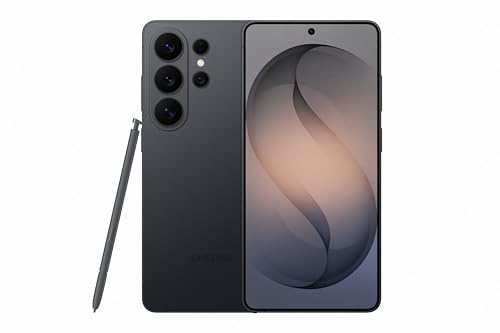


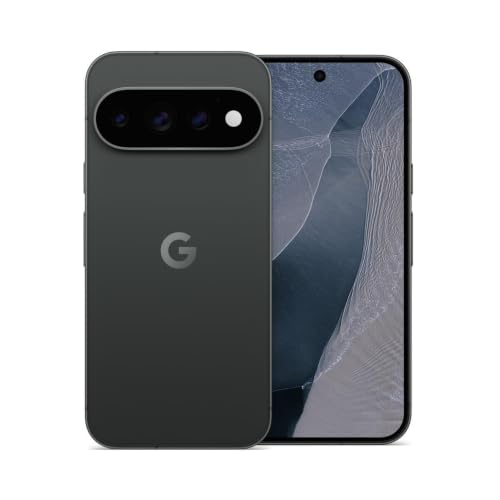

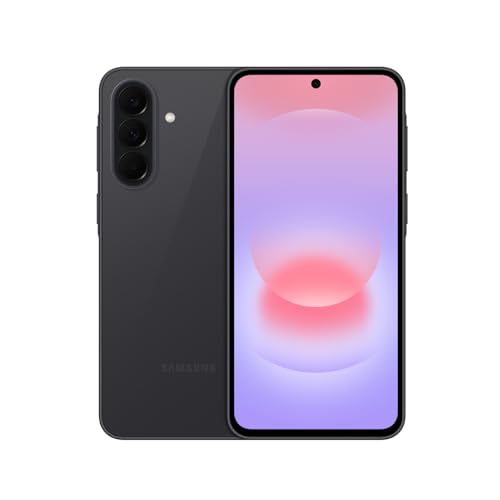
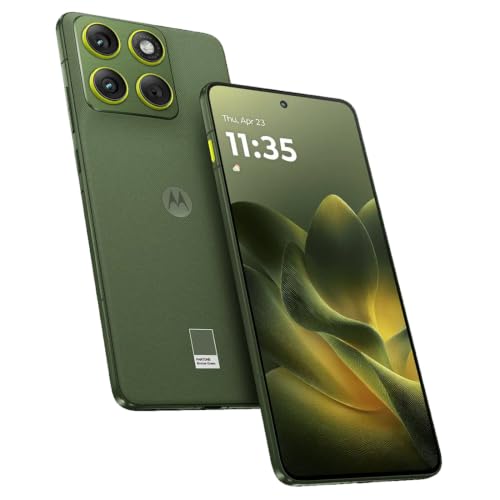
4K Camera Phones 101: The Basics for First Time Buyers
A 4K camera phone records video at about four times the detail of standard high definition video, so faces and signs stay clearer on a large screen or after you crop a clip. The number describes video resolution only. It tells you nothing by itself about color, low light quality or how steady the footage looks while you walk, and those points often matter more in daily use.
When you compare the best 4k camera phones as a group, think of them as camera focused phones built around three parts: lenses that gather light, a sensor that captures it, and software that cleans up the result before you see it. If you want a broader view of photo quality beyond video, see our guide to the best phones with good camera quality. Strong hardware with weak software still gives dull results, so judge the full system, not one headline number.
Reading the Specifications of a Video Focused Phone
Read each spec below the same way: what it is, what changes when the number rises, and what a first time buyer should pick. Start with the camera system if video is your main reason to buy, then check the screen, battery and support window.
The Screen You Use to Frame and Review Clips
The display is where you frame shots, check focus and review clips, so a poor screen can hide good camera work. An OLED panel gives deeper blacks and stronger contrast than older LCD panels, which helps you judge night mode shots before you share them. Look for a refresh rate of 120Hz if you can, because scrolling and panning look smoother as you review footage. Outdoor brightness matters most of all: a screen rated around 1,500 to 2,000 nits stays readable in sun, while a dim screen forces you to guess exposure outdoors.
Update Promises and How Long Camera Features Keep Improving
Software updates add camera features, fix bugs and patch security flaws long after you buy the phone. A phone that gets new image processing each year can take better photos in year three than it did at launch. For a first purchase, aim for at least four years of system updates and five years of security patches, and check the promise in writing before you pay. A low price means little if support ends in two years and your banking apps start warning you about an old system.
Camera System for Photos and 4K Video
Most camera phones carry three rear lenses. The main lens handles daily photos and most video, an ultrawide lens fits groups and buildings into one frame, and a telephoto lens brings distant subjects closer without digital blur. Judge the main lens first: a larger sensor gathers more light, so night mode shots hold detail instead of turning soft and grainy. For video, check that 4K recording works at 60 frames per second and that stabilization stays on at that setting, because shaky clips cannot be fixed later. For a wider look at phone cameras as a category, see our guide to the best mobile phone cameras and note how lens counts differ.
Battery Life and Charging Speed
Recording 4K video drains a battery faster than almost any other phone task, because the sensor, processor and screen all work hard at once. Battery size is listed in mAh, and most large phones today hold about 4,500 to 5,500 mAh, which should cover a full day of mixed use with an hour or two of filming. Charging speed matters on travel days: fast wired charging can refill about half the battery in roughly 30 minutes on many models. Wireless charging is slower but handy on a desk, and it reduces wear on the charging port over years of daily use.
Build, Durability, and Water Resistance
A camera phone goes where the photos are, including rain, pools and dusty trails, so build quality protects your purchase. An IP68 rating means the phone can handle dust and a short dip in fresh water, which covers rain and most accidental splashes at the sink or pool edge. Strong cover glass, often sold under the Gorilla Glass name, lowers the odds of a cracked screen after a short drop onto pavement. Ratings assume the phone is new and undamaged, so a case and a screen protector remain the simplest guard for a device you hold up in crowds.
Rookie Mistakes to Avoid When Buying Your First 4K Camera Phone
First time buyers tend to repeat the same errors, and each one below costs money or picture quality.
- Choosing a phone by megapixel count alone leaves you with large files but soft low light photos.
- Skipping the storage check fills a small phone within months, because 4K clips use far more space than photos.
- Ignoring the update window leaves you with a camera that stops gaining features and security fixes early.
- Buying a carrier locked phone at a discount limits your choice of plans and lowers resale value later.
- Testing the camera only in a bright store hides weak night mode results that show up at home.
Getting Started: Setup and First Use of a 4K Camera Phone
Start by fitting a case and a screen protector before your first outing, while the glass is still clean and free of scratches. Wipe the screen, align the protector slowly from one edge, and press out air bubbles with a soft card. Then open the camera app and set video quality to 4K at 30 frames per second for daily clips, a setting that balances detail, file size and smooth motion.
Next, turn on automatic software updates and set a cloud backup for photos and video, because a lost phone should not mean lost memories. Walk through the camera modes once at home: photo, portrait, night mode and video, and take a test shot in a dim room to learn how your phone behaves in low light. Clean the lens with a soft cloth before important shoots, since pocket lint and fingerprints soften images more often than any spec limit. Before you order, see our guide to the best phones by camera to compare models ranked by camera strength alone.
FAQs About Buying Your First 4K Camera Phone
Is a mid range phone good enough for 4K video and photos?
Yes, a mid range phone is good enough for most first time buyers who shoot in daylight and share clips online. Mid range phones, often about $300 to $600, now record clean 4K video and take sharp main lens photos. What you give up is usually reach and polish: telephoto lenses may be missing, and night shots show more grain. If your budget is tight, spend on storage and a case first.
Should a first time buyer choose an unlocked 4K camera phone?
Yes, an unlocked phone is the safer first choice for most buyers because it works with any major carrier. You can switch plans when prices rise, use a local SIM card while traveling, and sell the phone later to a wider pool of buyers. Carrier deals can look cheaper at first, but the discount often comes back through a long payment plan that ties you to one network. Check that the unlocked version lists the same 5G bands your carrier uses before you order.
How many years of updates should a 4K camera phone get?
A 4K camera phone should get at least four years of system updates and five years of security patches. That window keeps camera features current and keeps banking and payment apps working without warnings. One point buyers miss is resale: a phone with two or more years of support left sells faster and for more money than one near the end of its window. If two phones cost the same, pick the one with the longer written promise.
Is 5G necessary on a 4K camera phone for uploading video?
No, 5G is not necessary, but it makes sharing large 4K clips away from home much faster when coverage is strong. A one minute 4K clip can take a long while to upload on a weak 4G signal, while city 5G can finish far sooner. At home, WiFi does the same job for free. Choose 5G if you post video from events or trips, and skip worrying about it if most uploads happen on your home network.
How much storage does a 4K camera phone need for video?
Most first time buyers should choose 256 GB of storage for a 4K camera phone. One minute of 4K video can use about 350 to 400 MB at common settings, so one holiday afternoon of filming can fill 10 GB or more with photos added. A 128 GB phone can work if you offload clips to a computer or cloud account each month. Few phones still accept memory cards, so treat the storage you buy as the storage you keep for the life of the phone.
Wrapping Up
Keep your short list simple. Put the camera system first, with a strong main lens, steady 4K video and a night mode you trust. Then confirm the support window, battery size and storage, and let the OLED screen and IP68 rating settle close calls between similar prices. That order keeps a low price from hiding a weak camera.
Put simply, the best 4k camera phones reward buyers who learn the basics once and then stop chasing numbers. Pick the phone that fits your budget and your shooting habits, set it up well on day one, and use the product table above to confirm your final choice before you order.


