
Best 4GB RAM Tablets: A 2026 Checklist for Smart Buying
Disclosure: We may earn a commission when you buy through links on this page, at no extra cost to you. As an Amazon Associate I earn from qualifying purchases. Learn more

Run this checklist for best 4gb ram tablets before you buy: processor, screen, storage, battery, and update support, plus red flags that signal poor value.
A tablet with 4 GB of RAM can be a sweet spot for reading, streaming, classes, and light games, but only if the rest of the package is balanced. A weak processor or a dim screen can ruin a tablet that looks fine on a spec sheet. This article gives you the checklist to judge the best 4gb ram tablets, so you can score any model yourself in minutes.
Work through the criteria in order. Performance and software support decide how the tablet ages, the screen and battery decide how it feels each day, and storage decides whether you fight for space by month three. Keep the comparison table below beside the checklist, and mark each model against the thresholds in the next section before you look at price.
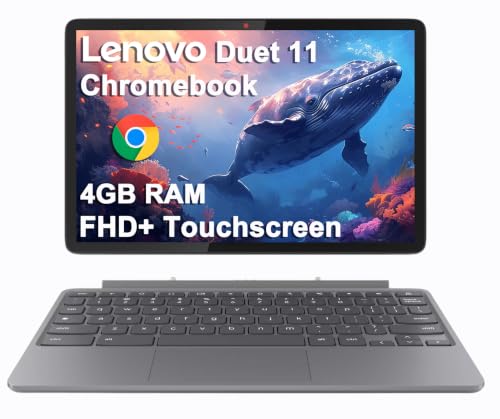
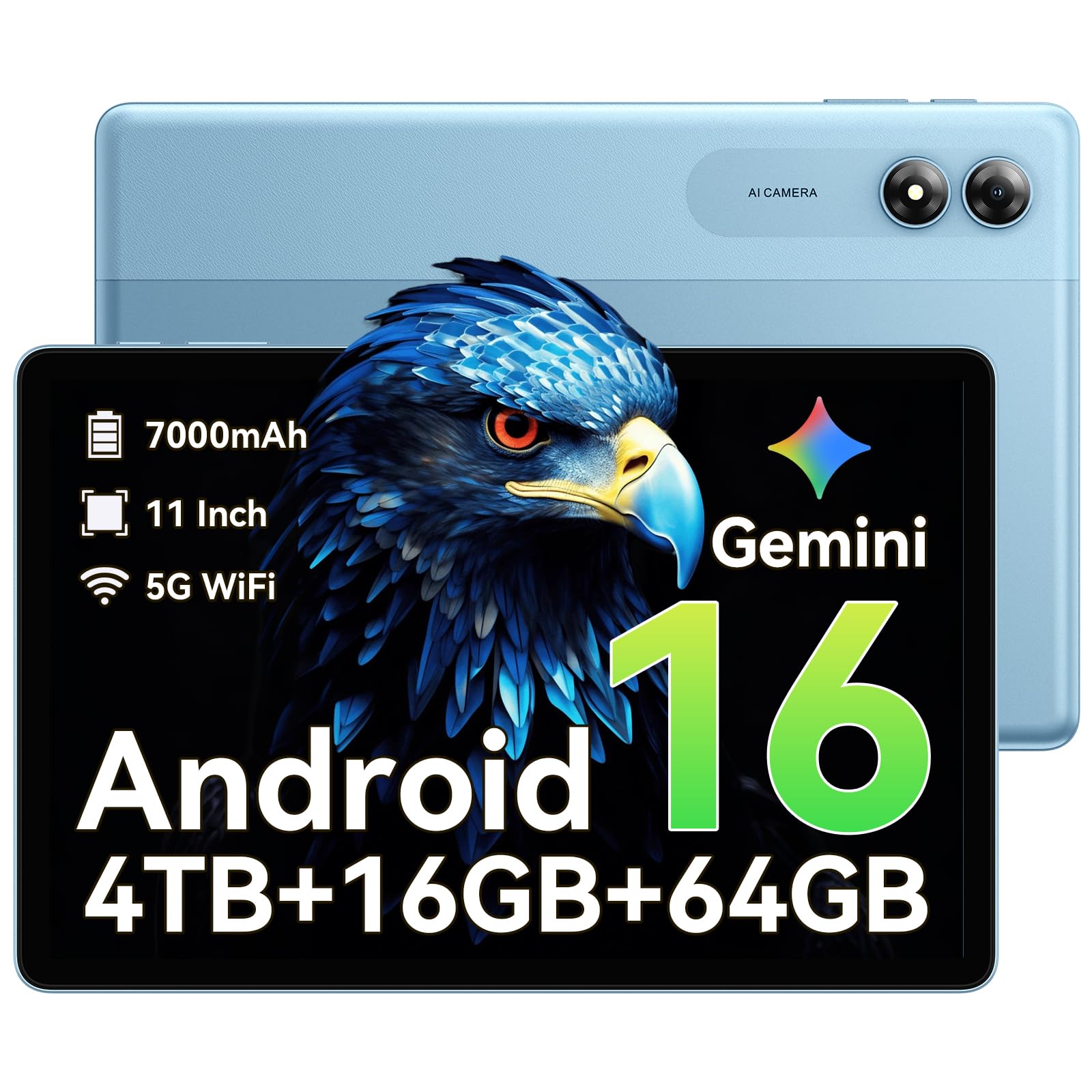
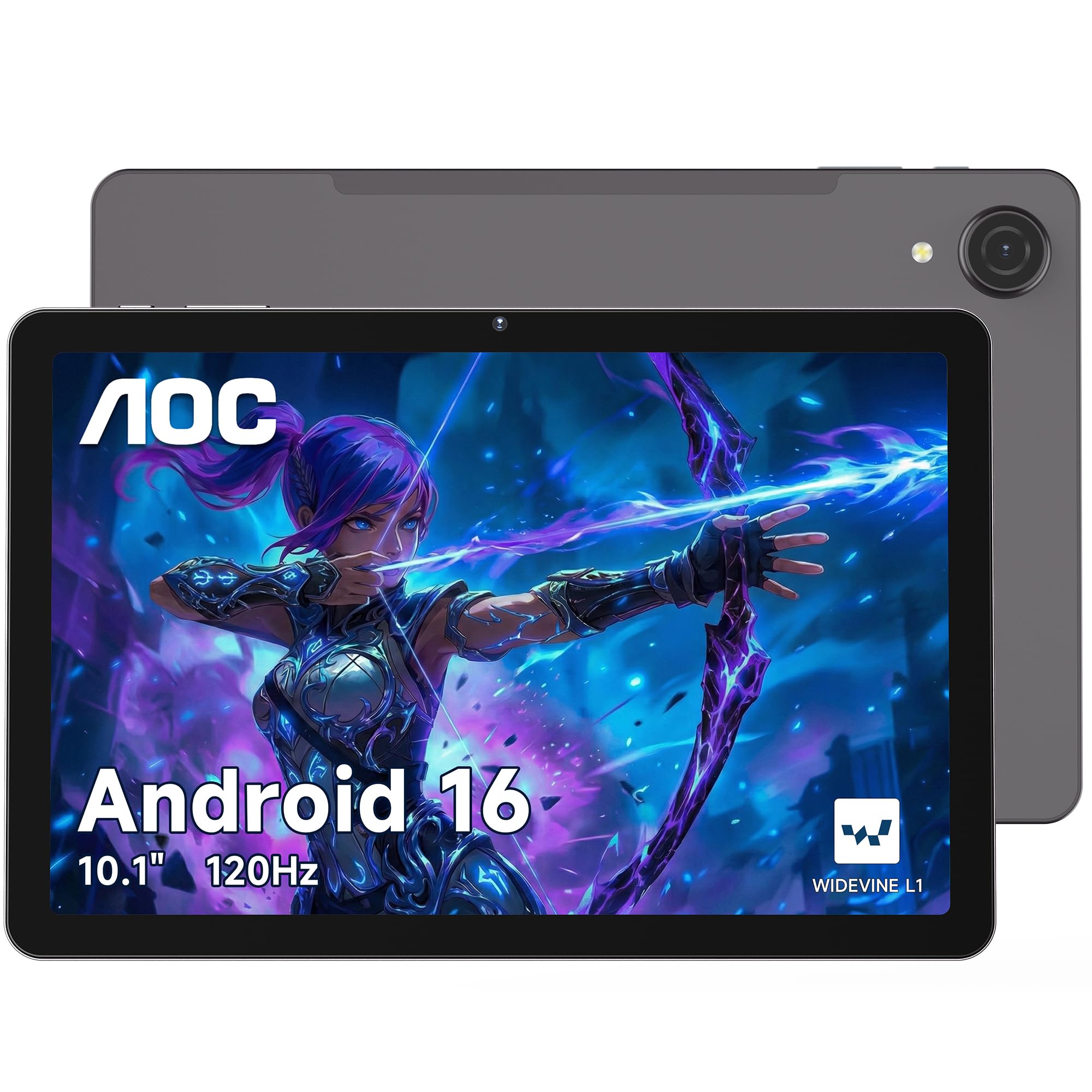


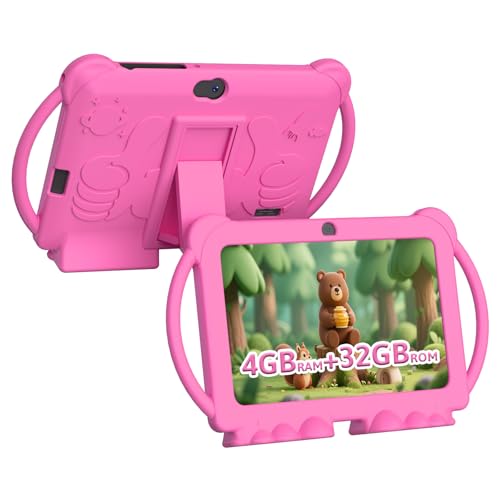


How to Evaluate 4gb Ram Tablets
Processor and Graphics Power
The processor is the first checkpoint, because 4 GB of RAM leaves little room for a slow chip to hide. A good sign is a recent mid range processor that opens apps promptly and holds frame rates steady in popular games at medium settings. A poor sign is an old entry level chip paired with a very high resolution screen, which forces the graphics to work harder for every frame. If the listing hides the processor name, treat that as a warning.
Memory Behavior and Multitasking
RAM size is fixed at 4 GB here, but memory behavior still varies. Some systems manage background apps well and return to your place in a book or class app without reloading. Others close apps aggressively, which slows note taking and switching between a browser and a document. Look for reviews of split screen use, and prefer models that let two light apps share the screen smoothly, since that is where this tier gets tested daily.
Storage Speed and Expansion
Storage is the silent deal breaker. Aim for at least 64 GB, because system files, apps, and offline video shrink what is actually free. A memory card slot is a strong plus, letting you move photos and downloads off the internal drive. Slow storage makes updates and app installs drag, so favor models with modern fast storage over a slightly larger but slow drive. Keep a fifth of the space free for smooth updates.
Screen, Build, and Speakers
You look at the screen for every minute of use, so judge it hard. A good panel is bright enough for a sunny room, sharp enough that text looks clean at reading distance, and free of harsh color shift at angles. Build signs matter too. Even seams, firm buttons, and a case that does not creak predict a longer life. Stereo speakers that face forward or sit on both short sides make classes and films far easier to follow.
Battery Life and Charging
Battery claims need translating. Video playback tests flatter every tablet, so look for mixed use reports with browsing, calls, and apps. A solid result at this tier is a full day of mixed use or about ten hours of video. USB C charging is now expected, and faster charging is a real plus for shared family tablets that get grabbed between uses. Check whether a charger is included, because some boxes now leave it out.
Software Support and Warranty
Update support decides how long the tablet stays safe and compatible. Prefer brands that state a clear number of years for system and security updates, and be wary of models with no stated policy. Warranty of at least one year is standard, and easy access to service or replacement screens matters if the tablet is for a child. If you also compare full computer style models, our guide to the best pc tablets shows how support policies differ at higher prices.
What Each Price Tier Usually Delivers
Budget Tier: The Essentials Done Well
At the budget tier, around $100 to $200, expect a capable screen for video and reading, a modest processor, and plastic build. This tier suits streaming, ebooks, kids homework, and video calls, as long as storage is at least 64 GB or expandable. Skip models here with very low resolution screens or tiny batteries, because those cuts hurt every single day, while a slightly slower chip only shows in games.
Mid Tier: The Balanced Choice for Most Buyers
In the mid tier, about $200 to $350, you should gain a sharper and brighter screen, a faster processor, better speakers, and longer update support. This is the tier most buyers should target for a tablet that will serve for three or more years. Stylus support and keyboard accessories often appear here too. If your phone also runs on a small memory budget, our guide to the best smartphones with 4gb ram explains similar trade offs in a smaller form.
Premium Tier: Paying for Screen and Longevity
Premium models above about $350 with only 4 GB of RAM must justify themselves with an outstanding screen, excellent speakers, slim metal build, or long software support. Be strict here, because at this price many rivals offer more memory. Pay the premium only when those extras match your use, such as drawing, frequent travel, or years of classes. Otherwise, step down a tier or step up in RAM for better value.
Quick Buyer Checklist
- Is the processor a recent model that the maker names clearly in the listing?
- Does storage reach at least 64 GB, or can a memory card expand it?
- Is the screen bright and sharp enough for text at your normal reading distance?
- Does the brand promise at least three years of security updates?
- Will the battery cover your longest typical day away from a charger?
- Are speakers clear enough for calls and classes without headphones?
- Does a case, and a stylus or keyboard if you need one, exist for this exact model?
- Is the return window long enough to test multitasking with your real apps?
Red Flags to Watch For
- Vague listings that hide the processor name, screen resolution, or update policy behind general praise.
- Very low storage with no card slot, which fills within months once apps and system updates grow.
- Unusually short warranty or no clear service route in your country.
- Prices far below rivals with the same headline specs, which often means a dim screen or slow storage.
- Old system versions at launch with no upgrade promise, leaving apps unsupported sooner than you expect.
How to Make Your 4gb Ram Tablet Last Longer
Tidy habits extend the life of this tier more than any accessory. Keep storage partly free, remove apps you no longer use, and let system updates install while charging overnight. Use a case and a screen protector if the tablet travels or belongs to a child. Every few months, restart the tablet, clear downloads you have backed up, and check battery settings for apps draining power in the background. Gentle charging habits, like avoiding heat while it charges, help the battery age slowly.
Frequently Asked Questions
Is 4 GB of RAM enough for a tablet?
Yes, 4 GB of RAM is enough for a tablet used for browsing, streaming, reading, classes, and light games. It starts to feel tight when you edit video, play demanding 3D games, or keep many heavy apps open at once. Software quality matters as much as the number, because a well tuned system on 4 GB can feel smoother than a poorly tuned one with more memory.
How much storage do I need with 4 GB of RAM?
Most buyers should start at 64 GB of storage, and 128 GB is safer if you download films, games, or course files for offline use. System files take a real share, so a 32 GB model feels full quickly. A memory card slot relaxes the pressure for media, but many apps still prefer internal storage. Check what fraction of the advertised space is free on a new unit before you commit.
Can a 4 GB RAM tablet handle gaming?
A 4 GB tablet can handle casual and mid weight games well when the processor is capable. Demanding titles may need lower graphics settings and can close background apps to free memory. Cloud gaming services are a smart workaround, since the heavy work happens on a server and streams to you. If gaming is your main use, prioritize processor strength and screen refresh rate over small gains in storage or accessories.
Tablet or laptop with 4 GB: which is better?
A tablet is better for reading, touch apps, travel, and media, while a laptop is better for long typing, file management, and specialist software. Both feel the 4 GB limit during multitasking, so your task list should decide. Our guide to the best 4gb ram laptops applies a similar checklist to keyboards and desktop software, which helps if you are torn between the two forms.
How long should a 4 GB RAM tablet last?
A well chosen 4 GB tablet should last about three to four years for light daily use. The end of security updates usually arrives before the hardware fails, which is why support length sits high on the checklist. Battery wear is the other limit, and it slows with sensible charging and heat habits. When apps start dropping support for your system version, it is time to plan a replacement.
Our Verdict
Score the processor, storage, screen, and update promise before you look at price, and let the tier guidance above tell you what your money should buy. A balanced model at the mid tier will outlast a flashy bargain with hidden cuts. Check the product table above one last time with the checklist beside it, and the best 4gb ram tablets for your routine should be easy to defend. Keep this guide handy whenever you review the best 4gb ram tablets again.


