
Best 4GB RAM Laptops in 2026: Which Type Is Right for You?
Disclosure: We may earn a commission when you buy through links on this page, at no extra cost to you. As an Amazon Associate I earn from qualifying purchases. Learn more

Compare laptop types in this guide to best 4gb ram laptops, with honest limits, storage and processor checks, and tips to make a small memory budget work.
A laptop with 4 GB of RAM sits at the budget end of the market, and the range can feel confusing. Some models run a light system built for the browser, while others run full Windows and feel slow within a year. This guide compares the types honestly, so you can choose the best 4gb ram laptops for light tasks without expecting them to do heavy work.
Be clear about the limit from the start. With 4 GB of memory, you can write, browse with a modest number of tabs, stream video, and join calls. You cannot edit large videos, run big games, or juggle many heavy apps at once. Use the comparison table below to see the types, then check the sections on processors, storage, and upgrades before you spend.
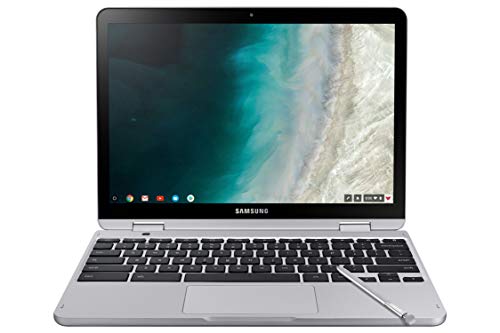


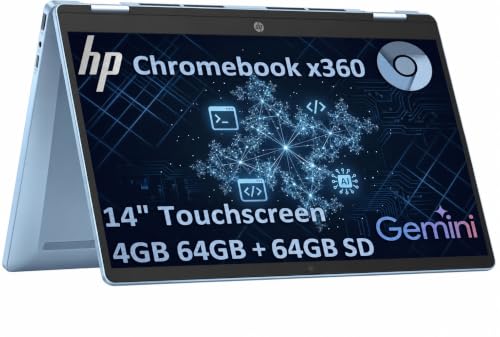
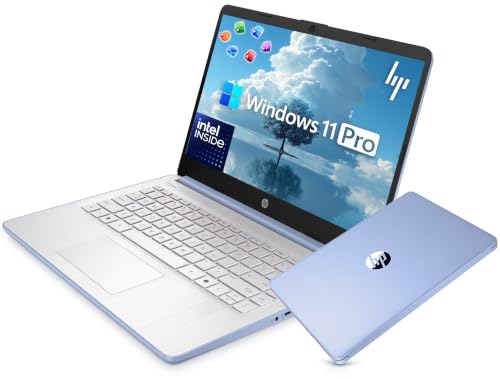
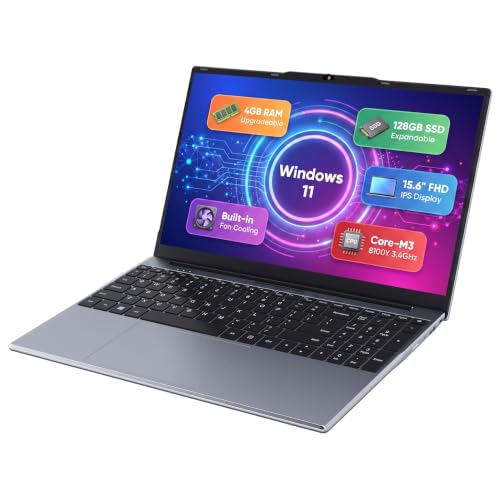

Types of 4gb Ram Laptops Compared
The operating system matters more at this memory size than at any other. A light system leaves more of the 4 GB free for your apps, while a full desktop system uses a large share just to run itself. Screen size, storage type, and whether memory can be upgraded also separate these types more than brand names do. Read each type with your daily task list in mind.
Chromebooks and Light System Laptops
These laptops run a browser focused system that stays smooth on 4 GB for school work, documents, email, and streaming. They start fast, update quietly, and often give the longest battery life at this price. The trade off is app choice. If your work needs specific Windows or Mac software, this type will frustrate you. For web based classes and writing, it is usually the safest way to buy only 4 GB.
Budget Windows Notebooks
Budget Windows notebooks give you the full desktop and the widest software choice, but Windows itself uses much of the 4 GB. Expect calm performance with a few apps open and slower moments when updates run in the background. Look for a fast SSD rather than slow mechanical storage, because storage speed hides some memory limits. This type suits light office work when the price is truly low.
Convertible and Touch Models
Convertibles fold into a tablet shape for reading, drawing, and presenting, and many include a touch screen or stylus. That flexibility costs money that could have bought more memory, so only choose this type if you will use the folding design weekly. Check hinge sturdiness and weight, since a heavy convertible makes a poor tablet. Students who annotate readings by hand are the natural audience here.
Compact Netbook Style Models
Small models around 11 to 13 inches focus on portability and price. They slip into any bag and sip power, which suits travel, point of sale use, and a second household laptop for quick tasks. Keyboards feel cramped and screens are small for long documents. If you want this shape with more headroom later, our guide to the best notebook laptops covers the wider compact market.
Light System Laptops vs Budget Windows Notebooks: Which Should You Choose?
Choose a light system laptop if your day lives in the browser, your school or work uses web apps, and you value speed and battery over software range. Choose a Windows notebook if one essential program only runs on Windows, and accept slower multitasking as the price of that access. Storage and processor still matter in both camps. A weak processor with 4 GB feels sluggish even on a light system.
Also think two years ahead. If your tasks are growing, saving a little longer for 8 GB often beats buying twice. Our guide to the best laptops 16gb ram shows what the next steps up unlock, which helps you judge whether this budget tier fits your plans at all.
How to Choose the Right 4gb Ram Laptop
CPU and GPU Pairing
With memory this limited, choose the strongest processor your budget allows, because it will carry the machine when RAM runs short. Recent entry level chips with four cores handle browsing and documents far better than older dual core designs. Integrated graphics are fine for video and casual games, but demanding 3D titles are out of reach. For light play, our guide to the best games for 4gb ram laptops lists the kinds of titles that stay enjoyable.
Cooling and Thermals
Thin budget laptops often use small fans or no fan at all. Fanless designs stay silent and work well with efficient chips, but they slow down under long loads to control heat. If you join video calls while charging and sharing your screen, a model with a fan and vents that are not blocked by the hinge will hold speed better. Keep vents clear and use the laptop on a hard surface for long sessions.
Noise Levels
Noise matters in classrooms, libraries, and shared bedrooms. Light system laptops and fanless models are effectively silent. Budget Windows models can spin fans loudly during updates or calls, which gets old fast. Coil whine, a faint electrical buzz under load, appears on some units and varies between individual machines. If you record audio or study in quiet rooms, put silence high on your list and check the return policy in case your unit whines.
Power and Battery Quality
Battery life is a strength of this tier when the screen is modest and the chip is efficient. Look for real world claims of a full school or work day, and prefer USB C charging if you want to share chargers with your phone. Check the charger wattage in the box, because a weak bundled charger can make the battery drain while plugged in under load. A replaceable battery is rare now, so battery health habits matter.
Warranty, Support, and Build Quality
Budget laptops cut costs in hinges, keyboards, and cases, so warranty terms deserve a look. One year is standard, and accidental damage cover can be worth it for a school bag laptop. Check that keys feel even, the screen does not flex heavily, and the ports sit firm. Also confirm whether RAM is soldered. If it is, 4 GB is final, while a free slot lets you follow our guide to the best ram for laptops later.
Best 4gb Ram Laptops for Specific Needs
Best Laptops from 4gb Ram: Which Type Works Best
When people ask about best laptops from 4gb ram lineups, the honest answer depends on the starting point. For pure value, a light system model with an SSD gives the smoothest daily feel. For software freedom, a Windows model with an upgrade slot wins, because you can add memory when funds allow. In both cases, fast storage and a decent screen improve daily life more than a small processor step.
Tips to Get the Most From Your 4gb Ram Laptop
Small memory rewards tidy habits. Close tabs you are not using, remove startup apps you do not need, and let updates finish while plugged in rather than during class. Keep at least a fifth of your storage free, because the system borrows storage space when memory fills, and a full drive slows everything. Clean dust from vents every few months with the machine off, and restart weekly to clear memory leaks from long running apps.
One more practical tip. Use the web versions of heavy apps when they exist, since they often use less memory than installed versions. Save large files to cloud storage or an external drive, and stream music instead of storing a huge library. These habits can make the difference between a laptop that feels fine and one that stalls each afternoon.
FAQs
Is 4 GB of RAM enough for everyday use?
Yes, 4 GB is enough for light everyday use like browsing with a few tabs, email, documents, and streaming, especially on a light operating system. It is not enough for heavy multitasking, large spreadsheets with many sheets, or modern creative software. If your work is growing, treat this tier as a starter step. Buyers with bigger plans should compare our guide to the best 32gb ram laptops to see the other end of the range.
How much RAM do I need for gaming?
Most modern games need at least 8 GB of RAM, and many recommend 16 GB for smooth play. On 4 GB, stick to older titles, indie games, and cloud gaming services that stream the game from a server. Lower settings, close background apps, and keep storage space free to help frame rates stay steady. If gaming is a main goal rather than an occasional extra, save for a laptop with more memory instead.
Can I upgrade a 4 GB laptop to 8 GB?
You can upgrade only if the laptop has a removable memory module or a free slot. Many thin budget models solder memory to the board, which makes upgrades impossible. Check the exact model service manual or a teardown guide before you buy memory. If upgrading matters to you, treat an open slot as a key feature at purchase time, not an afterthought, because it doubles the useful life of the machine.
How long will a 4 GB RAM laptop stay useful?
A 4 GB laptop used for light tasks can stay useful for about three to four years. Software and websites grow heavier each year, so the same machine feels slower over time even if nothing breaks. Battery wear also shapes lifespan. You can stretch usefulness by keeping the system light, storage partly free, and browser extensions few. Plan a move to 8 GB or more when slowdowns start costing you time weekly.
SSD or more RAM: which matters more at this budget?
An SSD matters more at this budget if you must choose one. Fast storage makes the laptop start quickly, open apps promptly, and swap data with far less pain when memory fills. More RAM still helps multitasking, but it cannot rescue a machine with very slow mechanical storage. The ideal budget pick has both an SSD and an upgrade path, so you can add memory later while enjoying fast storage from day one.
The Bottom Line
At 4 GB, choose a light system or an upgradeable model, insist on an SSD, and keep your task list honest. Those three calls decide whether the laptop feels capable or constantly strained. Revisit the product table above with your software needs in front of you, and the best 4gb ram laptops for your budget and routine will be the ones that respect those limits.


