
Best 4G Tablets for Every Need: How to Pick the Right One for 2026
Disclosure: We may earn a commission when you buy through links on this page, at no extra cost to you. As an Amazon Associate I earn from qualifying purchases. Learn more

Use this buying guide for best 4g tablets to match screen, battery, data plan, and budget to travel, study, work, or play, without paying for extras.
There is no single tablet with built in mobile data that suits every routine. A commuter who reads on a train, a student who joins classes from a park, and a field worker who uploads photos all day need different screens, batteries, and data plans. This guide starts with your use case, so the best 4g tablets for you become easier to spot.
Start with how you will actually connect. Some people need mobile data every day, while others only need it as a backup when WiFi disappears. That one answer shapes your budget, your monthly plan cost, and the size of tablet that makes sense. Use the comparison table below to shortlist a few models, then check them against the sections that follow.
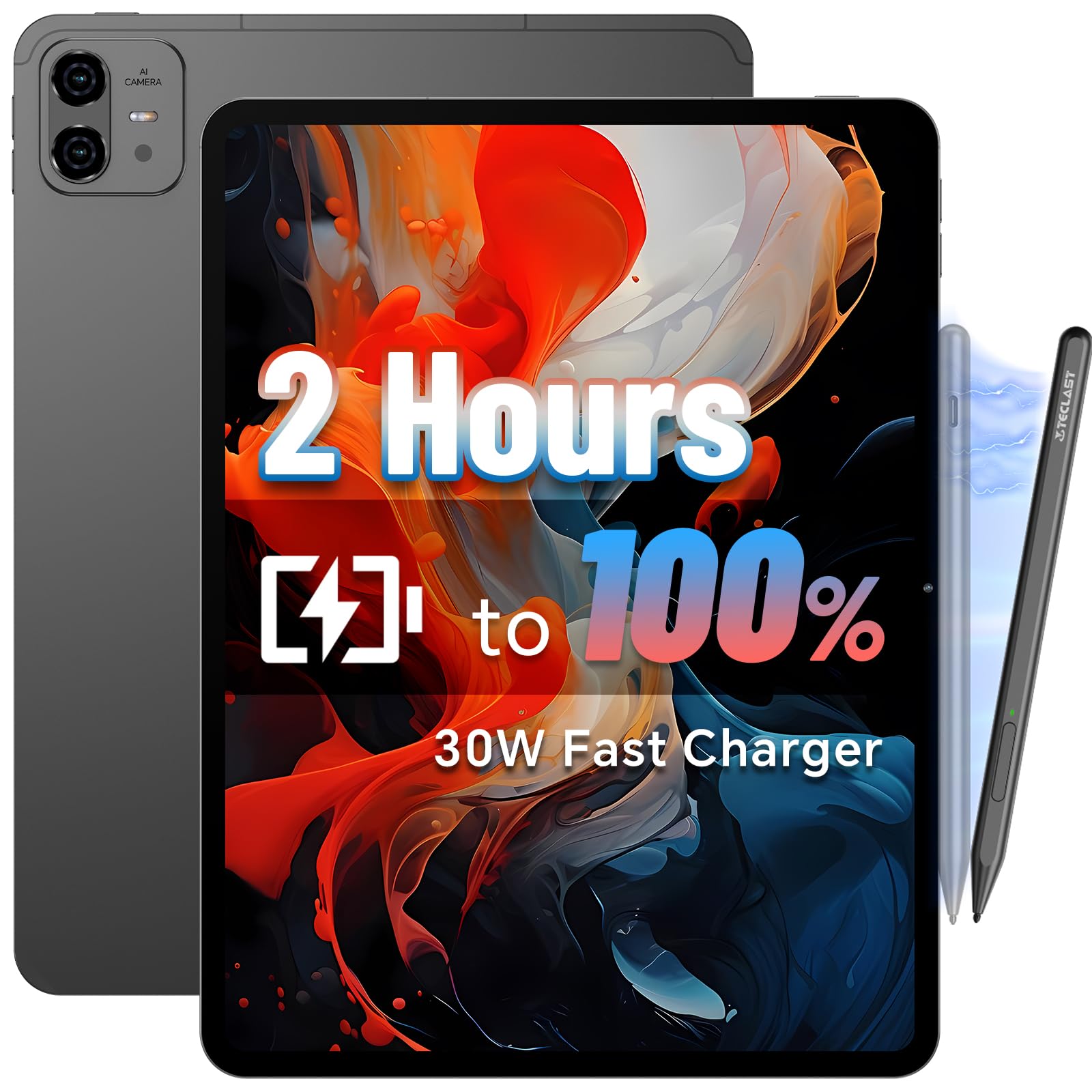
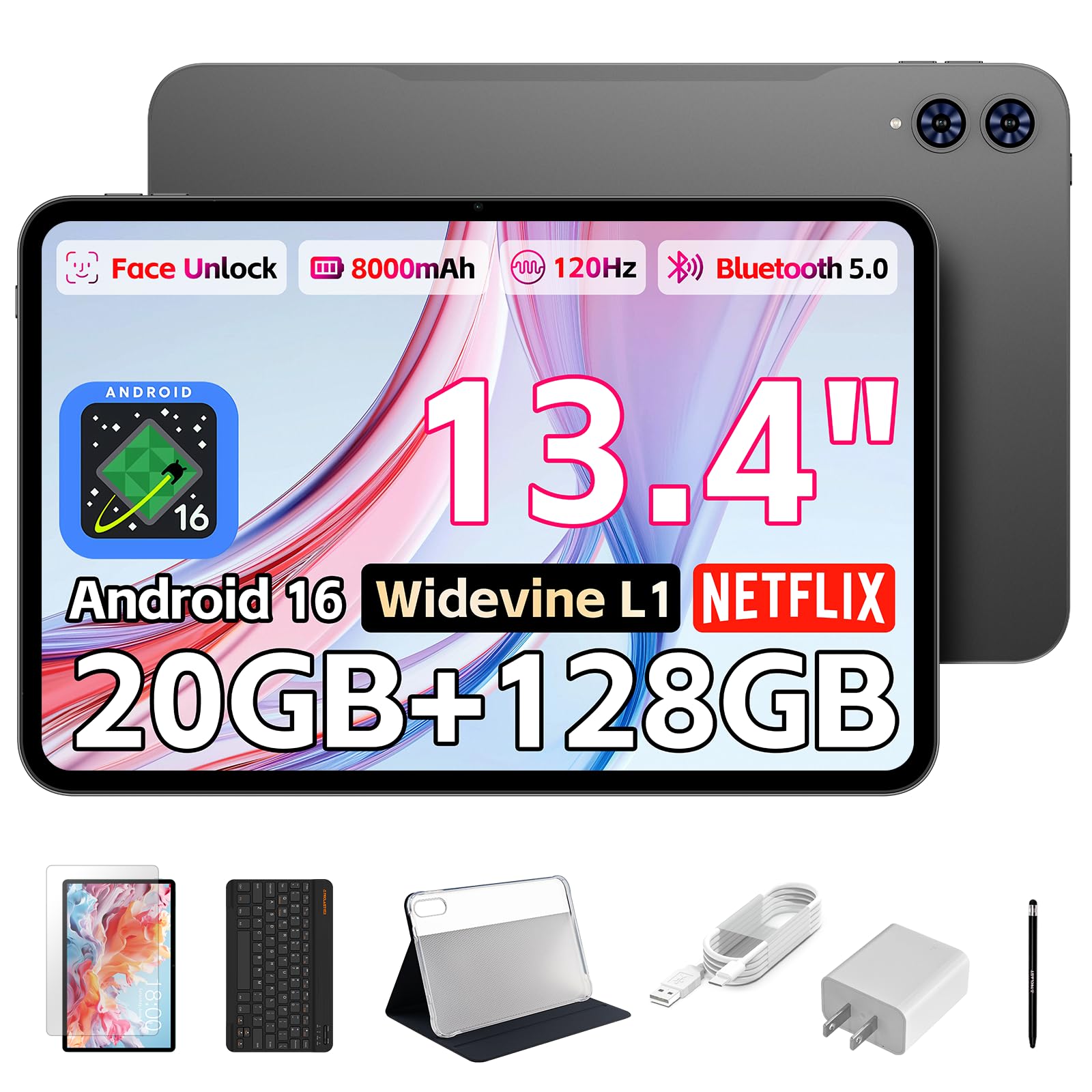
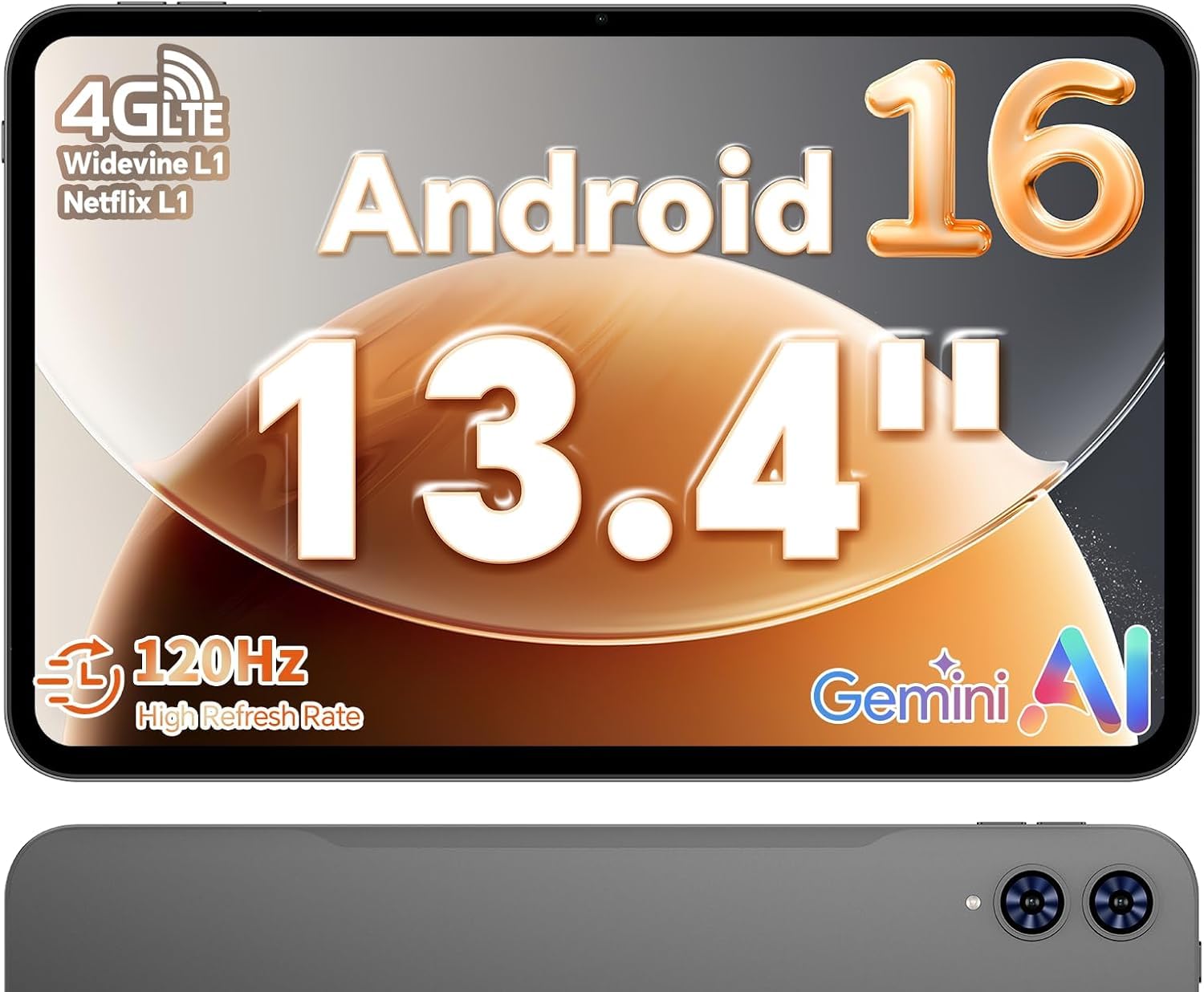
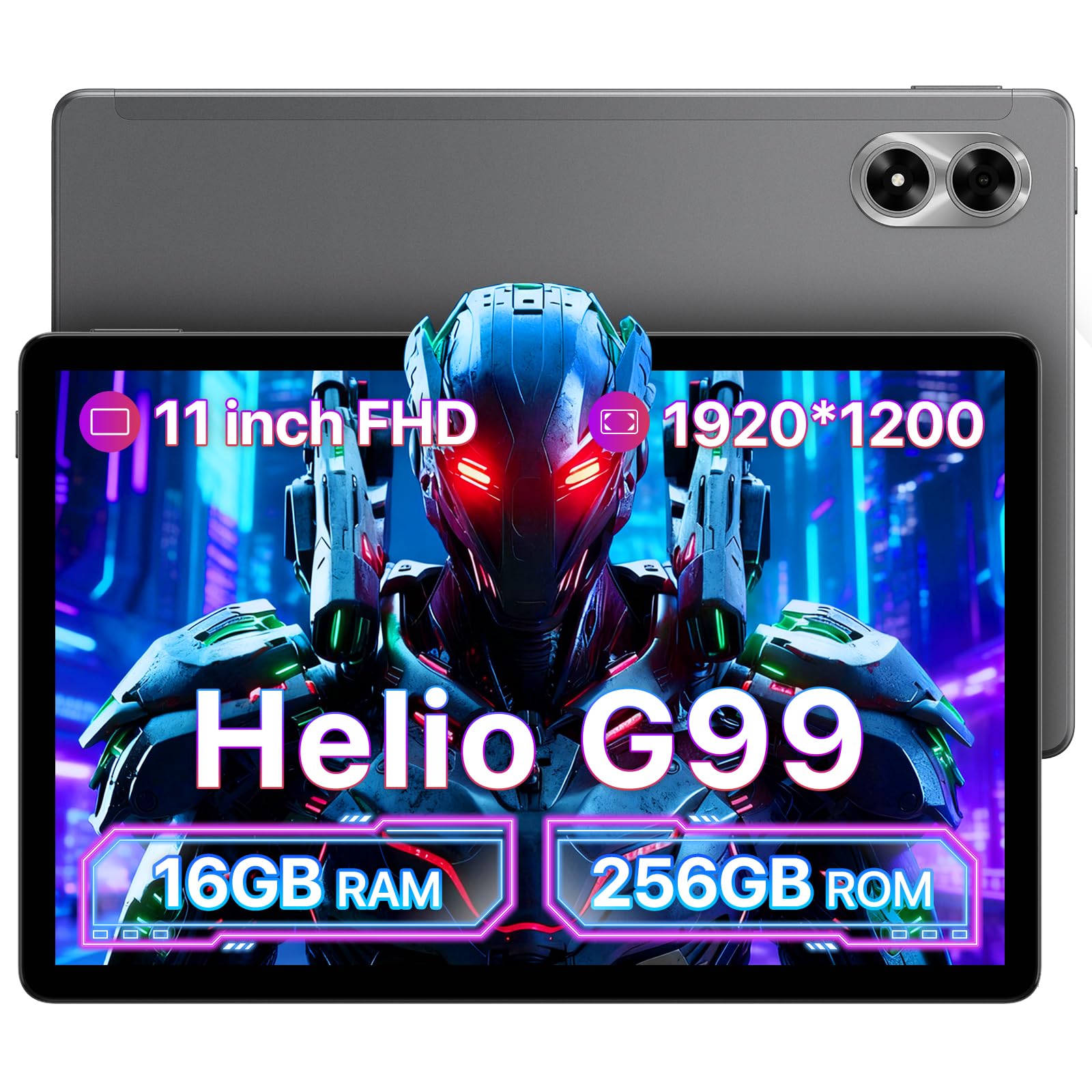



Who Should Buy Which 4g Tablets?
For Travelers and Commuters
You need light weight, a battery that lasts a full day away from outlets, and a screen you can read in bright stations or cars. A model around 10 inches usually balances reading comfort with a bag friendly size. Look for a sturdy case option and fast charging, because a short top up at an airport can save a long wait later.
For Students and Everyday Users
You need steady performance for classes, notes, video calls, and streaming, plus a price that leaves room for a cover and a stylus. Prioritize a clear display, speakers you can hear in a shared room, and storage for downloads. If your school work lives in the browser, also read our guide to the best pc tablets to see how larger productivity models compare for typing and multitasking.
For Gamers and Power Users
You need a fast processor, enough RAM for smooth play, and a display with a higher refresh rate so motion looks clean. Mobile data adds freedom, but ping and signal strength matter more than headline download speed for online games. Choose generous storage, because large game files and updates fill small drives quickly, and pick a model with good cooling for long sessions.
For Remote Workers and Creators
You need a sharp front camera, clear microphones, and a screen large enough for documents and video calls side by side. Keyboard support matters here, so check that a keyboard case exists for the exact model before you buy. Reliable mobile data lets you send files from a client site or a train without hunting for public WiFi, which is also safer for work accounts.
Picking the Right 4g Tablets for Different Uses
Best 4g Tablets under 100: What to Prioritize
When you shop for best 4g tablets under 100, expect trade offs in screen quality and speed, so spend on the basics first. Check that the mobile bands match your carrier, that storage can grow with a memory card, and that the battery is not unusually small. At this price, a slightly older model with solid reviews of its build often serves you better than a new model with weak radios.
Best Verizon 4g Tablets: What to Prioritize
If you want best verizon 4g tablets, carrier compatibility is the first filter, not the last check. Confirm the exact model number is approved for that network, ask whether a new SIM is included, and compare the cost of adding a tablet line to your phone plan. Also check coverage where you travel, because a tablet that works at home but drops signal on your main route misses the point.
Best Mini 4g Tablets: What to Prioritize
Shoppers after best mini 4g tablets usually want one hand reading, easy jacket pocket storage, and long standby time. Screens around 8 inches suit ebooks, maps, and quick messages well, but they feel cramped for split screen work. Prioritize light weight and a bright panel over raw speed, and hold a similar size in a store if you can, because grip comfort decides whether you use it daily.
Key Features to Compare
Keyboard, Trackpad, and Build
If you type often, test key travel and spacing on the keyboard case made for that model, not a generic one. A good trackpad should track smoothly without jumping when you lift a finger. Build quality matters too. Metal bodies feel solid and resist flex, while lighter plastic bodies can survive drops with less damage. Check that buttons feel firm and that the SIM tray seals well against dust.
Processor and Performance Tier
The processor decides how the tablet feels after a year of updates, not just on day one. Entry level chips handle reading, video, and light browsing well. Mid range chips add smoother multitasking and faster app loading. Top tier chips suit gaming, photo editing, and large spreadsheets. Pair the chip with at least enough RAM for your habits, because closing and reloading apps all day gets tiring fast.
Weight and Portability
Weight changes how often you carry the tablet at all. Models under about 1 lb feel easy in one hand for reading. Larger models around 1.5 lb work better on a desk or lap than held up for an hour. Add the case and keyboard to the total, since accessories can add half a pound. If you commute daily, that total weight matters more than a small gain in screen size.
Battery Life in Real World Use
Maker claims usually assume video playback on WiFi at modest brightness. Mobile data, bright screens, and video calls drain a battery far faster, so look for real world reports that match your routine. A larger battery helps, but efficient chips matter too. Fast charging over USB C is worth having, because gaining several hours of use from a short charge changes how confidently you leave home without a charger.
Ports and Connectivity
Start with the mobile bands and SIM type, then check WiFi speed, Bluetooth version, and location services if you use maps. A USB C port is standard now and makes charging and sharing accessories easier. Some models add a headphone jack or a memory card slot, both still useful. If Android is your platform, our guide to the best 4g android tablets explains how software support lengths differ between brands.
Also think about how the tablet fits your wider setup. If you want a fuller explanation of LTE naming and plan options, see our guide to the best tablets with 4g lte, which covers how these models differ from WiFi only versions.
Common Mistakes to Avoid When Buying 4g Tablets
- Choosing on price alone and ignoring the monthly cost of the data plan, which can pass the tablet price within a year.
- Skipping the carrier band check, then finding the tablet cannot connect to your network at full speed.
- Buying too little storage for photos, offline video, and app growth, with no card slot to expand it.
- Forgetting the keyboard, case, and stylus costs when you compare models for work or school.
- Ignoring the update policy, so the tablet stops getting security fixes while you still rely on it.
Setup and Care Tips
On day one, insert the SIM before you sign in to accounts, then run system updates on WiFi so you do not burn mobile data on large downloads. Turn on data usage alerts in settings and set a limit that matches your plan. A practical habit is to download maps, music, and shows at home, so mobile data stays free for messages, calls, and browsing when you are out.
For care, keep the system and apps updated, use a padded sleeve when you commute, and avoid leaving the tablet at full charge in a hot car. Clean the screen with a soft dry cloth, and check the SIM tray seal after swaps. Every few months, review which apps use background data, because one chatty app can quietly eat a small plan.
Frequently Asked Questions
How long should a 4g tablet last?
A good 4g tablet should last about three to five years of daily use. Battery wear is usually the first limit, followed by the end of software updates. You can stretch its life by keeping storage partly free, using a case, and replacing a worn charging cable early. If your carrier retires older network bands in your area, that can shorten useful life too, so check band support before you buy.
How much RAM do I need?
Most buyers need about 4 GB to 6 GB of RAM for smooth browsing, video, and light multitasking. Choose more if you game, edit photos, or keep many tabs and apps open at once. RAM works with the processor, so a balanced mid range pairing often feels faster than a strong chip held back by very little memory. Storage size is a separate choice, so do not confuse the two numbers.
Is a dedicated GPU worth it?
A dedicated graphics chip is rarely a separate choice in tablets, since graphics sit inside the main processor. What matters is the tier of that processor. Casual players can stay with mid range chips, while demanding 3D games and video editing benefit from top tier graphics built into flagship processors. Check game settings support for the titles you play, because screen refresh rate alone does not guarantee smooth frame rates.
Is a Chromebook enough for school?
A Chromebook can be enough for school when all work runs in a browser and the school provides accounts and apps online. A tablet with mobile data wins when you study away from WiFi, read a lot, or use touch and stylus apps. Think about typing length too. Long essays feel easier on a real keyboard, whichever device you pick, so budget for a keyboard case if you choose a tablet.
Should I buy a laptop or a tablet?
Buy a tablet if portability, touch input, and instant mobile data matter most to you. Buy a laptop if you type all day, run specialist software, or need many ports and large storage. Some people pair a small tablet for travel with an older laptop at home. That split can cost less than one premium device that tries to do everything and ends up heavy for daily carrying.
The Bottom Line
Match the tablet to your routine first, then compare processor tier, battery life in real use, and total cost with the data plan included. Size and weight decide whether you carry it, and carrier bands decide whether it connects at all. Look again at the product table above with those filters in mind, and the best 4g tablets for your travel, study, or work should stand out clearly.


