
Best 4G Android Phones in 2026: Every Type Explained Side by Side
Disclosure: We may earn a commission when you buy through links on this page, at no extra cost to you. As an Amazon Associate I earn from qualifying purchases. Learn more

Compare the best 4g android phones by type, price, display, camera, updates and carrier fit, with clear guidance for choosing a phone that lasts well.
Choosing a phone gets confusing fast when every listing shouts about cameras, screens and speed at once. The best 4g android phones are not one single model type. They are the phones that match your carrier, your budget and the tasks you repeat each day, and you can sort them quickly in the comparison table below.
This guide compares phone types rather than naming models. You will see who each type suits, what you gain and give up at each price, and which display, camera and update details actually change daily use. Start with the type that fits your life, then check the details inside that group.
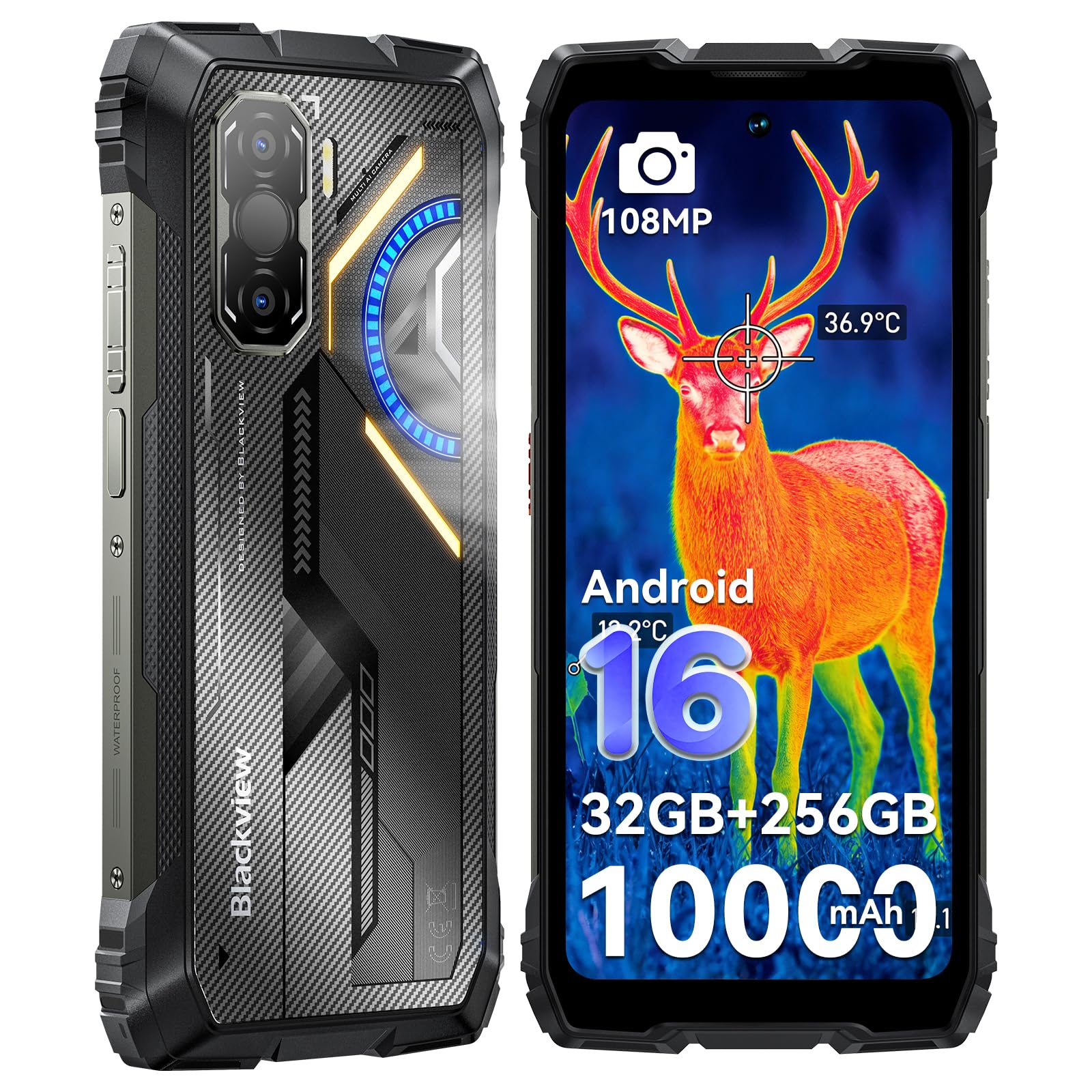

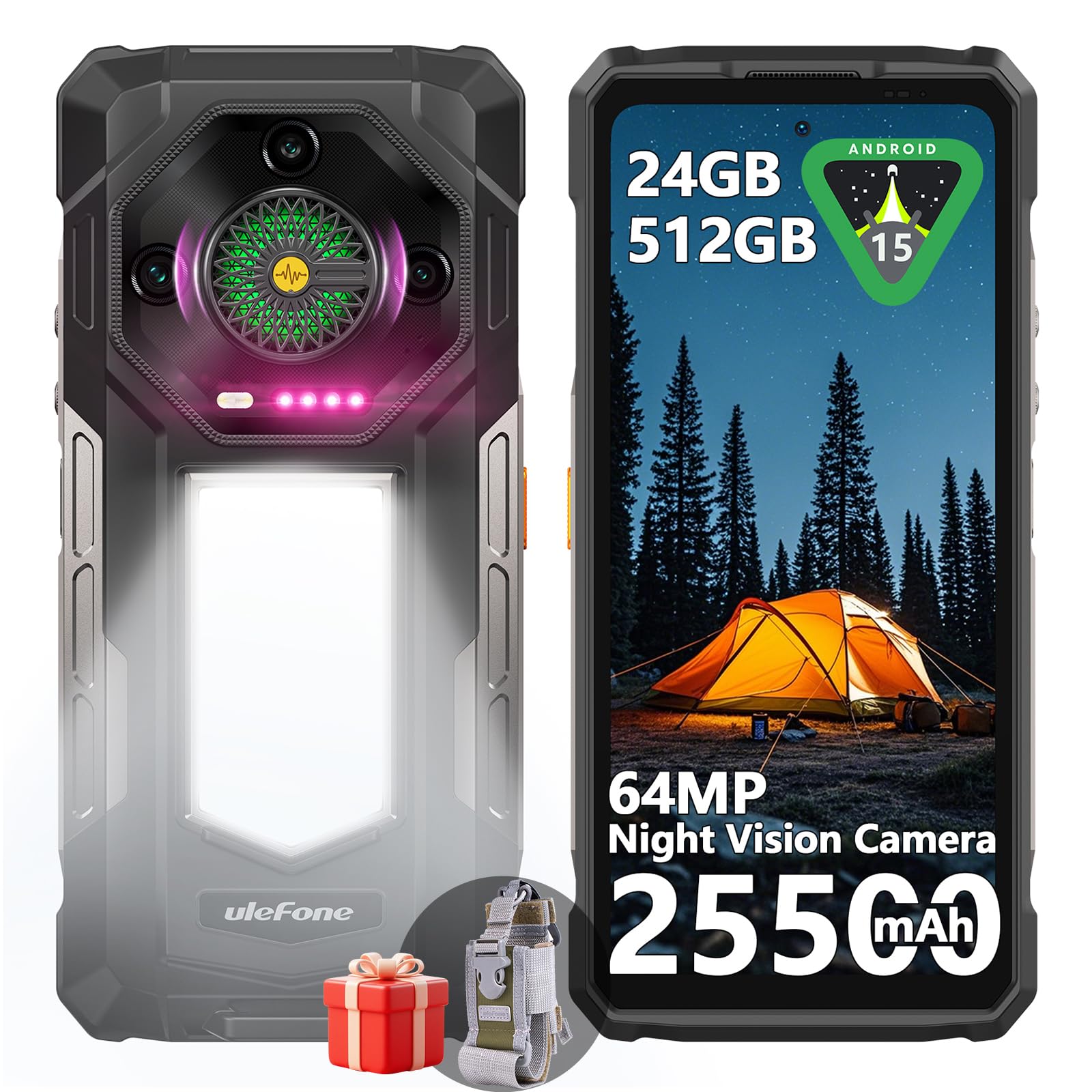
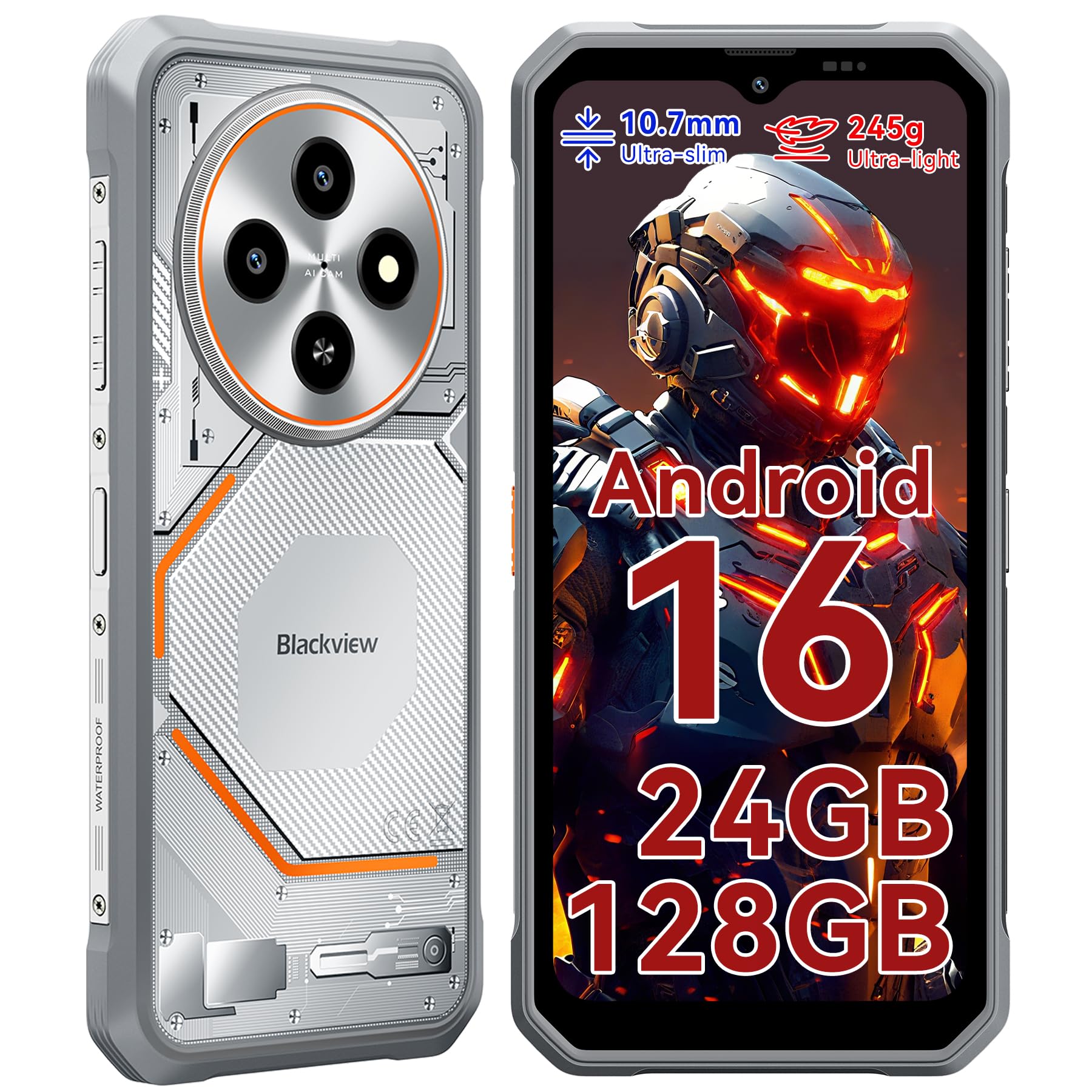
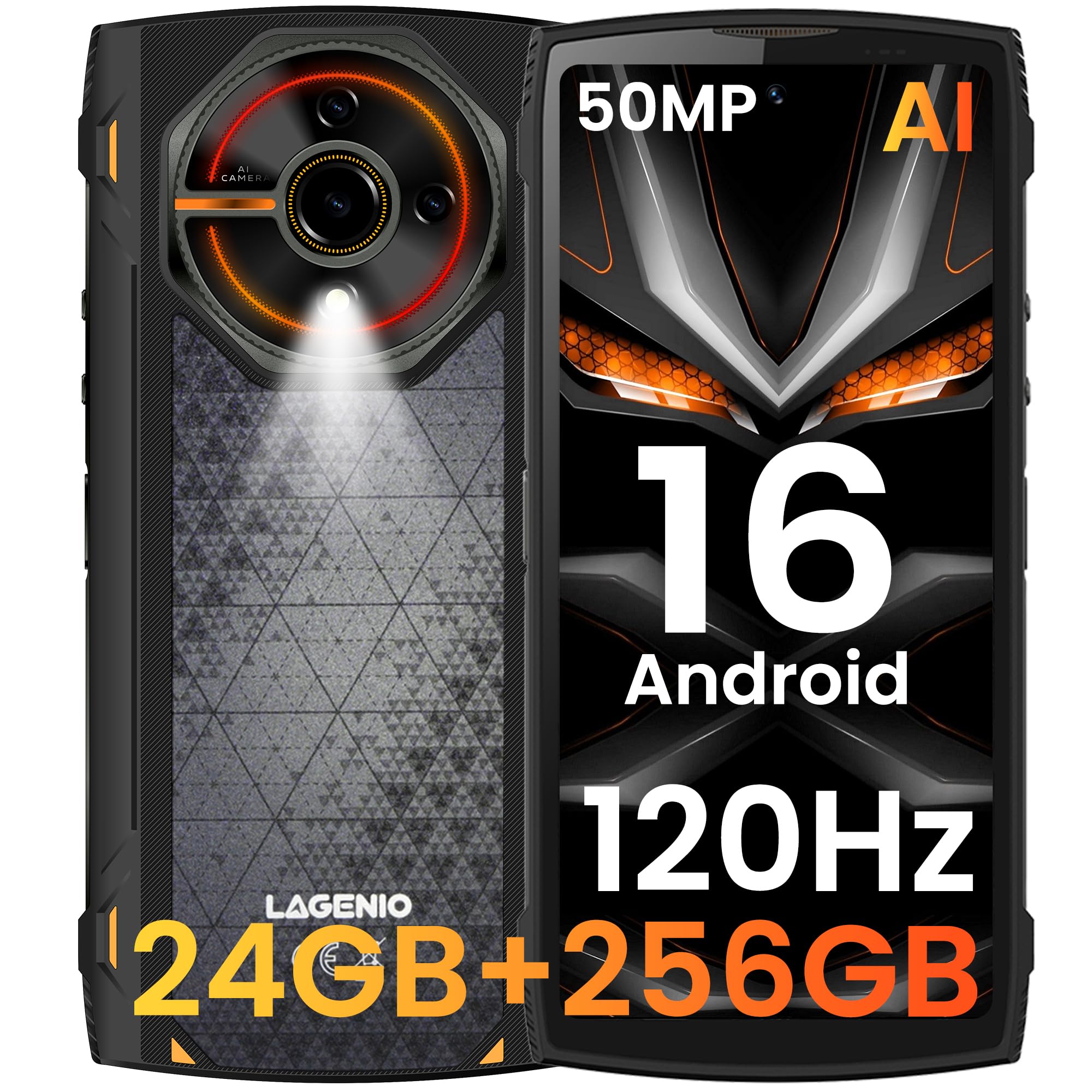
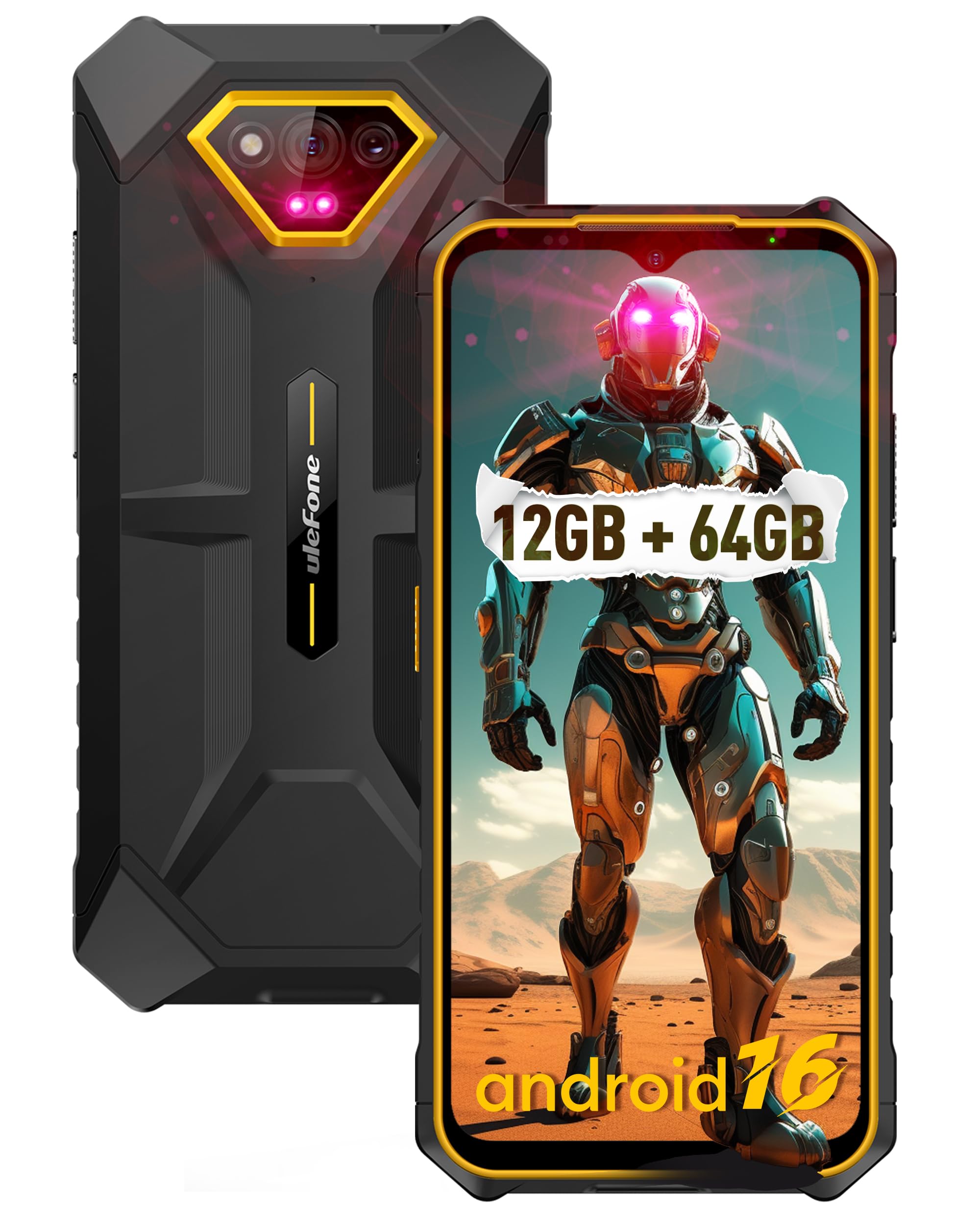

Types of 4g Android Phones Compared
Four broad types cover almost every 4g Android phone on sale. Budget and mid range phones focus on value, camera focused phones put imaging first, and flagship phones bundle the strongest parts together at the highest price. Your main use should decide the type before price does.
Phones Built Around Their Cameras
These phones spend more of their budget on lenses, sensors and image processing than on raw speed. You usually get a strong main camera, an ultrawide lens and a night mode that brightens dark scenes without a flash washing out faces. They suit parents, travelers and sellers who photograph products often. The trade off is that gaming speed and screen quality may sit a step below flagship level, so check those parts if you also play demanding games.
Top End Phones, Including Older Flagships on 4G
Flagship phones combine the fastest processors, the brightest screens and the longest update promises in one body, and older flagship models often reach the market as 4g versions at reduced prices. They suit heavy multitaskers and anyone who keeps a phone for many years. If raw speed is your top concern, see our guide to the best performing android phones for how top tier performance compares. The main drawback is cost, even when a model is a season or two old.
Budget Phones
Budget phones, typically about $100 to $250, cover calls, messaging, maps, banking apps and light photo use without strain. You give up extras such as wireless charging, strong water resistance and a telephoto lens, and screens are usually LCD rather than OLED. They suit a first phone for a teen, a spare phone or a light user who mostly stays on WiFi at home. If value matters most, see our guide to the best inexpensive android phones for more on low price choices.
The Middle Tier Between Budget and Flagship
Mid range phones, typically about $250 to $500, add OLED screens, faster charging and better cameras while keeping prices well below flagship level. For many buyers this is the balanced choice, with enough speed for games at moderate settings and enough storage for years of photos. You may lose a dedicated telephoto lens or the very highest water resistance rating. Choose this type if you want one phone that does everything reasonably well without paying for peak specifications you rarely use.
Camera Focused Phones vs Flagship Phones: Which Should You Choose?
These two types overlap, so compare them on the points that differ. A camera focused phone puts more money into lenses and processing, while a flagship spreads money across processor, screen, build and cameras together. For still photos in good light, both do well. In low light, a larger sensor and strong night mode help the camera focused type, while a flagship often records smoother video and edits it faster. A flagship also tends to earn longer software support. Pick the camera focused type if photos are your main job for the phone. Pick the flagship if you also need top speed, the best screen and the longest useful life.
How to Choose the Right 4g Android Phone
Work through these four checks in order. Carrier fit comes first, because a phone that cannot use your network well fails no matter how good its camera looks on paper.
Screen Size, Panel Type and Outdoor Readability
Most screens run about 6.1 to 6.7 inches. Smaller screens suit one hand use and smaller pockets, while larger screens help with reading, maps and video. OLED panels show deeper blacks and use less power on dark screens than LCD panels. A refresh rate of 90Hz or 120Hz makes scrolling look smoother than the standard 60Hz. Brightness matters outdoors, so look for a high peak brightness figure if you read in sunlight often.
Build, Durability and Water Resistance
Glass fronts with reinforced glass resist scratches better than plastic screens, and metal frames usually survive drops better than all plastic bodies. An IP68 rating means the phone resisted dust and immersion in fresh water under test conditions, while lower ratings cover splashes only. Ratings never make a phone waterproof for swimming, and seals weaken after damage. If you work outdoors or around water, pay for the higher rating and still use a case.
Carrier Compatibility and 5G
A 4g phone must support the LTE bands your US carrier uses in your area, or you will see weak signal and slow data even near a tower. An unlocked phone gives you freedom to switch carriers, but check the exact band list and confirm the phone is approved for your carrier before you buy. You do not need 5G for calls, messaging, maps or streaming video, since 4g networks handle all of them well. Skipping 5G often lowers the price, which is the main reason many buyers choose the best 4g android phones over newer 5g models for simple daily use.
Lenses, Night Mode and What Makes Photos Look Good
Judge a camera system by its lenses and results, not by megapixel counts alone. A main lens does most work, an ultrawide lens fits groups and landscapes, and a telephoto lens brings distant subjects closer without digital cropping. Night mode matters if you shoot indoors or after dark. For video, look for stabilization, because steady footage helps more than a higher resolution figure you may never use. Two good lenses beat four weak ones.
Common Mistakes to Avoid
- Buying a phone without checking its LTE bands leaves you with weak signal on your own carrier.
- Choosing storage that is too small fills the phone with photos and forces constant deleting within a year.
- Paying for a flagship tier when you only call and message wastes money you could save or spend on a case and storage.
- Ignoring the update promise leaves a phone without security patches while you still depend on it for banking.
- Judging cameras by megapixels alone leads you to a phone with many weak lenses and poor night photos.
- Skipping a screen protector and case risks a cracked screen that can cost more to fix than the phone is worth.
How to Make Your 4g Android Phone Last Longer
Use a case and a screen protector from the first day, because one drop onto concrete can end a phone that would otherwise last for years. Keep software updated, since updates patch security flaws and often fix battery drain. You can personalize the home screen while you set the phone up, and our guide to the best widgets for android phones shows useful options for weather, calendar and notes at a glance.
Avoid charging in extreme heat, such as on a hot car dashboard, because heat ages a battery faster than normal daily use does. Try to keep the charge between about 20 and 80 percent when that is easy, and replace a swollen battery promptly through a qualified repair shop rather than pressing it back into place. Clear storage before it fills completely, because a nearly full phone slows down and can fail to install updates.
Frequently Asked Questions
Should I buy an unlocked 4g Android phone?
Yes, buy unlocked if you may switch carriers or travel, because an unlocked phone is not tied to one network contract. Add this check before you order: confirm the phone supports the bands of any carrier you might join next, not only your current one. A carrier locked phone can cost less at first, but unlocking rules and waiting periods can limit a quick switch later.
Do I need 5G on an Android phone for daily use?
No, you do not need 5G for daily use, because 4g covers calls, messaging, navigation, music and video streaming at speeds most people find sufficient. One point worth knowing is that carriers keep 4g networks running alongside 5G for the foreseeable future, so a 4g phone will not stop working soon. Choose 5G only if you download very large files on mobile data often.
How many years of updates should a 4g Android phone get?
Look for at least three years of security updates, and more if you keep phones a long time. Security updates matter more than new feature versions, because they protect banking and email apps you use daily. Check the promise for the exact model type before buying, since update length varies widely between budget and flagship tiers and even between phones at the same price.
How much storage does a 4g Android phone need?
Most users should choose 128GB, because apps, photos and offline video grow steadily over a few years of use. Light users who stream everything and store photos online can manage with 64GB. If the phone has no card slot, storage is fixed for life, so buy one step above your current use. Video fills space fastest, so frequent filming points you toward 256GB.
Is a mid range 4g Android phone good enough for most people?
Yes, a mid range phone is good enough for most people, because it handles messaging, maps, photos, banking and casual games without the slowdowns that budget models can show. The clearest sign you need more is regular play of demanding 3D games or heavy video editing on the phone itself. Without those tasks, the money saved can cover a case, extra storage or a longer period of use.
Our Verdict
Match the type to your main use first, then confirm carrier bands, then compare display, camera and update length inside that type. Budget phones serve light users well, mid range phones balance cost and ability for most buyers, and camera focused and flagship types reward buyers who truly use their strengths. When you weigh those points, the best 4g android phones for you become easy to spot. Use the product table above to compare prices and details before you decide.


