Best 48 Inch Range Hood: Buying Guide (2026)
Disclosure: We may earn a commission when you buy through links on this page, at no extra cost to you. As an Amazon Associate I earn from qualifying purchases. Learn more

Wall mount, insert or under cabinet: how to choose a 48 inch range hood that covers a wide range and clears the air.
A wide pro style range looks great on delivery day, and then the first week of real cooking starts. Steam clouds the cabinets, oil settles on nearby walls, and a hood that is too weak or too loud makes the whole kitchen feel harder to live in. Choosing the best 48 inch range hood for your home comes down to fit, daily use, and upkeep, and the comparison table below will help you sort the options by the details that matter most.
This guide focuses on real households. It covers fit for your space, how many people you cook for, ease of daily use, and the cost to own and maintain the hood.


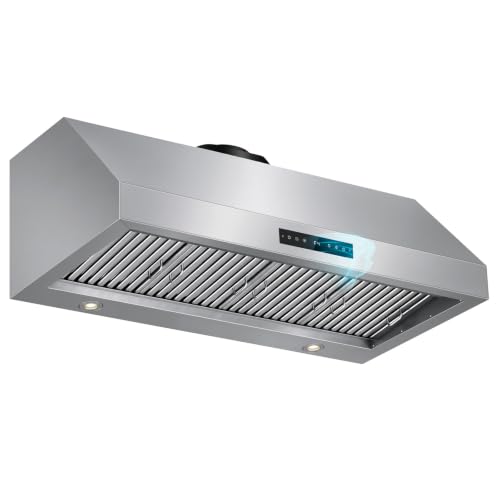

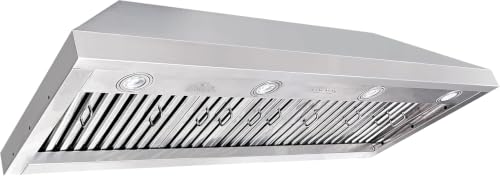


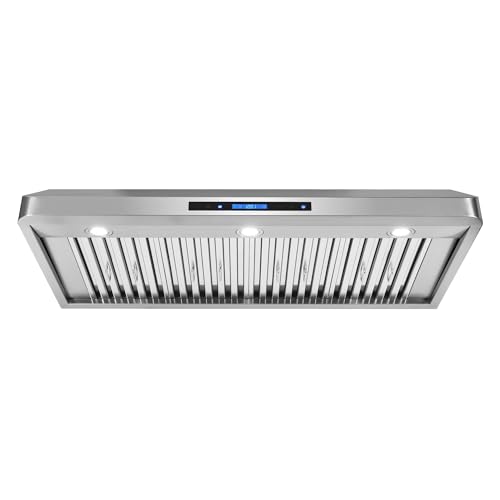
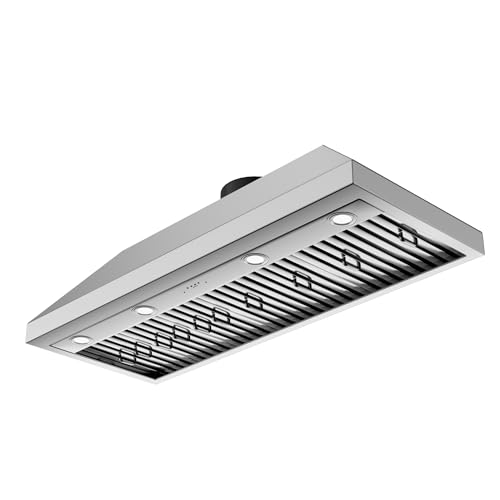
Quick Answer: Three Types That Fit Most Homes
Most 48 inch hoods fall into three groups. A wall mount chimney style suits a range set against a wall and gives a clear focal point above the cooking area. An insert sits inside custom cabinetry or a custom cover, so the kitchen keeps a built in look. An under cabinet style fits below a cabinet run where height is limited and a simple front profile is preferred.
All three can vent well when airflow, duct size, and mounting height are right. Follow your layout first and your look second. If a smaller width might serve you better, see our guide to the best range hood before you commit.
Before You Buy: A Quick Checklist for Choosing a Range Hood
Size: Match It to Your Space
Common widths run from 24 inch and 30 inch for compact cooktops, through 36 inch and 42 inch for mid size ranges, up to 48 inch for wide pro style ranges. A 48 inch hood should cover the full width of your cooking surface, including the front burners where steam and oil rise fastest. In a smaller kitchen it can feel large, so check the visual balance against your cabinets and ceiling height as well as the fit on the wall.
Which Type Fits Your Routine
Wall mount and chimney styles suit open walls and taller ceilings. Insert styles suit custom covers and a quieter, hidden look. Island styles hang from the ceiling over a central cooking area and need stronger support and careful duct routing. If your cabinets sit directly above the range, start with the best under cabinet range hood options, since depth and cabinet clearance will narrow your choices quickly.
Ducted models send air outside and clear moisture best. Ductless models filter air and return it to the room, which helps where no duct run is possible but asks more of the filters. See our explainer on ducted vs ductless range hood setups for that trade off.
Features Worth Paying For and Ones to Skip
Bright LED lights are worth it, since you use them every time you cook and they make pan contents easy to see. Baffle filters are also worth it on a hood this wide, since they handle heavy oil and go in the dishwasher. A heat sensor that raises fan speed on its own helps during a busy family dinner. A remote can help if the controls sit high, but fancy color displays and app extras you will rarely open are easy to skip.
Measurements and Compatibility With Your Setup
Measure the width of your range, the depth of the cooking surface, and the distance from the cooktop to where the hood will sit. Most makers suggest about 24 to 30 inches above an electric surface and about 27 to 36 inches above gas, but always follow the range and hood manuals for your pair. Check duct size too. Many hoods at this width need an 8 inch or 10 inch round duct, and a smaller existing duct can limit airflow and add noise.
Certifications and Safety Marks
Look for a recognized electrical safety listing such as UL or ETL, which shows the unit was checked against safety standards for home use. Some models also carry airflow and sound ratings from the Home Ventilating Institute, a fair way to compare claimed power and noise. Check your local building code before work begins, especially for gas ranges and makeup air rules.
Doing It Yourself Versus Pro Installation and Cost
A confident home owner with an existing duct in the right place may be able to swap a similar hood with basic tools and a helper, since these units are heavy and awkward to lift. New duct runs, electrical changes, and roof or wall caps are better left to a pro. For a realistic picture of labor and parts in your area, read our breakdown of range hood installation cost before you book anyone.
Our guide on how to install a range hood covers the order of tasks, from shutting off power to sealing duct joints. Stop and call a pro if you find damaged wiring.
Realistic Budget Ranges
Basic models at about $300 to $600 cover simple controls and mesh filters. Mid priced options at about $600 to $1,200 often add baffle filters, stronger blowers, and quieter operation. Premium models at about $1,200 to $2,500 and above add thicker steel and better lighting. Budget for duct work as well, since a new duct run can cost as much as the hood itself.
Types Compared: Wall Mount, Insert, and Under Cabinet Options
Wall Mount Chimney Styles for Most Family Kitchens
This is the most common choice for a 48 inch range set against a wall. The exposed chimney covers the duct and suits many home styles, depending on the finish. Stainless steel is usual, though black and white options exist. Choose this type if your ceiling height allows the chimney to extend without cutting, and if you want controls that are easy to reach.
Insert Styles for a Custom and Built In Look
An insert is a venting unit that drops into a custom cover, a wood hood, or a cabinet enclosure you provide. It keeps sight lines clean in kitchens built around custom work, and the liner protects the cover from heat and oil. If this route appeals to you, compare the best insert range hood options for liner depth and blower placement. Remember that the cover, liner, and install labor add to the total cost beyond the insert itself.
Under Cabinet and Pro Style Styles for Tight Headroom
Where a cabinet or a low soffit limits height, a low profile under cabinet or pro style unit keeps the working space open. These models pack the blower into a shorter body, so check depth carefully to be sure the front burners sit under the capture area. They suit busy households that cook daily and want strong venting without a tall chimney. Trade offs can include louder sound at high speed and less room for tall pots if the mounting height ends up low.
What to Compare Between 48 Inch Hoods
Compare options on fit and compatibility first, then on build quality, finish, everyday features, safety listings, and warranty terms. Maker spec sheets give duct size, airflow, and sound data, and verified buyer reviews show patterns in daily use, such as controls that are hard to reach.
Is a 48 Inch Range Hood the Right Size for You?
This width makes sense when your range or cooktop is 42 inch or 48 inch wide, or when you cook with large pots on the front burners and need capture at the edges. Households that cook for five or more people, fry often, or use a griddle will feel the benefit most days. A single person or a couple with a 30 inch range will usually be happier with a smaller hood that costs less to buy and to run.
Think about the room as a whole. In an open plan home, a stronger hood protects nearby living areas from lingering smells. In a small kitchen, the same width can dominate the wall. Mark the outline in tape on the wall to judge the scale before you order.
Common Buying Mistakes to Avoid
- Buying by width alone and ignoring depth, so the front burners sit outside the capture area and steam escapes into the room.
- Pairing a powerful blower with a duct that is too small, which cuts airflow and makes the fan louder than the rating suggests.
- Mounting the hood too high for looks, which lets smoke spread before the fan can pull it in.
- Forgetting makeup air rules for strong fans, which can cause back drafting in tight homes and may break local code.
- Skipping the cost of filters, bulbs, and duct parts in the budget, so the first year of ownership costs more than planned.
- Choosing a finish that fights the rest of the kitchen, since a hood this wide is one of the first things guests notice.
Cost of Ownership and Care
Running costs stay modest. The bigger costs are filters and occasional parts. Charcoal filters in ductless setups need replacing about every 3 to 6 months, while baffle and mesh filters need regular washing. Wipe the outer surfaces weekly, and clean the filters about once a month if you cook daily.
Keep the area under the hood clear of stored items, since heat and oil build up there. Check the outside duct cap once or twice a year to be sure the flap opens freely. If the fan grows louder or pulls weakly, clean the filters first, then check for a loose panel or a blocked duct.
FAQ
What size range hood do I need for a 48 inch range?
Match the hood width to the range width as a starting point, so a 48 inch range pairs with a 48 inch hood. Depth matters just as much. The hood should cover the front burners, which often means a depth of about 20 to 24 inches on pro style units. If your range sits on an island, many makers suggest going one size wider to catch smoke that drifts sideways in open air.
How do you clean a 48 inch range hood?
Start with the filters, since oil there cuts airflow first. Slide out the baffle or mesh filters and soak them in hot water with dish soap, or run them through the dishwasher if the manual allows it. Wipe the inner and outer surfaces while the filters dry, including the area around the lights. One often missed spot is the oil cup or trough that some models hide behind the filters, so empty and wash that too.
Is a range hood worth it for a home kitchen?
Yes, for most homes that cook several times a week. A vented hood moves moisture, oil, and cooking smells out of the room, which protects cabinets and paint and keeps the air more pleasant for everyone nearby. The benefit is biggest with gas cooking and frequent frying. If you rarely cook beyond boiling and reheating, a smaller or simpler unit may meet your needs without the cost and size of a 48 inch model.
How long does a range hood last?
A well kept hood often lasts about 10 to 15 years in home use. The fan motor and the controls are usually the first parts to wear, while the steel body can look good far longer with regular wiping. Homes that cook heavy, oily meals daily will wear filters and switches faster. Keeping spare filters on hand and fixing small rattles early helps you get the full service life from the unit you buy.
What is the best 48 inch range hood for a busy family kitchen?
For a busy family kitchen, the strongest choice is usually a ducted wall mount or pro style model with baffle filters, bright front lighting, and a blower matched to your duct size. Simple controls that a tired parent can work by touch at dinner time matter more than extra smart features. If your home has custom cabinetry, the same criteria applied to an insert will serve you just as well.
Final Thoughts
The right hood at this width makes daily cooking calmer. It clears the air, protects your cabinets, and fits the look of your home. Use the product table above to compare types and specs, then choose the best 48 inch range hood for your layout, household size, and budget.