Best 42 Inch Range Hood: Buying Guide (2026)
Disclosure: We may earn a commission when you buy through links on this page, at no extra cost to you. As an Amazon Associate I earn from qualifying purchases. Learn more

Wall mount, under cabinet or insert: how to match a 42 inch range hood to your cooktop, duct and cooking habits.
A house with five people and a big Sunday sauce pot puts different demands on ventilation than a couple who mostly reheats and sears the odd steak. That is why the best 42 inch range hood for your home depends on your cooktop width, your cabinet layout, and how often you cook with high heat. This guide helps you choose by space, household size, and budget.
The 42 inch size sits in a useful middle ground. It covers a 36 inch cooktop with capture room to spare, yet still fits many standard kitchen runs without a full remodel. Use the comparison table below to line up the main formats, then work through the checklist that follows.



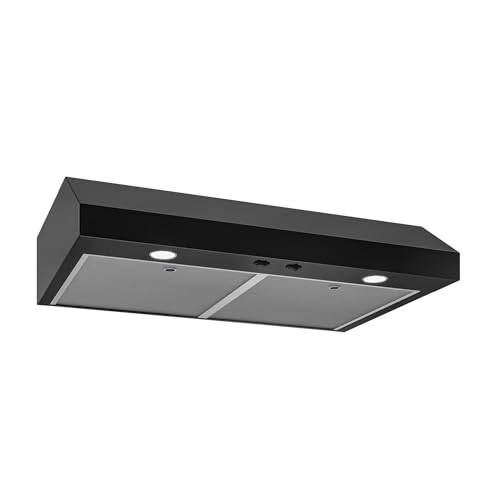


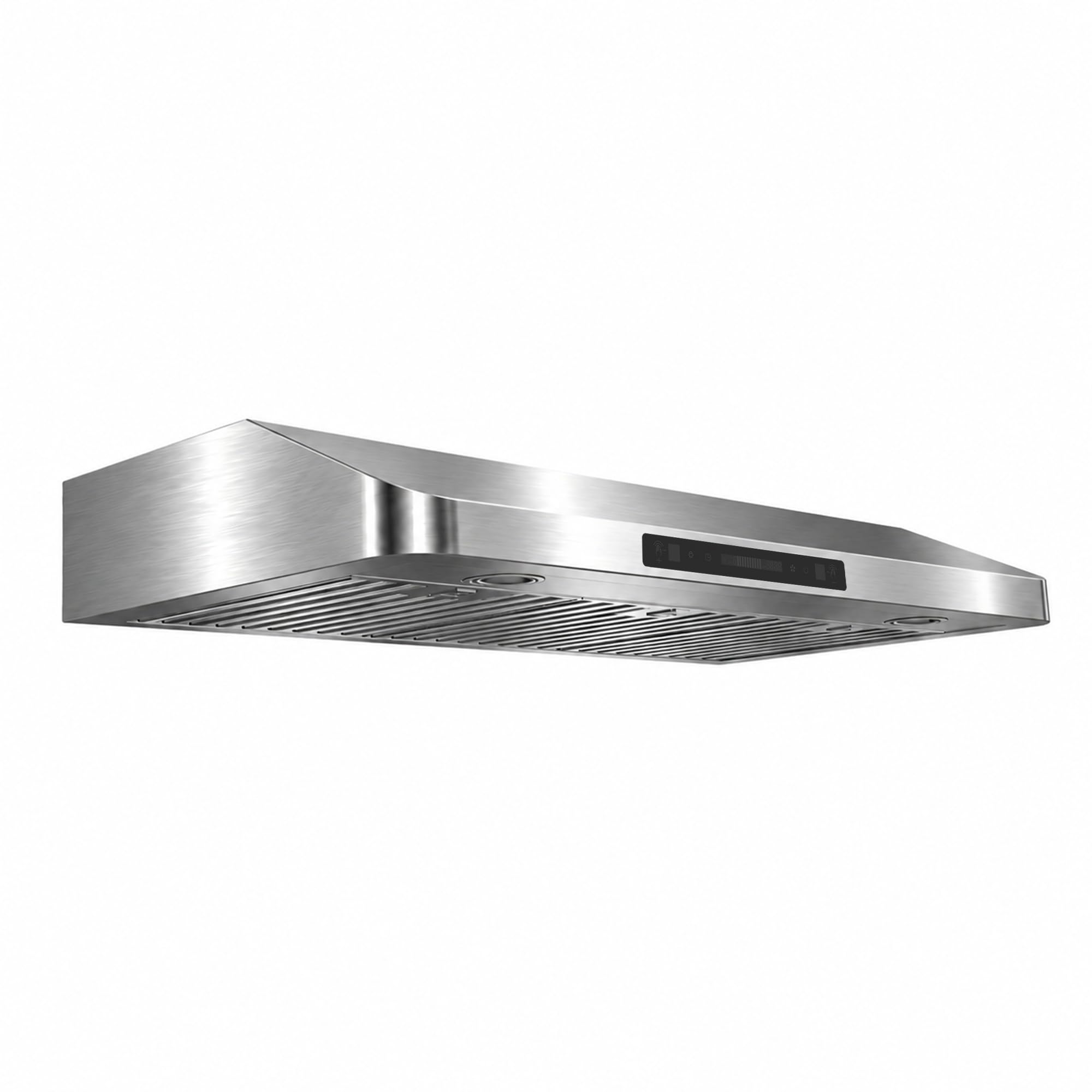
Quick Answer: Three Formats That Fit Most Homes
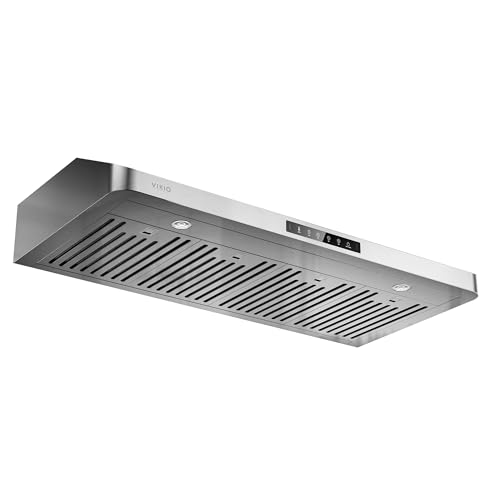
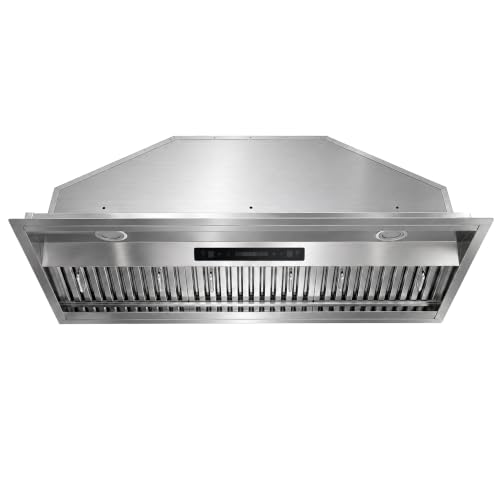
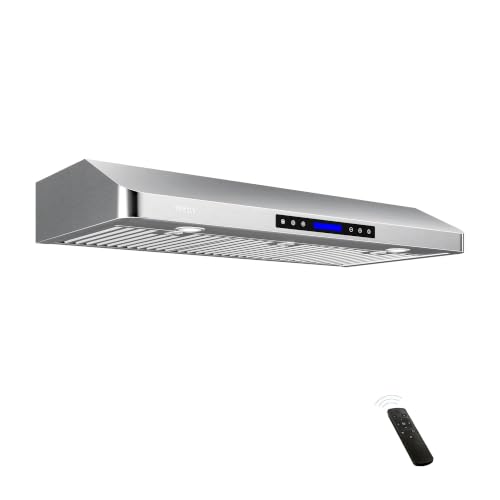
Most 42 inch hoods fall into three formats. A wall mount chimney hood suits an open stretch of wall and vents up through the ceiling. An under cabinet hood slides beneath a cabinet run and keeps your storage above it. An insert drops into a custom surround, so the visible finish matches the rest of the kitchen.
For most families, the under cabinet format is the simplest swap when a cabinet already sits above the cooktop. Choose the chimney format when the wall above the range is bare, and an insert when you are already planning cabinet work.
Before You Buy: A Quick Checklist for Choosing a Range Hood
Size: Match It to Your Space
Range hoods come in widths such as 24 inch, 30 inch, 36 inch, 42 inch, and 48 inch. The hood should be at least as wide as the cooktop, and one size wider captures more steam drifting outward from front burners. A 42 inch hood over a 36 inch cooktop gives about 3 inches of extra coverage on each side. Our broader guide to the best range hood sizes explains how that rule applies across a kitchen.
Which Type Fits Your Routine
Start with the structure you already have. If cabinets sit above the range, a best under cabinet range hood model uses that space and needs the least new carpentry. If you want the ventilation hidden inside a custom shell, look at the best insert range hood options instead, and budget for the liner and surround as separate costs.
Then decide how the air leaves. Ducted hoods send smoke and grease outside, while ductless models pass air through a charcoal filter and return it to the room. Renters and condo owners often have no choice, and a best ductless range hood setup can still cut cooking odors, but it will not remove heat or moisture the way a duct can.
Features Worth Paying For, and Ones to Skip
Spend on the parts that touch grease and light every day. Baffle filters catch grease well and go in the dishwasher, while mesh filters cost less and clog faster under heavy frying. LED lights are worth having because you use them at every meal, and two brightness levels are plenty. A heat sensor that raises fan speed on its own helps during a forgotten boil, though it matters far less than strong capture.
Skip features you will rarely touch. A remote control sounds handy, but the controls sit an arm length away while you cook. Decorative finishes such as matte black look sharp, yet they add cost without moving any extra air. Put that money toward a larger duct instead.
Measurements and Compatibility With Your Setup
Measure three things before you order: the cooktop width, the depth from the wall to the front edge of the front burners, and the route a duct could take outside. Many 42 inch hoods are shallower than the cooktop below them, so check that the capture area reaches the front burners you use most. Note your duct diameter too, because a hood built for a larger duct loses power when squeezed into a smaller one. Gas cooktops need stronger capture than induction or electric models of the same width.
Certifications That Actually Apply
For a range hood, the marks that matter are an electrical safety listing such as UL or ETL and, where offered, HVI certification for the stated airflow and sound ratings. Those listings tell you the airflow figure was measured under a shared test method rather than in free air with no duct attached. Certifications from other product categories, such as plumbing marks, have no bearing on a hood.
Doing It Yourself Versus Hiring a Pro
Swapping a like for like under cabinet hood is a realistic weekend job if the duct and the outlet are already in place. Running a new duct, moving an electrical line, or cutting into a custom surround is pro work for most households. Read our breakdown of range hood installation cost before you commit, because on a new duct run the labor can cost as much as the hood itself.
Realistic Budget Ranges
Entry level 42 inch hoods start at about $200 to $400 and usually bring mesh filters and modest airflow. The middle band, about $400 to $800, is where baffle filters, better lighting, and quieter fans tend to appear. Above about $800 to $1,500 you pay mostly for stronger blowers, thicker steel, and custom finishes. Units under $100 in this size are rare and usually too shallow for a 36 inch cooktop.
Three 42 Inch Formats Compared
Wall Mount Chimney Hoods
A chimney hood is the natural pick when the range sits on an open wall with nothing above it. The canopy gives smoke a wide funnel, and the vertical shaft hides the duct while adding a strong visual line. The trade off is reach: tall cooks may find the lower edge close to head height, and the exposed steel shows splashes a cabinet face would hide. Families who fry and sear often like this format because capture starts wide and stays consistent.
Under Cabinet Hoods
This format keeps the kitchen you already have. It mounts under the cabinet above the cooktop, so you keep some storage and skip new framing. Capture depth is the limit to watch, since many models end a few inches short of the front burners. If your household cooks mostly on the back burners, that gap rarely matters. If front burner pasta pots are a daily habit, measure the depth with care.
Insert Hoods Inside a Custom Surround
An insert is only the working core: blower, filters, lights, and controls. You supply the surround, which can be a wood hood from a cabinet shop or a metal liner made for the purpose. This route gives the cleanest look and lets you set capture depth to match your cooktop. It also carries the highest total cost once the surround is counted. The comparison in ducted vs ductless range hood layouts is worth reading here, because an insert is far easier to duct well during the build than to fix afterward.
How to Evaluate a 42 Inch Range Hood
Weigh any model against five points: fit with your cabinet and duct layout, build quality and finish, the filter and lighting setup, the certifications noted above, and the warranty terms. Compare airflow figures only between models that state the test method used.
Is a 42 Inch Range Hood the Right Size for You?
Choose 42 inches when your cooktop is 36 inches wide and you cook often enough that steam escapes past a same width hood. It also suits a 42 inch cooktop only if the maker states the hood is built for that pairing, since equal widths leave no margin at the edges. If your cooktop is 30 inches, a 36 inch hood usually gives the same margin for less money.
Household size matters as much as burner count. A family cooking two or three pans at once fills the air across the whole cooktop, and the extra width earns its keep. A single cook using one or two burners will see less benefit, and may prefer a quieter fan instead. When in doubt, the best 42 inch range hood choice is the one whose capture depth matches your front burners, not simply the widest box you can fit.
Common Buying Mistakes to Avoid
- Buying by width alone and ignoring capture depth, so front burner steam rolls past the hood and into the room.
- Pairing a strong blower with an undersized duct, which cuts airflow and makes the fan louder.
- Forgetting filter replacement costs on ductless models, where charcoal filters are a recurring purchase.
- Paying for extras such as a remote while settling for mesh filters that will clog under your style of cooking.
- Skipping cabinet and ceiling measurements, then finding the chimney section is too short for your ceiling.
Cost of Ownership and Care
Running costs stay modest. The fan and LED lights draw little power, so the real ongoing expense is filters and cleaning time. Wash baffle or mesh grease filters about once a month if you cook daily, using hot water and degreasing dish soap, and let them dry fully before refitting. Wipe the underside weekly, because grease that sits for weeks hardens and takes far longer to shift.
Ductless owners should replace charcoal filters on the schedule the maker states, often every few months under heavy use, since a saturated filter returns odors to the room. Keep the duct path short and straight, and check the outside vent flap once a year to be sure it opens freely.
Your Questions, Answered
How high above the cooktop should a 42 inch range hood be mounted?
Most makers place the bottom of the hood about 24 to 30 inches above the cooking surface, with the taller end used over gas burners. Going lower improves capture but puts the canopy in your line of sight and closer to pan flames. Going higher feels roomier, yet each extra inch lets more steam escape sideways. Always follow the mounting range printed for your model, since building codes and warranty terms both rest on it.
Can a 42 inch range hood work over an island cooktop?
Yes, but an island changes the capture problem. With no wall behind the cooktop, steam drifts in every direction, so island rated models use a deeper canopy and higher airflow than a wall model of the same width. The hood hangs from the ceiling, so the joists above must carry its weight. Many owners step up one width over an island, so a 42 inch island hood pairs best with a cooktop of 30 to 36 inches.
Does a 42 inch range hood need its own electrical circuit?
Most residential hoods draw modest power and can share a circuit, but many installers still run a dedicated line because local code or the maker asks for one. Some models arrive with a plug, while others are hardwired into a junction box behind the chimney or cabinet. Check the rating plate and your local rules before the install day, because adding a circuit afterward means opening the wall again.
How loud is a 42 inch range hood in normal use?
Fan noise is rated in sones, and the number rises fast with speed. On low, many hoods sit near the level of a running refrigerator, which lets you talk over dinner prep without raising your voice. On the highest setting the same hood can sound closer to a window air conditioner, so most cooking happens on the middle speeds. If your kitchen opens into a living area, compare sone ratings at the middle speed, not the flattering low speed figure.
How long does a 42 inch range hood last?
A well kept hood can serve for many years, and the parts that usually end its life are the fan motor and the control board rather than the steel body. Filter care protects the motor, because a clogged filter makes it work harder on every run. Before buying, check that replacement motors, switches, and filters are still sold, since a hood with available parts can be repaired long after a sealed design would be scrapped.
Final Thoughts
Match the width to your cooktop, pick the format your cabinets allow, and spend on filters, lighting, and a proper duct before extras. Do that, and the best 42 inch range hood for your home becomes an easy call rather than a guess. Look back at the product table above to compare the three formats once more, then measure your space before you order.