Best 42 Inch Lawn Mower: Buying Guide (2026)
Disclosure: We may earn a commission when you buy through links on this page, at no extra cost to you. As an Amazon Associate I earn from qualifying purchases. Learn more
A 42 inch deck suits yards of half an acre to two acres: compare tractors, zero turns and riders by turning, storage and cost.
A 42 inch deck sounds like a simple spec, yet it sits on very different machines, from lawn tractors to zero turn riders. Pick the wrong frame or drive and you pay riding mower money for a mower that fights your gates, your slopes, and your storage space. This guide to the best 42 inch lawn mower options explains the types, the specs that matter, and the costs, and our broader guide to the best lawn mower covers smaller formats if you are still deciding.
Read the type comparison first, then check deck build, turning, and discharge choices against your yard. The comparison table below sums up the main types side by side.
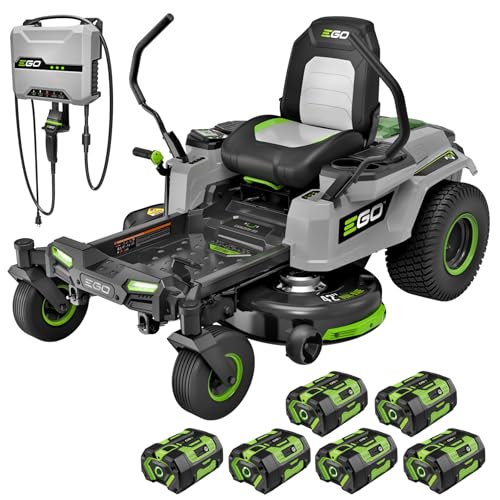
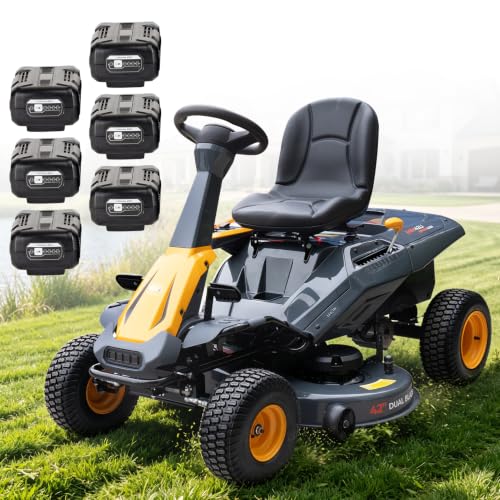
42 Inch Mower Types Compared
Every 42 inch mower is a riding machine, so the real choice is the frame and steering style rather than the deck width itself. The three types below share a cutting width but behave very differently in tight corners, on slopes, and during storage.
Lawn Tractors
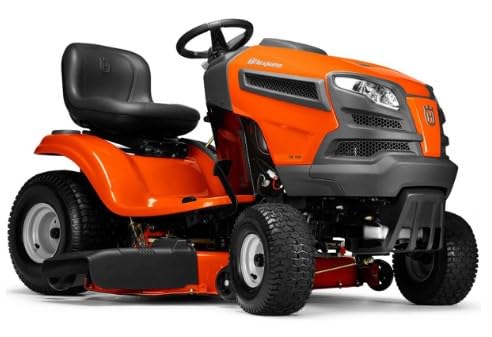
A lawn tractor uses a front engine, a steering wheel, and a deck mounted between the wheels. It is the most familiar 42 inch format and often the lowest priced way into riding. Tractors tow small carts and yard tools with a rear hitch, which walk behind and zero turn machines cannot match as easily. Steering feels car like and predictable, though the turning circle is wide, so you will make extra passes around trees and curved beds. For flat yards with open runs and utility work beyond mowing, a tractor is the steady default.
Zero Turn Mowers
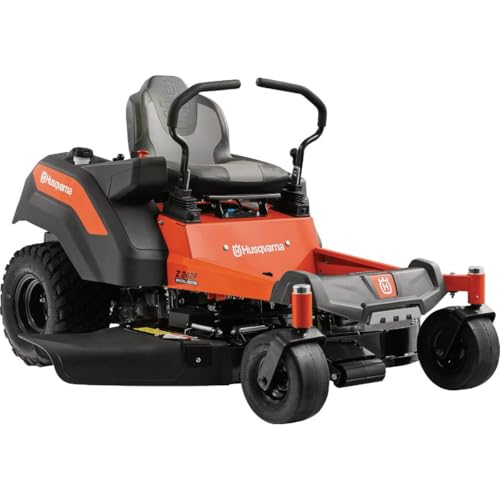
A zero turn mower steers with two lap bars that control each rear wheel on its own. It can pivot in place, which trims far less hand work around plantings and fence lines. If speed around obstacles is your priority, compare this format with our guide to the best zero turn lawn mower before you commit. The trade offs are real. Lap bar steering takes practice, traction on damp slopes is weaker than a tractor, and most models tow little or nothing. Prices also start higher for the same deck width.
Rear Engine Riders
A rear engine rider puts the engine behind the seat and gives you a clear view of the deck edges. These machines are compact, light, and easy to store, and they suit tidy suburban yards where a full tractor feels oversized. Power and hill ability are modest, decks are usually a single blade or a lighter twin blade design, and top speed is low. Think of this type as a step up from walking rather than a workhorse for rough ground. For smooth, mostly flat lawns under an acre, it can be the most pleasant fit.
How to Judge a 42 Inch Mower
Judge every candidate on the same five points. Deck material and weather resistance decide how long the shell lasts outdoors. Size and capacity cover fuel tank or battery runtime, bag volume, and towing limits. Assembly matters because most riders arrive partly built on a pallet. Durability shows in frame thickness, wheel bearings, and belt access. Warranty terms vary by part, so read what covers the deck shell, the transmission, and the engine separately instead of trusting one headline number.
How to Choose the Right Lawn Mower
Size and Form Factor
Deck width sets your pass count, but form factor sets your day. A 42 inch deck cuts a swath wide enough to finish an acre without endless laps, while still fitting through many 48 inch gates once you confirm the chute clears. Tractors are long and tall, zero turn models are wide at the rear wheels, and rear engine riders are the shortest of the three. Measure your gate, your shed door, and your tightest turn before ordering, and leave a few inches spare on each side for the discharge chute and your hands.
Type and Power Source
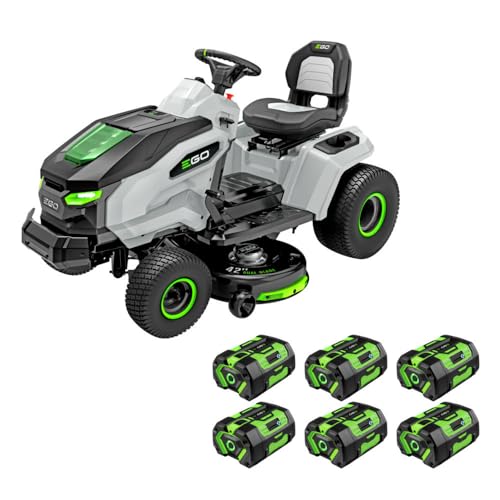
Most 42 inch riders run on gasoline, though battery powered riding models in this size are growing. Gas brings long runtime, quick refueling, and strong torque for thick grass, at the cost of oil changes, fuel storage, and noise. Battery power removes fuel chores and cuts noise, but runtime per charge limits large or overgrown yards, and replacement packs are costly. Our breakdown of electric vs gas lawn mower walks through running costs in detail. Match the power source to your longest mowing session, not your average one.
Features Worth Paying For
A bagger earns its cost if you collect clippings for compost or hate visible rows of cut grass. Electric start is standard on riders, but a simple, reachable choke and a fuel gauge still separate easy mornings from frustrating ones. A mulching kit pays off on healthy lawns you cut often, because finely cut clippings return nitrogen to the soil. Brushless motors matter on battery riders for torque and service life. On gas models, spend instead on a washout port, an hour meter, and a seat with real back support for long sessions.
Weather Resistant Materials
The deck takes the worst abuse, catching stones, moisture, and fertilizer residue every session. Stamped steel decks are lighter and cheaper, and they resist rust well when the paint stays intact and you clean the underside. Fabricated decks use thicker welded steel plates, shrug off impacts better, and usually carry longer shell warranties, but they add weight and cost. Powder coated frames, sealed bearings, and stainless hardware slow corrosion in coastal or humid regions. Whatever you choose, a mower stored under a breathable cover outdoors will age faster than one kept in a dry shed.
Size for Your Space
Yard shape matters as much as yard size. Long open rectangles reward cutting width and ground speed, so a tractor or zero turn shines. Yards broken into small sections by paths, pools, and beds reward tight turning more than raw width, and a rear engine rider may finish sooner in real time. Count your obstacles honestly. Every tree ring and fence corner adds trimming or turning time, and a nimble machine on a 42 inch deck often beats a faster machine that cannot get close to edges.
Assembly and Setup
Most riding mowers arrive in a crate with the seat, steering parts, and battery to fit, plus oil to add on gas models. Set aside about an hour, a socket set, and a second person for lifting parts safely. Before the first cut, check tire pressure on all four wheels, because uneven pressure tilts the deck and leaves stepped stripes. Level the deck side to side and set the front slightly lower as the manual directs. Keep children and pets indoors during setup and the first run, and never reach under a raised deck.
Care and Off Season Storage
Rinse grass from the deck after mowing once it cools, and scrape packed clippings from the underside with the engine off and the key removed. Sharp blades tear less and stress the engine less, and our guide on how to sharpen lawn mower blades covers safe removal and balancing. For winter, run the fuel system dry or add stabilizer, change the oil on gas models, and store battery packs indoors at partial charge. A clean, dry mower stored off damp concrete starts spring in far better shape.
How Much Should You Spend?
Forget walk behind price tiers here, because a 42 inch rider is a different class of machine. Entry lawn tractors and rear engine riders run about $1800 to $2400 and cover flat suburban yards well. Mid range tractors with fabricated decks and stronger transmissions cost about $2400 to $3200. Zero turn models in this width generally run about $2800 to $4000, with battery powered riders often at the top of that band. Spending more should buy deck strength, transmission quality, and comfort, not just extra accessories.
Is a 42 Inch Lawn Mower the Right Size for You?
For most yards of about half an acre to two acres, yes. A 42 inch deck roughly halves your passes compared with a 21 inch walk behind mower, yet stays narrow enough for typical gates and shed doors. Below half an acre, the storage footprint and turning space can outweigh the time saved, and a good walk behind from our guide to the best push lawn mower may serve you better. Above two acres, or on long rough pasture edges, step up to a 46 inch or 54 inch deck so sessions stay reasonable.
Slopes deserve a separate check. Most lawn tractors handle gentle grades near 15 degrees, while zero turn models lose traction sooner on wet inclines because steering and drive share the rear wheels. If your yard has steep banks, read the comparison of zero turn vs riding mower before choosing a steering style. Flat yards with many obstacles favor zero turn agility, open yards favor tractor stability, and small tidy yards favor the compact rear engine layout.
FAQs
What is the best 42 inch lawn mower for a yard with many trees?
A zero turn model usually wins in tree filled yards because it pivots around trunks instead of sweeping wide arcs that leave uncut rings. You will still trim a small circle at each trunk base, but far less than with a tractor. Choose a deck with rounded front corners so it glides past bark without snagging, and mow at moderate speed near roots, since fast passes over raised roots scalp the grass and dull blades quickly.
What size lawn mower do I need for one acre?
One acre of open lawn suits a 42 inch rider well, giving a mowing time of roughly 45 to 60 minutes depending on obstacles and pace. If that acre is split by fences into small paddocks with narrow gates, measure each opening first, because access can matter more than acreage. Where gates block a rider entirely, plan to mow those sections with a walk behind machine and reserve the rider for the open ground.
How do I start a 42 inch riding mower that sat all winter?
Begin with fresh fuel, a charged battery, and the oil level checked on a level surface. Sit fully on the seat, set the brake, and confirm the blades are disengaged, since safety switches block starting otherwise. If the engine cranks but will not fire after several tries, stop and let the starter cool rather than draining the battery. Persistent no start problems after storage usually point to stale fuel in the carburetor, which a small engine shop can clean.
How often should 42 inch mower blades be sharpened?
Plan on sharpening after about every 20 to 25 hours of mowing, and sooner if you run over sandy soil or strike a stone. A quick field test helps between sessions. Look at the grass tips a day after cutting. Cleanly cut tips stay green, while tips torn by a dull blade turn white and ragged and invite lawn disease. Keep a spare blade set so you can swap at once and sharpen the removed set without rushing.
How do I winterize a gas 42 inch lawn mower?
Clean the deck fully, because packed wet clippings corrode steel all winter. Either drain the fuel or fill the tank with stabilized fuel and run the engine briefly so treated fuel reaches the carburetor. Remove the spark plug lead before any work under the deck, and store the mower with the brake set and tires at full pressure. Rodents love nesting in engine covers, so check monthly and clear any debris before spring starting attempts.
Final Thoughts
The right choice is the machine that fits your gates, your slopes, and your storage, with a deck built to last. Tractors bring value and towing, zero turn models bring speed around obstacles, and rear engine riders bring compact ease. Use the product table above to compare the best 42 inch lawn mower types against the criteria here, then confirm deck warranty and local service support before you buy.