
Best 40 Inch Hd TVs: Every Type Explained Side by Side for 2026
Disclosure: We may earn a commission when you buy through links on this page, at no extra cost to you. As an Amazon Associate I earn from qualifying purchases. Learn more

Compare the best 40 inch hd tvs by type, with pros and cons, ideal users and price range, to choose the right style for your room.
A 40 inch screen sounds like one simple choice, until you see how many panel types, resolutions, and smart platforms hide behind that single size. Some models are built for bright kitchens, others for dark movie rooms, and a few borrow ideas from computer monitors. This guide compares each type plainly so you can pick the best 40 inch hd tvs for the way you actually watch.
At this size you sit fairly close, often five to eight feet away, so panel quality and viewing angle show up quickly. The comparison table below lines the main types up by price and features, and the sections that follow explain what those labels mean in daily use.

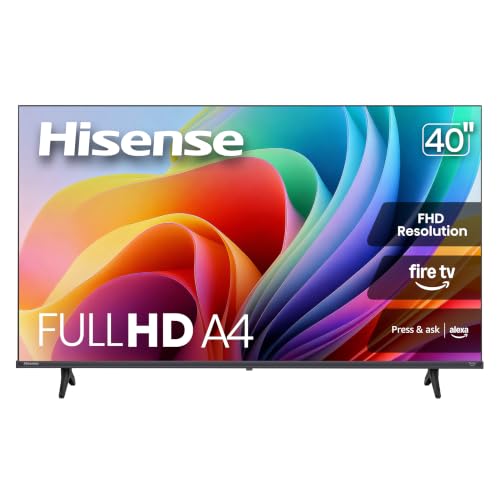
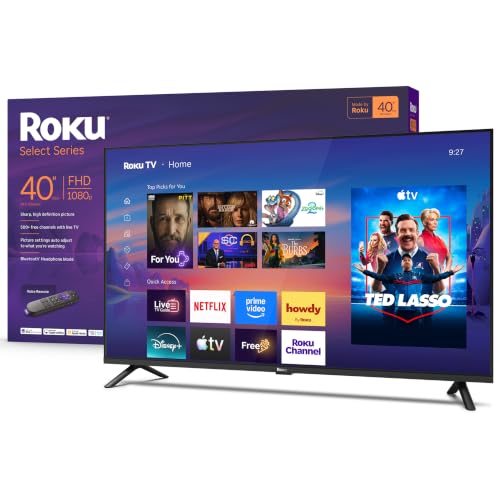
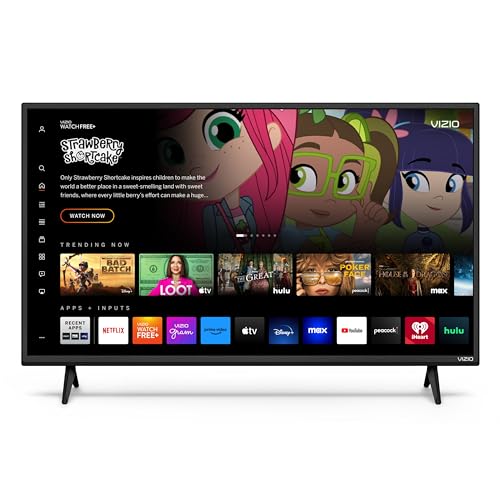

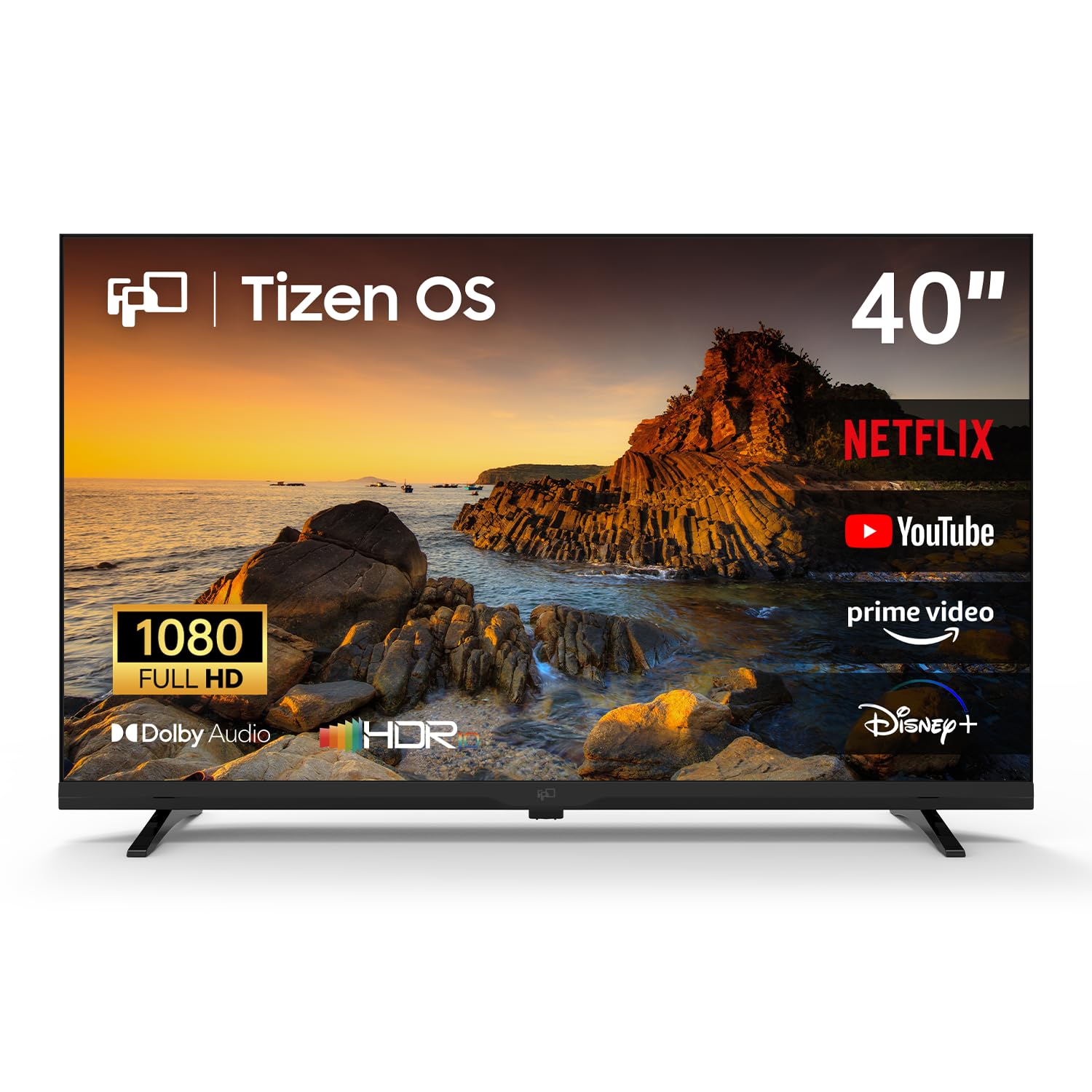

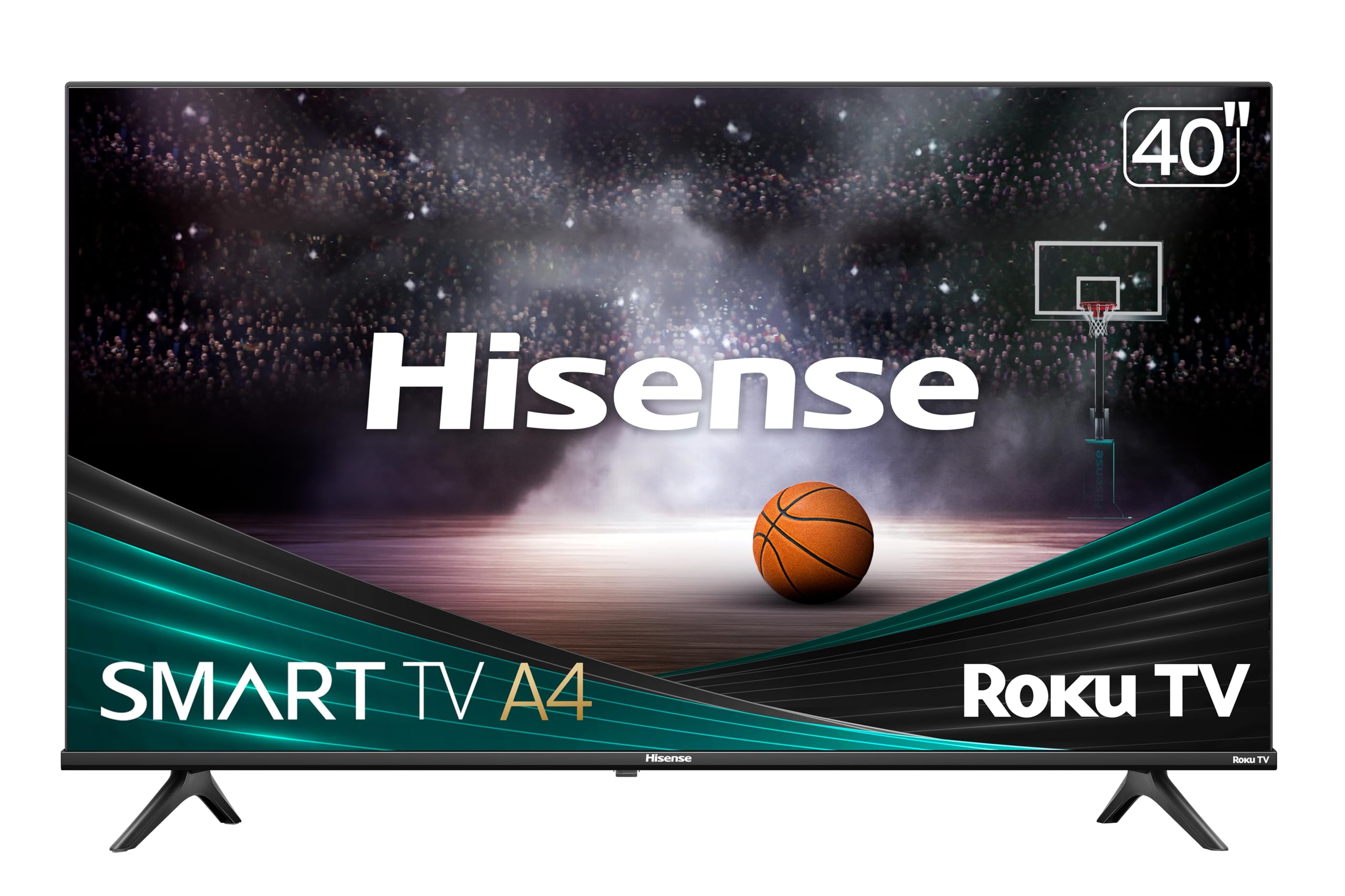


Types of 40 Inch Hd TVs Compared
Four broad types dominate this size. Wide format and productivity leaning models borrow from the monitor world, budget displays keep costs low for casual rooms, larger feeling options use slim bezels and strong brightness to seem bigger than they measure, and OLED displays deliver the deepest contrast at the highest prices. Each type trades something away, so read the trade offs, not just the strengths.
Productivity and Ultrawide Style Displays
These models borrow from desk monitors, with crisp text handling, low input lag, and sometimes a matte screen that resists glare from office lighting. They suit a bedroom desk combo, a dorm, or a small workspace where the screen doubles for a laptop during the day and streaming at night. The weakness is that true ultrawide panels are rare at exactly 40 inches in TV form, and monitor style models often have modest built in speakers and fewer streaming apps.
Choose this type if you will connect a computer often and care about sharp text and fast response more than cinematic contrast. Check for at least two HDMI ports and a game or PC mode that disables extra processing, because that processing adds delay between your keyboard or controller and the screen.
Budget Displays
Budget displays focus on the essentials: a decent HD or full HD panel, a basic smart platform or none at all, and a price that often lands around $150 to $250. They fit kitchens, guest rooms, garages, and kids rooms where the screen is a second set rather than the main event. Picture quality is perfectly watchable for news, sports, and casual streaming, especially in brighter rooms where deep black levels matter less.
The trade offs show up in dim scenes, where blacks look gray, and in motion, where fast action can blur. Speakers tend to sound thin, so budget a small soundbar if the room is large. For a wider look at value models at this size, see our roundup of the best 40 inch tv sets, which covers basic sets without smart extras.
Large Screen Feel Options
Some 40 inch models are designed to feel larger than they are, using very slim bezels, bright panels, and stands that lift the screen to a natural eye line. In a small living room where a 50 inch set would crowd the wall, these models give an immersive picture while keeping the footprint modest. High brightness also helps in sunlit rooms where a dimmer panel would wash out by midday.
The compromise is usually sound and viewing angle. Slim designs leave little room for speakers, and the VA panels often used for brightness and contrast narrow the sweet spot for viewers sitting far to the side. If your sofa is wide, test the viewing angle in store or choose an IPS panel model instead, even if its blacks are a little lighter.
OLED Displays
OLED panels light each pixel on its own, so black pixels are truly off and contrast looks striking in a dark room. Movies, prestige dramas, and games with night scenes gain depth that no ordinary LED panel at this size can match. Response time is nearly instant, which keeps fast motion clean without the blur trails that budget panels show.
The costs are price, which can run two to three times a budget model, and care. Static images left on screen for many hours, such as news banners or game interfaces, carry a small risk of image retention over years of heavy use. OLED also peaks lower in brightness than the brightest LED models, so a very sunny room is not its best home. For context on how these sets sit in the wider market, our guide to the best tvs of all time explains why OLED changed expectations for contrast.
Productivity and Ultrawide Style Displays vs Budget Displays: Which Should You Choose?
Compare these two types on five points. For text sharpness and desk work, the productivity style wins clearly. For simple channel surfing and streaming in a spare room, the budget display does the job for less money. For input lag, productivity models are usually faster, which helps with a connected laptop or console. For smart features, budget TVs often include a fuller streaming platform, while monitor style models may expect an external stick. For sound, both are modest, so neither escapes the possible soundbar addition.
The decision comes down to your second use. If the screen will show spreadsheets, documents, or a laptop desktop for hours each week, pay for the productivity leaning type. If it will mostly show shows, the budget display leaves money for a streaming stick or better seating, and you will rarely notice what you gave up.
How to Choose the Right 40 Inch Hd TV
Stand, Mounting, and Ergonomics
Check the stand width before you buy, because wide feet need a wide cabinet, while a center pedestal fits narrow furniture. Most models in this class offer VESA mounting, commonly 200 by 200, so a wall mount can free up surface space and set the screen at eye level. If the TV will sit on a desk, look for height adjustment or plan a riser, since a screen set too low strains your neck during long viewing or work sessions.
Refresh Rate and Response Time
Most TVs at this size run at 60 Hz, which suits broadcast TV, streaming, and casual gaming well. Higher native rates such as 120 Hz appear on pricier models and smooth motion in sports and games, but many advertised rates above that are processing claims rather than true panel speed. Response time affects blur: lower numbers keep moving objects sharper. Console players with the newest systems should look for HDMI 2.1 features only if the panel truly supports them. Our guide to the best 40 inch tvs for gaming breaks down which specs matter for play.
Resolution and Screen Size
HD at this size usually means 720p on the cheapest sets, full HD 1080p on most, and 4K on step up models. At five to eight feet, full HD looks clean for broadcast and streaming, and 4K adds fine detail you will notice most when you sit closer or use the screen with a computer. Remember that most cable and broadcast content still arrives at lower resolutions, and the TV scales it up. A good scaler matters as much as the headline resolution, which is one reason to compare the best 40 inch 4k tvs carefully rather than assuming every 4K badge means the same picture.
Panel Technology (IPS, VA, OLED, Mini LED)
IPS panels keep colors accurate from wide angles, which suits group viewing, but their blacks look lighter in dark rooms. VA panels deliver deeper contrast for movie nights, with narrower viewing angles as the price. OLED tops both for contrast and response, at the highest cost and with the image retention caveat noted earlier. Mini LED, rare at this size, uses many small backlight zones to approach OLED like contrast on an LED panel. Match the panel to your room first, and the spec sheet second.
Setup and Care Tips
When you set up, calibrate the picture before you judge the TV. Turn off the vivid mode, which oversaturates color and crushes detail, and start from the movie or standard mode with brightness set for your room light. On OLED models, use the built in pixel refresh function as the manual suggests, and vary your content so static elements do not sit in one place for whole days. Clean any screen with a dry microfiber cloth only, since household glass cleaners can damage coatings. A practical know how tip: photograph your cable connections before you move furniture, so reconnecting takes minutes.
40 Inch Hd TVs: Your Questions Answered
How long do 40 inch HD TVs last?
Most modern LED models last about seven to ten years of typical daily use before brightness fades noticeably. OLED panels also serve for years, though heavy use with static images can age them unevenly. Heat is the quiet enemy, so keep vents clear and avoid enclosing the TV in a cabinet without airflow. The electronics, such as power boards, tend to fail before the panel itself wears out in normal home conditions.
IPS vs OLED: which is better?
OLED is better for contrast, dark room movies, and fast motion, because each pixel controls its own light. IPS is better for wide seating, bright rooms, and buyers who leave news or sports tickers on for hours without worry. Price also separates them clearly. If your room is bright and your viewing group is wide, IPS gives you more of what you will actually notice each day.
Does refresh rate matter for non gamers?
Yes, but modestly. A true 120 Hz panel smooths sports and fast camera pans, reducing the judder that some viewers find distracting. For news, dramas, and most streaming, a good 60 Hz panel looks perfectly smooth, and processing modes that claim very high rates add little. Spend on panel quality and brightness first. Non gamers gain more from those than from chasing the largest refresh number on the box.
Is 4K worth it on a 40 inch TV?
It depends on your distance. Sit within about five feet, use the screen with a computer, or play current consoles, and 4K detail is visible and worthwhile. Sit eight feet away for broadcast TV, and full HD looks nearly identical in daily viewing, because the source itself is the limit. If the price gap is small, take 4K for future proofing. If it is large, full HD remains a sensible buy, and our guide to the best 40 inch smart tvs shows where smart features fit into that choice.
What size should I get for my room or desk?
A 40 inch screen suits viewing distances of about five to eight feet, which covers most bedrooms, dorms, kitchens, and small living rooms. On a desk, place it a little farther back than a monitor, since its size fills more of your view. Measure your stand or wall space and leave a few inches on each side for airflow and cables. If your sofa sits beyond nine feet, consider stepping up a size instead.
Final Thoughts
Pick the panel type for your room light and seating first, then confirm the stand or mount fits your furniture, and only then compare smart platforms and ports. The product table above gathers the finalists so you can check those points quickly. With that order, choosing the best 40 inch hd tvs for your space becomes a short, clear decision.


