
Best 4 Quart Saucepans (2026): Types Compared and Buying Guide
Disclosure: We may earn a commission when you buy through links on this page, at no extra cost to you. As an Amazon Associate I earn from qualifying purchases. Learn more

A practical guide to the best 4 quart saucepan: stainless, nonstick, and heavy premium builds, plus stove fit, handles, and budget.
Picture a weeknight when soup is simmering for dinner, pasta water is heating for the kids, and a small cabinet already holds more pans than it should. A four quart pan sits in the middle of that routine, big enough for a family meal yet small enough to store and lift without a struggle. Choosing the best 4 quart saucepan comes down to your space, your household size, and how much upkeep you accept.
This guide skips brand chasing and focuses on types, materials, and costs you can compare at home. Use the comparison table below to see the main options side by side, then work through the checklist so your choice fits your stove, your cabinets, and your budget the first time.


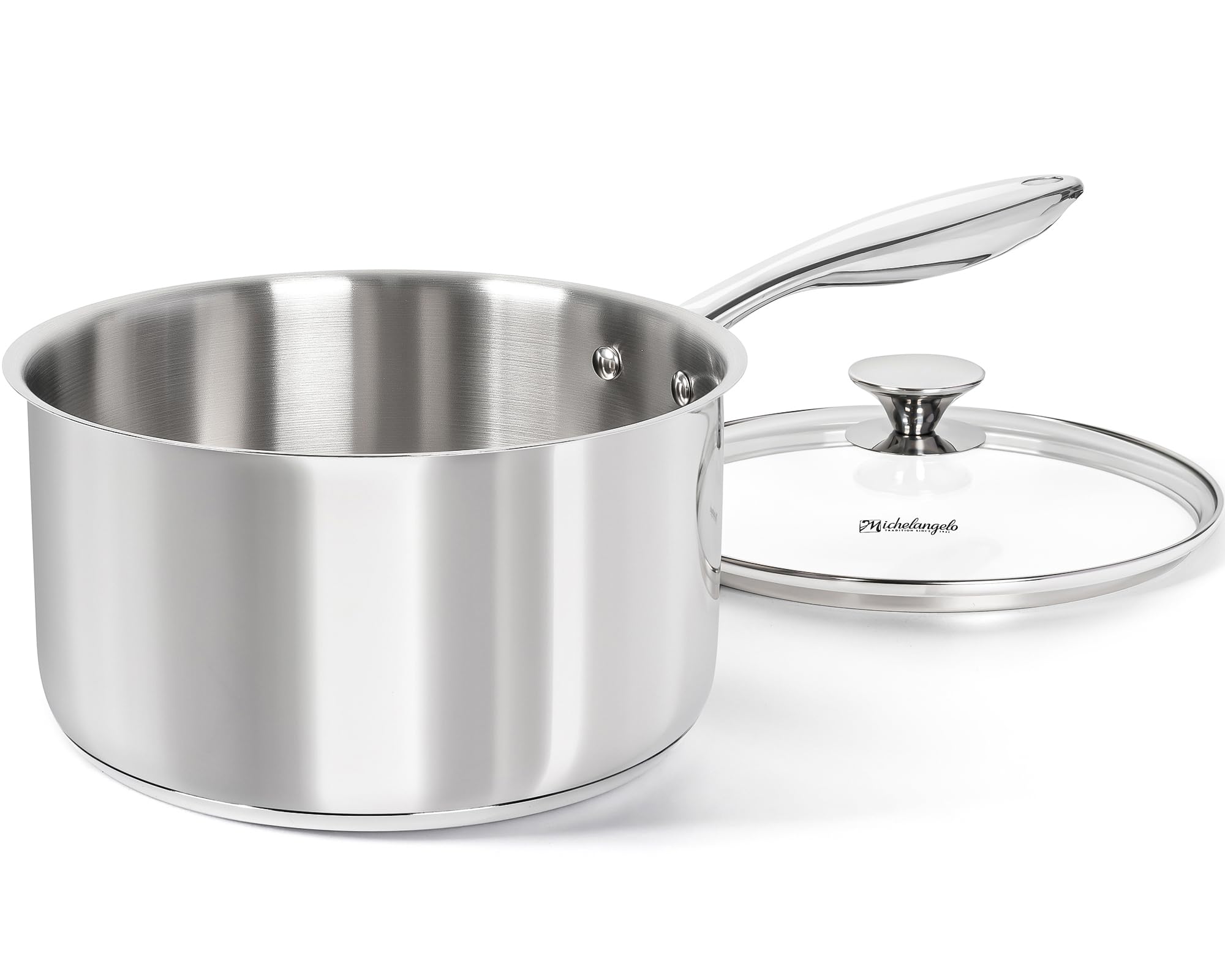
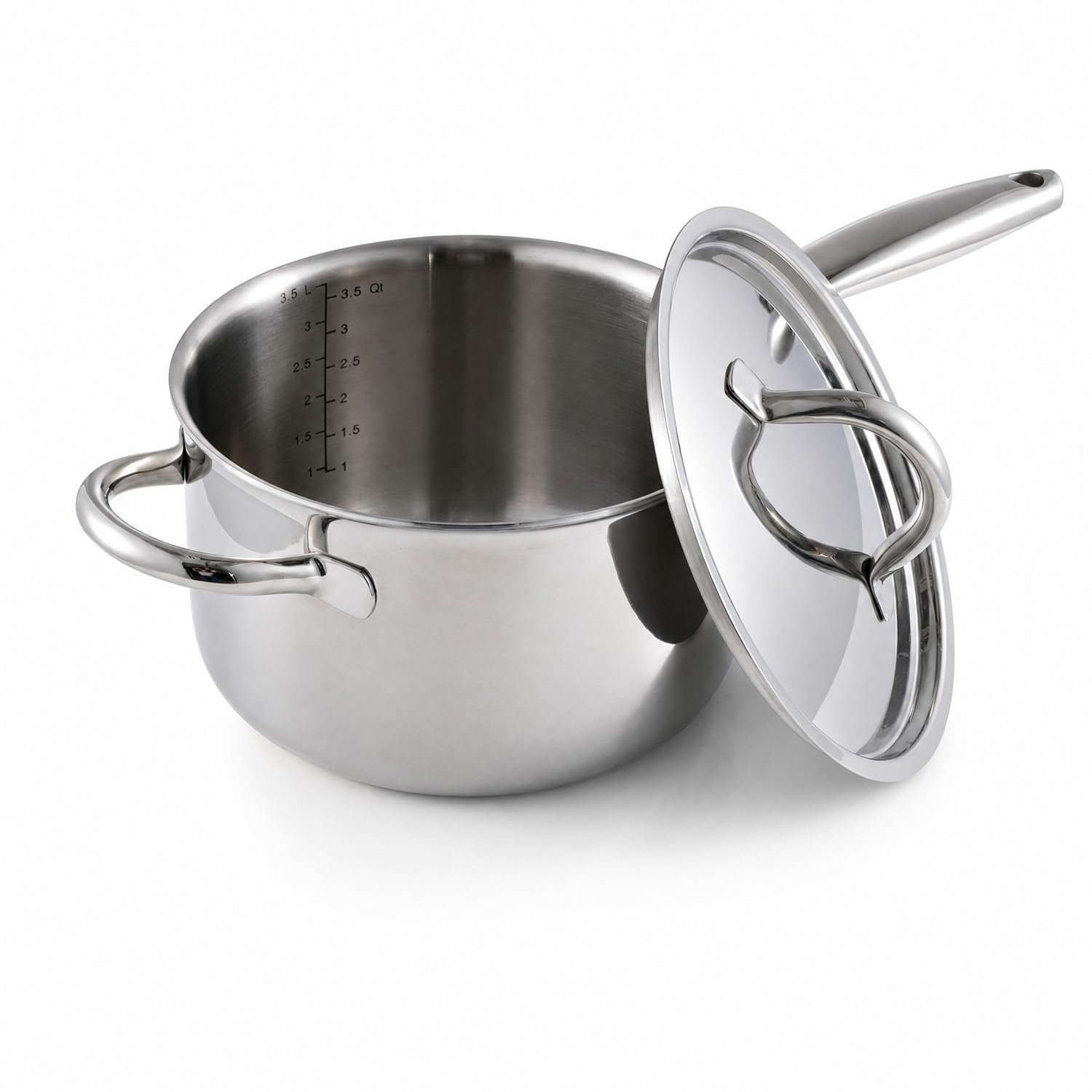
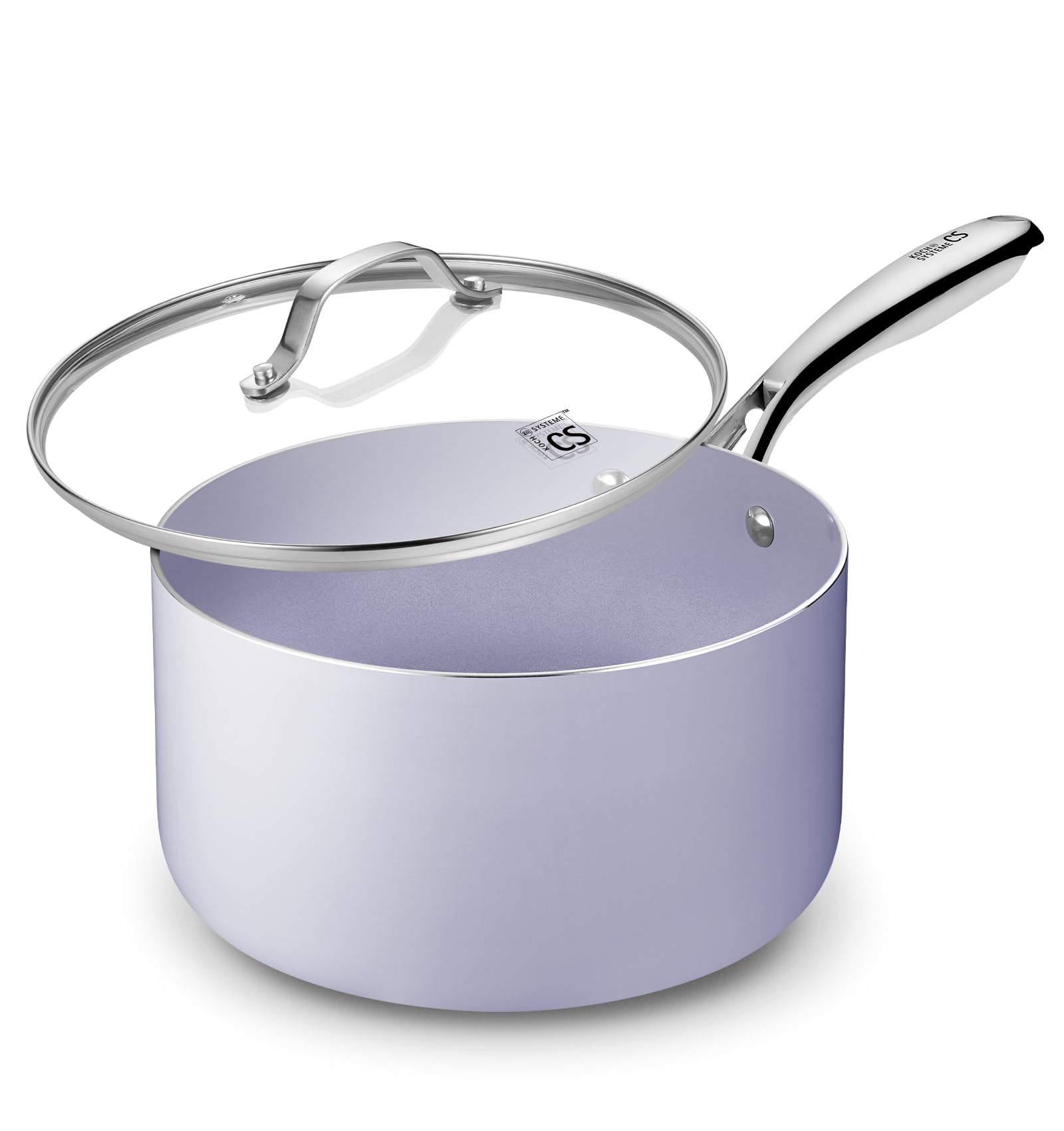
Quick Answer: How the Main Types Compare
If you want one simple starting point, stainless steel suits most homes because it handles high heat, acidic sauces, and daily scrubbing without a coating to protect. Nonstick suits gentle cooking at lower heat, where easy release matters more than browning. Ceramic coated pans sit between those poles, with slick interiors and moderate heat limits.
Capacity is the other half of the answer. A pan of this size comfortably holds a batch of soup, a pound of pasta with water, or grains for about four to six servings. If you mostly cook for one to four people, it is often the most used pan in the kitchen.
Before You Buy: A Quick Checklist for Choosing a Saucepan
Work through each point below in order. Size and stove fit come first, because a pan that cannot sit flat on your burner or fit in your cabinet will annoy you every single day.
Size: Match It to Your Space
Smaller pans in the one to three quart range suit single servings, reheating, and melting butter, while a four quart pan adds room for family portions and foods that expand as they cook. Check diameter as well as volume, since a wide pan heats faster but takes more cabinet room. Measure your burner and your shelf before ordering.
Which Type Fits Your Routine
Stainless steel tolerates metal utensils, high heat, and tomato based sauces that can stain lighter interiors. If you cook acidic sauces often, read our guide to the best stainless steel saucepan before you decide. Nonstick releases eggs, milk, and oatmeal with little residue, and you can compare the best nonstick saucepan options if those foods are daily staples. Copper and enameled pans offer fine heat control or easy serving at the table, but both usually cost more and ask for gentler handling.
Features Worth Paying For, and Ones to Skip
A fitted lid earns its cost because it traps steam for grains and lets you watch progress if it is glass. A pour spout helps when you drain pasta water or serve sauce without drips. A strainer lid can replace a separate colander for small jobs, which matters in a small kitchen. A steamer insert is worth skipping unless you steam vegetables several times a week, since it adds storage bulk and washing.
Is a Saucepan Non Toxic?
No cooking surface is magic, so judge materials by what they are made of and how you use them. Stainless steel and cast iron contain no applied coating, which is why many shoppers prefer them for very high heat. Nonstick coatings based on PTFE should stay below the maker stated heat limit and should be replaced once the surface is scratched or peeling. Shoppers who prefer coated interiors can review the best ceramic saucepan category as a separate option and check how its coating is described by the maker.
Induction, Gas and Glass Top Compatibility
Induction burners need a magnetic base, so test a listing for the word induction or place a magnet against the pan bottom in a store. Gas burners forgive slightly warped bases, while glass tops cook best with flat, smooth bottoms that will not scratch the surface. For induction ranges, the best induction saucepan guide explains base construction in more depth. Whatever your stove, match pan diameter to burner size so heat does not climb the sidewalls and scorch food.
Oven Safe Temperature and Handles
Many saucepans move from stove to oven for braises or for keeping a sauce warm, so confirm the oven limit for both the pan and its lid before you rely on it. Glass lids and coated handles usually carry lower limits than bare metal. A long main handle gives leverage when the pan is full, and a short helper handle on the opposite side makes two handed lifting far safer. Handles that stay cooler on the stove reduce the need for a mitt during quick adjustments.
Realistic Budget Ranges
At under $30, expect a single layer of metal, a basic lid, and lighter construction that suits occasional use. Around $50 to $100, you gain thicker bases, better lids, and handles that feel sturdier when the pan is full. At about $100 to $200, construction shifts toward layered metal throughout the pan walls, which evens out heat along the sides as well as the base.
Three Types Compared: Choosing Without Chasing Brands
Instead of naming specific models, this section compares the three builds most homes choose between. Match each build to your routine and the checklist above, and you will land close to the right pan.
Stainless Steel for Most Homes
Layered stainless steel with an aluminum or copper core spreads heat across the base and resists the hot spots that scorch milk and sauces. It browns well, goes under a broiler in many cases, and shrugs off scrubbing pads when food sticks. The trade off is weight and a learning curve, since eggs and delicate foods cling until you manage heat and fat with some patience. For households that cook varied meals daily, this build usually delivers the longest service for the money.
Nonstick and Ceramic Coated Options for Gentle Cooking
Coated pans shine at low and moderate heat, where oatmeal, scrambled eggs, and reheated soup release with a quick rinse. They are light to lift and kind to small sinks, which suits apartments and older cooks who value easy handling. The limits are real, though. Coatings dislike very high heat and metal tools, and they wear out years sooner than bare metal. Treat a coated pan as a renewable tool with a shorter life, and budget for eventual replacement when you compare prices.
Heavy Premium Builds for Long Term Value
Thick layered pans and enameled cast iron hold heat steadily, so sauces simmer at a gentle bubble without constant stirring or burner tweaks. That steadiness helps with custards, reductions, and slow grains. The costs are weight, price, and storage, since a heavy pan is awkward to pour from with one hand. Choose this build if you cook sauces and soups several times a week and plan to keep one pan for many years rather than rotating cheaper ones.
How to Evaluate a 4 Quart Saucepan
Judge any candidate against five points: even heating across the base, a base that sits flat on your stove, a lid that seals without rattling, handles that feel secure when the pan is full of water, and cleaning that matches your patience. Maker specifications and verified buyer comments about warping, handle looseness, and lid fit are useful signals.
Is a 4 Quart Saucepan the Right Size for You?
For households of two to four, this size covers most daily jobs: soup for dinner with modest leftovers, a full box of pasta, or rice and grains for several servings. It also works as a small stockpot for blanching vegetables or boiling eggs for a crowd at breakfast. Our saucepan vs pot comparison helps if you are torn between this pan and a larger pot for batch cooking.
Choose a smaller pan if you live alone and mostly reheat single portions, because a big pan wastes burner energy and cabinet room. Choose a larger pot if you regularly cook for six or more people or make stock in bulk.
Common Buying Mistakes to Avoid
- Buying by quart size alone and ignoring diameter, which leaves you with a pan that is too wide for your burner or too tall for your shelf.
- Ignoring replacement cost on coated pans, so a low purchase price turns into repeat spending every few years.
- Paying for inserts and extra lids you will rarely use, which adds storage bulk without improving daily cooking.
- Skipping the oven limit on the lid, then discovering the glass or its knob cannot handle the temperature your recipe needs.
- Choosing a heavy pan you cannot lift safely when full, which makes draining pasta water a two person job.
Cost of Ownership and Care
Ownership costs stay low with bare metal, since there is no coating to renew and no special tools to buy. Coated pans may need replacement sooner, and enameled surfaces can chip if struck against a sink edge, so factor that into the true price. The step by step routines in how to clean a saucepan cover daily washing and stain removal for each material.
For daily care, wash with warm soapy water, dry the pan before storing it, and avoid stacking heavy pans inside a coated interior. Check handle screws or rivets a few times a year and address looseness early, since a wobbling handle is unsafe with hot liquid.
FAQ
Can a 4 quart saucepan cook rice without boiling over?
Yes, if you leave enough headspace and keep the lid slightly ajar once the water simmers. Four quarts holds about four to five cups of dry rice with its cooking water, but foamy starch needs room to rise. Rinsing rice first reduces surface starch and lowers the foam. If your household cooks larger grain batches often, cook in two rounds or step up to a bigger pot for that single job.
What does 4 quarts mean in liters and cups?
Four quarts equals about 3.8 liters, or about 16 cups of liquid when filled to the brim. In practice you should cook with about three quarts or less in the pan, leaving the top portion as headspace for bubbling sauces and starchy water. That working capacity is a useful check when a recipe lists volume instead of pan size, and it explains why a four quart pan feels smaller in use than the label suggests.
Can a 4 quart saucepan go in a dishwasher?
Many stainless steel pans tolerate a dishwasher, but harsh detergents can dull finishes and cloud glass lids over time. Coated and enameled pans last longer with hand washing, since racks and other dishes can chip or scratch their surfaces. Handles with wooden or wrapped grips should always be washed by hand. When in doubt, follow the care notes from the maker for your specific material rather than a general rule.
Is a saucepan worth it if you already own a stockpot?
Yes, for most homes, because a stockpot is oversized for the small jobs you do most often. Heating soup or sauce in a huge pot wastes energy, takes longer, and makes pouring awkward. A four quart saucepan heats faster, pours with control, and fits a standard burner properly. The stockpot still earns its place for stock, corn, and large batches, so the two tools complement rather than replace each other.
How can you store a 4 quart saucepan in a small kitchen?
Store the lid inverted on top of the pan so the knob sits inside the rim, which lowers the total height and protects the lid edge. A pan with a hole in the handle can hang from a rail or hook, freeing a whole shelf. If you stack pans, place the saucepan on top of heavier cookware rather than beneath it, which keeps its base flatter and its sides free of dents.
Final Thoughts
Start with your stove, your cabinet space, and the size of your household, then pick the material that matches how gently you are willing to cook and clean. The product table above pulls those trade offs together, so revisit it once you know which build suits your routine. For most homes, the best 4 quart saucepan is the layered stainless steel pan that fits the burner, stores easily, and asks for nothing special in daily care.


