Best 4 Quart Air Fryers (2026): Types Compared and Buying Guide
Disclosure: We may earn a commission when you buy through links on this page, at no extra cost to you. As an Amazon Associate I earn from qualifying purchases. Learn more

A practical guide to the best 4 quart air fryer: single basket, oven style, and compact dial models, plus capacity, safety, and cleaning.
Picture a weeknight in a small kitchen. Dinner needs to feed three people, the oven feels like too much appliance for the job, and the counter already holds a coffee maker and a cutting board. This is the gap a best 4 quart air fryer is meant to fill. It cooks a family sized batch of frozen snacks, roasted vegetables, or chicken pieces in one load, yet it still tucks into a cabinet or a corner when the meal is done.
This guide helps you choose by what shapes daily life at home: counter room, how many people you feed, and what you can spend. Compare the styles in the comparison table below, then use the checklist that follows to narrow your choice.




Quick Answer: The Three Styles That Fit Most Homes
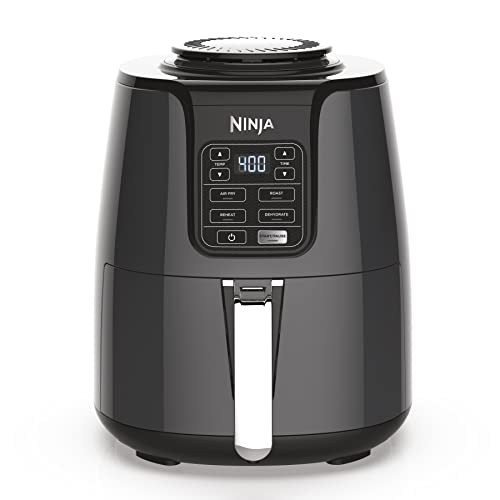
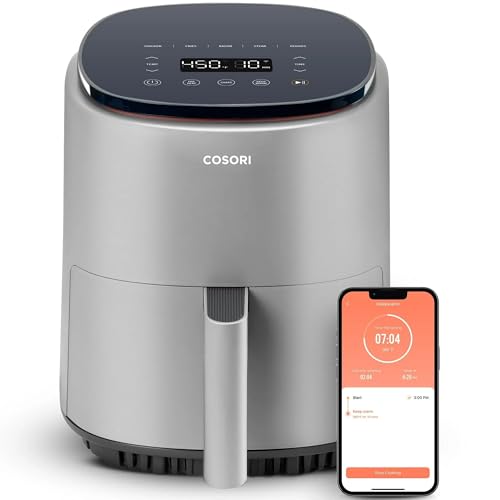
Most 4 quart models fall into three styles. A classic single basket suits most homes, since it is simple to load, shake midway, and wash. An oven style model adds racks and a door, which helps when you cook two kinds of food at once. A compact basket model with basic dials costs less and stores easily. Your routine, your storage, and your budget decide which one earns its place.
Before You Buy: A Quick Checklist for Choosing an Air Fryer
Size: Match It to Your Space
Capacity names can mislead, since brands measure the basket in different ways. A 4 quart basket generally cooks dinner for two to four people, or a generous side dish for a larger group. Smaller 2 quart models suit one person but force extra batches, while 5 and 6 quart models feed bigger families yet claim far more counter room. If you mostly cook for one, compare this size with the options in our guide to the best small air fryer before you buy.
Which Type Fits Your Routine
Basket models are the default for a reason. You pull the drawer, add food in one layer, and shake once during cooking. Oven style models use racks and a door, so they handle toast and two trays at once, but they take longer to clean. Dual basket models split capacity between two zones, which suits people who cook a main dish and a side at different settings. If avoiding coated baskets matters to you, look at the best glass air fryer styles, and weigh glass weight and breakage risk against easier viewing.
Features Worth It (and Ones to Skip)
A viewing window and an interior light earn their cost, since you can check browning without opening the basket and letting heat escape. A shake reminder helps with fries and wings, and a keep warm setting helps when diners eat at different times. Preset programs for foods you cook weekly are handy, but long preset lists add little. You can usually skip rotisserie functions at this size, voice control, and app control. Materials matter more than gadgets, so readers focused on coatings should also see our guide to the best non toxic air fryer choices.
Wattage, Power and Energy Use
Most 4 quart models draw about 1200 to 1700 watts, yet the smaller cavity heats faster and finishes sooner than a full size oven. That shorter run time is where the energy saving comes from, not from the wattage number alone. Check that your kitchen circuit can share the load, since running an air fryer and a microwave on one circuit can trip a breaker. Plan a spot near an outlet rather than relying on an extension cord.
Safety Features and Certifications
Look for a listing mark from an accredited lab, such as UL or ETL, printed on the rating label. Useful protections include automatic shutoff when the basket opens, a cool touch exterior, and feet that grip the counter so the unit stays put. Treat smoke, a melting smell, a damaged cord, or a cracked basket as stop signs. Unplug the unit, let it cool, and contact the maker or a qualified repair service rather than cooking again.
Counter Space and Dimensions
Measure before you order, in three directions. Height matters most, since many cabinets sit low enough that a tall unit cannot vent properly. Leave a few inches of clear space behind and above the unit for hot air to escape, and check the depth with the basket pulled fully open, not just the closed footprint. If storage is tight, note the weight as well. A heavy model tends to live on the counter forever, while a lighter one actually gets put away.
Realistic Budget Ranges
Under $50 usually buys a compact basket model with a dial timer and fewer presets, which still cooks everyday foods well. About $50 to $100 covers the broad middle of this size, with digital controls and better baskets. About $100 to $150 tends to add quieter fans, stronger construction, and oven style formats. Spending about $150 to $200 makes sense mainly for premium materials or strong parts support. For the full range across sizes, see our roundup of the best air fryer models.
Three Types Compared: Ways to Spend Your Money Well
Compare the three types below against your own routine. Each cooks the same core foods. What changes is how it fits your space, your cleaning habits, and your budget over years of use.
The Classic Single Basket for Most Homes
This is the type to start with if you cook for two to four people and want the least fuss. One drawer, one cooking zone, and controls you can learn in a single evening. Baskets and crisper plates on these models are often dishwasher safe, which keeps cleanup short. The trade off is batch cooking. A crowd sized pile of wings will need two loads, and thick pieces can crowd the airflow if you stack them. For most homes, that is a fair exchange for the lower price and small footprint.
The Oven Style Model for Varied Cooking
Oven style models swap the drawer for a door and one or two racks. That layout suits households that toast bread, bake small casseroles, and reheat pizza alongside air frying, since food spreads across racks instead of piling in a basket. The costs are size and upkeep. These units are taller, their interiors have more surfaces to wipe, and crumbs collect along the door seal. Choose this type when variety matters more than fast cleanup.
The Compact Dial Model for Tight Budgets
A basic dial controlled basket model strips the extras and keeps the essentials: a heating element, a fan, a timer, and a temperature dial. It suits renters and anyone testing whether air frying fits their cooking at all. Expect fewer presets, a louder fan on some models, and a basket coating that needs gentler care to last. What you give up in polish, you gain back in price, light weight, and a footprint that stores in a deep drawer or a low cabinet.
Our Selection Process for 4 Quart Air Fryers
We judge this size on six criteria that match how people actually use it: true usable capacity, even cooking across a full basket, ease of use on a tired weeknight, cleaning time, noise in an open plan room, and safety listing plus warranty support. Our comparisons draw on maker specifications and patterns in verified buyer feedback, such as repeated notes about smoke, coating wear, or fan noise. We do not claim hands on testing here.
Is a 4 Quart Air Fryer the Right Size for You?
Choose this size if you cook for two to four people most nights and your largest regular job is a batch of fries, roasted vegetables, or chicken pieces for one meal. It is also a sensible step up if a 2 quart model keeps forcing you into second batches. It is the wrong size if you regularly cook for six or more people, or if you want to fit a whole chicken with room to spare. Before your first week of cooking, our walkthrough on how to use an air fryer covers loading, spacing, and first meal timing in plain steps.
Common Buying Mistakes to Avoid
- Measuring the counter but not the cabinets. A unit that fits the footprint can still block its own vent under low cabinets, which hurts cooking.
- Trusting the quart number alone. Basket shape differs by brand, so a wide shallow basket fits food in one layer better than a narrow deep one with the same stated capacity.
- Paying for presets you will never press. Money spent on a long preset list is money not spent on a better basket or a longer warranty.
- Ignoring replacement part costs. A cheap model with no spare baskets or crisper plates for sale can become a full replacement purchase after one damaged part.
- Placing the unit against a wall. Rear vents need clear space, and pushing the unit flush to the wall traps heat and cooking smells.
Cost of Ownership and Care
Ownership costs stay modest when you plan for them. Electricity for a typical dinner run is a small part of a monthly bill, since sessions are short. The real costs are consumables and parts: parchment liners if you use them, and a replacement crisper plate or basket after years of wear. Wipe the exterior with a damp cloth, wash the basket after greasy foods so residue does not bake on, and store the unit with the basket ajar so moisture and odors can escape.
FAQ
What is the most reliable air fryer brand?
Reliability depends more on support than on a logo. Favor brands that sell spare baskets and crisper plates, publish a clear warranty of at least a year, and answer support requests through a working phone line or email address. Check recent buyer feedback for patterns about fans failing or coatings peeling within the first year. A brand that stocks parts for older models expects its appliances to be repaired, not replaced.
How do you clean an air fryer?
Unplug the unit and let it cool fully before you start. Wash the basket and crisper plate in warm soapy water, soak them for ten minutes when food is stuck, and use a soft sponge so the coating survives. Wipe the interior walls and the area around the heating element with a damp cloth, since grease gathers there first. Our full routine for how to clean an air fryer adds steps for baked on residue and lingering odors.
Is an air fryer worth it for a small household?
Yes, if your oven feels oversized for the meals you cook most. A 4 quart unit heats in minutes, crisps leftovers better than a microwave, and uses a smaller cavity than a full oven for single pan jobs. It earns its counter space when you use it several times a week. If you mostly cook soups or large roasts, it will sit idle, and the money serves you better elsewhere.
How long does an air fryer last?
Most countertop air fryers last about three to five years of regular use, and gentler habits stretch that span. The basket coating and the fan usually age first, so hand washing the basket and avoiding metal utensils protect the parts most likely to fail. Register the warranty when you buy, and keep the receipt. If cooking times suddenly grow longer or the fan rattles, contact support while coverage may still apply.
What size air fryer do I need for frozen foods?
Judge by the bag, not the box claim. A standard bag of frozen fries cooks best in this size when you load roughly half the bag at once, leaving room for air to move and for shaking. If your household empties a full bag at every meal, step up a size rather than piling food deep, since a crowded basket steams instead of crisping.
Final Thoughts
For most households, the best 4 quart air fryer is the classic single basket type, sized for two to four people and simple enough to use daily. Pick the oven style if you cook varied foods across racks, and pick the compact dial type if price and storage lead your decision. Before you order, measure your counter height, confirm the safety listing, and scan the product table above once more against your budget range.