Best 4 Qt Slow Cookers 2026: How to Pick the Right One
Disclosure: We may earn a commission when you buy through links on this page, at no extra cost to you. As an Amazon Associate I earn from qualifying purchases. Learn more

Clear checks on features, price and upkeep to help you choose the best 4 qt slow cookers.
A 4 quart slow cooker sits in a useful middle ground. It is large enough for a family stew or a pot of soup, yet small enough to store without taking over a cabinet. best 4 qt slow cookers work well for households of two to four people who want set and forget cooking without leftovers piling up for days.
The right model depends on what you cook most. Soups and braises need even, gentle heat and a lid that seals well. Roasts need depth and a crock that lifts out easily. This guide explains capacity in real meals, heat settings, and cleanup, so you can choose with confidence. The product table gives a quick overview of the main choices. The sections that follow explain types, features, and everyday use, so you can match a model to your routine rather than to a showroom display.


Who Should Buy Which Model
A 4 quart size suits couples and small families who cook most meals at home. It handles a whole chicken in many cases, a beef stew for four, or a bean pot that lasts two evenings. If you often cook for one, the same size can still work, because many recipes freeze well in portions.
It is a weaker fit for large gatherings or weekly batch cooking for a big household. In that case a larger crock saves a second batch. It is also a poor fit if your counter space is very tight and you already own several large appliances, since even a midsize slow cooker needs a safe spot away from the wall.
Types Compared
Most choices fall into a few clear types. The differences below matter more than small specification gaps, because they decide how the product feels in daily use.
Manual slow cookers
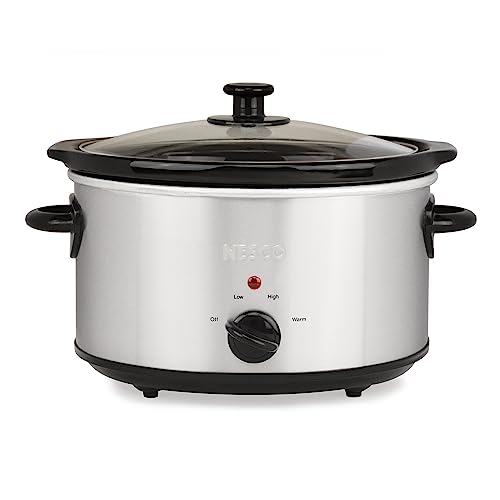
A manual slow cooker offers high, low, and warm settings on a simple dial. It is easy to use, often affordable, and has few parts that can fail. This type suits cooks who follow familiar recipes and do not need timed shutoff.
The trade off is control. Food can overcook if you return late, and there is no delayed start. If your schedule is unpredictable, a programmable model may serve you better.
Programmable slow cookers
A programmable model lets you set a cooking time, after which it switches to warm. That feature protects a stew when traffic runs late or a meeting overruns. Many models also show remaining time on a small display.
Programmable controls add cost and complexity. Check that the buttons are easy to read and that the warm setting truly holds food at a safe serving temperature rather than continuing to cook it.
Multicookers with a slow cook mode
A multicooker adds pressure cooking, steaming, and sauteing beside slow cooking. It suits small kitchens where one appliance must do several jobs. The slow cook mode can be handy, though heat may come mainly from below rather than all around.
If slow cooking is your main use, a dedicated crock often gives more even results. Multicookers also tend to be heavier and taller, so check lid height and storage before you commit.
Key Features to Compare
Crock shape and material
Round crocks suit soups and stews, while oval crocks fit roasts and whole chickens better. Ceramic crocks hold heat evenly and lift out for serving. Check weight when full, because a heavy ceramic crock can be awkward to carry to the table.
Lid fit and sealing
A lid that sits flat keeps moisture in and heat steady. A loose lid lets steam escape, which can dry out a braise and lengthen cooking time. Locking lids help for transport, but they are not needed if the cooker stays on the counter.
Heat settings and warm mode
Low and high settings should give clearly different cooking times, not just a small change. A reliable warm mode matters for busy days. Test reviews and manuals for warm temperature guidance, and avoid leaving food on warm for many hours.
Cleanup and storage
A removable crock that can soak in the sink makes cleanup far easier. Dishwasher safe parts help, though hand washing often protects the finish longer. Measure the crock and lid together, since the lid adds height in storage.
Common Mistakes to Avoid
A common mistake is filling the crock too full or too little. A crock filled above the rim can bubble over, while a crock less than half full can cook too fast and dry out. Aim to fill it between half and three quarters full for most recipes.
Another mistake is lifting the lid often to check progress. Each lift releases heat and steam and can add cooking time. Trust the timer, check once near the end, and keep the lid closed during the main cooking period.
Budget and Long Term Value
A basic 4 quart slow cooker costs about $30 to $60, while programmable models often run about $50 to $100. Premium finishes and multicooker features can push the price higher. For most households, the middle range gives the best balance of control and durability.
Long term value comes from a crock that resists chips, a lid that keeps its seal, and controls that stay clear after years of steam. Replacement crocks are not always sold separately, so treat the crock gently and avoid sudden temperature changes.
A Final Check Before You Order
Before you order, measure your cabinet shelf and your counter depth, including lid height. Check that the power cord reaches an outlet without crossing a walkway. Confirm the crock weight when full feels manageable for the person who will carry it most.
Read the recipe sizes you use most and match them to 4 quarts in real terms. A soup that serves four with bread on the side fits well. A roast with vegetables for six may not. When in doubt, cook a familiar recipe in mind and picture it inside the crock.
Related guides can help you compare nearby choices before you decide. Readers who want a wider view often look at best reviewed slow cookers, best crock pots and slow cookers, best cookbook for slow cookers, best electric slow cookers and best 12v slow cookers alongside this guide, then return here to check size, fit, and daily use against their own routine.
Getting the Most From Your Choice
Once you have narrowed your list to two or three options, compare them side by side on the points that matter most for your daily routine. For best 4 qt slow cookers, the deciding factors are usually fit, size, and how the product behaves after the first few weeks, not the longest feature list. Write down your top three needs before you compare, and score each option against those needs only.
In the first week, test the basics carefully. Check fit, controls, and comfort in real conditions, and keep packaging until you are sure. Small annoyances in week one often grow into daily frustrations, so it is better to notice them early while a return or exchange is still easy.
Care and upkeep protect your purchase over time. Follow maker guidance for cleaning and storage, and check moving parts, seals, or straps regularly for wear. Simple upkeep, done on a schedule, often extends useful life far more than buying a more expensive model and neglecting it.
Finally, think about total cost, not just purchase price. Running costs, replacement parts, and accessories add up over a year. A slightly pricier option with lower upkeep can cost less overall than a cheap option that needs frequent replacements or repairs.
Questions to Ask Before You Order
Use these questions as a final checklist before you buy. They help you catch fit, cost, and upkeep issues while a change is still easy.
- Does this option fit my space, my routine, and the people who will use it most?
- What will I need to clean, maintain, or replace in the first year?
- Which features will I actually use every week, and which are only nice to have?
- Can I return or exchange it easily if the fit or comfort is wrong?
- Does the total cost, including accessories and upkeep, stay within my budget?
Frequently Asked Questions About Best 4 Qt Slow Cookers
Is 4 quarts enough for a family of four?
Yes, for most everyday meals. A 4 quart crock handles soups, stews, chili, and many roasts for four people. It may feel tight for a large holiday meal or for batch cooking, in which case a larger size or a second batch works better.
Can I cook a whole chicken in a 4 quart slow cooker?
Often yes, if the chicken is small to medium and the crock is oval or deep. Check the bird weight against the crock depth before you buy. A very large roasting chicken may fit better in a 5 or 6 quart model.
Should I choose manual or programmable?
Choose manual if you cook on a steady schedule and like simple controls. Choose programmable if you often return late, since automatic switch to warm protects food. Both types cook well when the crock size and lid fit are right.
How do I avoid dry slow cooker meals?
Keep the lid closed, fill the crock at least half full, and use enough liquid for the cooking time. Tough cuts with some fat stay moist longer than very lean meat. Check liquid near the end rather than at the start of cooking.
Is a locking lid worth it?
A locking lid is worth it mainly if you carry the cooker to gatherings or potlucks. For countertop use at home, a well fitting regular lid works just as well and is often easier to clean and store.
Final Thoughts
The best choice is the cooker that matches your household size, your most cooked recipes, and your daily schedule. A 4 quart model gives most small families room for real meals without wasted space or endless leftovers.
Start with crock shape, lid fit, and heat control, then weigh cleanup and storage. When those basics fit your kitchen, best 4 qt slow cookers become a quiet helper on busy days rather than another appliance in the way.
Use the product table to shortlist two or three options, then check measurements, fit, and running costs once more before you buy.