
Best 1200w Microwaves: Budget, Midrange, and Premium Picks for 2026
Disclosure: We may earn a commission when you buy through links on this page, at no extra cost to you. As an Amazon Associate I earn from qualifying purchases. Learn more

Compare the best 1200w microwaves by price tier, size, and cooking features so you can choose a model that heats fast and fits your kitchen well.
A 1200 watt microwave sits at the powerful end of home cooking, heating food fast and cooking more evenly than weaker models. Prices for the best 1200w microwaves range from under $150 to well over $800, and the gap is not always obvious from a photo.
This guide explains what each price tier actually delivers, which upgrades earn their cost, and which ones you can skip with confidence. Start with the product table, then use the tiers and checklists here to match a model to your kitchen and your habits.
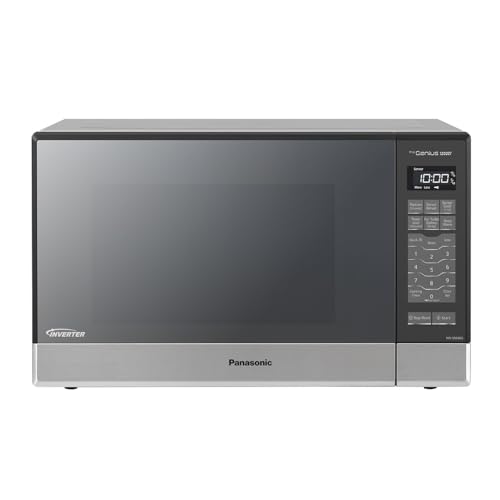
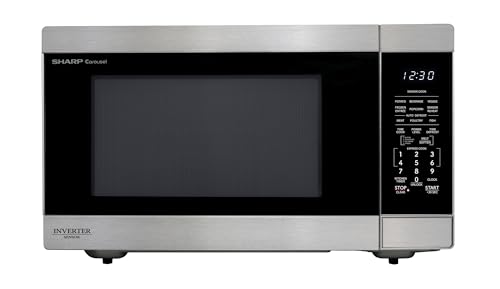

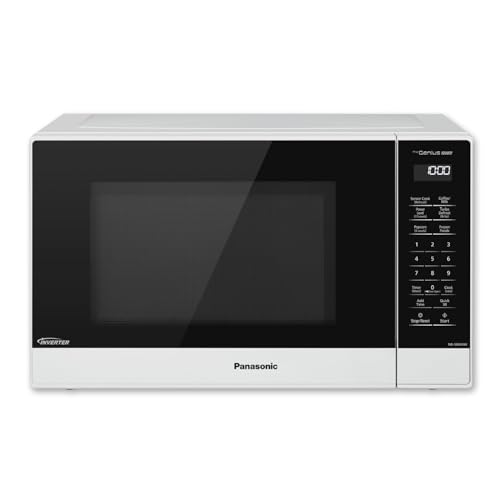

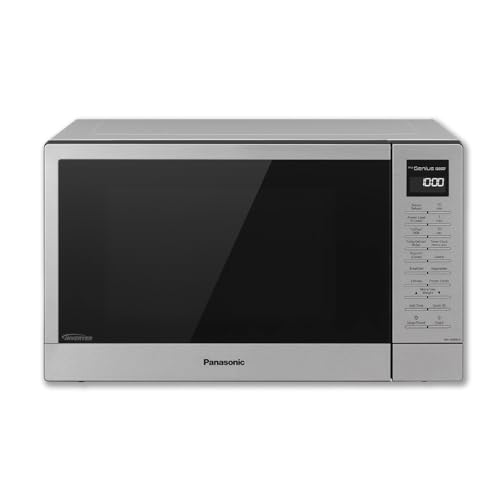


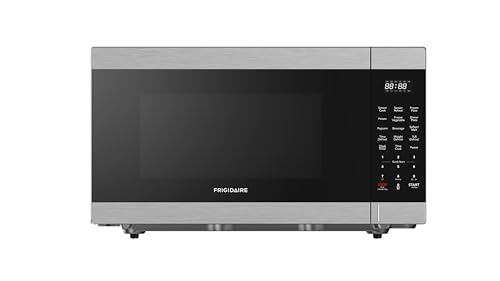
Best 1200w Microwaves by Budget Tier
Rather than chasing a single winner, think in tiers. Each tier below describes a type of buyer and a type of machine, so you can place yourself first and shop second. For a broader look at owner satisfaction across sizes and brands, see our guide to the best reviewed microwaves once you know which tier fits you.
Budget Tier Buyer: Speed on a Small Budget
The budget buyer wants fast reheating, defrosting, and simple cooking without paying for extras. Models here are usually compact countertop units around 0.9 to 1.1 cubic feet, with basic presets, a membrane or dial control panel, and a standard turntable. They heat well because the wattage does the heavy lifting.
The main limits are space and refinement. A large dinner plate may fit tightly, power levels step down in pulses rather than smoothly, and interior finishes are basic painted metal that needs regular wiping to stay fresh.
Midrange Tier Buyer: The Everyday Family Cook
The midrange buyer cooks in the microwave several times a week and wants room for casseroles, mixing bowls, and family size portions. Expect about 1.2 to 1.6 cubic feet, sensor reheating, more presets, and often a stainless finish that matches other appliances.
This tier suits most households because the upgrades are practical rather than decorative. Sensor cooking alone removes much of the guesswork from reheating leftovers, which is the task a microwave performs most often.
Premium Tier Buyer: A Second Oven in Disguise
The premium buyer wants the microwave to do real cooking, not just reheating. Models here add convection or air fry functions, inverter power delivery, larger cavities around 1.5 to 2.2 cubic feet, and installation options that free counter space.
These machines make sense for small kitchens that lack a second oven and for keen cooks who will actually use the extra modes weekly. If you only reheat coffee and soup, this tier buys capability you will rarely touch.
What Your Money Gets You at Each Price Tier
Budget Tier: What to Expect
Budget models generally cost around $100 to $200. You get full 1200 watt cooking power, a turntable, ten power levels, and core presets for popcorn, potatoes, and frozen meals. Cavities are smaller and fan noise is usually louder, and the door and controls feel lighter.
The smart way to shop this tier is to protect the basics. Measure your largest plate, confirm the interior height fits a tall mug or baby bottle if that matters, and choose a control panel you can read easily in low light.
Midrange Tier: The Sweet Spot for Most Buyers
Midrange models generally cost about $200 to $400. This is where sensor cooking, inverter options, larger turntables, and better interior coatings appear. Many also add a soften and melt function, a keep warm mode, and a child lock, all of which get used more than novelty presets.
Build quality improves in ways you notice daily. Doors close with a solid sound, buttons respond firmly, and the interior light is brighter. For most families, this tier delivers the best balance of price, size, and everyday convenience among 1200w microwaves.
Premium Tier: When Spending More Pays Off
Premium models generally cost about $400 to $900, and built in or drawer styles can cost more. The money buys combination cooking, larger capacity, quieter operation, and finishes designed to sit at the center of a renovated kitchen. Venting models in this tier also move more air, measured in CFM, which matters over a busy stove.
Spending more pays off when the microwave replaces other appliances or anchors a remodel. It pays off far less when the premium is only for a designer handle or a long list of presets you will never select.
Features Worth Paying For (and Ones to Skip)
Convection and Air Fry Combos
A convection combo adds a heating element and fan, so the microwave can roast, bake, and brown instead of only steaming food from the inside. Air fry modes use the same fan at higher intensity for crisp results with little oil. These combos appear mainly in the premium tier.
Pay for a combo if your oven is slow, small, or often busy with another dish. Skip it if you already own a good countertop oven, because the microwave cavity is smaller and results, while capable, rarely beat a dedicated appliance.
Sensor Cooking and Presets
Sensor cooking measures steam released by food and adjusts time and power automatically, ending the cycle when the food is hot rather than when a timer guesses it should be. Sensor reheat and sensor popcorn are the two modes most owners praise, since both prevent the scorched edges and cold centers of fixed timers.
Speaking of popcorn, bag size and kernel type change results a lot, so readers who make it often may enjoy our guide to the best microwaves for popcorn. For everything else, a short preset list you understand beats a crowded panel of forty options.
Installation Type (Countertop, Over the Range, Built In, Drawer)
Installation decides your real cost and your daily comfort. Countertop models are cheapest and simplest, and our guide to the best countertop microwaves covers measuring and ventilation space for that style. Leave a little clearance around the vents and never push the unit flush against a wall.
Over the range models add a vent fan and light but need suitable cabinet height and ducting decisions. Our guide to the best overhead microwaves explains that layout in detail. Built in and drawer models look seamless and save counter space, yet they cost the most and usually need professional fitting.
Inverter Technology
A standard microwave cycles full power on and off to simulate lower settings, which can cook edges while the center stays cold. Inverter technology delivers a steady stream of reduced power instead, so defrosting stays gentle and delicate foods like fish or chocolate melt without seizing.
Inverters appear from the midrange tier upward and are worth paying for if you defrost meat weekly or often cook at low power. If you mainly reheat at full power, the benefit shrinks, because full power behaves the same in both designs.
Long Term Costs to Factor In
The purchase price is only part of ownership. Over the range and built in models can add installation charges, trim kits, and duct parts that rival the cost of a budget countertop unit. Replacement turntable plates, rollers, and charcoal or grease filters add small ongoing costs, and a failed magnetron repair often costs enough that replacement makes more sense.
Electricity use is modest, since a 1200 watt unit running a few minutes a day adds only a small amount to a monthly bill. Warranty length matters more. A longer parts warranty, especially on the magnetron, signals confidence and protects the largest repair risk, so compare coverage before chasing a small discount.
FAQs
Is an inverter microwave worth it?
Yes, an inverter microwave is worth it if you defrost often or cook delicate foods at low power. Its steady output prevents the cooked edges and frozen centers that pulsing power causes. If nearly all your cooking is full power reheating, a standard model at a lower price will serve you just as happily.
Is 1,000 watts enough for a microwave?
Yes, 1,000 watts is enough for most tasks, though it heats more slowly than 1200 watts. Popcorn, frozen meals, and large portions simply need longer times, and package directions written for higher wattage need adjusting. Choose 1200 watts when speed matters, when you cook for a family, or when you reheat dense dishes often.
What size 1200w microwave do I need?
Most households need about 1.2 to 1.6 cubic feet, which fits a full dinner plate and a medium casserole. Singles and couples can manage near 0.9 to 1.1 cubic feet, while keen cooks may want 1.8 cubic feet or more. Readers short on space can also browse the best tiny microwaves for compact ideas.
Can an over the range microwave replace a range hood?
Yes, an over the range microwave can replace a basic range hood, but with limits. Its fan moves less air than a strong dedicated hood and captures steam best over the front burners. If you sear, fry, or cook with high heat daily, a dedicated hood vented outdoors will clear your kitchen far better.
How long do microwaves typically last?
Most microwaves last about 7 to 10 years with normal home use. Gentle door handling, prompt cleaning of food splashes, and never running the unit empty all extend its life. When heating slows noticeably or the unit makes new grinding or buzzing sounds, plan a replacement rather than paying for repeated repairs.
Our Verdict
Decide your installation type first, then your tier, then compare sensor and inverter features inside that tier. That order prevents overspending on power you cannot place or presets you will not use. Check the product table above to confirm sizes and prices, and you will land on the best 1200w microwaves choice for your kitchen with no guesswork left.


