Best 4 Burner Induction Cooktops (2026): Layouts, Wiring and Cookware
Disclosure: We may earn a commission when you buy through links on this page, at no extra cost to you. As an Amazon Associate I earn from qualifying purchases. Learn more

A buying guide to the best 4 burner induction cooktop: sizes, power, circuits and care.
Sunday lunch is where a crowded cooktop shows its limits. A stockpot needs the back, eggs need gentle heat up front, and someone always wants tea at the worst moment. The best 4 burner induction cooktop for your home solves that squeeze with four zones that heat fast, simmer calmly, and wipe clean in seconds. This guide helps you choose by room size, household size, and budget, and the comparison table below sums up the main types side by side.
Instead of naming specific models, this article compares the three layout types you will actually shop among, so you can check any listing against a short set of specs and know at once whether it fits.


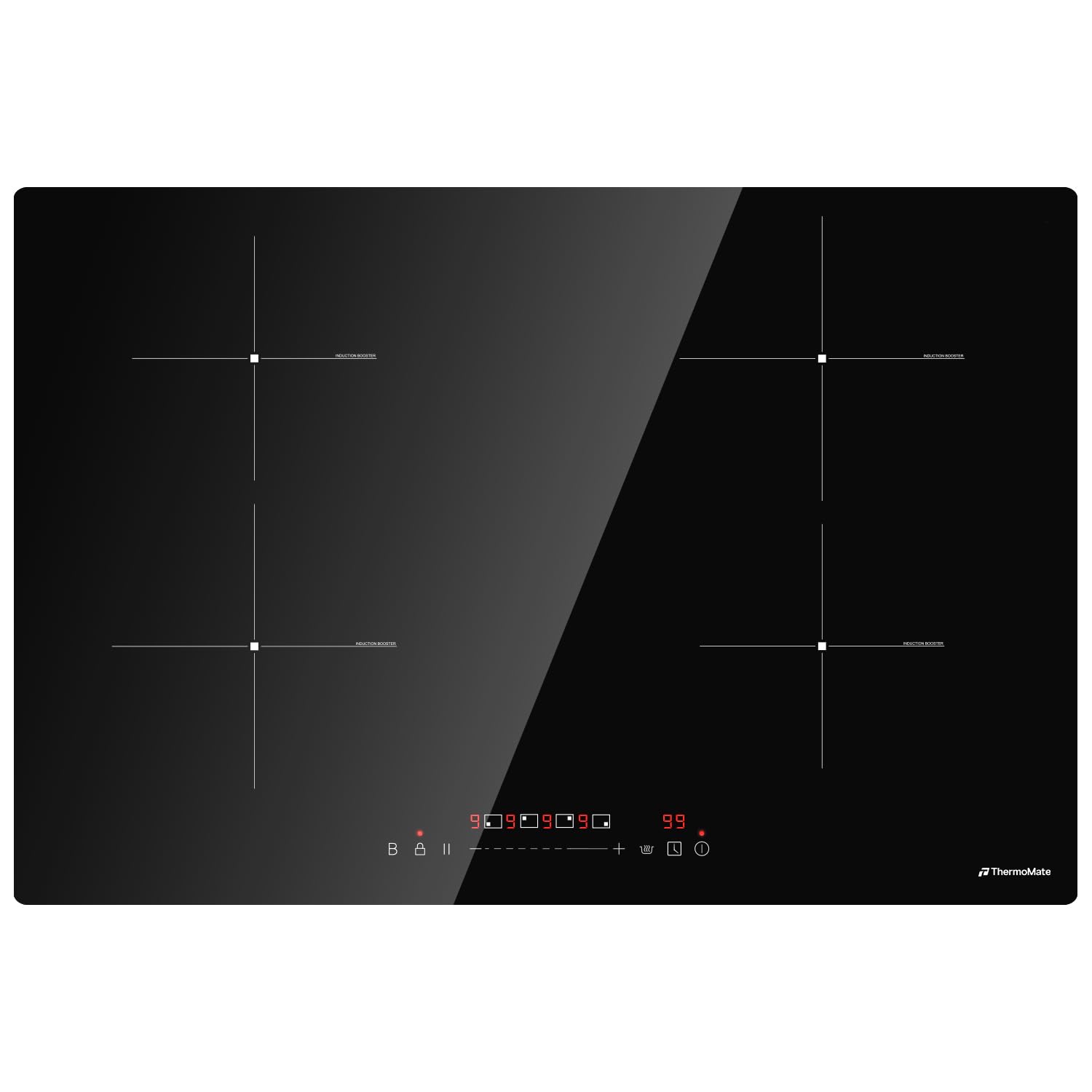
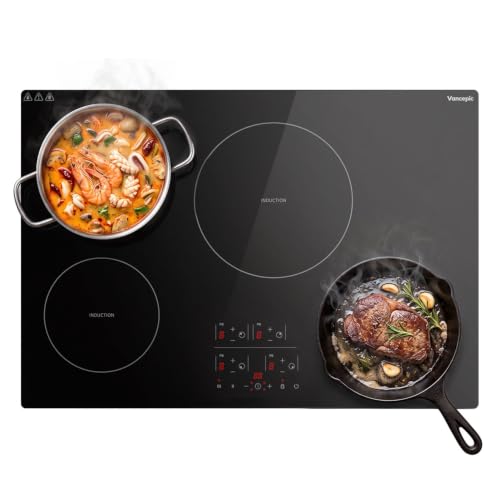


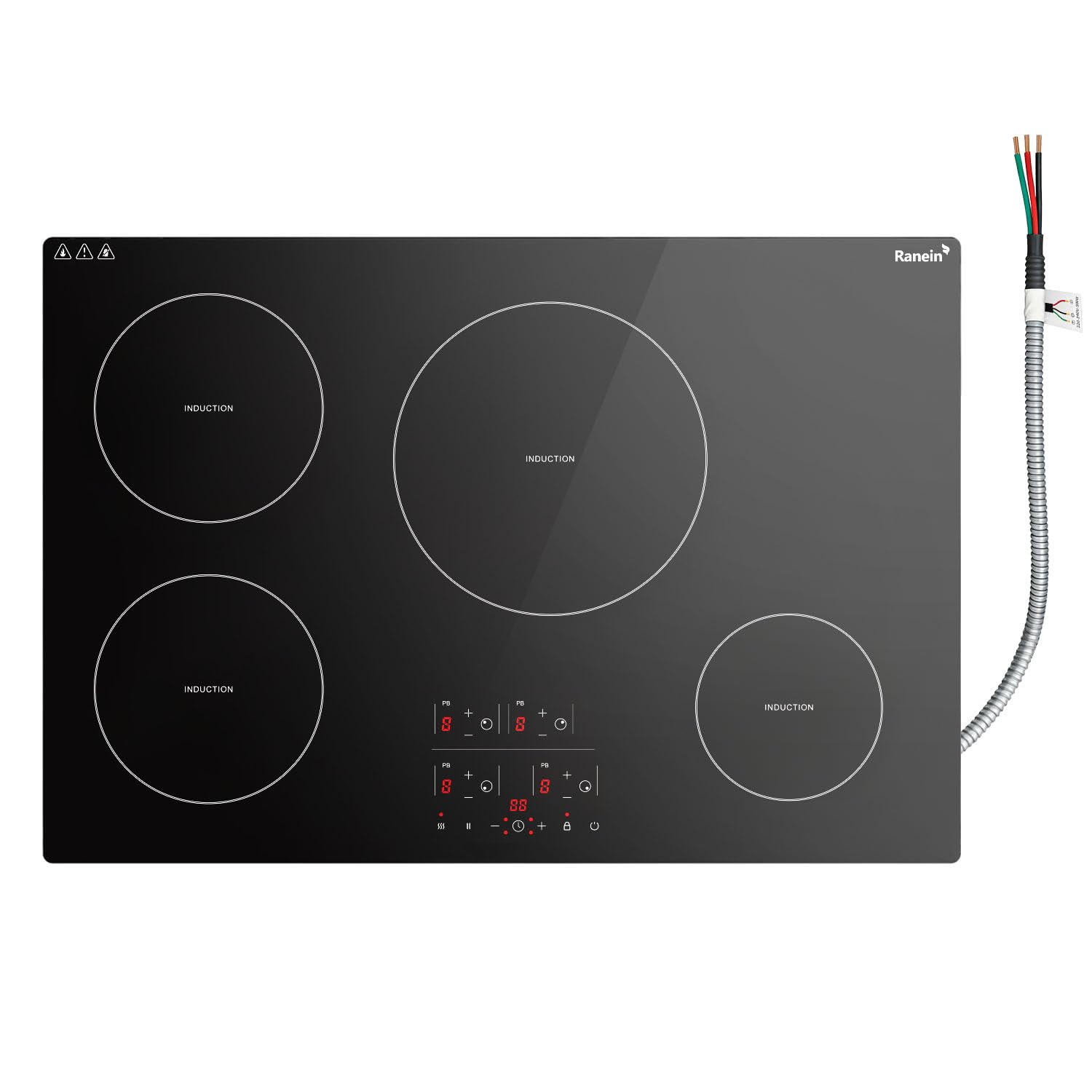

Quick Answer: The Three Types at a Glance
Most four zone models fall into three groups. Standard built in units suit most homes and balance price with power. Value units trim extras such as bridge zones and keep simple touch controls. Premium units add stronger boost output, more flexible zones, and sturdier glass and trim for people who cook several dishes at once daily.
- For most homes: a 30 inch built in model with two large zones, two small zones, and a boost setting on the biggest element.
- For tight budgets: a basic 24 inch or 30 inch model with nine power levels, a timer, and a residual heat indicator.
- For keen cooks: a model with a bridge or flex zone, precise low heat control, and controls that stay responsive with wet hands.
Before You Buy: A Quick Checklist for Choosing an Induction Cooktop
Work through the points below before you look at prices. Size, wiring, and cookware decide whether a cooktop works in your kitchen at all, while features and finish only matter once those basics line up.
Size: Match It to Your Space
Four burner models most often come in 24 inch, 30 inch, and 36 inch widths. A 24 inch unit suits a compact apartment and still gives you four zones, though large pans will crowd each other. The 30 inch size is the common replacement for a standard cooktop cutout. A 36 inch unit spreads the zones out, so a stockpot and a wide skillet can share the surface without touching.
Which Type Fits Your Routine
Built in and drop in models sit flush in the counter and become a permanent part of the kitchen, which suits owners planning to stay put. Full four zone cooking almost always means a built in install, since portable plug in units come in smaller sizes. Flexible zone and bridge designs let two zones act as one long area for a griddle or a roasting pan. Frameless black glass gives the easiest wipe down, while a framed edge guards the glass against knocks from heavy pots.
Features Worth Paying For, and Ones to Skip
A boost setting earns its keep when you boil water daily, since it pours extra power into one zone for a short burst. A bridge element helps only if you truly cook on a griddle or an oblong pan at least weekly. A timer that shuts a zone off is useful for rice, grains, and slow simmers you might forget. Downdraft extraction matters only in an island with no hood above it. Extras you can usually skip include recipe apps and color displays.
Measurements and Compatibility With Your Setup
Measure the cutout, not just the glass top, since the body below the surface must fit the cabinet opening and clear drawers or an oven beneath it. Check the electrical supply early, because most four zone units need a dedicated high voltage circuit and a breaker sized to the maker specification sheet. Confirm your cookware as well: a magnet should cling firmly to the base of each pan, and flat bases matching the printed zone circles heat most evenly.
Certifications That Actually Apply
Look for a recognized electrical safety listing, such as UL or ETL, which shows the unit meets United States safety standards. That listing is the mark that matters for a hardwired cooking appliance. Labels built for other categories, such as WaterSense for plumbing fixtures or lead free claims for faucets, do not apply here, so do not pay extra for badges that say nothing about a cooktop.
Doing It Yourself Versus Hiring a Pro
Swapping a like for like unit into an existing cutout with a ready circuit can be a careful weekend job for a confident homeowner. New wiring, a larger breaker, or cutting stone or laminate counters calls for a licensed electrician and, at times, a counter fabricator. Our breakdown of induction cooktop installation cost explains what pros charge for each part of the job. Budget for that work up front.
Realistic Budget Ranges
Prices spread widely, from under $300 at the basic end upward, so anchor your search to what each tier buys you in layout and controls.
- Under $300: rare for a built in four zone model, and usually a basic unit with modest power and fewer safety extras.
- About $300 to $500: sound entry level choices with nine power levels, boost on one zone, and simple slider or touch controls.
- About $500 to $1000: the broad middle, with stronger large zones, better low heat control, and quieter cooling fans.
- About $1000 to $2000: premium glass, bridge or flex zones, and finer fit and finish, with power gains you feel mainly at full load.
Three Layout Types Worth Your Money
Rather than chase model names that change every season, shop by layout type. The three types below cover nearly every household.
The Standard 30 Inch Layout for Most Homes
This type pairs two large zones with two smaller zones for sauces and sides. It drops into the most common cutout size, which keeps install costs low and resale appeal broad. Look for boost on at least one large zone and a power range that simmers without pulsing on and off. If you are comparing widths, our guide to the best 30 inch induction cooktop walks through cutout dimensions in more detail.
The Compact Value Layout for Smaller Households
Value layouts keep four zones but arrange them tighter, often on a 24 inch surface, and trim extras such as bridge cooking. They suit one or two person homes, rentals, and apartments where the counter run is short. Power per zone runs lower, so boiling a large pot takes longer, yet daily meals of two pans at once feel no strain. Spend your savings on one good heavy skillet instead.
The Wide Layout for Serious Everyday Cooking
Wide 36 inch layouts spread four zones across a broad surface and often add a bridge or a very large central zone. They fit households that cook for five or more people and run three or four pans through a single meal. Controls are usually more refined, with finer steps at low heat for sauces and chocolate. If width is your main question, see our roundup of the best 36 inch induction cooktop for spacing advice.
How to Judge a 4 Burner Induction Cooktop
Judge any candidate on five points in this order: fit in your cutout, power on the large zones, control at low heat, safety listings and child lock, and warranty length with local service coverage. Maker specification sheets and verified buyer reviews tell you most of this. If a listing hides wattage per zone or the cutout size, treat that silence as a reason to move on.
Is a 4 Burner Induction Cooktop the Right Size for You?
Four zones suit most households of two to five people, since few home cooks run more than four pans at once. You gain a spot for a kettle or a small sauce pan while mains and sides cook, which a two zone unit cannot offer. Step up to five zones only if you host large gatherings often or use oversized pans that block a neighboring zone. Before deciding, weigh the switch itself in our explainer on induction vs gas cooktop, which covers heat control and ventilation. Still narrowing the field? Start from our broader guide to the best induction cooktop and filter down.
Common Buying Mistakes to Avoid
- Measuring the glass instead of the cutout: the top can overhang and look right while the body below will not fit the opening.
- Ignoring the circuit: a unit that needs more amps than your panel offers adds electrician costs you did not plan for.
- Assuming every pan works: aluminum and copper pans without a magnetic base will not heat at all on induction zones.
- Paying for a bridge you will never use: without a griddle habit, that money buys a larger main zone instead.
- Placing controls under the big zone: wide pans can cover touch controls and make heat changes awkward mid meal.
Cost of Ownership and Care
Induction wastes little heat into the room, so daily cooking costs stay modest, and the cool surface means spills rarely bake on. Ownership costs are mostly small ones: a soft microfiber cloth, a glass safe cleaner, and felt pads under rough cast iron so it cannot scratch the surface. Wipe spills after the surface cools, lift pans instead of sliding them, and avoid abrasive pads that dull the glass. Our guide on how to clean an induction cooktop covers burnt on sugar and hard water marks.
Your Questions, Answered
What is the most reliable induction cooktop brand?
Reliability tracks service coverage more than a badge name. Brands with a wide United States service network, ready spare parts, and a warranty of at least two years on electronics tend to cost less to own over a decade. Check local repair options before you buy, since a great warranty means little if the nearest approved technician is states away.
How do you clean an induction cooktop?
Wait until the residual heat light goes out, then wipe the glass with a damp microfiber cloth and a drop of mild dish soap. For sugary spills, act fast once the surface is cool enough to touch, because melted sugar can pit the glass as it hardens. A plastic scraper held flat lifts stuck spots without scratching.
Is an induction cooktop worth it?
For most homes, yes, mainly for speed and control you feel every day. Water reaches a boil far faster than on a radiant electric surface, and low heat holds steady without scorching milk or butter. The trade offs are real but narrow: you may need to replace a few pans that lack a magnetic base, and a power cut stops cooking entirely.
How long does an induction cooktop last?
A well cared for unit commonly serves about ten to fifteen years of daily cooking. The electronics and cooling fans usually age out before the glass does, which is why vent clearance and surge protection quietly extend service life. Heavy cast iron dropped from height is the main threat to the surface itself.
What size induction cooktop do I need?
Start from the cutout you already have, since changing it costs more than any feature upgrade. A 24 inch unit fits small kitchens and light cooking, a 30 inch unit replaces most standard cooktops, and a 36 inch unit gives wide pans real breathing room. Then check your largest pan: its base should sit inside the biggest printed zone circle with room to spare.
What is the best 4 burner induction cooktop?
The right answer depends on your cutout, your circuit, and how many pans you run at once, so no single model suits every home. For most readers, a 30 inch built in unit with boost on a large zone, honest low heat control, and a solid safety listing is the sweet spot. Match that profile against any listing, and the best 4 burner induction cooktop for your kitchen is the one that fits without forcing costly changes elsewhere.
Final Thoughts
Four zones, a cutout that fits, wiring that matches, and controls you can run with wet hands: get those four things right and daily cooking gets calmer fast. Use the product table above to compare layout types against your space and budget, then verify wattage, cutout size, and warranty on the exact listing before you order. The best 4 burner induction cooktop for your home is simply the one that fits your kitchen, your pans, and your routine without compromise.