Best 35mm Rangefinder Film Cameras for Every Need in 2026: How to Pick the Right One
Disclosure: We may earn a commission when you buy through links on this page, at no extra cost to you. As an Amazon Associate I earn from qualifying purchases. Learn more
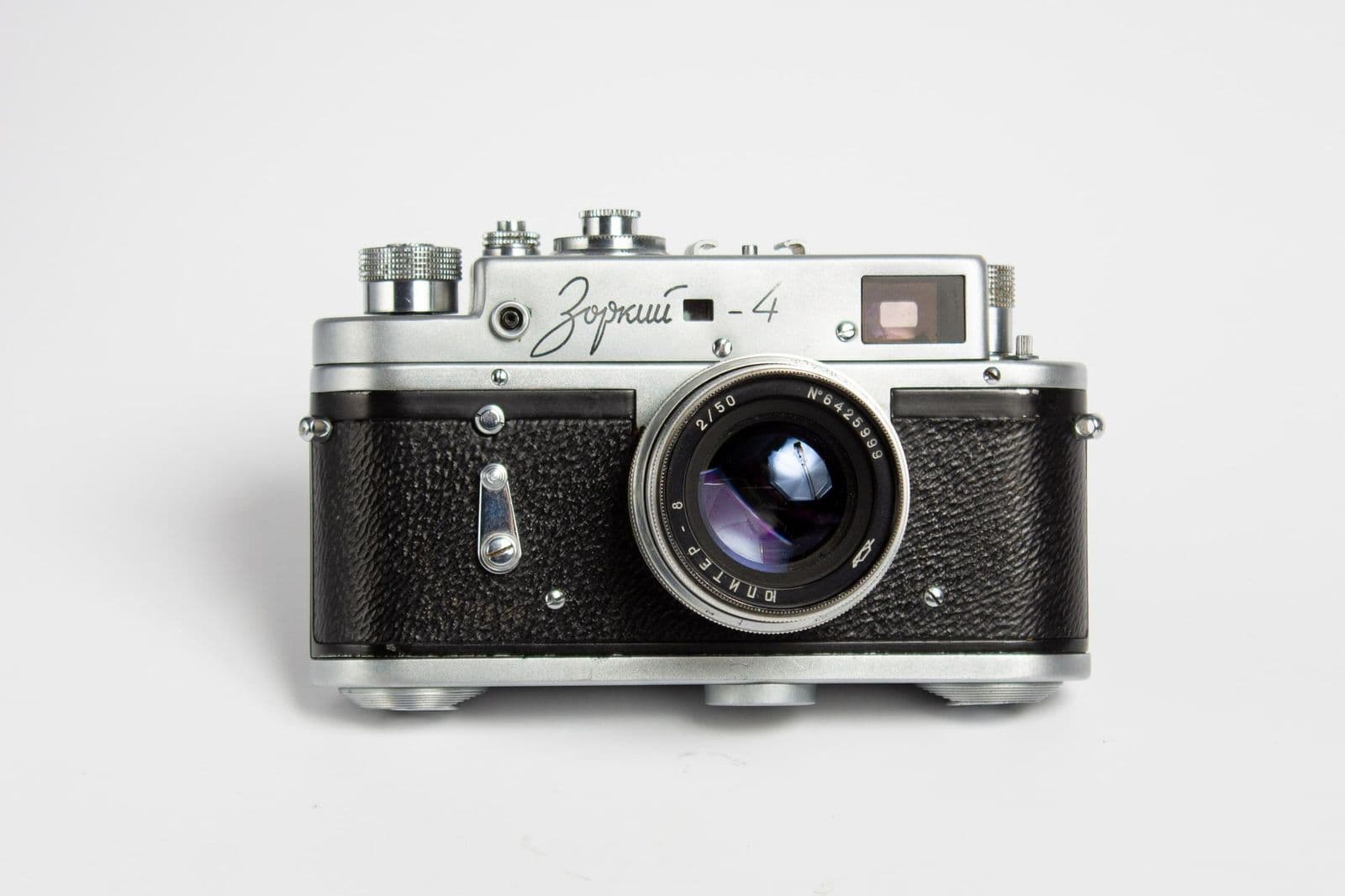
Compare 35mm rangefinder film cameras by viewfinder, lens system, metering and handling, with a clear buying checklist to help you choose with confidence.
There is no single rangefinder that suits every photographer, because your subjects, your lenses and your budget pull the choice in different directions. The best 35mm rangefinder film cameras focus through a window and a moving patch rather than through the lens, so they stay compact and quiet. Match each body style to the way you actually shoot.
This guide stays with decisions you can check before you pay. You will compare viewfinder magnification, framelines, meters and lens systems, then learn what to inspect on a used body. Start by naming your main lens and your usual light, because those two answers narrow the field faster than price or looks.
Who Should Buy Which 35mm Rangefinder Film Cameras?
Choose by the outing you repeat most often. A camera that feels perfect on a city walk can feel slow at a family event, and a large system can feel wasted on casual rolls.
Street and Travel Photographers
You walk far, shoot quickly and value a camera that draws little attention. Prioritize a light body, a clear rangefinder patch and framelines for a 35 mm or 50 mm lens. A fixed lens model keeps weight down and removes lens changing in crowds. Choose a bright viewfinder if you shoot at dusk, and pick a body that advances film smoothly so you can keep your eye on the scene.
New Film Photographers Learning by Hand
You want to learn how aperture, shutter speed and focus interact without a screen doing the work. Prioritize a built in meter, a patch that stays visible in daylight and a lens with clear distance markings for zone focusing practice. A modest fixed lens body costs less to start and leaves money for film and developing. Avoid rare mounts and fragile electronics, because repairs can cost more than the camera.
Dedicated Shooters Building a Lens System
You already know your favorite focal lengths and plan to keep the camera. Prioritize an interchangeable lens mount with lenses you can still find in good condition, plus a body a technician can still service. Magnification matters, because a finder tuned for wide lenses can make a longer lens harder to focus. Budget for a professional service early, because accurate focus and fresh seals protect every roll that follows.
Key Features to Compare
Work through these factors in order. A body that wins on one factor can still fail on the next, so a short written list keeps the comparison honest. Readers comparing closely related styles can also see our guide to the best rangefinder film cameras for a narrower view of the same formats.
Viewfinder Magnification and Framelines
Magnification describes how large the scene looks through the finder, and common values run about 0.58 to 0.85. Lower magnification shows more of the scene and leaves room for wider framelines, which helps if you wear glasses or favor a 28 mm lens. Higher magnification makes the focusing patch larger and helps with a 75 mm or 90 mm lens, where focus errors show sooner. Framelines should match your main lens and sit clear of the frame edges.
Rangefinder Patch Contrast and Calibration
You focus by aligning two images in a small central patch, so patch contrast decides how fast and how surely you can work. View the patch against both a plain wall and a busy street scene, because a patch that fades against one background will slow you at the worst moment. At a known distance, the aligned patch must match the distance scale on the lens, and vertical alignment must be exact. A body that needs adjustment can still be a good buy if a technician can service it.
Fixed Lens or Interchangeable Lens System
A fixed lens body gives you one focal length, usually around 35 mm to 45 mm, in the smallest and often quietest package. It suits simple habits and keeps the total cost lower. An interchangeable system lets you carry several focal lengths and grow over time, but each added lens raises cost, weight and the chance of dust inside the mount. Check lens supply before you choose a mount, because a body without clean lenses to buy is a poor bargain.
Metering and Exposure Controls
Some bodies have no meter, some show a simple needle or lights in the finder and some set the shutter for you once you pick an aperture. A built in meter speeds work in changing light and helps new shooters learn, while a fully mechanical body keeps working when a battery dies and rewards practice with a handheld meter or a phone app. Confirm which battery the meter needs, because some older cells are discontinued and need a modern substitute.
Shutter Type, Speeds, and Film Transport
Most rangefinders use a focal plane shutter or a leaf shutter in the lens, and each shapes sound and flash use. Leaf shutters stay very quiet and sync flash at every speed, while focal plane shutters offer faster top speeds but sync flash only at slower settings, often around 1/50 to 1/125 second. A smooth single stroke lever, easy loading and a clear frame counter reduce mistakes when you reload in a hurry.
How to Check a 35mm Rangefinder Film Camera Before You Buy
Most cameras in this class are now bought used, so condition checks decide value more than the name on the body. Bring a small flashlight and one spare roll of film. That short kit reveals more than an hour of reading listings, and it shapes which of the best 35mm rangefinder film cameras is worth your money. If you are still weighing rangefinder focusing against other designs, see our guide to the best film cameras 35mm for the wider format picture.
Run the shutter at every speed and listen for hesitation at slow settings, then open the back and watch the curtains or blades move. Shine the flashlight along the foam seals and plan to replace any that feel sticky or crumble, because tired seals leak light onto film. If you prefer older bodies with character, see our guide to the best vintage film cameras 35mm.
Common Mistakes to Avoid
Each mistake below costs film, focus or money.
- Buying a body with framelines that do not match your main lens leaves you guessing at composition on every frame.
- Ignoring a faint rangefinder patch makes focus slow in shade and nearly impossible at night events.
- Choosing a rare mount before checking lens supply leaves you with a body you cannot build into a working kit.
- Skipping a shutter test at slow speeds hides timing faults that streak or ruin whole rolls.
- Judging a listing by outside looks alone misses worn curtains and tired meters that photos cannot show.
How to Make Your 35mm Rangefinder Film Camera Last Longer
Clean the lens and finder windows with a soft lens cloth and a blower, never your shirt, because grit caught in fabric can scratch coatings. Keep a spare battery for the meter if your body uses one, and remove it during long storage so a leak cannot damage the chamber. Store the camera in a dry padded bag away from heat, and leave the shutter uncocked between outings to rest its springs.
Exercise the shutter at varied speeds every few weeks, because regular movement keeps lubricants from stiffening. Have the foam seals and the rangefinder alignment checked every few years. Keep unexposed film in a cool dry place and finish opened rolls within a few months, because age and heat dull contrast.
35mm Rangefinder Film Cameras: Your Questions Answered
What should beginners check first on a 35mm rangefinder film camera?
Beginners should check the rangefinder patch first, since confident focus shapes every frame you make. Point the finder at a distant sign, then at a near post, and watch the two images merge without sticking. Ask the seller for results from one recent roll shot with that body, because sample frames reveal light leaks and spacing faults a bench check can miss.
How well do 35mm rangefinder film cameras work in low light?
They work well in low light if the lens opens wide and the patch remains visible. With no mirror moving inside, you can often hand hold speeds near 1/15 second and keep frames sharp. Focus on a lit edge, such as a window frame or a street sign, then shift the framing before you release the shutter, because contrast on an edge makes the patch easier to judge.
How much should you budget for a first 35mm rangefinder film camera?
Budget about $150 to $400 for a sound fixed lens body, then set aside money for film and developing. A first year of casual shooting can add about $100 to $250 in film, processing and scans. Keep a small reserve for fresh seals or a basic service, because a serviced modest body beats a famous body that needs repair.
Do 35mm rangefinder film cameras need batteries to take photos?
Many need no battery at all to take photos, because the shutter and the film advance are fully mechanical. On those bodies a battery, if one fits, powers only the meter, so a dead cell costs you guidance rather than the shot itself. Electronic models differ and stop when power fails, so check which type a body is before travel.
Can you use adapted lenses on a 35mm rangefinder film camera?
You can adapt some lenses, but focus accuracy is the limit. Rangefinder focusing depends on a cam that links lens movement to the patch, and most adapters break that link, leaving you to estimate distance from the lens scale. That estimate works for deep scenes at small apertures, while portraits at wide apertures will drift out of focus often.
The Bottom Line
Match the finder to your main lens, confirm the patch and the shutter on any used body, and choose the lens system you can actually feed with film and service. Compare size, meter type and price once your shortlist reflects those checks.
Chosen that way, the best 35mm rangefinder film cameras become a tool that fits your hands, your light and your budget. Pick the simplest body that passes every check, load a roll and start learning its character.