Best 3500 Watt Generators (2026): Fuel, Noise and Outlets
Disclosure: We may earn a commission when you buy through links on this page, at no extra cost to you. As an Amazon Associate I earn from qualifying purchases. Learn more

Match the best 3500 watt generator to your loads: inverter or open frame, gasoline or dual fuel, and safe setup.
A 3500 watt generator sits in a useful middle ground. It is strong enough to keep key home loads running during an outage, yet still light enough to roll out of a garage and take camping. Choosing the best 3500 watt generator comes down to matching fuel type, noise level, and outlet layout to the loads you actually plan to run.
This guide compares the main types in this size class and explains the specs that matter most. Use the comparison table below to compare them side by side before you settle on a type.


Is a 3500 Watt Generator the Right Size for You?
Start with the loads you cannot skip. A refrigerator, a freezer, a sump pump, lights, phone chargers, and a WiFi router together often draw about 1200 to 2000 running watts. That leaves headroom for a microwave, a coffee maker, or a small window air conditioner, as long as you run those larger loads one at a time.
Motor driven appliances add a brief surge when they start. A fridge that runs at 150 watts may need 600 to 800 watts for a second at startup. Add the starting watts of your largest motor load on top of everything else running, and keep the total under the rated running watts, not just under the peak figure.
If your list includes a well pump, an electric water heater, a clothes dryer, or central air conditioning, this size class will likely fall short. If you are still adding up your loads, our guide to what size generator do i need walks through a full worksheet. For lighter needs such as tent camping, a smaller 2000 watt unit may be quieter and easier to carry. Keep that load list in hand, and the best 3500 watt generator for your needs becomes easier to pick out.
Who Should Buy a 3500 Watt Generator?
Homeowners Who Want Outage Backup for the Essentials
You are the core buyer for this size. You do not need to power the entire house, but you do need food to stay cold, a basement to stay dry, and a few lights and outlets to stay live during a storm related outage. A 3500 watt portable unit covers that job at a far lower cost than a standby system, and it stores in a corner of the garage between events.
RV Owners and Campers
A 3500 watt unit can run a typical RV air conditioner along with a microwave and lights, which smaller models often cannot do at the same time. Compare this size class with the models in our guide to the best generator for rv, and note noise ratings, since many campgrounds enforce quiet hours.
Types of 3500 Watt Generators Compared
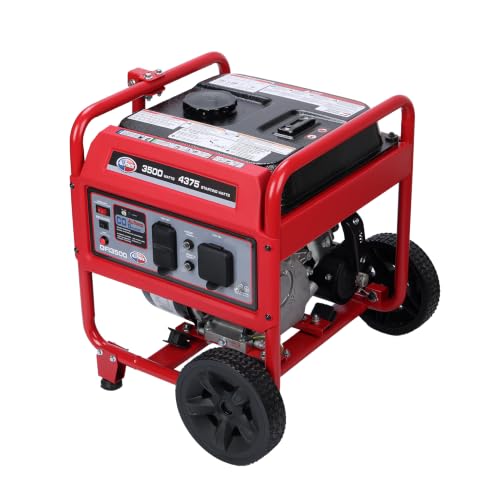
Conventional open frame generators use a simple alternator and a fixed engine speed. They cost the least per watt, tolerate rough handling, and run loud at close range. They suit job sites and rural properties where the unit sits far from living spaces.
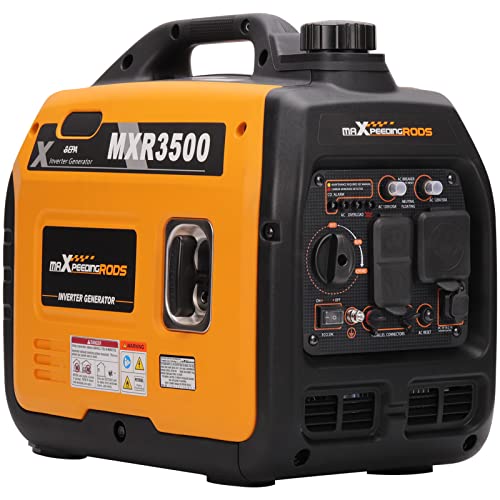
Inverter generators in this class convert the engine output to clean, stable power and vary engine speed with the load. They run noticeably quieter, sip fuel at light loads, and produce power that is safe for laptops, TVs, and modern appliance electronics. The trade off is price. Our guide to the best inverter generator explains the technology in more depth if power quality is your top concern.
Fuel type is the second split. Gasoline only models are simple and widely available, but gasoline stores poorly. Dual fuel models run on gasoline or propane, and propane stores for years without going stale, which suits a backup unit that may sit unused for months. Propane delivers slightly fewer watts, so check both ratings on the rating label.
Key Features to Compare
Running Watts, Starting Watts, and What the Label Really Means
Manufacturers headline the larger peak number, but running watts is the figure your loads must fit under hour after hour. On a unit sold as 3500 watts, running watts sit below the headline number, so read the rating label rather than the box art. Plan to cruise at about 50 to 75 percent of the running rating. Running near the limit raises noise, fuel use, and engine wear, while a moderate load leaves room for motor startups. If two motor loads can start at the same moment, size for that overlap.
Fuel Tank Size and Runtime
Runtime claims are usually quoted at 25 or 50 percent load, so compare models at the same load percentage before trusting one number over another. A larger tank gives longer runtime at half load, while inverter models with an economy mode stretch a smaller tank further at light loads. For outage backup, longer runtime means fewer trips outside at night with a gas can.
Noise Level and Power Quality
Noise is rated in decibels, and a difference of 10 decibels sounds roughly twice as loud to your ears. Inverter models in this class are rated far quieter at light load than open frame models, which matters if your neighbors are close. Look for low total harmonic distortion if you plan to run computers or medical devices, a trait inverter models provide by design.
Outlets and Connection Options
Count the outlets you will use at once, not just the total on the panel. Most units in this class offer two standard household outlets, and many add a 30 amp outlet in either RV style or twist lock style. An RV ready outlet lets you plug a travel trailer in directly with no adapter, while a twist lock outlet pairs with a transfer switch or an inlet box for house backup. USB ports help for phones, but they are a minor factor next to the main receptacles.
Start Method and Safety Features
Recoil start is simple and always works, but it takes a firm pull, which can be a real barrier for some users in cold weather. Electric start adds a push button and a small battery, and remote start on some inverter models lets you start the unit from inside the house or the RV. That battery needs periodic charging, so factor it into storage habits. A carbon monoxide sensor that shuts the engine down when gas builds up is now common and worth insisting on, and low oil shutdown protects the engine during a long run.
Size for Your Space and Setup Basics
Measure where the generator will live and where it will run. Inverter models weigh noticeably less than open frame models, so wheels and a folding handle matter if one person must move it over grass or gravel.
Placement is a safety issue, not a convenience choice. Run the generator outdoors, at least 20 feet from the house, with the exhaust pointed away from windows, doors, and vents. Carbon monoxide is colorless and odorless, and it can build up in a garage even with the door open. Never run a portable generator inside a home, garage, or covered porch.
For house backup, the safe routes are a professionally installed transfer switch or an inlet box with an interlock kit, both of which prevent power from feeding back into utility lines. Backfeeding through a dryer outlet is dangerous and illegal in many areas. If that is your plan, read our guide on how to hook up a generator to a house and have an electrician do the panel work.
How Much Should You Spend?
Conventional open frame models in this class often sell for under $300 to about $400, which buys solid wattage and long runtime but plenty of noise. Inverter models generally run about $500 to $1000, and the extra money buys quiet operation, clean power, and better fuel economy at light loads. Dual fuel versions usually add a modest premium.
Common Mistakes to Avoid
- Sizing from the peak watt number on the box, which leaves no room once real running loads and motor surges add up.
- Running the generator in a garage or near an open window, which can fill the house with carbon monoxide within minutes.
- Plugging the unit into a house outlet to backfeed the panel, which endangers utility workers and can damage your wiring.
- Storing gasoline in the tank and carburetor for months, so stale fuel clogs the jets and the engine refuses to start during an outage.
- Skipping the break in oil change after the first hours of use, which leaves metal particles from a new engine circulating in the oil.
- Refueling a hot or running generator, which risks a fuel fire from a single spill on the exhaust.
Care, Maintenance, and Off Season Storage
Change the oil after the initial break in period, then at the interval in the manual, often around every 100 hours of run time or once a year. Check the air filter each season and replace it when it looks loaded with dust, since a clogged filter makes the engine run rich and waste fuel. Keep a spare spark plug on hand, because a fouled plug is a common reason a stored unit will not start.
For storage longer than a month, add fuel stabilizer to fresh gasoline and run the engine for a few minutes so treated fuel reaches the carburetor, or drain the fuel system entirely. Propane use avoids most stale fuel problems, which is one reason dual fuel models suit standby duty. Run it under load for about 20 to 30 minutes every couple of months so the battery stays charged.
FAQ
What can a 3500 watt generator run at the same time?
A practical outage load is a refrigerator, a freezer, several lights, a WiFi router, and phone chargers, which together leave room for a microwave or a small window air conditioner one at a time. The pairing that trips people up is two motor loads starting together, such as a sump pump kicking on while the fridge compressor starts.
Can a 3500 watt generator run an RV air conditioner?
Yes, in most cases. A typical RV air conditioner has a startup surge that still fits inside this class for most units, with room for lights and a battery charger. A soft start accessory for the air conditioner can lower that surge if the compressor struggles on a hot day.
How long can a 3500 watt generator run continuously?
Most models can run for the length of a full tank, with the hours depending on load, and many owners run them around the clock during long outages with breaks for refueling and oil checks. Let the engine cool before refueling, and check the oil level at least once a day during extended use.
Is it safe to run a generator in the rain?
The generator must stay outside, but it should not sit unprotected in direct rain, since water can reach outlets and the alternator. A purpose built generator canopy or a ventilated tent cover keeps rain off while leaving exhaust and cooling airflow open. Never drape a tarp over a running unit, because trapped heat and exhaust create both a fire risk and a carbon monoxide risk.
Should I choose gasoline or propane for home backup?
Gasoline delivers the full rated wattage and is easy to refuel during a short outage, but it goes stale within a few months. Propane stores almost indefinitely and burns cleaner, so the carburetor stays free of gum between uses, but expect fewer watts on propane. If outages are rare and the unit sits for long stretches, propane usually wins.
Final Thoughts
The right choice starts with your load list, not with a brand name. Match the type to your setting, confirm the running watts cover your loads with headroom, and plan placement and storage before the unit arrives. For a broader view of sizes and categories, our roundup of the best generator options covers the full range. Chosen well, the best 3500 watt generator for your home is the one that starts easily, runs quietly enough for your setting, and keeps the essentials alive through the night. Look back at the product table above to compare the final specs before you order.