
Best 32gb Tablets: Budget, Midrange, and Premium Tiers for 2026
Disclosure: We may earn a commission when you buy through links on this page, at no extra cost to you. As an Amazon Associate I earn from qualifying purchases. Learn more

Compare the best 32gb tablets by price tier with clear guidance on storage, screen quality, battery life, and performance so you spend where it matters.
Prices for tablets with 32 GB of storage stretch from under $100 to well past $500, and the gap is not always obvious from a product photo. This guide sorts the best 32gb tablets by price tier so you can see what each level really delivers. You will learn which upgrades change daily use and which ones only raise the price.
One warning up front: 32 GB fills faster than most people expect once apps, photos, and system files settle in. The tiers below show how to live comfortably within that limit, and the comparison table below shows the current models that fit each tier.
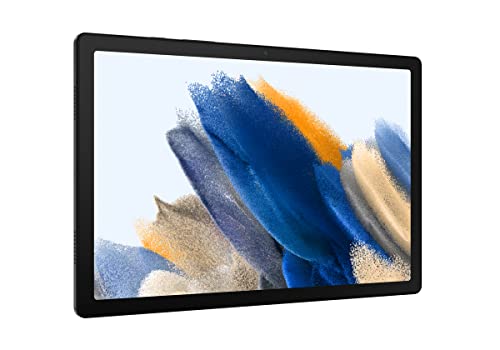
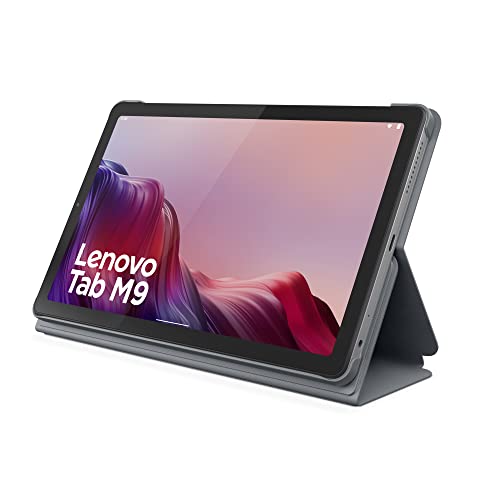

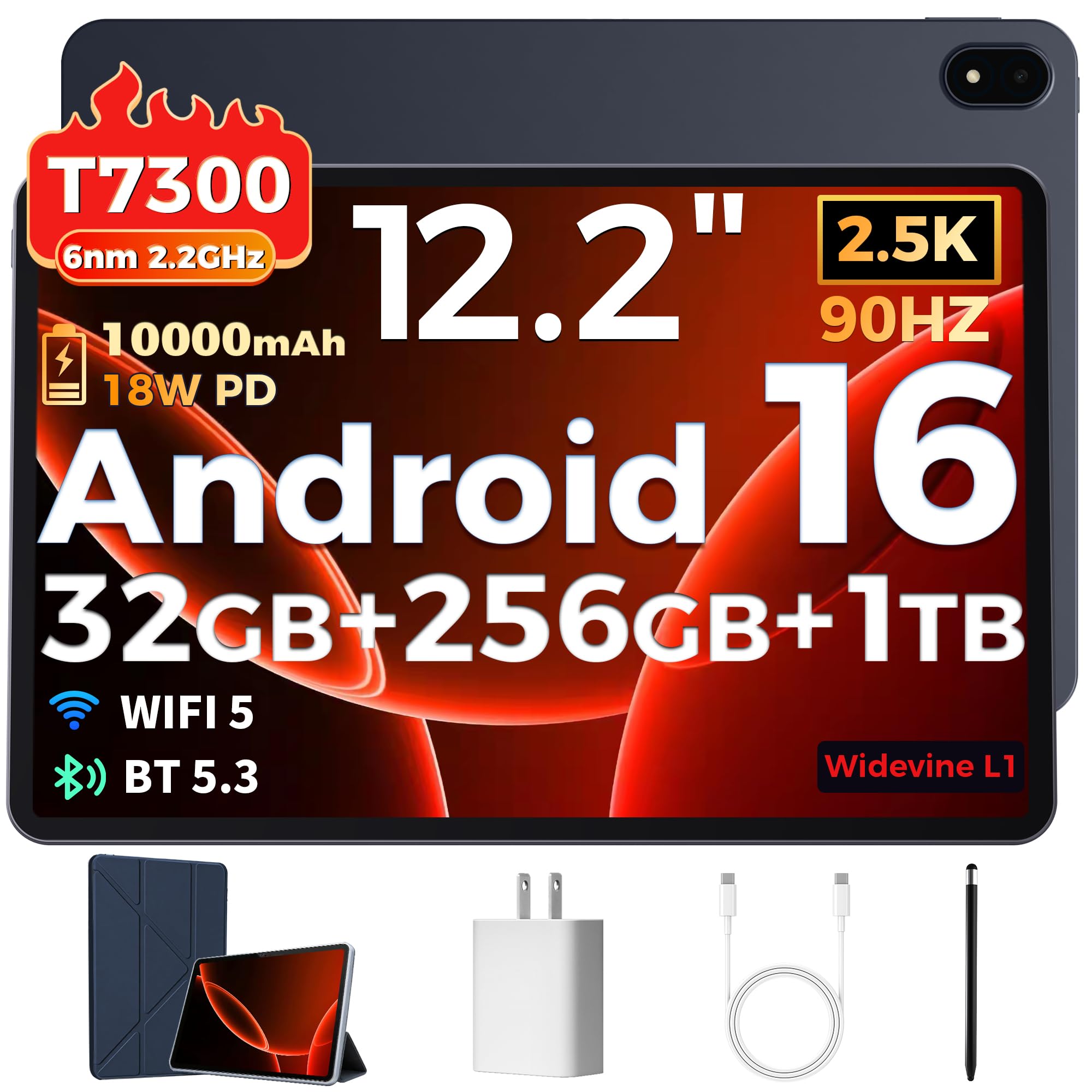
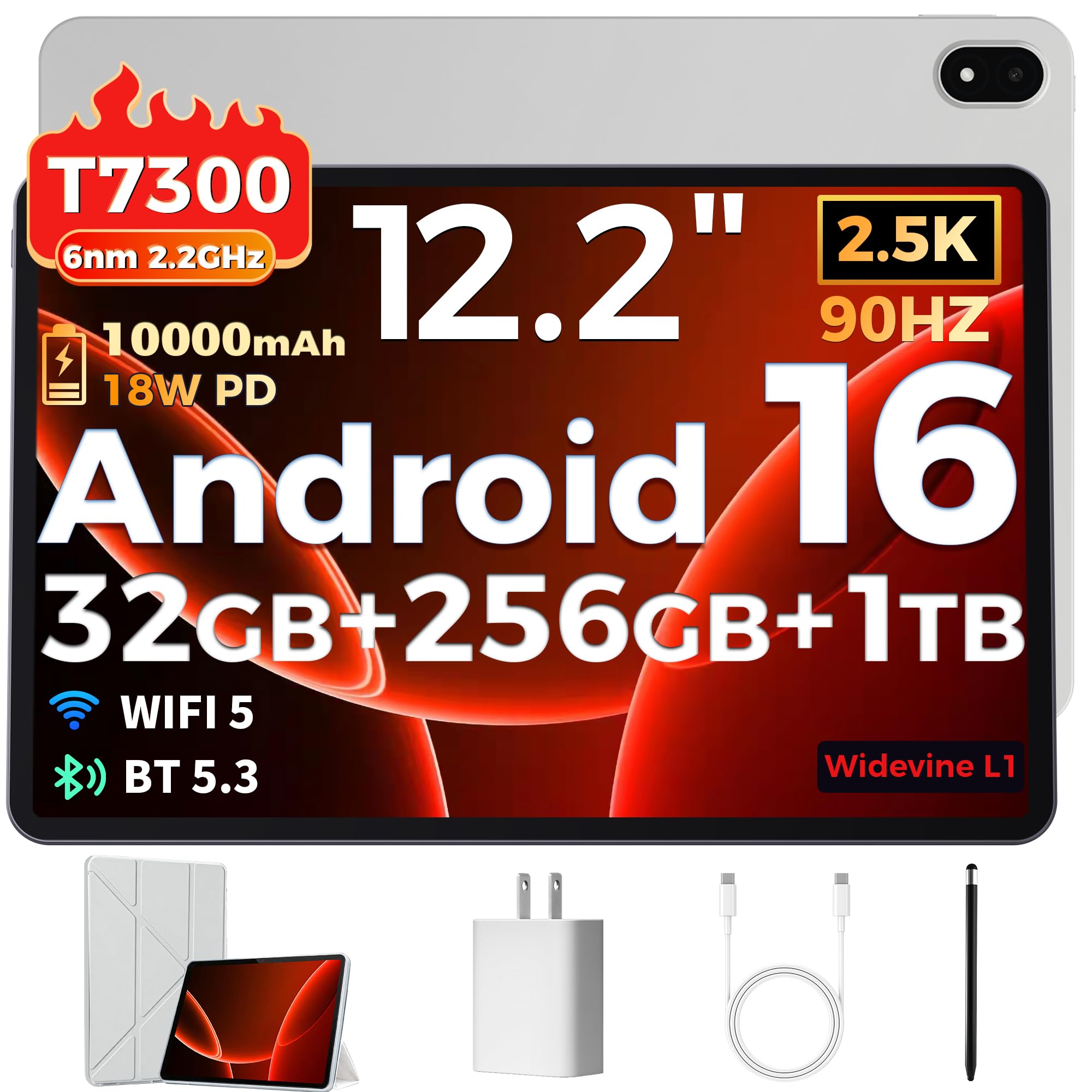

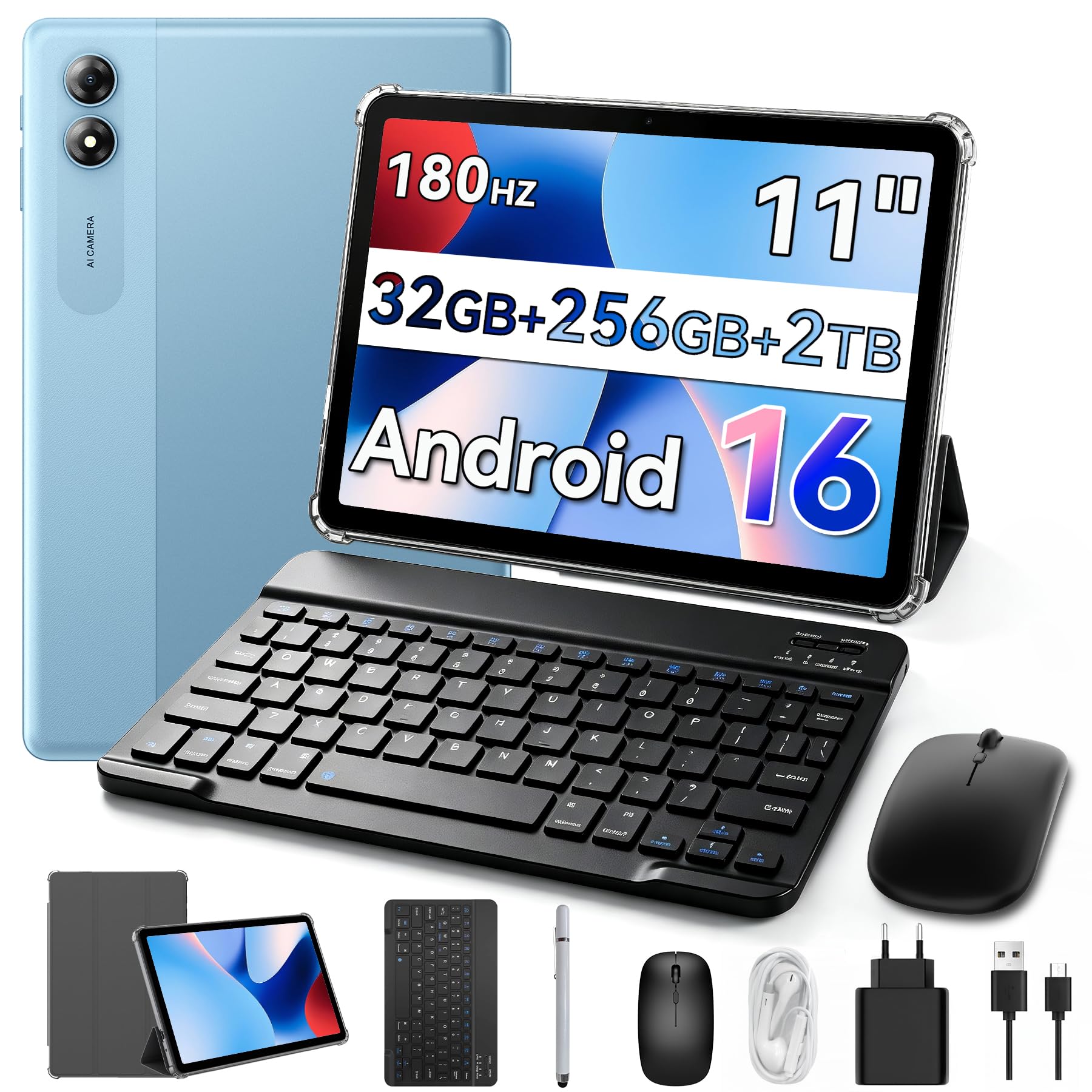

What Each Tier Looks Like in Practice
Rather than naming individual models, this section describes the profile a tablet should show at each tier before it earns your money. Hold every candidate in the product table above against these profiles. If a tablet charges midrange money but shows a budget profile, skip it and keep looking.
Budget Tier Profile
A fair budget tablet, usually around $80 to $150, gives you a readable HD screen, a modest processor, and battery life near a full day of light use. It handles streaming, ebooks, web browsing, and video calls without drama. Storage management becomes a weekly habit at this level, so a memory card slot is a genuine plus. Expect a plastic body and basic cameras, which is a sensible trade for a couch, kitchen, or travel tablet.
Midrange Tier Profile
Midrange models around $150 to $300 should add a sharper full HD screen, faster storage, and a processor that keeps split screen apps smooth. Many add stereo speakers, better WiFi, and support for a stylus or a keyboard case. This is also where build quality steps up to metal backs and slimmer designs. If a tablet at this price still ships with a dim screen or slow charging, it is coasting on its brand rather than its hardware.
Premium Tier Profile
Premium tablets above $300 with only 32 GB of storage are rare, and that fact itself tells you something. At this level you should demand a bright, color rich display, strong speakers, fast USB C charging, and years of software updates. Paying premium money for tight storage only makes sense when the tablet lives in the cloud and streams nearly everything. Otherwise, that budget usually serves you better in a higher storage model from the tier below.
What Your Money Gets You at Each Price Tier
The same three tiers look different once you focus on daily experience rather than spec sheets. Here is where the money actually goes, and where it quietly disappears.
Budget Tier: What to Expect
Budget tablets spend their money on the screen and the battery, and economize almost everywhere else. App installs and updates run slower, and you will feel the 32 GB limit within months if you download video for offline viewing. Cloud photo backup and streaming instead of downloading keep these tablets pleasant. They suit readers, casual streamers, and families who want a shared screen nobody worries about. A cheap case matters more here than any spec upgrade.
Midrange Tier: The Sweet Spot for Most Buyers
Midrange is where a tablet stops feeling like a compromise and starts feeling like a tool. Screens get bright enough for a sunny room, processors handle light photo editing and schoolwork, and accessories turn the tablet into a small laptop for notes and email. Readers comparing convertible styles can browse our guide to the best pc tablets to see how Windows based options differ. For most households, this tier delivers the best years of use per dollar spent.
Premium Tier: When Spending More Pays Off
Spending more pays off when the display and sound are the experience, such as watching films or drawing with a pressure sensitive stylus. Premium models also tend to receive security updates for longer, which matters if you bank or work on the device. The catch remains storage, because pro apps and offline media eat space quickly. If your work lives in cloud documents and streams, the trade is reasonable. If not, redirect the money toward storage first.
Features Worth Paying For (and Ones to Skip)
Every tier advertises features, but only a few change how the tablet feels after a month of use. Use this section to decide where an upgrade is worth real money.
Weight and Portability
A tablet you hold for reading should stay near or under one pound for a 10 inch class device, with balanced weight that does not strain one wrist. Smaller 8 inch models suit one handed reading and travel bags, while larger screens favor desks and stands. Check the listed weight with a case in mind, since a rugged family case can add a third more bulk. If children will carry it daily, lighter beats larger almost every time.
Ports and Connectivity
USB C is the port to insist on, because it charges faster and works with the chargers you already own for phones and laptops. A memory card slot is unusually valuable on a 32 GB tablet, since it offloads photos and downloads without touching internal space. WiFi 6 support improves crowded home networks, while cellular models add a monthly plan cost that budget buyers rarely need. Bluetooth 5 or later keeps earbuds and keyboards connected without dropouts.
Battery Life in Real World Use
Manufacturer battery claims assume dim screens and light tasks, so expect about a quarter less in mixed daily use. Streaming video over WiFi is the kindest load, while video calls and games drain the fastest. Fast charging over USB C matters more than a huge battery if you top up during breakfast. A tablet that reaches half charge in about half an hour fits real life better than one that needs an overnight plug for a small gain.
Processor and Performance Tier
The processor decides whether the tablet feels snappy in three years or sluggish in one. Entry chips handle streaming and reading fine, but they stumble when many browser tabs and apps compete. Midrange chips add smooth multitasking and light gaming, which most buyers feel every day. RAM deserves equal attention, since 3 GB or less forces apps to reload often. On a tight storage tablet, a decent chip and adequate RAM age far better than a pretty screen alone.
Graphics (Integrated vs Dedicated GPU)
Tablets rely on graphics built into the main processor, so there is no separate card to upgrade later. That makes the chip choice permanent, and worth a little research before you buy. Casual puzzle and card games run anywhere, while racing and shooter titles need the stronger graphics in midrange chips and above. If gaming is the main job, screen refresh rate and touch response matter alongside raw graphics power. Otherwise, save the money and stream.
Long Term Costs to Factor In
The sticker price is only the start of what a tablet costs you over its life. A case and a screen protector are near mandatory for family use, and a stylus or keyboard case can add around $30 to $100 depending on quality. Cloud storage subscriptions quietly grow once 32 GB pushes your photos off the device. A model with a memory card slot can avoid that monthly fee entirely. Finally, check the update policy, because a tablet that stops receiving security updates early becomes a cost sooner than a slightly pricier rival.
Families shopping for a first device for a young child should also read our guide to the best tablets for kindergarteners, since durability and parental controls matter more there than raw specs. For a broader view of the market before you commit, our overview of the best tablets to purchase puts these tiers in context.
FAQs
Should I buy a laptop or a tablet?
Choose a tablet if your work is reading, streaming, notes, and light email, and a laptop if you type long documents or need full desktop software. Tablets win on battery life, instant wake, and couch comfort. Laptops win on keyboards, file management, and multitasking with many windows. Many households end up with a shared laptop and a personal tablet, which covers both sets of tasks without overspending on either device.
Is a Chromebook enough for school?
For schools that run on web apps and cloud documents, a Chromebook style setup is often enough and can cost less. A tablet covers the same ground when the school platform has a good app or a solid browser version. Check the exact tools your school requires before you buy, especially for testing software. If a specific program demands Windows or macOS, neither option replaces a proper laptop for that task.
How much RAM do I need?
Most buyers should aim for at least 4 GB of RAM so apps stay open when you switch between them. With 3 GB or less, music and browser apps reload often, which gets old fast. Six to eight gigabytes suits heavy multitasking, split screen work, and years of future app growth. Remember that RAM and storage are different things: the 32 GB figure in these listings is storage, and no setting can turn one into the other.
Is a dedicated GPU worth it?
On a tablet, there is no separate graphics card to add, so the real question is whether the processor tier has strong built in graphics. It is worth paying for if you play demanding games or edit video on the device. For streaming, reading, and schoolwork, built in graphics on any recent midrange chip are plenty. Spend the difference on a better screen or more storage instead, since those affect every session.
How long should a 32gb tablet last?
A midrange tablet should stay useful for about four to five years, while budget models often feel slow after two to three. Software update support is the real clock, because apps drop old systems over time. Storage pressure grows too, as apps and system files expand each year. Regularly offloading photos and clearing downloads keeps a 32 GB device comfortable far longer than most owners expect.
The Bottom Line
Match the tier to your habits, protect the tight storage with a memory card slot or cloud backup, and favor a decent processor over cosmetic extras. The product table above shows the current models that fit each profile in this guide. Judged that way, the best 32gb tablets are simply the ones whose limits you have planned for, at a price that leaves room for the case and accessories you will actually use.


