
Best 2in1 Tablets: Matching the Right Model to Your Routine for 2026
Disclosure: We may earn a commission when you buy through links on this page, at no extra cost to you. As an Amazon Associate I earn from qualifying purchases. Learn more

Find the right 2in1 tablets for work, school, or travel, with clear guidance on screens, keyboards, battery life, and power for your daily routine.
There is no single model that suits everyone, because a convertible used for video calls and spreadsheets needs different strengths than one used for notes and streaming. The best 2in1 tablets for you depend on how you work, where you carry the device, and how long you stay away from an outlet.
This guide matches features to real routines first, then explains the specs that matter. Use the product table below to compare your finalists once you know which group below sounds most like you.


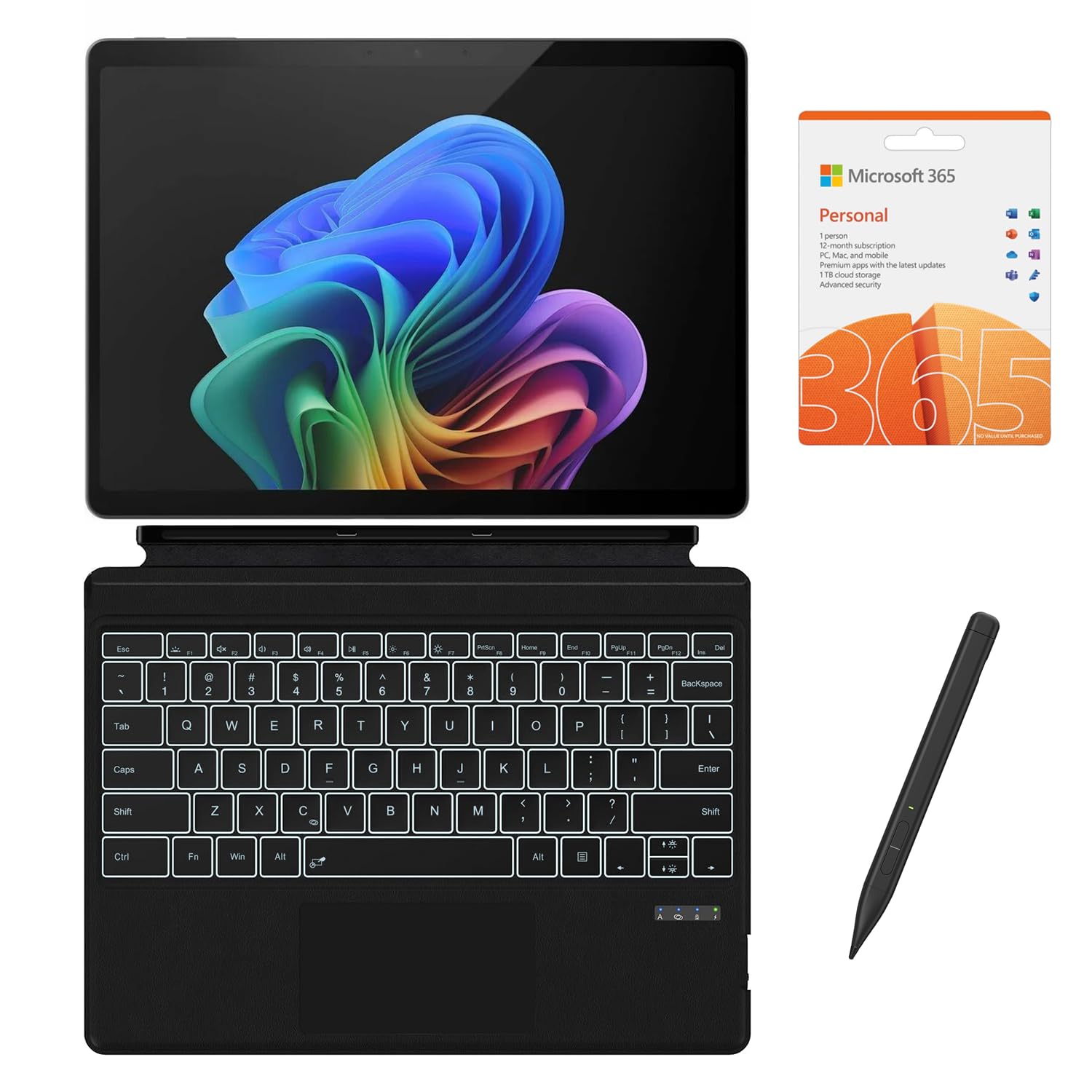
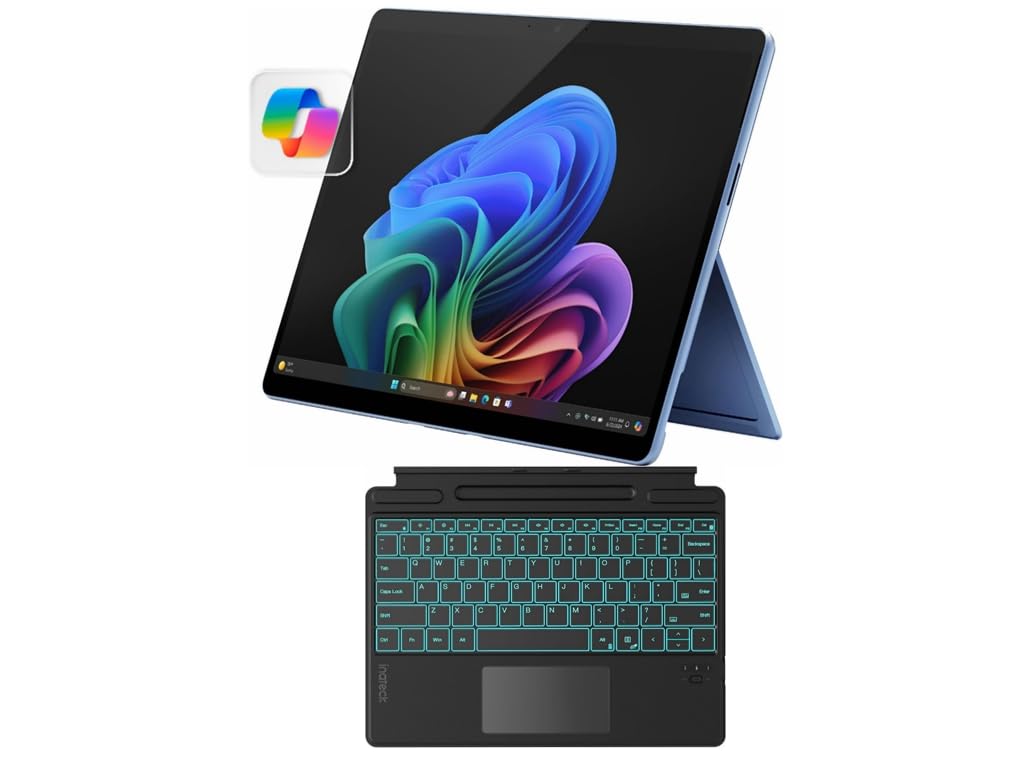
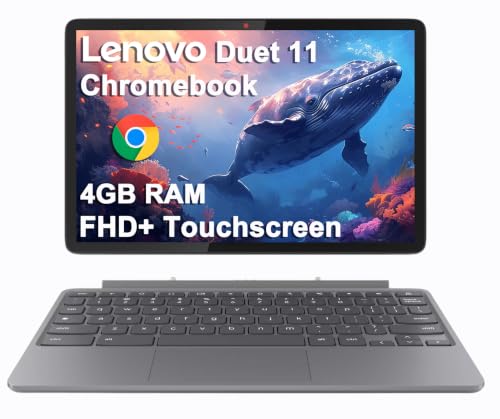

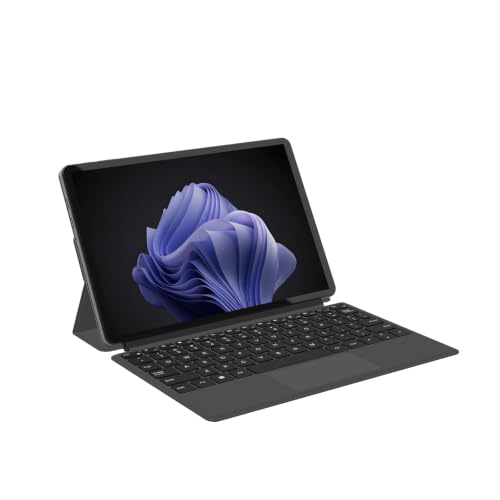
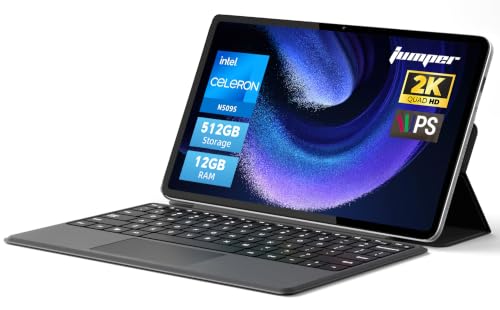

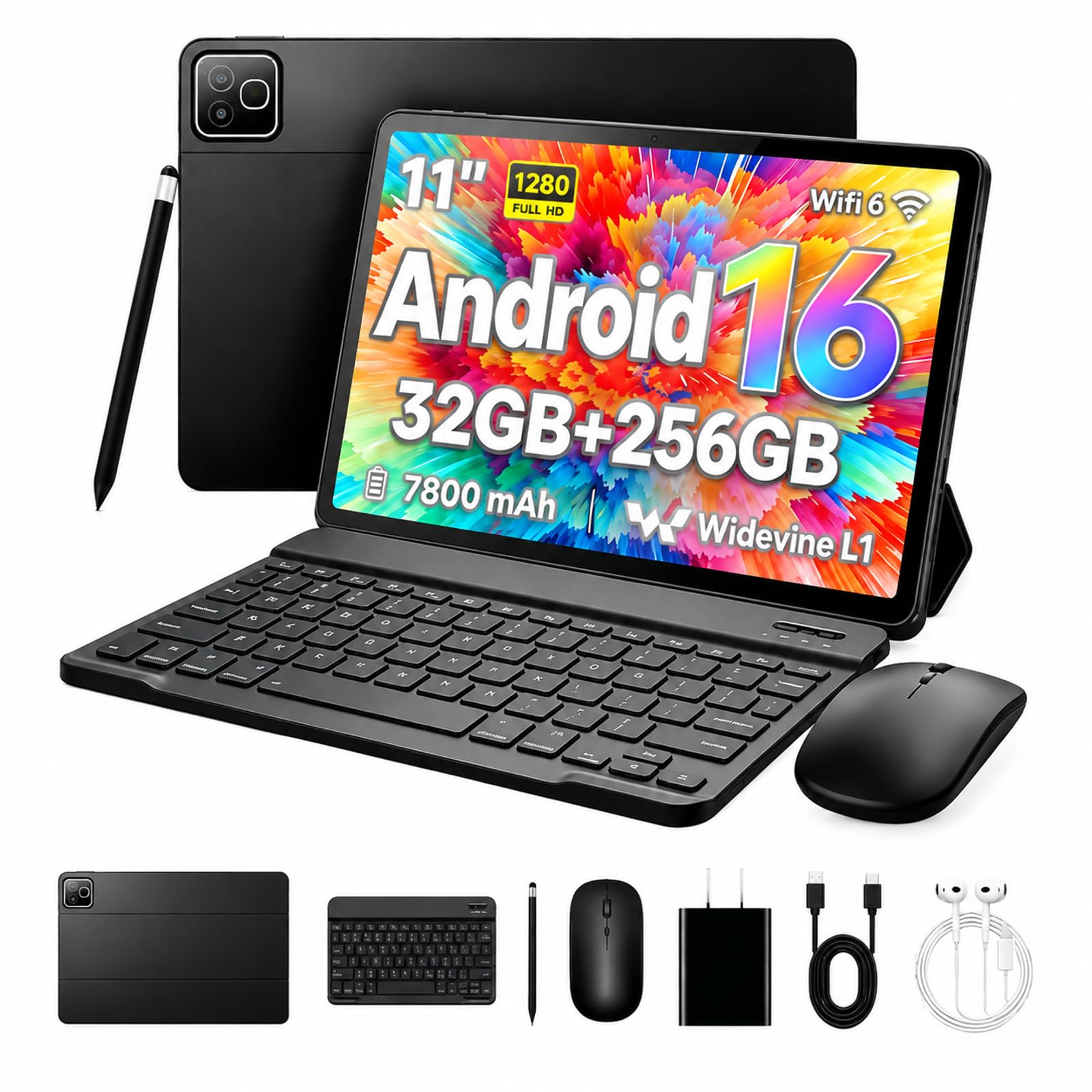
Who Should Buy Which 2in1 Tablets?
Start by naming your main job for the device. A clear main job makes every later choice easier, from screen size to budget. Secondary uses matter, but they should not drive the purchase.
For Remote Workers and Creators
Remote workers need a sharp display, a clear microphone, and a camera that handles indoor light well. Prioritize a comfortable keyboard, at least two USB C ports, and reliable WiFi for calls and cloud files. Creators should also value accurate color and stylus support for sketching or marking documents. Choose a stronger processor and 16GB of RAM if you edit photos, keep many tabs open, or join calls while sharing your screen.
For Students and Everyday Users
Students and everyday users benefit most from stability, long battery life, and a price that leaves room for a case and keyboard. A mid level processor handles notes, research, streaming, and light photo work without strain. Look for a bright screen for library and cafe use, plus storage that fits offline files for class. A device that wakes fast and charges by USB C makes daily use simpler.
For Travelers and Commuters
Travelers should put weight and battery life first. A model under about 3 lb with its keyboard stays comfortable in a backpack all day, and a compact charger saves space. Durability matters too, so a sturdy hinge and a padded sleeve are worth the small extra cost. Offline storage helps on planes and trains where connections drop, and a matte or bright screen reduces glare in changing light.
Best 2in1 Tablets for Specific Needs
Some buyers have a specific person or setting in mind rather than a job type. Age, supervision needs, and school rules can change which features matter most. The teen focused notes below show how those factors shift the checklist.
Teens: What to Prioritize
When you shop for best 2in1 tablets for teens, durability and battery life come before raw power. Look for a strong case, a screen that survives daily backpack trips, and parental controls that are easy to manage. School platforms should run smoothly, and storage should hold projects without constant cleanup. Families shopping for much younger children have different needs, and our guide to the best tablets for kindergarteners covers that age group separately.
Key Features to Compare
Specs only help when you tie them to a task. Read each feature below with your routine in mind, and note the minimum level that covers your heaviest normal day. Paying above that level buys headroom, not always value.
RAM and Storage
RAM decides how smoothly the device juggles open apps. Treat 8GB as a practical minimum for school and office work, and choose 16GB if you multitask heavily or edit media. Storage holds your files and apps, and a fast SSD keeps loading times short. Choose 256GB or more if you store video or work offline often, and check whether cloud storage truly fits your habits before choosing a smaller drive.
Ports and Connectivity
Ports decide how easily the tablet connects to your desk and classroom gear. USB C is the core port for charging and accessories, and Thunderbolt support on some models adds fast docks and external displays. An HDMI option or a simple adapter covers presentations. WiFi 6E or newer improves speed on crowded networks, and Bluetooth support for a mouse and headphones reduces cable clutter.
Weight and Portability
Weight includes the keyboard, because that is how you will carry and use the device most days. Under 3 lb total feels light for students and commuters, while larger screens push weight up quickly. Balance matters as well, since some convertibles feel top heavy on your lap. If you read in tablet mode often, check how the device feels in one hand for ten minutes, not just in a quick store hold.
Operating System and Keyboard
Windows 2in1 tablets run full desktop programs, while Android and Chromebook models run mobile apps or browser based tools at a lower price. Check whether the keyboard cover is included, because some models sell it separately. A detachable keyboard with a stable kickstand makes lap use easier.
Processor and Performance Tier
The processor sets the ceiling for speed and longevity. Current mid and upper tiers from major chip families handle office work with ease, while entry chips suit notes and browsing. Match the tier to your heaviest task, such as video calls with screen sharing or large spreadsheets. A slightly stronger processor can extend useful life by a year or more, which often beats saving a small amount now.
If you lean toward a Windows focused convertible, see our guide to the best pc tablets for platform specific points to compare.
Common Mistakes to Avoid When Buying 2in1 Tablets
- Choosing on price alone and ending up with too little RAM or storage for daily work.
- Ignoring the keyboard feel, even though you will type on it for hours each week.
- Buying a screen that is too large to carry comfortably or too small for split screen work.
- Forgetting to check warranty terms and repair options before you need them.
- Skipping accessory costs, such as a stylus, case, and spare charger, in your total budget.
Each mistake is easy to avoid with a short trial list. Write your three main tasks, check typing and screen size against them, and add accessory prices before you compare totals.
Care and Maintenance Tips
Keep the operating system and firmware updated, since updates fix security issues and often improve battery and stylus behavior. Avoid keeping the battery at a full charge all the time when the device sits plugged in at a desk, and use battery saver settings if your system offers them. Small habits like these slow battery wear.
Use a padded sleeve when commuting and keep liquids away from the keyboard and hinge. Clean the screen with a soft cloth and back up school or work files regularly. If you are still weighing your shortlist, our guide to the best tablets to purchase adds general buying checks that apply before checkout.
FAQs
How much RAM do I need in a 2in1 tablet?
Most buyers need 8GB of RAM as a minimum, and 16GB is the safer choice for heavy multitasking. Notes, browsing, and documents run fine on 8GB, while photo editing and many open tabs feel smoother with more. RAM usually cannot be upgraded later in these thin devices, so choose for the work you expect in two years, not only today.
How long should a 2in1 tablet last?
A well chosen 2in1 tablet should last about four to six years of regular use. Battery wear is often the first limit, followed by software support ending. Choosing a mid level processor, enough storage, and a model with continued updates extends that span. Careful charging and a protective case help the hardware keep up with the software.
Does a 2in1 tablet come with a keyboard and pen?
It depends on the model. Many Windows detachables sell the keyboard cover and pen separately, while some budget Android and Chromebook models include a keyboard in the box. Check the listing for what is included and add accessory costs to your total before comparing prices.
Should I buy a laptop or a tablet?
Choose based on how much you type and how often you draw or read by hand. A laptop suits long typing sessions and fixed desk work, while a convertible suits mixed use with touch and stylus input. If you want one device for both, a 2in1 with a solid keyboard covers most people. Pure tablets without keyboards fit media and light tasks best.
Is a Chromebook enough for school?
A Chromebook based convertible is enough for many school programs that run in a browser. It handles documents, classroom platforms, and video calls at a lower price. Check your school list first, because some classes require specific Windows or Mac software. If any required app lacks a web version, choose a different platform to avoid problems mid term.
Choosing the Best 2in1 Tablets: Our Verdict
Match the device to your routine, protect the basics of RAM, storage, and keyboard comfort, and count accessory costs in your total. Travelers should guard weight and battery life, while creators should guard screen quality and power. Review your finalists in the product table above, and you will choose the best 2in1 tablets for your day with far fewer regrets.


