Best 32000 Grain Water Softeners (2026): Sizing, Valves and Installation
Disclosure: We may earn a commission when you buy through links on this page, at no extra cost to you. As an Amazon Associate I earn from qualifying purchases. Learn more

Learn how to size and choose the best 32000 grain water softener, from metered valves to installation cost.
A 32000 grain softener sits in the middle of the size range, and that middle ground is exactly why choosing one takes care. Too little capacity means constant regeneration and wasted salt, while too much capacity means resin sitting idle for weeks. This guide helps you find the best 32000 grain water softener for your household by comparing system types, installation and compatibility needs, build quality, and the features that change daily use. Start with the comparison table below, then read on for the sizing math.
Every system in this size class shares the same rated capacity, so the real differences show up in how the unit regenerates, how well it fits your plumbing, and how much upkeep it asks from you. For the broader picture, our guide to the best water softener covers all sizes.


Types of 32000 Grain Water Softeners Compared
Capacity alone does not tell you how a system softens water. The three designs below all carry a 32000 grain rating, yet they behave very differently once installed in your home.
Salt Based Ion Exchange Systems
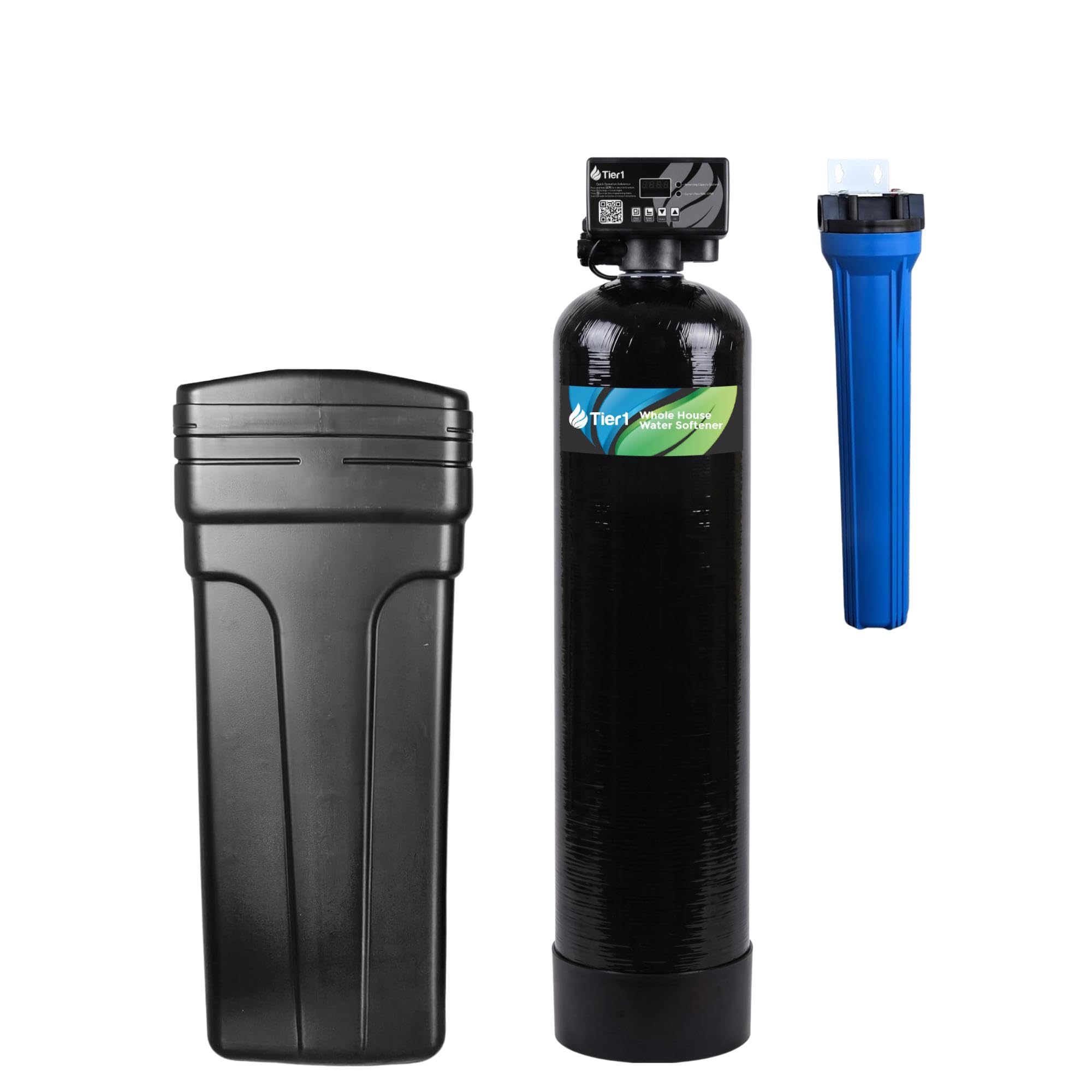
This is the standard design and the only one that truly removes hardness minerals. Water passes through a resin bed that trades sodium ions for calcium and magnesium, and the system later flushes the collected minerals away with brine from the salt tank. A single tank layout keeps the footprint compact and the price moderate. Choose this type when your water test shows real hardness and you want soft water at every tap, not just scale reduction in one part of the house.
Dual Tank Systems
A dual tank setup pairs two resin tanks with one control valve, so one tank can regenerate while the other keeps supplying soft water. That matters in homes where water runs at all hours, such as households with night shift workers or large families doing laundry late. Dual tank models cost more and need extra floor space, and for a typical family the benefit rarely shows. For most 32000 grain shoppers, a single tank with a well timed regeneration cycle covers the same ground for less money.
Combo Systems With Filtration Stages
Combo units add a carbon stage or an iron stage ahead of the softening resin, so one cabinet handles taste, odor, and hardness together. This suits well water with light iron or city water with a strong chlorine smell. Keep in mind that a softener and a filter do different jobs, and our breakdown of water softener vs water filter explains where each one stops working. Combo systems also add filter change costs that plain softeners never have.
Key Features to Compare
Metered Regeneration Controls
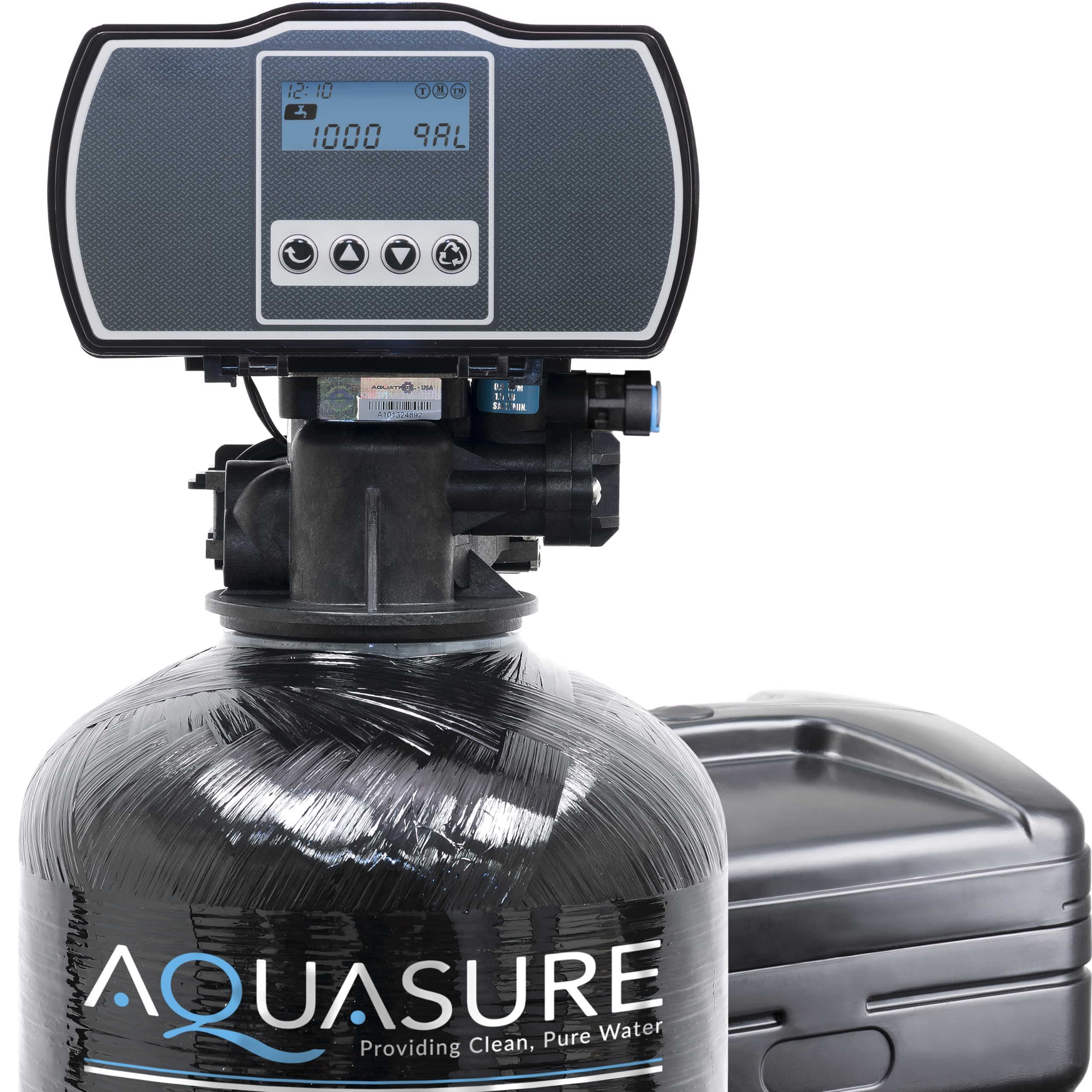
A metered valve tracks the gallons your household actually uses and regenerates only when the resin nears exhaustion. A timer based valve regenerates on a fixed schedule whether you used the water or not, which wastes salt and water during vacations and quiet weeks. Metered control is the single feature that most lowers running costs in this size class, because a 32000 grain tank sized correctly for your home should cycle about once a week. Look for a digital head with a reserve capacity setting so the unit never runs out of soft water the evening before a scheduled cycle.
Resin Quality and Tank Build
The resin inside the tank does the actual softening, and finer mesh resin exchanges ions faster, which helps when several fixtures run at once. Standard resin handles city water well, but chlorine shortens its life, so homes on chlorinated supplies benefit from resin rated for chlorine exposure or from a carbon stage ahead of the tank. The mineral tank itself should feel rigid, with a smooth interior coating that resists scratches where bacteria could settle. A sturdy brine tank lid also matters, because a warped lid lets dust reach your salt supply.
Flow Rate and Pressure Drop
Manufacturers rate softeners by service flow in gallons per minute. Your home needs enough flow for a shower, a washing machine, and a faucet running together without a pressure sag. Smaller internal passages in the control valve add pressure drop even when the tank could deliver more, so compare the valve rating, not just the tank rating. Homes with three or more bathrooms should favor the upper end of the flow range, while a one or two bathroom home will rarely push a 32000 grain unit hard enough to notice a difference.
Bypass Valve and Warranty Coverage
A bypass valve lets you route water around the softener during lawn watering, pool filling, or service work, and it should come included rather than sold as an add on. Metal bypass assemblies tolerate years of turning better than thin plastic ones. Warranty terms split into separate clocks for the tank, the control valve, and the electronics, so read each period instead of trusting the single biggest number on the box. Longer tank coverage signals confidence in the vessel, while short electronics coverage is common even on solid systems.
How to Choose the Right Water Softener
Measurements and Compatibility With Your Setup
Measure the space where the unit will stand, including headroom to lift the brine tank lid and room to pour in salt bags. Check your main line size, commonly 3/4 inch or 1 inch, and confirm the included connectors match it. The softener needs a drain within reach for regeneration discharge and a standard outlet for the control valve. Place it where the whole house supply passes, usually near the water meter or well pressure tank, but after any line that feeds outdoor faucets you do not want softened. Our step by step walkthrough on how to install a water softener shows the full layout before you order.
Certifications
Look for certification to NSF/ANSI Standard 44, which covers softener efficiency claims and the accuracy of the rated capacity printed on the box. That mark means an outside body verified the grain rating rather than the maker simply stating it. Lead free compliance for the valve and fittings also matters, since every drop you drink passes through them. Electrical safety listings on the control head round out the picture. Certifications rule out exaggerated capacity claims.
DIY vs Pro Installation Cost
A confident homeowner with basic plumbing skills can install a 32000 grain unit in a few hours using push fit connectors, especially where a softener loop was roughed in during construction. Cutting into a main line, adding a drain, or working with soldered copper raises the difficulty fast. Professional installation adds a meaningful sum on top of the unit price, and our guide to water softener installation cost breaks down what that labor charge usually includes. Get the install quote before choosing, because a cheaper unit with costly fitting work can pass a pricier model in total spend.
How Much Should You Spend?
Most 32000 grain systems fall between about $400 and $900 for the unit alone. Models under $500 usually pair a timer or basic metered valve with standard resin and shorter electronics coverage. Spending closer to about $700 to $900 typically buys a proven metered valve, better resin, and longer tank coverage. Salt adds a modest yearly cost, and water used during regeneration adds a little more. Judge value on total ownership cost across ten years rather than the sticker, since savings from a good metered valve repay their premium over time.
Is a 32000 Grain Water Softener the Right Size for You?
Do the sizing math before anything else. Multiply the people in your home by about 75 gallons of daily use, then multiply by your hardness in grains per gallon. Four people with water at 10 grains per gallon need roughly 3000 grains of capacity per day, or about 21000 grains per week. A 32000 grain unit regenerates at an efficient salt setting well below its headline rating, delivering around 20000 to 24000 usable grains per cycle, so that household lands near one regeneration a week, which is the rhythm you want.
This size fits most homes with one to three bathrooms and two to five occupants on moderately hard water. If your hardness climbs past 15 grains per gallon, or your household runs five or more people, a 40000 or 48000 grain model stretches the cycle back out. Well water users should also test for iron, because each part per million of iron adds to the hardness load the resin must handle, and our guide to the best water softener for well water addresses iron removal directly. Regenerating far more often than weekly wastes salt, while cycles stretching past two weeks let resin sit fouled and stale. With those numbers in hand, you can judge any listing and spot the best 32000 grain water softener for your home.
How to Make Your Water Softener Last Longer
- Keep the brine tank at least one quarter full of salt, and break up any solid crust that forms across the top, since a salt bridge starves the system of brine while the tank still looks full.
- Use clean pellet salt rather than rock salt, which carries more insoluble grit that settles into brine tank sludge over the years.
- Set the hardness level on the control valve to your measured hardness number, not a guess, because an inflated setting triggers regeneration your resin never needed.
- Run an iron removing resin cleaner through the system a few times a year if your water carries iron, which coats resin beads and quietly cuts capacity.
- Check the venturi and brine line once a year for salt buildup, since a clogged venturi is the most common reason a softener stops drawing brine.
FAQ
What size water softener do I need for a family of four?
For most families of four, a 32000 grain unit is the right call when hardness sits between about 7 and 12 grains per gallon. The deciding input is your actual hardness number, so test before you buy using a simple strip kit or a water quality report from your water provider. Guessing high leads to a system that regenerates too rarely, and guessing low leads to hard water slipping through before each cycle ends.
How long does a 32000 grain water softener last?
The tank and resin typically serve about 10 to 15 years, while control valve electronics often need attention sooner. Chlorinated city water wears resin faster than well water does, sometimes cutting resin life noticeably. When softening fades gradually despite correct settings and a clean brine tank, tired resin is the usual cause, and replacing the resin bed costs far less than replacing the whole system.
Is a 32000 grain water softener worth it for city water?
Yes, when your city supply tests as hard, because municipal treatment removes contaminants but leaves calcium and magnesium in place. Soft water keeps scale off water heater elements, which preserves heating efficiency and stretches appliance life. The savings show up slowly through lower detergent use, fewer descaling chores, and longer lived fixtures. If your city water tests below about 5 grains per gallon, though, the gains shrink and a softener becomes hard to justify.
How do you clean a water softener brine tank?
Empty the tank once the salt runs low, scoop out remaining salt and sludge, then scrub the interior with warm water and a small amount of dish soap before rinsing well. Inspect the float assembly while the tank is empty, since a sticky float causes overflows that look like major leaks. Refill with fresh pellets afterward. Doing this every few years prevents the grit buildup that slowly chokes brine draw between regenerations.
Can a salt free system match a 32000 grain salt based softener?
No, because salt free units condition minerals rather than removing them, so a hardness test reads the same before and after. They reduce scale sticking inside pipes, which suits people who want low maintenance and no salt bags, and our guide to the best salt free water softener covers that route in depth. Choose salt based ion exchange when you want the full feel of soft water, spot free glassware, and soap that rinses clean.
Final Thoughts
The right choice in this size class comes down to honest sizing, a metered valve, and plumbing that matches your home. Run your hardness test, confirm your line size and drain access, then compare the product table above against those numbers. When the math lines up, the best 32000 grain water softener for your home regenerates about weekly, sips salt, and quietly protects every appliance downstream for a decade or more.