Best 30 Inch Electric Cooktops 2026
Disclosure: We may earn a commission when you buy through links on this page, at no extra cost to you. As an Amazon Associate I earn from qualifying purchases. Learn more

Learn how to choose 30 inch electric cooktops, from smooth top and induction options to burner layouts, controls, and installation requirements.
A 30 inch cooktop is the standard width for many kitchens, offering four burners in a compact footprint, so the best 30 inch electric cooktops are judged on burner layout, heat control, and ease of cleaning as much as on looks. A good cooktop heats evenly, responds quickly to control changes, and fits your cutout and electrical supply without costly changes. The comparison table below outlines the main 30 inch electric types, and this guide explains smooth top, induction, controls, and installation.
This guide is for homeowners replacing a cooktop, renovating a kitchen, or choosing a first electric cooktop for a standard cutout. It covers the practical differences between smooth top radiant and induction models. For related sizes and types, see best 30 inch cooktops and best electric cooktops.


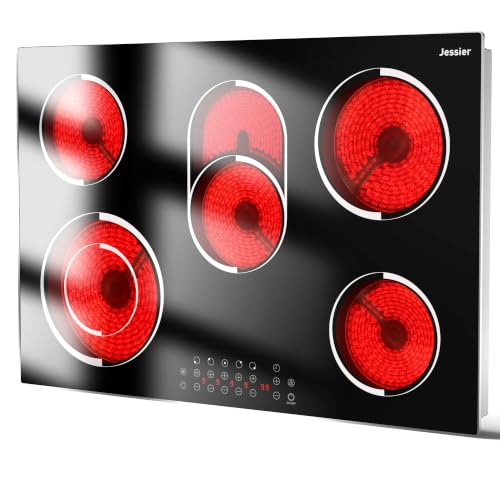
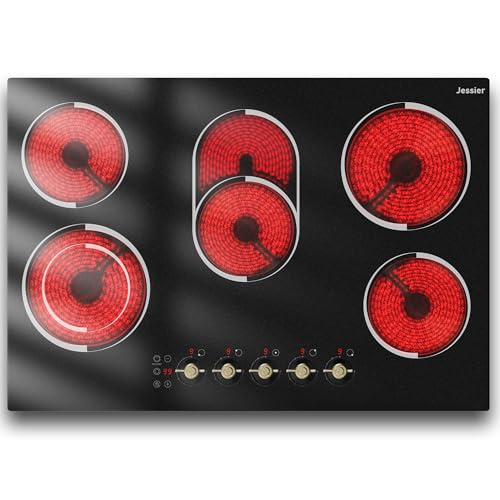


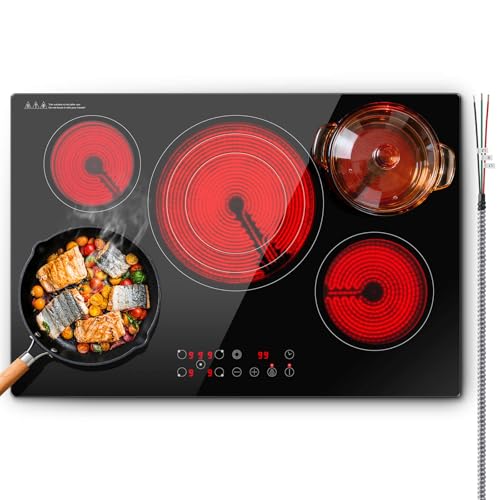
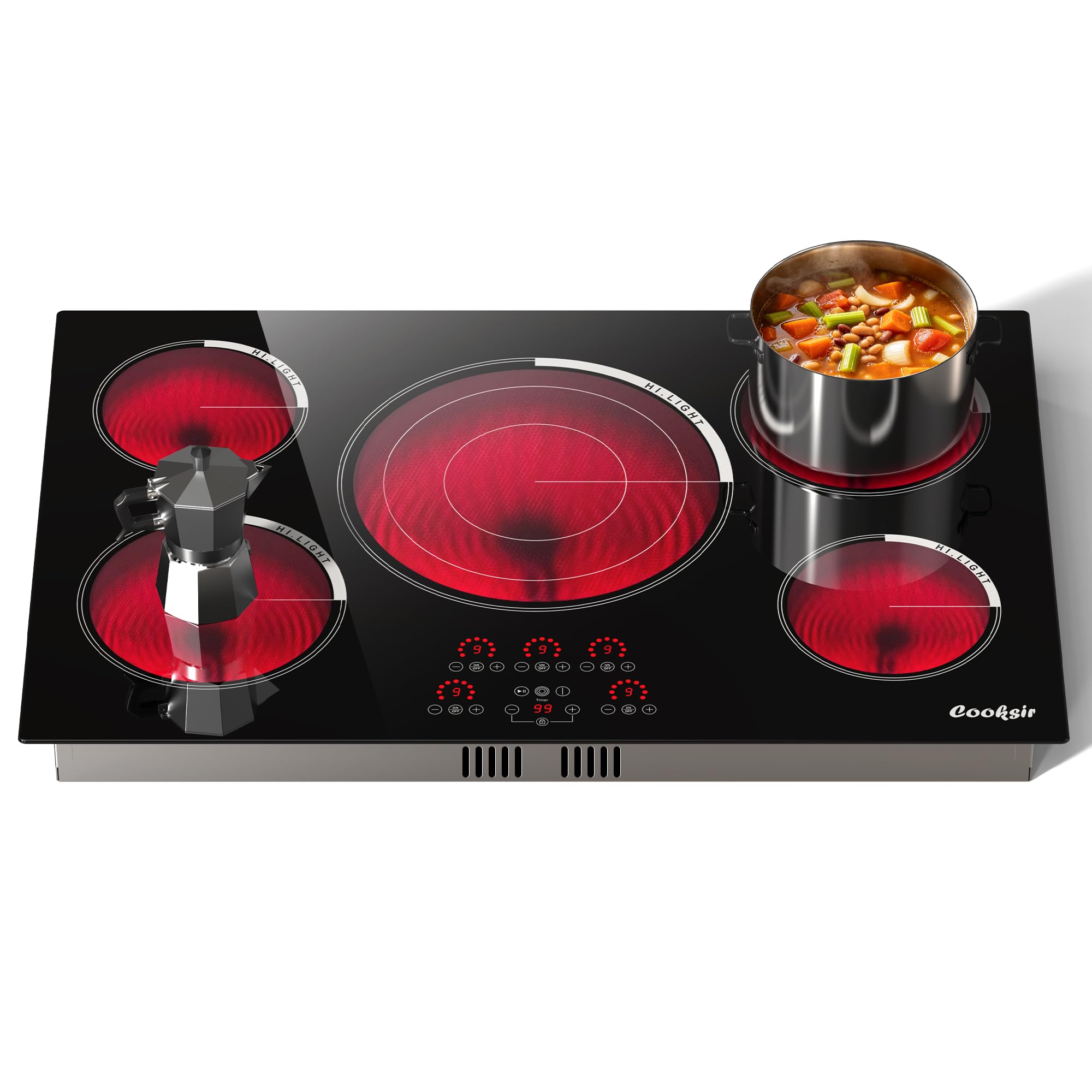
Who Should Buy a 30 Inch Electric Cooktop
Homeowners with a standard 30 inch cutout, apartments, and smaller kitchens benefit most from 30 inch electric cooktops. They suit households cooking for one to four people with four burners, without the space or power needs of a larger range. Electric cooktops also suit homes without gas supply or where gas installation is costly.
Larger households that cook with many large pots at once may prefer a 36 inch cooktop or a range with an oven below. A 30 inch cooktop can feel crowded with two large pans plus a stockpot. Measure your largest pans and think about your busiest cooking sessions before choosing width.
Smooth Top Radiant Versus Induction
Smooth top radiant cooktops heat elements under glass, work with any flat bottomed pan, and cost less than induction. They heat more slowly, stay hot after switching off, and can be harder to clean if spills bake on. Induction cooktops use magnetic fields to heat pans directly, offering faster heating, precise control, and a cooler surface, but they need magnetic pans.
Induction suits cooks who value speed, precise simmering, and easy cleaning, since spills on the glass do not bake on as badly. Radiant suits cooks with non magnetic pans, such as aluminium or copper without a magnetic base, who do not want to replace cookware. Test your pans with a magnet to check induction compatibility.
Burner Layouts, Sizes, and Power
A good 30 inch layout offers varied burner sizes, including a large burner for stockpots, medium burners for everyday pans, and a small burner for simmering sauces. Bridge elements, which join two burners for griddles, help cooks who use long pans. Check that large burners are not so close that big pans collide.
Power matters for boiling and searing, with larger burners offering higher wattage for faster heating. Simmer control matters just as much, since a burner that cannot hold a gentle simmer will scorch sauces. Look for a range of power levels, not just a high maximum, for everyday cooking flexibility.
Controls, Safety, and Cleaning
Touch controls look sleek and wipe clean easily, while knob controls offer tactile feedback and suit cooks who adjust heat without looking. Touch controls can be tricky with wet hands, while knobs need cleaning around their bases. Choose the control style you find easiest during busy cooking, not just the one that looks best in photos.
Safety features include hot surface indicators, child locks, auto shutoff, and pan detection on induction models. These matter especially in households with children or older cooks. For cleaning, smooth glass tops need a scraper and suitable cleaner for burnt spills, while induction tops usually wipe clean more easily.
Installation, Electrical Supply, and Cutout
Electric cooktops need a dedicated circuit with the correct voltage and amperage, so check your electrical supply before buying. A qualified electrician should install or verify the circuit, especially when replacing gas or older electric models. Never attempt electrical work beyond your competence, since incorrect wiring risks fire and invalidates warranties.
Measure your cutout carefully, including width, depth, and clearance to walls and overhead cabinets. A cooktop that almost fits still needs a correct cutout, and enlarging stone worktops costs time and money. Our guides to best induction cooktops 30 inch and best gas cooktops 30 inch cover induction and gas 30 inch options.
Budget Tiers and Long Term Value
Budget 30 inch electric cooktops, around $300 to $600, suit rentals and basic kitchens with radiant elements and simple controls. Midrange models, around $600 to $1,100, usually offer better burner layouts, induction options, and safety features, which is the sweet spot for most homeowners. Premium models, around $1,100 to $1,800, add refined induction, bridge elements, and premium glass.
Long term value comes from a layout that suits your pans, controls you enjoy using, and a surface you can keep clean. Induction models may cost more upfront but can save energy and cleaning time over years. For larger electric options, best electric cooktops 36 inch covers 36 inch models.
Planning for Everyday Use
Think about your cooking habits before choosing, since everyday family cooking, entertaining, and simmering sauces need different burner layouts. A layout with varied burner sizes suits most households, with a large burner for stockpots, medium burners for everyday pans, and a small burner for gentle simmering. Bridge elements help if you cook with griddles or long pans regularly.
Check your pans before choosing induction, since magnetic pans are required and non magnetic aluminium or copper pans will not work. Test pans with a magnet and note which pans you would need to replace. Also plan cleaning habits, since smooth glass tops need prompt wiping and suitable cleaners to stay looking good over years of daily cooking.
A Final Check Before You Order
Before ordering, measure your cutout carefully, including width, depth, and corner shape, and compare with the installation guide for the model you want. Confirm your electrical supply and circuit capacity with a qualified electrician, especially when replacing gas or older electric models. Never assume a new cooktop fits an old cutout without measuring, since small differences cause costly worktop changes.
Also confirm control style, safety features, and cleaning needs against your household, including child locks if children use the kitchen. Check the return and installation policies, since cooktops are bulky and installation timing matters during renovations. A careful measurement and electrical check prevents delays and extra costs on installation day.
Common Mistakes to Avoid
A common mistake is ordering a cooktop without measuring the cutout, since 30 inch models vary in exact cutout width, depth, and corner shape. A cooktop that almost fits still needs correct worktop changes, which cost time and money, especially in stone. Measure carefully and compare with the installation guide before ordering, and confirm electrical supply with a qualified electrician.
A second mistake is choosing induction without checking pan compatibility, since non magnetic pans will not heat at all on induction. Test pans with a magnet before buying, and budget for replacement pans if needed. Also avoid using warped pans on smooth tops, since they heat unevenly, scratch glass, and waste energy on every cooking session.
Frequently Asked Questions
What pans work on electric smooth top cooktops?
Flat bottomed pans of any material work on radiant smooth tops, provided the base sits flat for even heating. Warped pans heat unevenly and can scratch glass. Induction cooktops need magnetic pans, which you can test with a fridge magnet.
Is induction faster than radiant electric?
Yes, induction usually boils water faster and responds quicker to control changes, since it heats the pan directly. Radiant elements heat more slowly and stay hot after switch off. Induction also keeps the surrounding glass cooler, which helps cleaning.
Can I install a 30 inch cooktop myself?
You can handle measuring and choosing, but electrical connection should be done or checked by a qualified electrician, especially for new circuits or gas replacement. Incorrect wiring risks fire and warranty loss. Always turn off power before any work near the circuit.
How do I clean a glass cooktop?
Wipe spills promptly when the surface cools, use a glass scraper for burnt residue, and clean with a suitable glass cooktop cleaner. Avoid abrasive pads that scratch glass. Induction tops usually clean more easily since spills do not bake on as much.
Will a 30 inch cooktop fit my old cutout?
Often yes if the old cooktop was also 30 inches, but cutout dimensions vary by model, so measure width, depth, and corner radius carefully. Check the new model installation guide before ordering. Enlarging a stone cutout needs professional tools and care.
Final Thoughts
The best 30 inch electric cooktop matches your pans, cooking style, and electrical supply, with a burner layout that never feels crowded. Use the product table above to compare radiant and induction options, and measure your cutout before ordering. With the best 30 inch electric cooktops chosen this way, everyday cooking should feel faster, safer, and easier to clean.
Finally, keep your cooktop clean after each cooking session, wiping spills while they are fresh and using suitable cleaners for burnt residue. A clean glass top not only looks better, it also heats more evenly and lasts longer, making daily cooking more pleasant for years after installation day.