Best 3 Stage Under Sink Water Filters (2026): Layouts, Certifications and Cartridge Costs
Disclosure: We may earn a commission when you buy through links on this page, at no extra cost to you. As an Amazon Associate I earn from qualifying purchases. Learn more

A buying guide to the best 3 stage under sink water filter: layouts, certifications, installation and upkeep.
Picture a weekday morning in a busy kitchen. One person fills a kettle, another rinses fruit, and a child wants a glass of water before school. If your tap water tastes like a swimming pool or leaves grit in the kettle, choosing the best 3 stage under sink water filter can fix that quietly from inside the cabinet. This guide helps you choose by cabinet space, household size, and budget, and the comparison table below sums up the main configurations at a glance.
Three stages is a popular middle ground. You get sediment capture, chlorine reduction, and finer polishing without the waste water or extra hardware of larger systems. If you are still comparing styles, our overview of the best under sink water filter options gives useful background.
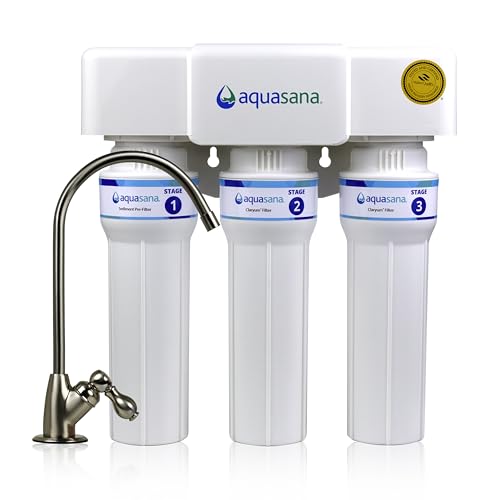
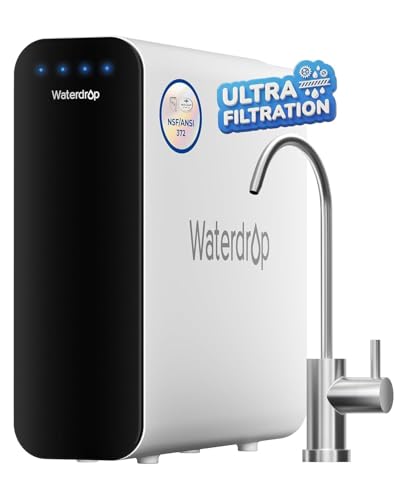


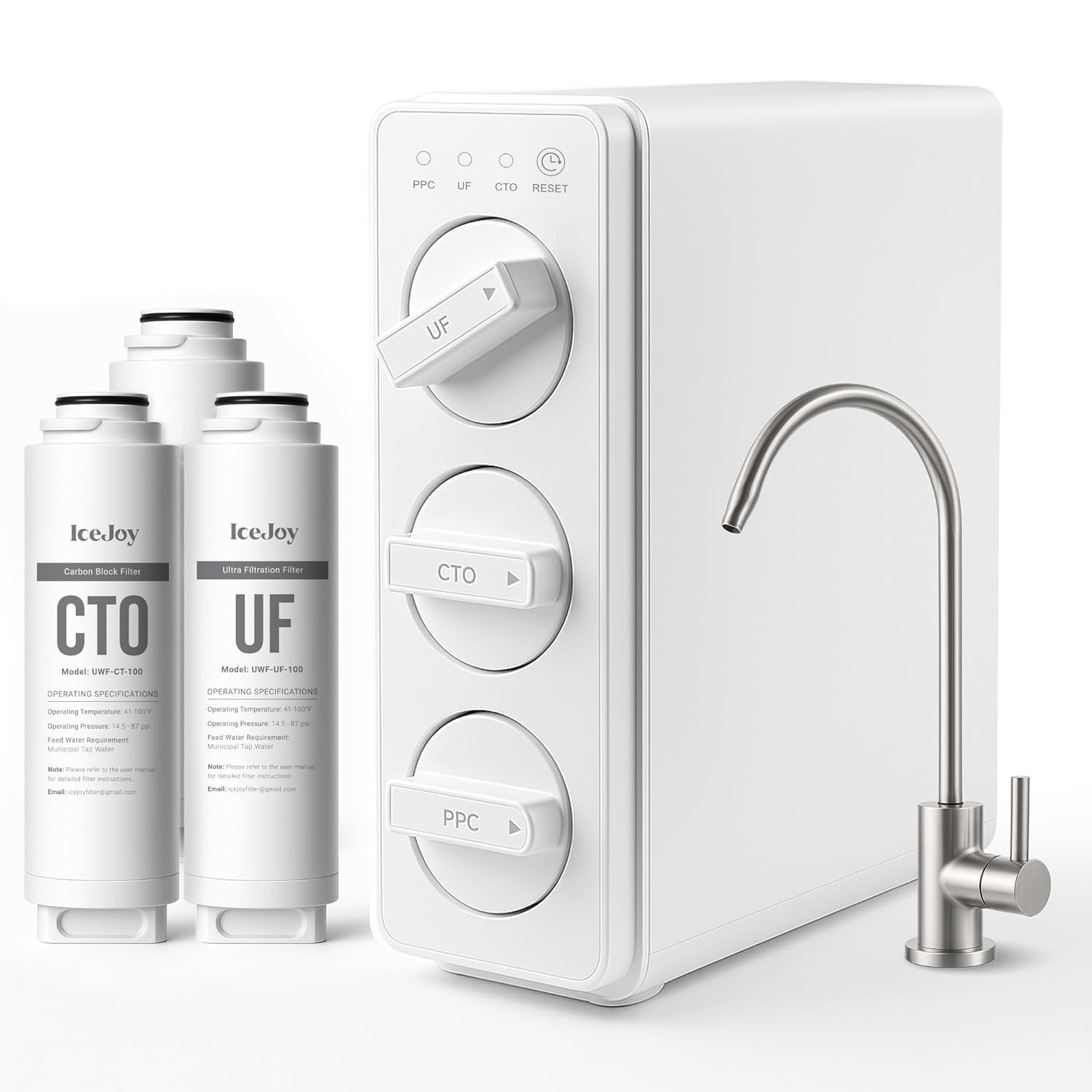
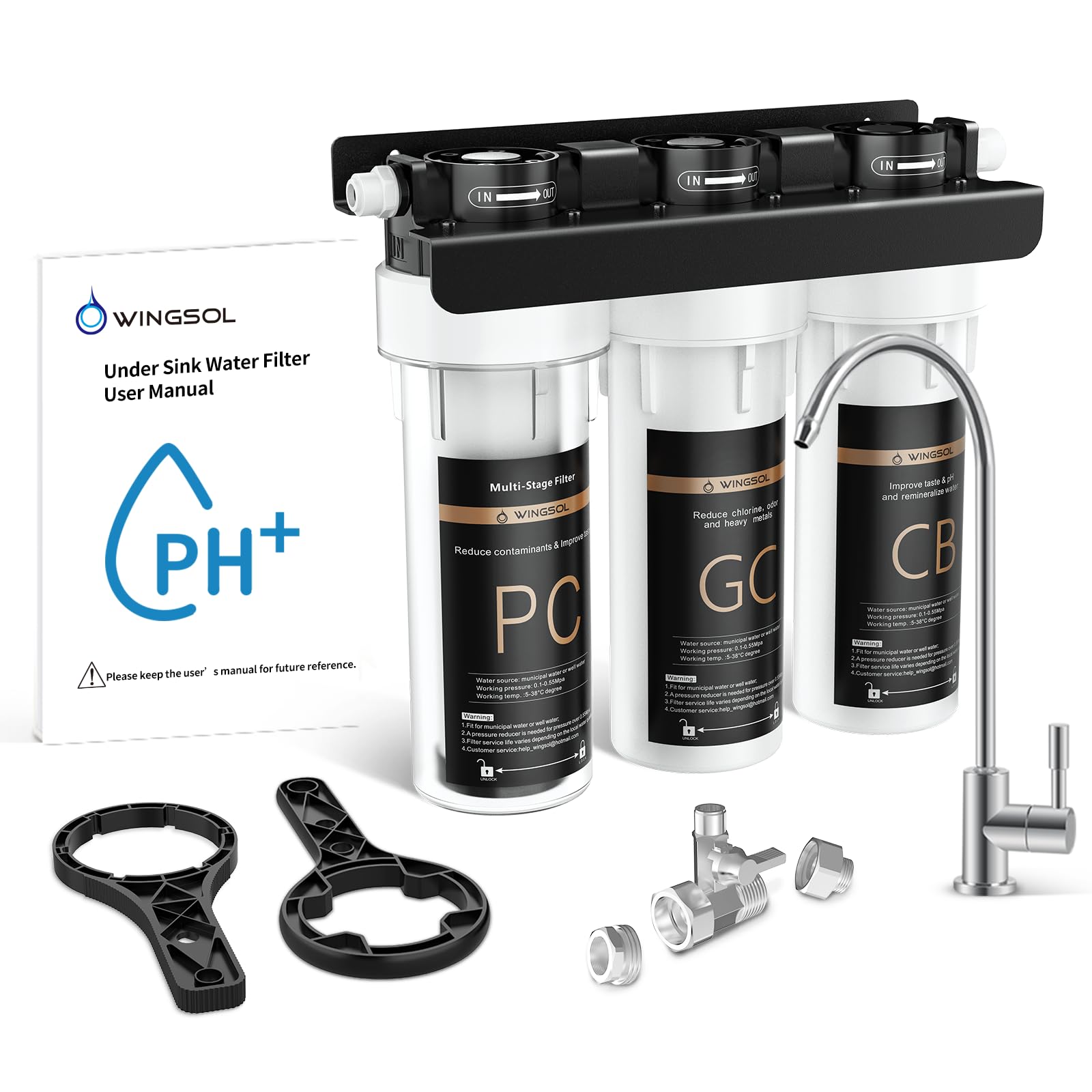
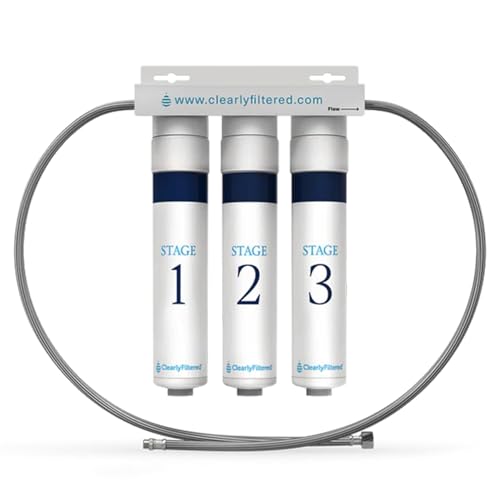
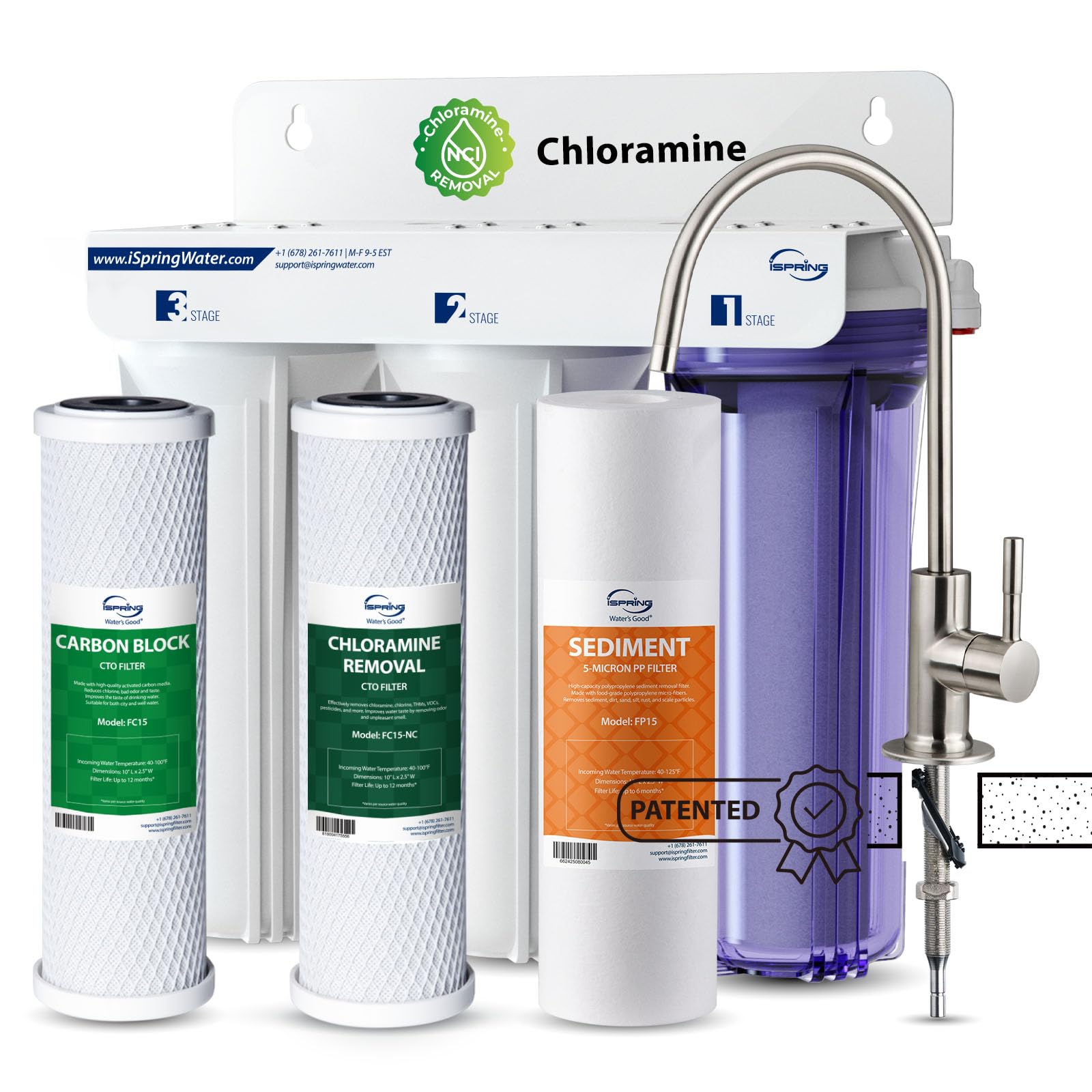
Quick Answer: The 3 Main Configurations in 30 Seconds
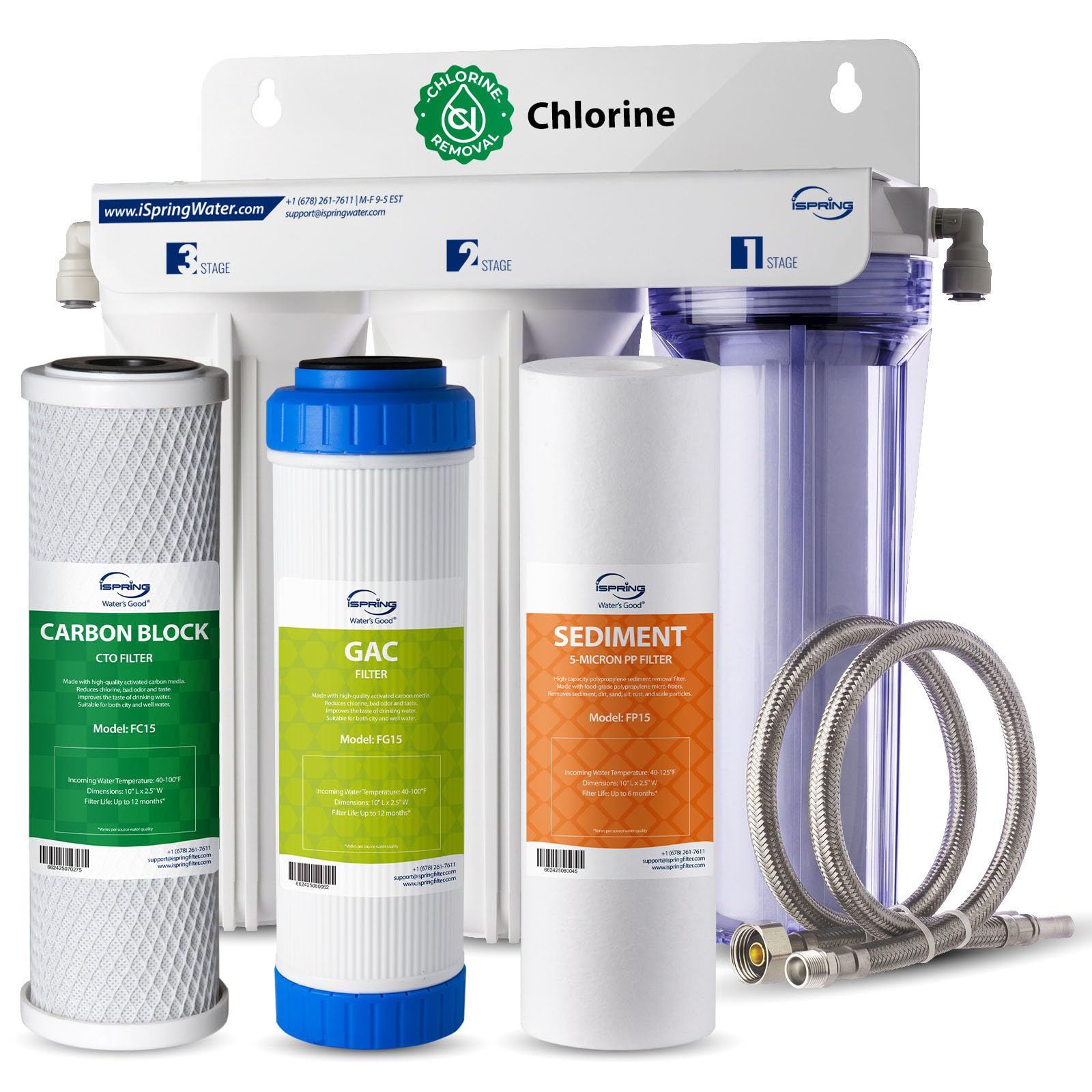
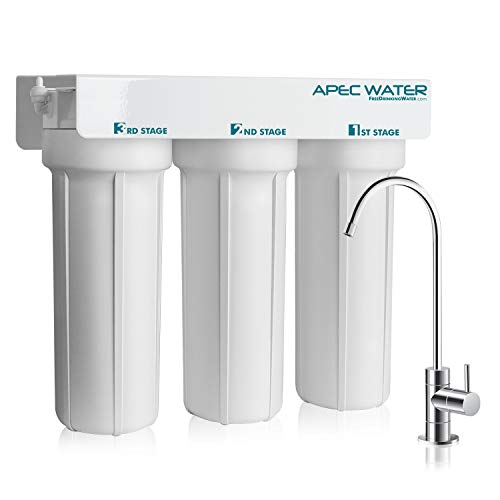
Nearly every three stage system falls into one of three layouts. Canister systems use three separate housings on a bracket and give you the widest choice of replacement cartridges. Compact block systems pack the stages into sealed units that swap out fast. Direct connect systems plumb into your cold water line and feed your existing faucet, so there is no extra tap on the counter. Your cabinet size and daily water use decide which layout suits you.
Before You Buy: A Quick Checklist for Choosing an Under Sink Water Filter
Which Type Fits Your Routine
A three stage system usually runs sediment first, carbon second, and a finer carbon or specialty cartridge third, and that order protects the carbon from clogging early. Reverse osmosis goes further and strips out dissolved solids, but it needs more room and sends some water to the drain. If your home runs on a private well, sediment loads and iron can overwhelm a standard setup, so read our guide to the best under sink water filter for well water before you commit. City water households with steady pressure are the natural fit for a plain three stage design.
Features Worth Paying For, and Ones to Skip
A dedicated faucet is worth it if your main tap sees heavy use, because it keeps filtered water on its own path and lets the cartridges serve drinking water only. A pressure gauge or a simple filter life indicator also earns its keep by telling you when flow drops. Remineralization stages add minerals back for taste, and some drinkers love the result while others notice no difference, so treat that as optional. Skip decorative finishes, oversized housings your cabinet cannot hold, and bundled extras you will never use. Stick to features that change daily use, and the best 3 stage under sink water filter for your home gets easier to spot.
Measurements and Compatibility With Your Setup
Measure the cabinet first: height, depth, and the width left after the garbage disposal takes its share. Canister brackets need clearance below each housing so you can swing a wrench and drop the bowl at cartridge change time. Check your cold water line size and fitting style, since most kits assume common residential plumbing and adapters add cost. Also confirm your water pressure sits in the range the maker lists. Pressure that is too low slows flow, and pressure that is too high can stress seals.
Certifications That Actually Matter
Look for NSF/ANSI 42 certification for chlorine, taste, and odor reduction, and NSF/ANSI 53 for health related claims such as lead reduction. The certification only counts for the exact contaminants named on the listing, so read the fine print rather than trusting a badge on the box. Lead free fittings matter too, especially for the faucet and connectors that touch your drinking water. If a claim sounds broad but names no standard and no specific contaminant, treat it as marketing. Certified performance data tells you what each stage really removes, and it lets you compare two systems on facts instead of promises.
Doing It Yourself vs Paying a Plumber
Most three stage kits are realistic weekend projects if you can drill a hole for a dedicated faucet and work a wrench in a tight cabinet. Our step by step guide on how to install an under sink water filter walks through the whole job. Renters and owners of stone counters often pay a plumber instead, because drilling stone is unforgiving and a mistake costs far more than the visit. To plan either route, check the breakdown in our article on under sink water filter installation cost so labor, fittings, and any counter work are in your budget from the start.
Realistic Budget Ranges
Entry level three stage systems run about $80 to $150 and cover the basics for small households on city water. The middle band, about $150 to $300, buys sturdier housings, better faucets, and cartridges that are easy to find years later. Above that, about $300 to $500, you pay for premium fittings, higher flow rates, and longer cartridge life rather than dramatically cleaner water. Set your budget by the cartridge cost per year as much as the sticker price. A cheap unit with costly refills can outspend a mid priced system within two years.
Three Configurations Compared: How to Choose Your Layout
The Classic Three Canister Layout for Most Homes
Three separate housings on one bracket remain the most flexible choice for an average family kitchen. You can mix cartridge types freely, swapping a standard sediment cartridge for a finer one if your water carries grit, and each stage can be replaced on its own schedule. The trade off is size, since the bracket and bowls claim a wide slice of cabinet. Replacement cartridges for this layout are sold almost everywhere, which keeps yearly running costs predictable. If your cabinet has the room and you want the most control over what each stage does, this is the layout to beat.
The Compact Sealed Layout for Tight Budgets and Small Cabinets
Compact systems merge the stages into sealed cartridges that twist off as one unit, so a change takes minutes and spills almost nothing. They fit apartments, small condos, and cabinets crowded with pipes where a three bowl bracket simply will not go. You give up some freedom, because you must buy the exact sealed cartridge the maker sells, and per year costs can run higher. Flow rates also tend to be modest, which suits one or two people better than a large family. For a renter who may move and take the system along, the small footprint and fast swaps are hard to argue with.
The Large Housing Layout for Big Households
Oversized housings hold more carbon and sediment media, so they keep their flow and filtration strength longer between changes. That suits homes with five or more people, keen cooks who fill big pots daily, and anyone who hates changing cartridges on schedule. The housings are heavy when full of water, so a sturdy bracket and real clearance to lower a full bowl safely matter. Cartridges cost more each, yet the longer service interval often evens out the yearly math. If daily demand is high and cabinet space is generous, this layout delivers the calmest ownership experience of the three.
How to Compare 3 Stage Under Sink Water Filters
Judge candidate systems on installation and compatibility first, because a filter that does not fit your cabinet helps nobody. Build quality comes next, then features, certifications, and warranty length. The comparison draws on manufacturer specifications and patterns in verified buyer feedback about flow, leaks, and cartridge life.
What We Like and What We Do Not: 3 Stage vs Other Under Sink Options
Three stage systems win on simplicity. There is no storage tank, no drain connection, and no electricity, so install day is short and the running cost is mostly cartridges. Flow stays strong because water passes straight through the stages on its way to the tap. Against that, carbon based stages have limits. They do not meaningfully reduce dissolved solids, and they are not the strongest answer for PFAS either, so readers focused on those contaminants should see our guide to the best under sink water filter for pfas. Households wanting the broadest reduction usually step up to the best reverse osmosis under sink water filter category and accept the extra hardware that comes with it.
Common Buying Mistakes to Avoid
- Measuring the cabinet after ordering, then finding the housings block the disposal or the door will not close.
- Judging by purchase price alone and ignoring the yearly cost of replacement cartridges.
- Buying extra stages or add on features your water report never calls for.
- Skipping the certification details and assuming every system reduces lead or other named contaminants.
- Forgetting to check that replacement cartridges are still widely sold for your chosen model.
Cost of Ownership and Care
Plan on new cartridges roughly every 6 to 12 months, with the sediment stage usually first in line. Yearly running costs for most homes land around $50 to $120 depending on layout and local water quality. Keep a spare set on hand so a slow tap never catches you out, and write the change date on a label stuck to the bracket. Lubricate housing seals with the food grade grease some kits include, and inspect them at every change, since a tired seal is the most common source of a slow drip. Close the feed valve before any service, and keep a towel and a shallow tray ready under the housings.
Your Questions, Answered
What is the most reliable under sink water filter brand?
Reliability tracks design more than the name on the box. Makers that publish full certification data, sell replacement cartridges for many years, and use standard housing sizes tend to serve owners best. A system is only reliable while parts remain available, so check how long a brand has supported its older models before you buy.
How do you clean an under sink water filter?
Cleaning happens at cartridge change time. Shut off the feed water, release pressure, and unscrew each housing. Wash empty bowls with warm water and mild dish soap, rinse well, and never use harsh cleaners that could linger in your drinking water. Then seat the new cartridges and seals, restore pressure slowly, and watch for drips.
Is an under sink water filter worth it?
For most homes, yes, because it filters every glass and every pot at one point of use without filling your fridge with pitchers. The math works when you compare cartridge costs with bottled water spending. It is worth less if your tap water already tastes great and your local report shows few concerns, so let your own water report make the call.
How long does an under sink water filter last?
The hardware lasts far longer than the cartridges inside it. Housings, brackets, and faucets commonly serve for many years when seals are replaced as they age and connections stay dry. The tubing is the quiet wear item, so swap it if it turns stiff or discolored. Mounting the bracket to solid wood rather than thin cabinet board also helps the whole setup stay tight and leak free over time.
Are 3 stage under sink water filters worth it?
They hit a sweet spot for city homes. The sediment stage protects the carbon stages, and the two carbon steps give chlorine and off tastes nowhere to hide. You skip the tank, drain line, and water waste of reverse osmosis, which many households never needed. They are less compelling on well water with heavy sediment or iron, where pretreatment matters more than stage count.
What is the best 3 stage under sink water filter?
The right answer depends on your cabinet, your water source, and how many people drink from that tap each day. A canister layout suits do it yourself owners who want cartridge freedom, a compact sealed unit suits small spaces, and large housings suit busy family kitchens. Match the layout to your home first, then compare certifications and yearly cartridge costs within that layout.
Final Thoughts
A three stage system is the quiet workhorse of kitchen filtration: simple to install, cheap to run, and strong on the taste and odor problems most families notice. Pick your layout by cabinet space and household size, verify the certifications, and budget for cartridges rather than chasing the lowest sticker price. Scan the product table above once more and choose the best 3 stage under sink water filter configuration that fits your home.