
Best 3 Quart Saucepans in 2026: Materials and Buying Guide
Disclosure: We may earn a commission when you buy through links on this page, at no extra cost to you. As an Amazon Associate I earn from qualifying purchases. Learn more

Compare the best 3 quart saucepan materials by stove fit, oven limit, care and budget for everyday soups, grains and sauces.
Picture a weeknight in a small kitchen. Soup is simmering for two, a child wants oatmeal in the morning, and the cabinet holds exactly one shelf of pans. A best 3 quart saucepan earns its place in that home by covering most daily jobs without crowding storage or the burner beside it. This guide helps you choose by household size, kitchen space, stove type and budget, and the three material routes below sum up the main choices.


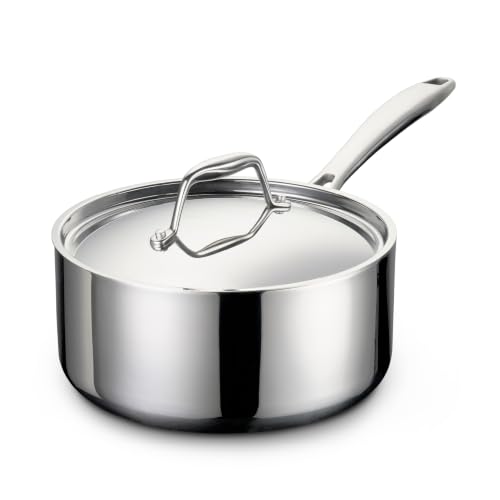

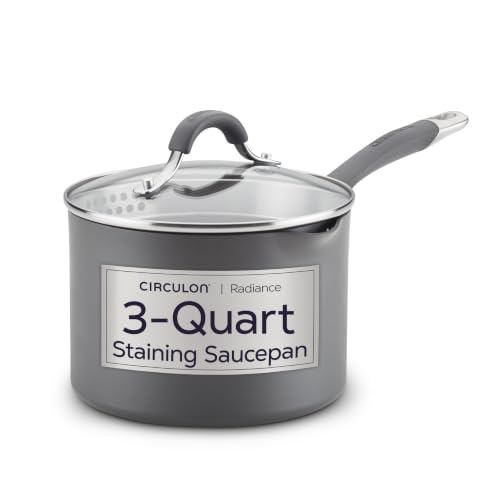


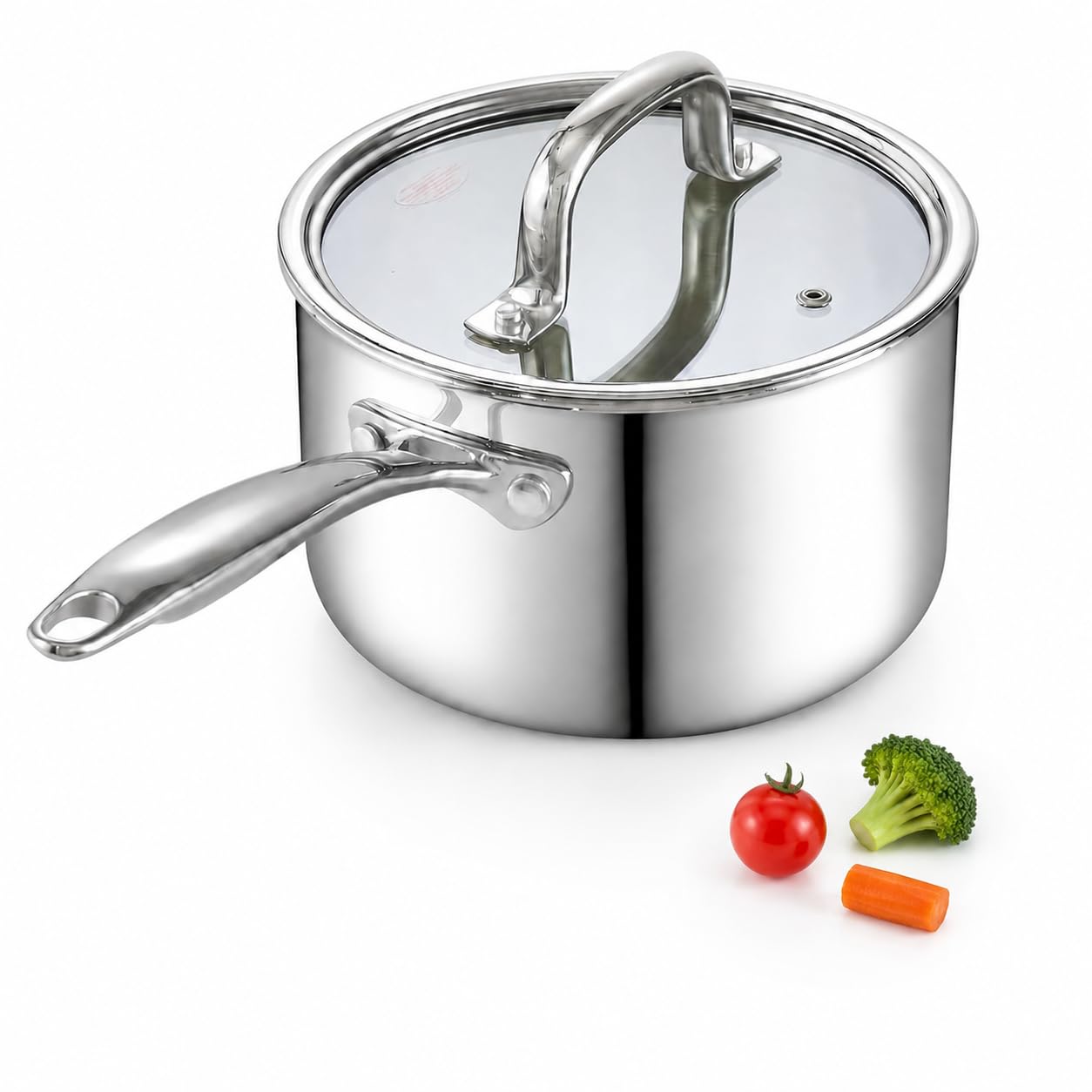
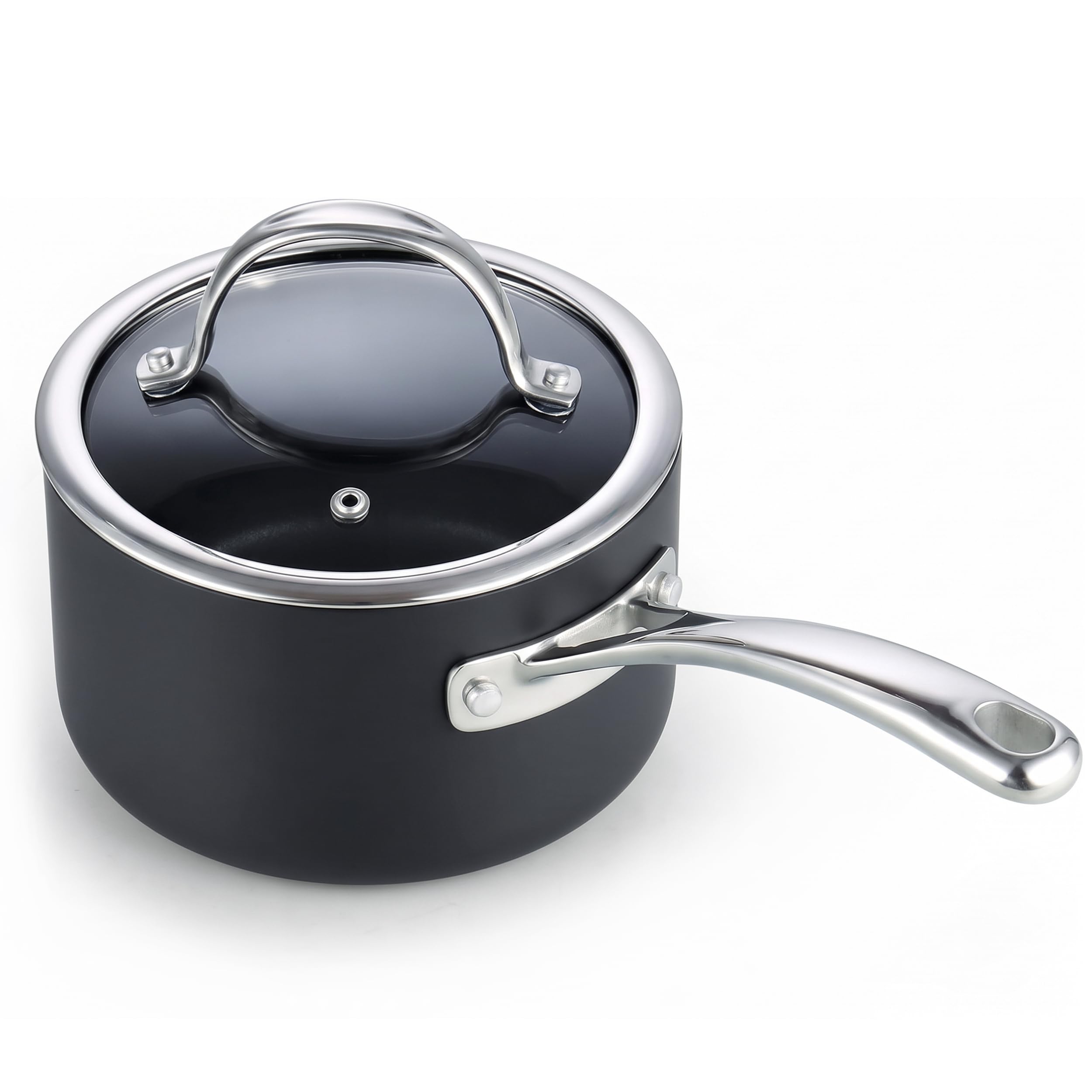

Quick Answer: Choosing Well in 30 Seconds
Start with material, because material drives almost every other decision. Stainless steel suits most homes and lasts the longest with basic care. Nonstick and ceramic coated pans suit gentle heat and simple cleanup, but their surfaces wear sooner and add a replacement cost later. Check that the base works on your stove and confirm the oven limit if you finish dishes in the oven. If those points line up with your routine, the best 3 quart saucepan for your home is usually the one that fits your shelf and your burner, not the one with the longest feature list.
Before You Buy: A Quick Checklist for Choosing a Saucepan
Size: Match It to Your Space
A 3 quart pan holds about 12 cups of liquid, but you will rarely fill it to the rim. Leave room for bubbling pasta water, swelling grains and stirring without spills, and treat about 2 to 2.5 quarts as the comfortable working volume. Smaller 1, 1.5 and 2 quart pans suit melting butter, warming a single serving of soup or making a small batch of sauce. A 4 quart pan gives tall soups and bigger grain batches more headroom. Before you decide, our guide on what size saucepan do i need walks through serving counts in more detail.
Which Type Fits Your Routine
Stainless steel handles high heat, browns fond for pan sauces and tolerates metal utensils, which is why the best stainless steel saucepan options appeal to cooks who want one pan for years. A best nonstick saucepan suits eggs, oatmeal and reheated leftovers that tend to stick, though it prefers medium heat and soft tools. A best ceramic saucepan offers a slick coated surface without a traditional nonstick coating. Copper heats fast but needs polishing and usually costs more, while enameled pans look good on the table and chip if struck hard.
Features Worth Paying For and Ones to Skip
A fitted lid is worth paying for, because it speeds simmering and keeps splashes off the stove. A pour spout helps when you drain pasta water or pour soup into bowls, and interior measurement marks save you from dirtying a measuring cup for broth or rice water. A strainer lid can help in a tiny kitchen with no room for a separate colander. A steamer insert is worth it only if you steam vegetables often. Skip bundled tools you will store but rarely touch, since each one competes for the same cabinet space as the pan itself.
Material Safety and Coating Questions
If you want to avoid coatings altogether, plain stainless steel, enameled steel and cast iron are the simple routes, because the cooking surface is the material itself. Nonstick pans today are made without PFOA, and makers advise medium heat, since the surface degrades if you preheat the empty pan on high heat for a long time. Ceramic coatings are free of PTFE and PFAS, yet they lose slickness faster than traditional nonstick. Retire a coated pan once the surface is deeply scratched or peeling.
Induction, Gas and Glass Top Compatibility
Induction stoves need a magnetic base, so check product listings for an induction ready base or try a fridge magnet on a pan in a store. A flat, heavy base also matters on glass top stoves, where a warped pan spins, heats unevenly and can scratch the surface as it moves. Gas burners are the most forgiving, but flames that climb past the base waste heat and can discolor the side walls. If you cook on induction now or may switch soon, the guide to the best induction saucepan explains base construction in more depth.
Oven Safe Temperature and Handles
Many stainless steel pans are rated for oven use up to about 500°F, while coated pans and pans with plastic or silicone covered handles often carry lower limits, commonly around 350°F to 450°F. Read the rating for the lid as well, since glass lids often allow less heat than the pan body. A long main handle gives leverage when the pan is full and heavy, and a small helper handle on the opposite side makes two handed lifting safer. Check that the handle sits firm, with no wiggle, before the return window closes.
Realistic Budget Ranges
Under about $30, expect a thinner base, a basic handle and a shorter life, which can still suit a dorm room or a first apartment. Between about $30 and $50, bases get thicker and lids fit better, and many households find solid everyday value here. From about $50 to $100, you gain clad construction that spreads heat up the side walls, sturdier handles and longer warranties. Above about $100, you mostly pay for premium materials and brand support rather than a basic jump in cooking ability.
Three Material Routes Compared
Stainless Steel for Most Homes
Clad stainless steel, built with an aluminum or copper core sealed between steel layers, is the default pick for a home that cooks most days. It simmers tomato sauce without reacting with the acid, goes into the oven for finishing, and shrugs off the occasional scorch because you can soak and scrub it. Its weakness is sticking: eggs and milk based sauces need heat management and a little fat. For a family that wants to buy once and cook everything from grains to gravy, this route gives the lowest cost per year of use.
Nonstick and Ceramic for Gentle, Easy Cooking
Coated pans shine in homes where breakfast and reheating rule the stove. Oatmeal releases without a fight, scrambled eggs slide out, and cleanup takes seconds. The trade off is lifespan and heat: keep these pans at medium heat, skip the broiler, and expect to replace them every few years as the coating wears. They suit renters, new cooks and anyone who values easy cleanup over decades of service.
Enameled and Copper for Specific Priorities
Enameled pans bring color to the table and resist stains and odors, so they appeal to cooks who serve straight from the stove. They are heavier than plain steel and the enamel can chip if the rim strikes a faucet or a shelf edge. Copper offers the fastest response to heat changes, which helps with delicate sauces that scorch in seconds, but it needs regular polishing and often carries the highest price in this size. Choose these routes when looks or precise heat control matter more than simple upkeep.
How to Evaluate a 3 Quart Saucepan Before You Order
Read the listing like a checklist rather than a story. Confirm the capacity, the base diameter and whether the stated oven limit covers both pan and lid. Look at buyer reviews for repeated notes about warping, loose handles or lids that rattle, since patterns matter more than any single complaint. Check the warranty terms and whether a replacement lid is sold on its own. Finally, compare the pan length, handle included, with your cabinet shelf and your largest burner.
Is a 3 Quart Saucepan the Right Size for You?
For one or two people, this size cooks soup, rice, quinoa, oatmeal and reheated leftovers with room to stir, and it boils eggs for the week in one batch. Households of three or four will find it right for side dishes, sauces and grains while a larger pot handles the main soup or stew. If you regularly cook pasta for a crowd or freeze big batches of chili, step up to a stockpot for those jobs and keep the 3 quart pan for daily work. Homes with limited storage gain the most, because one pan of this size replaces a small and a medium pan on the shelf.
Common Mistakes to Avoid
- Buying by capacity alone and ignoring base diameter, so the pan overhangs a small burner and heats unevenly.
- Choosing a coated pan for high heat searing and broiling, which shortens the life of the surface.
- Skipping the storage check, then finding the long handle and lid knob do not fit the cabinet shelf.
- Paying for inserts and extra lids you never use, which adds cost and clutter without improving daily cooking.
- Ignoring the weight of a full pan, because 3 quarts of soup can strain one wrist.
Cost of Ownership and Care
The purchase price is only part of what this pan costs you. Coated pans add a replacement cycle every few years, while stainless steel mostly asks for your time: soak a scorched pan in warm soapy water, dry it after washing to limit water spots, and store it with a cloth inside if you stack other cookware in it. Avoid sudden temperature shocks, such as running cold water into a very hot pan, because that is a common cause of warping. For deeper cleaning methods by material, see our guide on how to clean a saucepan.
FAQ
What is the most reliable saucepan brand?
Reliability in this size shows up less as a brand name and more as construction you can verify: a thick clad base, firm handle joints, a lid that sits flat and a warranty that covers warping. Established makers tend to sell replacement lids and honor warranties for years, which matters more over a decade of use than a small difference in first year performance.
How do you clean a saucepan with stuck on milk or oatmeal?
Fill the pan with warm water and a drop of dish soap as soon as it is cool enough to handle, then let it soak for about 20 to 30 minutes so the residue softens and lifts with a soft sponge. For a stubborn film on stainless steel, simmer water with a spoonful of baking soda for a few minutes and let it cool before washing. This soak first approach protects both steel and coated surfaces better than hard scrubbing, which can dull a finish over time.
Is a 3 quart saucepan worth it if you already own a small pot?
It is worth it when your small pot forces you to cook grains in batches or watch sauces closely to stop them boiling over. The extra volume gives stirring room that a 1.5 or 2 quart pot cannot match, and the taller walls cut splashes on the stove. It is not worth it if your current pot already covers soups and grains for your household and cabinet space is tight, because a second similar pan adds storage pressure rather than new ability.
How long does a 3 quart saucepan last?
A clad stainless steel pan can serve for decades, while a coated pan often needs replacing after about 3 to 5 years of regular use as the surface wears. Signs that any pan is near the end include a base that rocks on a flat stove, a handle that stays loose after checking its fasteners, and a coating that flakes. Cooking habits matter as much as material: repeated empty preheating on high heat shortens the life of almost any pan.
What size saucepan do I need for a family of four?
A 3 quart pan covers the family side dishes, sauces, oatmeal and reheated soups, and a larger pot can carry the main dish on soup or pasta nights. Measure your biggest burner before ordering, because a wide base on a small burner wastes heat at the edges. Also check the height of the shelf where the pan will live, lid knob included, since family kitchens often store pans stacked and a tall knob can be the one dimension that blocks the cabinet door.
Final Thoughts
Match the material to your cooking, the base to your stove and the size to your household, and the best 3 quart saucepan for your home becomes an easy call. Stainless steel serves most families longest, coated pans keep breakfast simple, and enameled or copper options reward cooks with specific priorities. Use the product table above to compare the routes, then order the one that fits your shelf and budget.


