
Best 3/4 HP Garbage Disposals in 2026: Types and Buying Guide
Disclosure: We may earn a commission when you buy through links on this page, at no extra cost to you. As an Amazon Associate I earn from qualifying purchases. Learn more

Compare the best 3/4 hp garbage disposal styles by feed type, noise, grind chamber material and cabinet fit for a family kitchen.
Dinner is done, the sink is full of peels, rice, and small bones, and your old disposal just hums. For most households, a best 3/4 hp garbage disposal is the size that clears that kind of load without the bulk or cost of a full 1 hp unit. This guide helps you choose by the things that matter at home, including cabinet space, household size, noise, and budget.
This guide compares disposal types, feed styles, and build materials, then walks through measuring, installation cost, and daily care. Use the styles compared below to shortlist the ones that fit your kitchen, and see our broader guide to the best garbage disposal if you are still weighing other sizes.

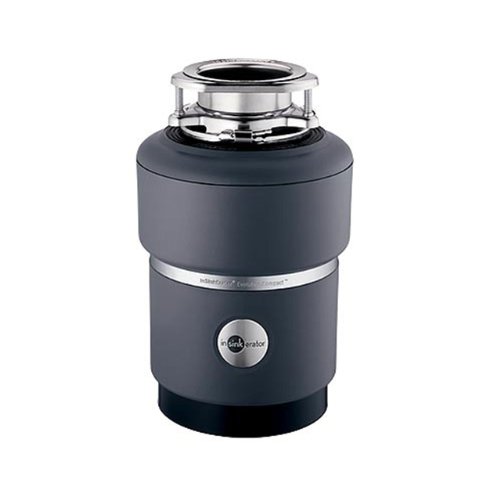


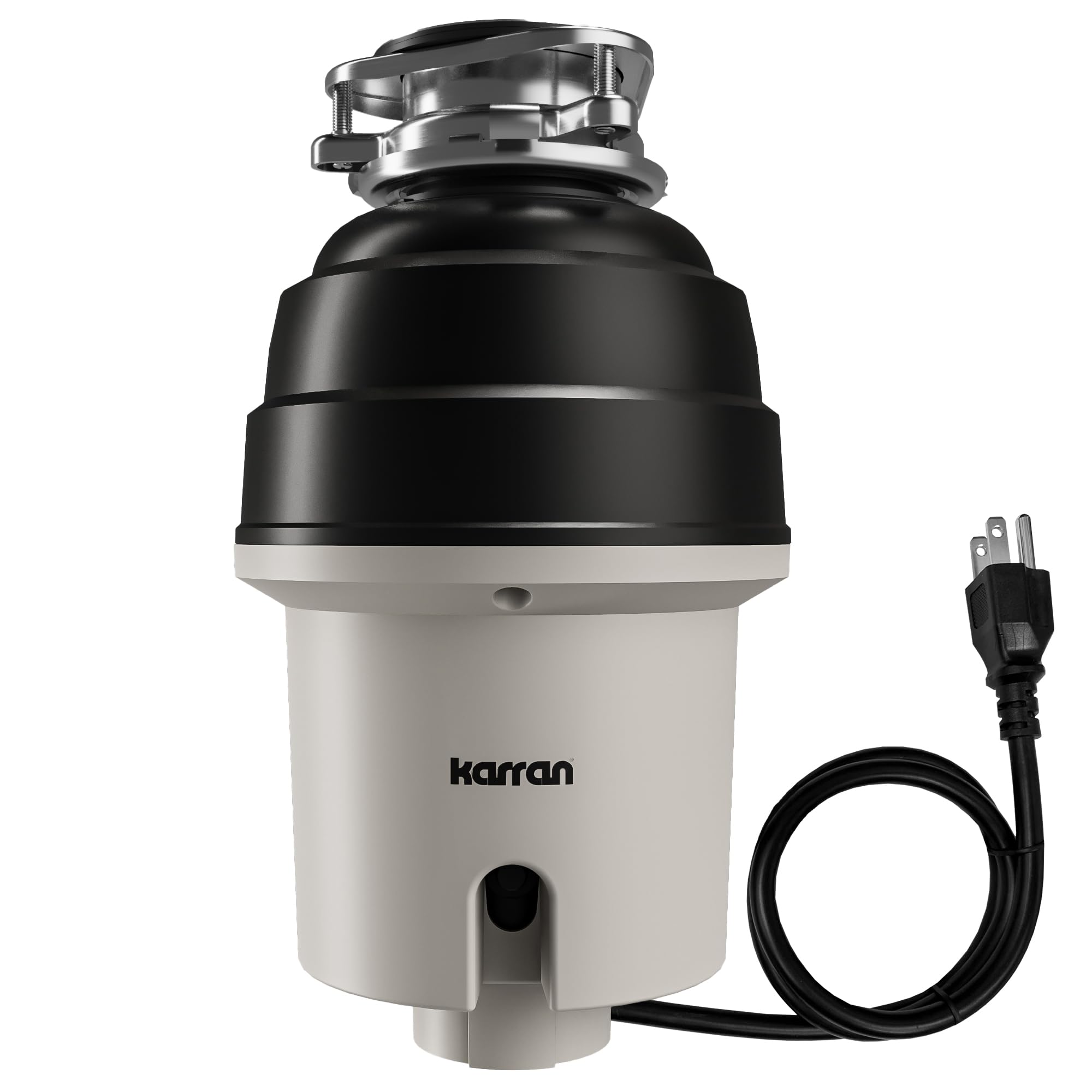
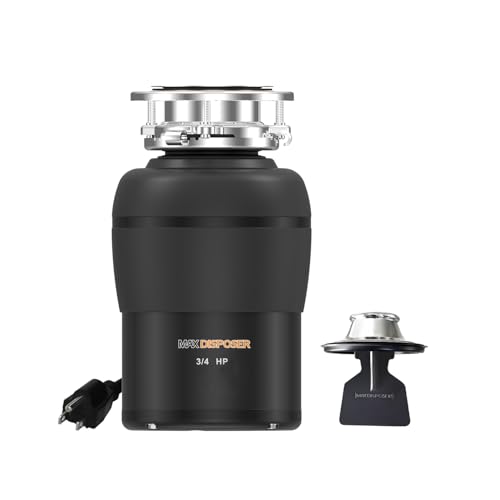

Quick Answer: The Short Version
A 3/4 hp disposal suits households of about three to six people who cook most days and grind a mix of soft scraps and tougher items like small bones and fibrous peels. Pick continuous feed for speed, batch feed for extra caution around children, and a stainless steel grind chamber for the longest service life. Confirm the space under your sink first, because a powerful unit that crowds out your plumbing helps nobody.
Before You Buy: A Quick Checklist for Choosing a Garbage Disposal
Size: Match It to Your Space and Your Cooking
Smaller 1/3 hp and 1/2 hp units handle light scraps for one or two people, while 1 hp models target very large households. The 3/4 hp size sits between those poles, with enough torque for daily family cooking and a body that still fits most cabinets. Our detailed comparison of 1/2 vs 3/4 hp garbage disposal sizing explains the grind differences in depth. Count the people you cook for on a normal weeknight, not on a holiday, and size for that routine.
Which Type Fits Your Routine
Continuous feed disposals run while you add scraps and water, so cleanup after a family meal moves fast. Batch feed models only grind when you insert a stopper, which slows the job slightly but keeps the opening covered. Septic households should look for models described as septic safe, and our guide to the best garbage disposal for septic tank explains how grind fineness and household habits affect a septic system before you commit to any one model.
Features Worth Paying For, and Ones to Skip
Sound insulation earns its cost if your kitchen opens into a living area or you run the disposal while others sleep. A stainless steel grind chamber and swivel impellers resist corrosion and handle jams better than plated parts. An air switch helps when your wall switch sits far from the sink. Skip decorative finishes and bundled extras you will never use, because they add cost without improving grinding.
Measurements and Compatibility With Your Setup
Measure the vertical space from the sink drain down to the cabinet floor, then check the width between the drain tailpiece and any shelf, filter housing, or pull out bin. Most 3/4 hp units stand taller than compact models, and the dishwasher inlet needs room for its hose on the side of the chamber. Check whether your sink uses a standard three bolt mount or a proprietary mount, and confirm that an outlet sits within reach of the cord length listed by the maker.
Certifications and Safety Marks
Look for a recognized electrical safety listing, such as UL or ETL, on the product label or in the manual. That listing means the motor and housing were certified to standardized safety requirements. Plumbing parts that touch drinking water, such as a replacement flange, should be described as lead free where that claim applies. A missing listing is a fair reason to drop a model.
DIY or Pro Installation Cost
Swapping a disposal for the same mount type is manageable if you are comfortable turning off power, supporting the unit weight, and sealing the flange with plumbers putty. Expect to pay a plumber about $150 to $300 for labor when the mount, outlet, and drain already suit the new unit. Our step by step guide on how to install a garbage disposal shows the full sequence, including knocking out the dishwasher plug, which is the step first time installers most often forget.
Realistic Budget Ranges
Most 3/4 hp choices fall between about $100 to $300, and models under $100 at this power level are uncommon. At the lower end you get a basic continuous feed unit with plated steel parts and modest insulation. Spending closer to about $200 to $300 usually buys a stainless steel chamber, thicker insulation, and a longer warranty. Treat parts such as a cord kit or a new mount as separate line items, because some units ship without a power cord.
Types Compared: Three Styles of 3/4 HP Garbage Disposals
Compare the three styles you will actually choose between, because style decides noise, lifespan, and daily convenience more than small spec differences do.
Standard Continuous Feed for Most Homes
This is the default style for busy family kitchens. You turn on the cold water, flip the switch, and feed scraps gradually while the unit runs, so a full sink clears in one pass. Bodies tend to be mid sized, insulation is moderate, and prices sit in the middle of the range. Choose this style if your household cooks daily and values speed. Its main compromise is the open throat, which demands attention while it runs, so teach younger helpers to keep utensils and fingers well clear.
Simpler Builds for Tight Budgets
Budget oriented 3/4 hp units keep the same motor class but trim chamber materials, insulation, and warranty length. They grind family scraps perfectly well, and for a rental property or a starter home that trade can make sense. Expect more vibration through a thin stainless sink and shorter warranties of around two to three years. If the budget is firm, this style delivers the core job without paying for quietness you may never notice.
Premium Quiet Builds as a Long Term Investment
At the top of this size class, manufacturers add full insulation blankets, vibration reducing mounts, and grind chambers made entirely of stainless steel. The result is a disposal you can run during a conversation, with parts that resist the rust which eventually perforates cheaper chambers. Warranties here often stretch to about seven years or longer. Choose this style for an open plan home you expect to stay in, where noise and longevity matter more than the upfront gap.
How We Compare 3/4 HP Garbage Disposals
Our comparison weighs five factors: installation and compatibility, build quality, the feature set, certifications, and warranty coverage. We draw specifications from manufacturer documentation and weigh patterns in verified buyer reports about jams, leaks, and noise.
Is a 3/4 HP Garbage Disposal the Right Size for You?
Choose 3/4 hp if three to six people eat at home most days and your scraps include melon rinds, small chicken bones, and cooked grains. That mix stalls many 1/2 hp units, and if that sounds familiar, our guide to the best 1/2 hp garbage disposal will show you where the smaller size reaches its limit. Choose 1 hp instead if you routinely grind for seven or more people.
Household routine matters as much as headcount. A couple who cooks elaborate meals nightly can load a disposal harder than a family of five that eats out often. A deep double basin also leaves less vertical room than a single shallow basin, and a tall body may force you to lower the drain arm. If your plumbing cannot be adjusted, a compact unit that truly fits beats a stronger unit installed at a bad angle.
Common Buying Mistakes to Avoid
- Buying on horsepower alone, so the unit arrives too tall for the cabinet and the drain no longer lines up.
- Forgetting the power cord, because some models ship without one and the old cord rarely transfers easily.
- Ignoring septic limits, so fine grinding habits and heavy daily loads strain a system that was sized for less waste.
- Choosing batch feed for a household that hates the stopper routine, which leads to scraps sitting in the sink instead.
Cost of Ownership and Care
Running costs stay small, since a disposal draws power for seconds at a time and uses roughly a gallon or two of cold water per cleanup. The real ownership costs are occasional items like a replacement splash guard, a flange gasket, or a cord kit, each usually under $50. Monthly cleaning keeps odors down, and our guide on how to clean a garbage disposal covers a safe routine that avoids harsh chemicals. Run cold water for about fifteen seconds after the grinding sound clears, so particles move fully into the drain line instead of settling in the trap.
FAQ
What makes a garbage disposal brand reliable?
Reliability shows up less in a logo and more in support you can reach. Look for a maker that publishes full manuals, sells replacement splash guards and mounts for years after launch, and honors warranties without demanding the original box. Build details such as stainless steel lugs predict a calmer service life better than marketing claims about power.
How do you clean a garbage disposal without damaging it?
Start with the unit off, and lift out loose debris with tongs, never with your fingers, even when the switch is off. Then run cold water while grinding a tray of ice cubes, which scours the chamber walls as the ice breaks apart. Follow with a little dish soap and a full minute of cold water to flush the film away. Avoid pouring grease down the drain, because grease coats the chamber and later traps odor causing residue.
Is a garbage disposal worth it for a small household?
It can be, if you cook fresh food often and dislike keeping a compost caddy near the sink. A small household mainly gains convenience rather than capacity, so a 3/4 hp unit is worth it when your scraps include bones or fibrous peels that a smaller motor handles poorly. If most of your waste is packaging and takeout leftovers, the money may serve you better elsewhere. A few buildings and towns also restrict disposal use, so check your local rules.
How long does a garbage disposal last in normal home use?
Most household units serve for about eight to twelve years, with the chamber material deciding where a given unit lands. Plated steel chambers tend to fail by rusting through, while stainless steel chambers usually outlast their motors. Lifespan shortens when a disposal grinds dry or takes repeated overloads that overheat the motor. A gradual drop in grinding speed, new leaks at the body seams, and resets that trip weekly all signal that replacement planning should start.
What size garbage disposal do I need for a double sink?
A double sink usually needs only one disposal, fitted under the basin you use for food prep, with the second basin draining through a continuous waste arm. Size follows your cooking load rather than the basin count, so most double sink homes still land on 3/4 hp. The real constraint is geometry, because two basins mean more drain hardware in the same cabinet. Measure the outlet height of both basins before ordering, and confirm the discharge can reach the trap without sloping the wrong way.
What is the best 3/4 HP garbage disposal for a home with an air switch?
The best fit is a model whose wiring accepts an air switch kit, which most mid range and premium units do, since the switch simply controls the outlet power. An air switch mounts in a spare sink hole and works with wet hands, a real help when your wall switch sits behind the faucet. Check that your sink has a free hole for the button, because drilling a stone countertop adds a fabrication cost that can exceed the switch kit itself.
Final Thoughts
Match the style to your household first, your cabinet second, and your budget third, and the best 3/4 hp garbage disposal for your home becomes an easy call. Standard continuous feed units serve most families well, simpler builds protect a tight budget, and quiet stainless builds repay patient buyers. Recheck your measurements against the product table above before ordering.


