Best 2in One Laptops: A First Buyer Guide for 2026
Disclosure: We may earn a commission when you buy through links on this page, at no extra cost to you. As an Amazon Associate I earn from qualifying purchases. Learn more

A first time guide to 2in one laptops. Learn hinge types, pen support, weight, and specs so you can choose a laptop and tablet in one device.
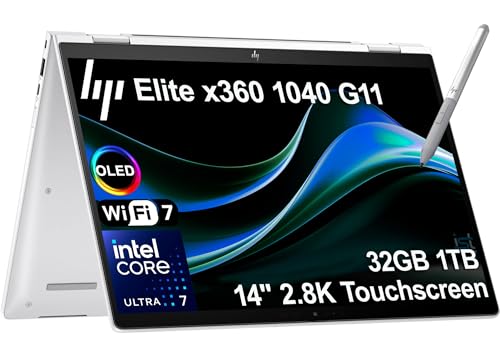
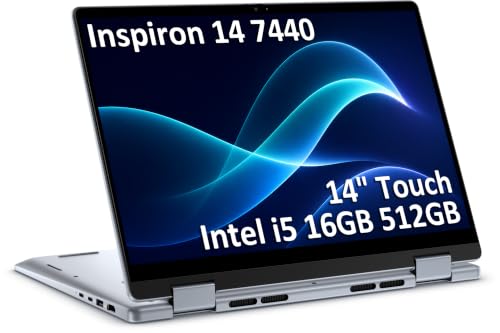
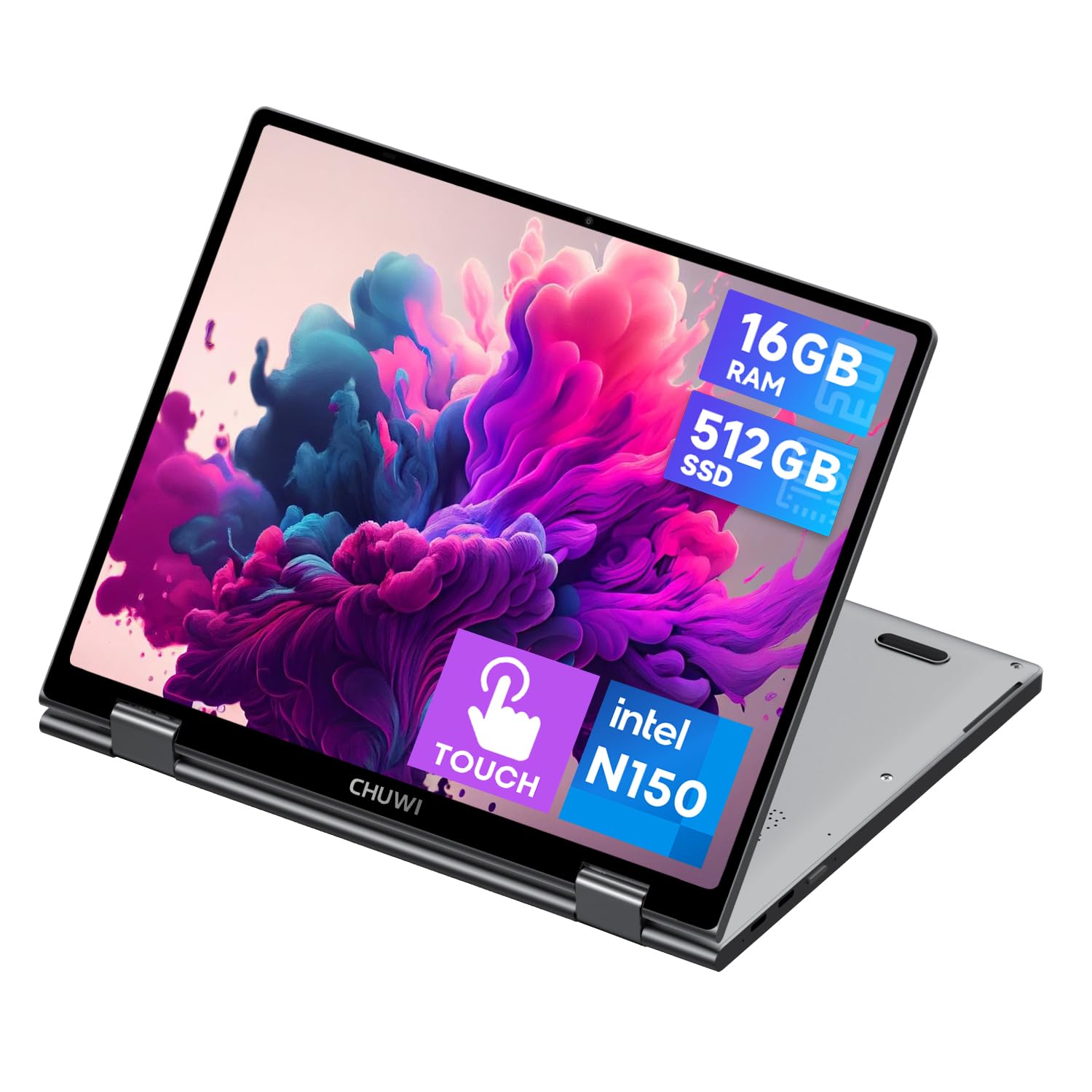
A best 2in one laptops search suits anyone who wants a laptop for typing and a tablet for reading, drawing, or presenting, without carrying two devices. The hinge and the touch screen are what make this category work, but they also add weight, cost, and trade offs. The product table below gives a side by side look at 2in one laptops so you can compare fairly.
This guide explains hinge types, pen support, performance, and battery life in plain language for first time buyers. It does not rank individual models, because the right 2in one depends on whether you type more than you draw, and how much weight you will carry daily.

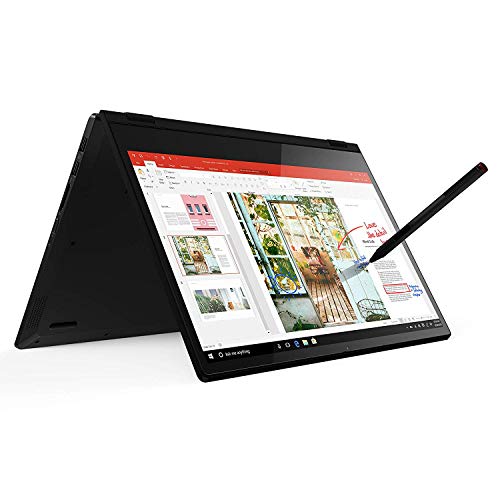
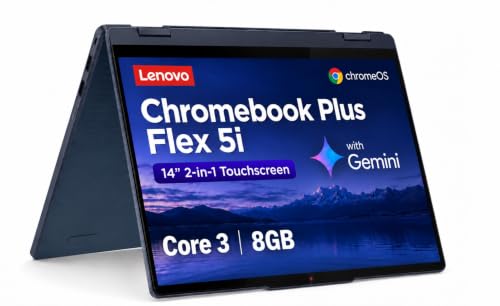


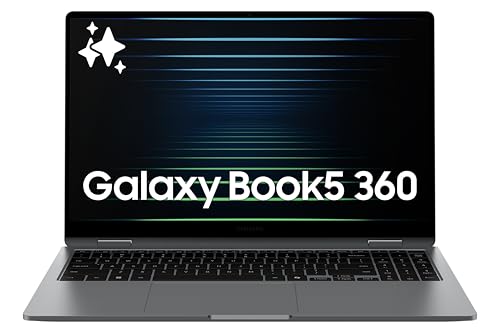
Who Should Buy a 2in One
Two in one laptops suit students who take notes by hand and type essays, professionals who present and annotate, and travellers who want one device for work and media. They suit artists and designers who sketch on screen. They are less suited to buyers who never use touch or a pen, because a standard laptop is lighter and cheaper for typing only.
Key Specs of 2in One Laptops Explained
These four specs explain most of the difference between 2in one laptops.
Hinge and Form Factor
Convertible laptops fold flat with a 360 degree hinge, while detachable laptops split into a tablet and a keyboard. Convertibles feel sturdier as laptops but carry keyboard weight in tablet mode. Detachables feel lighter as tablets but can wobble on a lap. Choose convertible for lap use and detachable for handheld tablet use.
Touch Screen and Pen
A bright touch screen with good pen support matters if you draw or annotate. Check pen pressure levels, palm rejection, and whether the pen is included or sold separately. A glossy screen looks vivid but reflects light, while a matte screen suits bright rooms. If you never use a pen, do not pay extra for pen features.
Performance and Storage
A mid range processor with 16 GB of memory suits most study and office work, while heavy design or video work needs more. Solid state storage should be at least 512 GB for most buyers, because apps and files grow fast. Check upgrade options too, because some thin 2in one laptops solder memory and storage in place.
Weight, Battery, and Ports
Two in one laptops are heavier than tablets and often heavier than standard laptops, so check total weight with the keyboard. Battery life varies with screen brightness and pen use, so read real world claims, not just maker figures. Check ports for your needs, because thin models may drop full size USB or HDMI and need adapters.
Styles Compared
These are the main styles you will see in the product table above, and the notes below explain who each one suits.
Convertible Laptops
Convertibles fold into tent, stand, and tablet modes with one hinge. They suit students and professionals who switch modes often but still type a lot. They are the safest first 2in one choice, because the keyboard is always attached and the device feels like a normal laptop.
Detachable Tablets
Detachables split into a light tablet and a keyboard cover. They suit readers, presenters, and artists who hold the tablet often. Lap typing can feel less stable, and the keyboard may cost extra, so check the full price with keyboard and pen included.
Large Screen Convertibles
Larger convertibles offer bigger screens for design and multitasking, but they are heavy to carry and hold as tablets. They suit desk based creators who occasionally fold flat for drawing. If you carry the device daily, a 13 or 14 inch model is usually the better balance.
Spending Wisely
A mid range convertible with a good screen, 16 GB of memory, and a solid state drive suits most first time buyers. Pay more for pen quality and screen brightness only if you draw or work outdoors. Avoid the cheapest 2in one laptops with weak processors and dim screens, because they frustrate daily use quickly.
Care Tips
Use a sleeve for travel, clean the touch screen with a soft cloth, and store the pen where it cannot fall out. Keep the hinge free of grit, and update drivers for touch and pen support. Charge with the supplied charger where possible, because a weak charger can slow charging and confuse battery readings.
Mistakes to Avoid
Do not buy a 2in one if you never use touch, because you pay for a hinge and a touch screen you will not use. Do not judge tablet mode by weight alone, because balance matters as much as grams. And do not forget the pen and keyboard cost, because some detachables look cheap until you add both.
Related Guides
For related laptops, see best notebook laptops for classic designs, best laptops for college for student needs, and best time to purchase laptops for timing a deal. For value tiers, best reasonable laptops and best economical laptops help you compare price against performance.
Before You Buy Checklist
Before you pay, run through this short checklist with the laptop in mind. It takes a few minutes and catches most buying mistakes, from wrong size to missing features you only notice after delivery.
- Confirm the laptop fits your study, work, and travel mix and your space, not just the headline size.
- Check hinge type against your daily routine, because a feature that looks good on paper may not matter in use.
- Compare pen support across at least two options, so you can see what the price difference actually buys.
- Read the weight carefully, including any limits that apply to your situation.
- Check battery life where possible, or check the return policy if you must buy unseen.
- Add up the full cost, including any extras, consumables, or subscriptions you will need in the first year.
- Check warranty length and what it covers, plus how easy it is to get help if something fails.
- Sleep on the shortlist for a night if you can, because a rushed choice is the most common regret.
Start with hinge type and pen support, because those two points decide most of the daily experience with a laptop. A laptop that gets those right will feel good after months of use, while one that gets them wrong will annoy you every day, whatever else it offers. Write down your must haves before you compare prices, so a discount does not tempt you into the wrong type.
Next, think about study, work, and travel mix in real conditions, not ideal ones. Consider weight and battery life together, because they interact in daily use: a strength in one area can hide a weakness in another until you live with the product. If you can, borrow the experience of someone with a similar routine, or try the product in a setting close to your own.
Finally, check the practical details: delivery, setup, and what happens if the laptop does not suit you. A clear return policy and honest running costs matter as much as the headline features. Once the checklist is complete, the product table above gives a useful final comparison, and you can buy with far more confidence.
Frequently Asked Questions
Is a 2in one laptop good as a main laptop?
Yes, if you choose a convertible with a comfortable keyboard and enough performance for your work. Detachables can feel less stable on a lap, so check lap typing if that matters to you. For desk and lap typing most of the day, a convertible is the safer main laptop choice.
Do I need a pen with a 2in one?
Only if you draw, annotate, or handwrite notes. A pen adds cost and a thing to lose, so skip it if you only tap and scroll. If you do buy a pen, check pressure sensitivity and palm rejection, because a poor pen frustrates drawing far more than no pen at all.
Are 2in one laptops heavier than normal laptops?
Usually, because the touch screen and hinge add weight. A 13 inch convertible may weigh similar to a standard laptop, while a large convertible can feel heavy in tablet mode. If you carry the device daily, prioritise total weight and balance over screen size.
Can a 2in one replace a tablet?
For most people yes, especially a detachable that feels light in hand. A convertible in tablet mode still carries keyboard weight, so it suits short tablet sessions better than long handheld reading. If you read for hours handheld, a separate light tablet may still be more comfortable.
What specs matter most for students?
A comfortable keyboard, a bright screen, 16 GB of memory, and a solid state drive of at least 512 GB cover most study needs. Battery life for a full day of classes matters more than top processor speed. Check weight too, because a heavy laptop tires you on a campus walk.
Final Thoughts
The right 2in one laptop is the one whose hinge, pen, and weight match how you actually work. If you type most of the time, choose a convertible; if you hold a tablet most of the time, choose a detachable. The product table above is a good recap, and trying the keyboard and tablet modes in a shop will confirm the winner. For shoppers comparing best 2in one laptops, that shortlist is the right place to start.