Best 29 Inch Mountain Bike under 500 in 2026: Which Type Is Right for You?
Disclosure: We may earn a commission when you buy through links on this page, at no extra cost to you. As an Amazon Associate I earn from qualifying purchases. Learn more

Compare hardtail and full suspension options to find the best 29 inch mountain bike under 500 for your trails, size, and riding style.
Five hundred dollars is where bikes start to feel like real trail bikes, but the choices also multiply. Hardtails dominate, a few full suspension models appear, and spec sheets suddenly mention hydraulic brakes and wider gear ranges. This guide helps you find the best 29 inch mountain bike under 500 by comparing types first, then the parts that matter inside each type.
The product table lists the picks in one view. Read the type comparison before you study it, because the right type in the wrong size or with the wrong brakes is still the wrong bike.


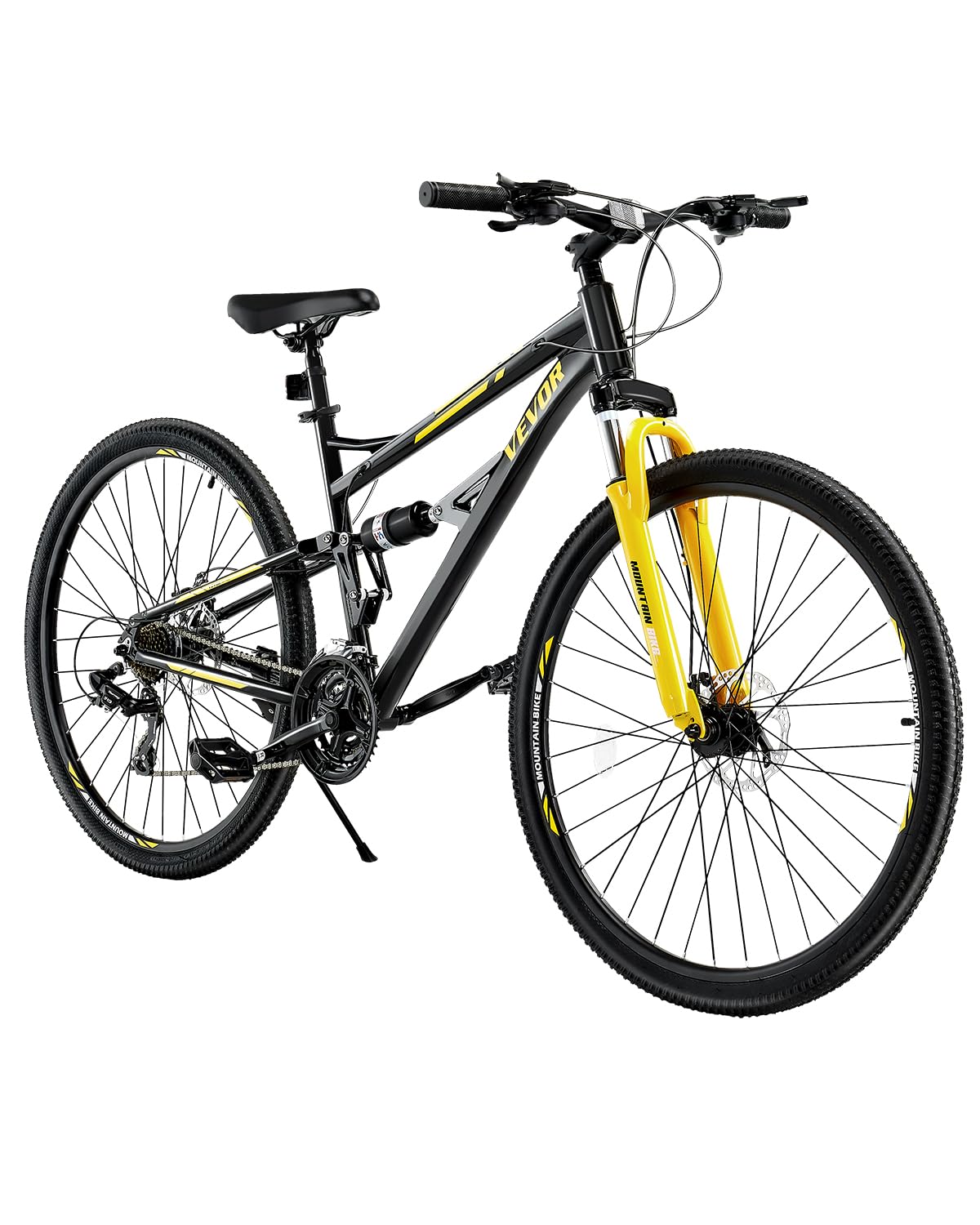
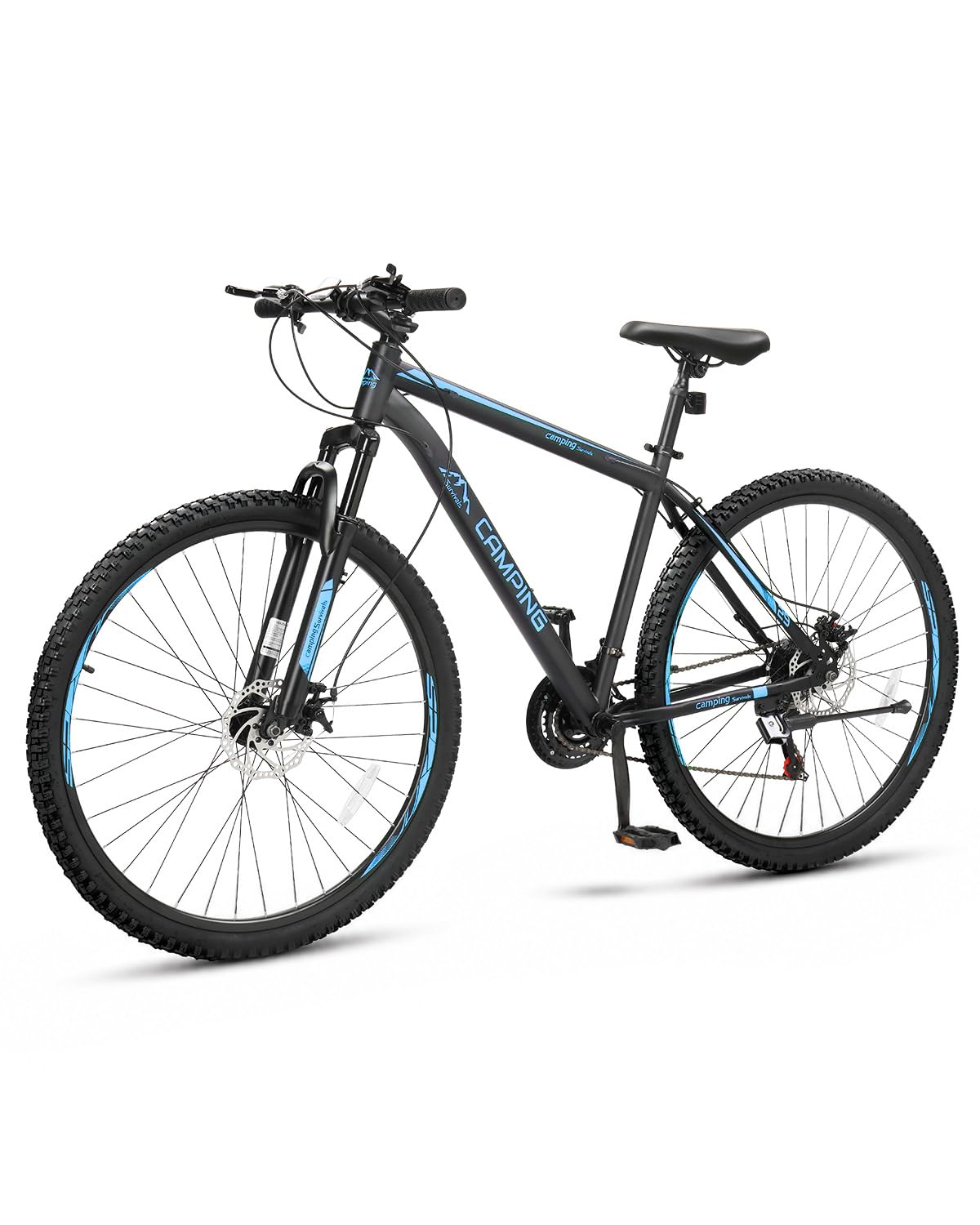
Types of 29 Inch Mountain Bikes Compared
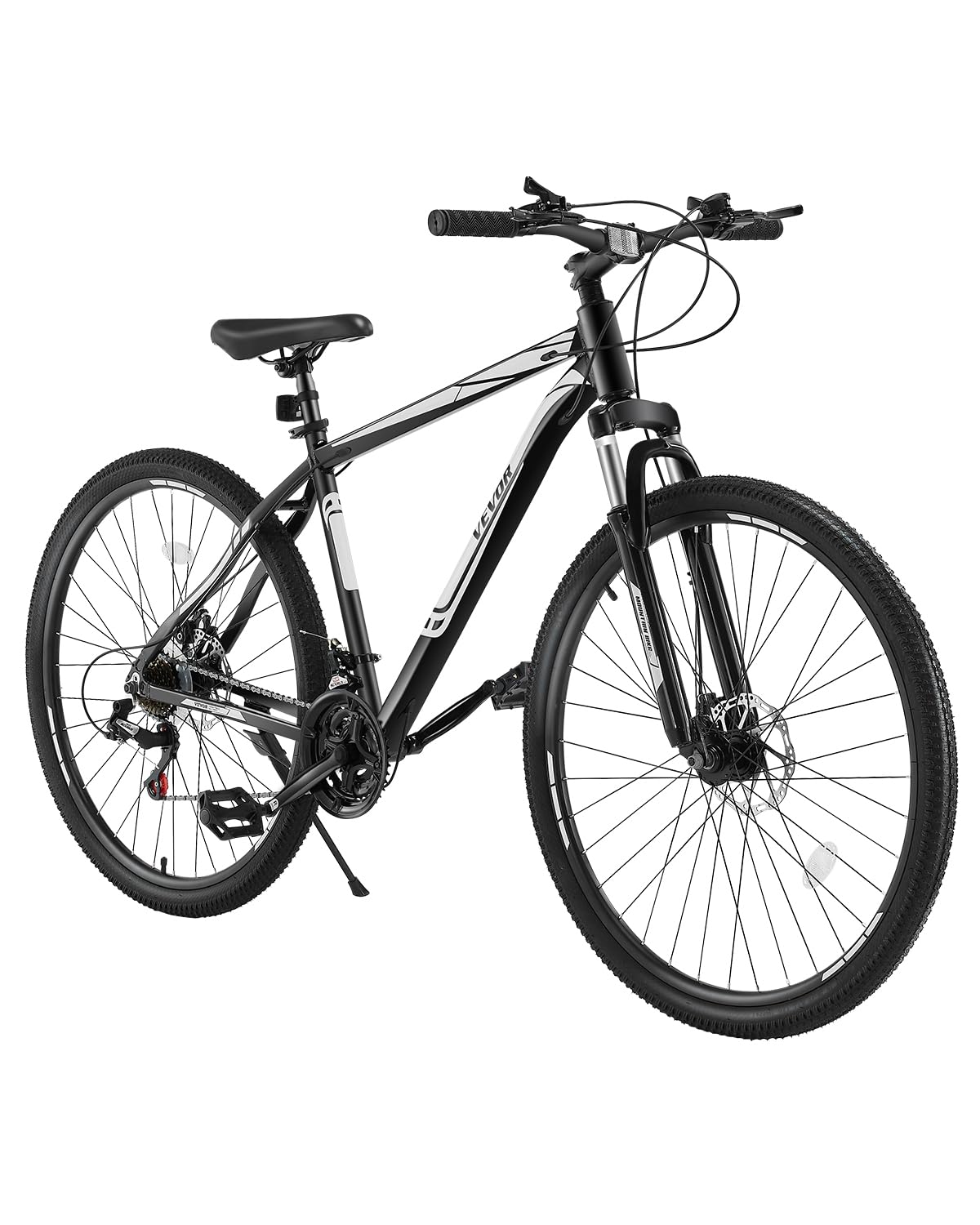
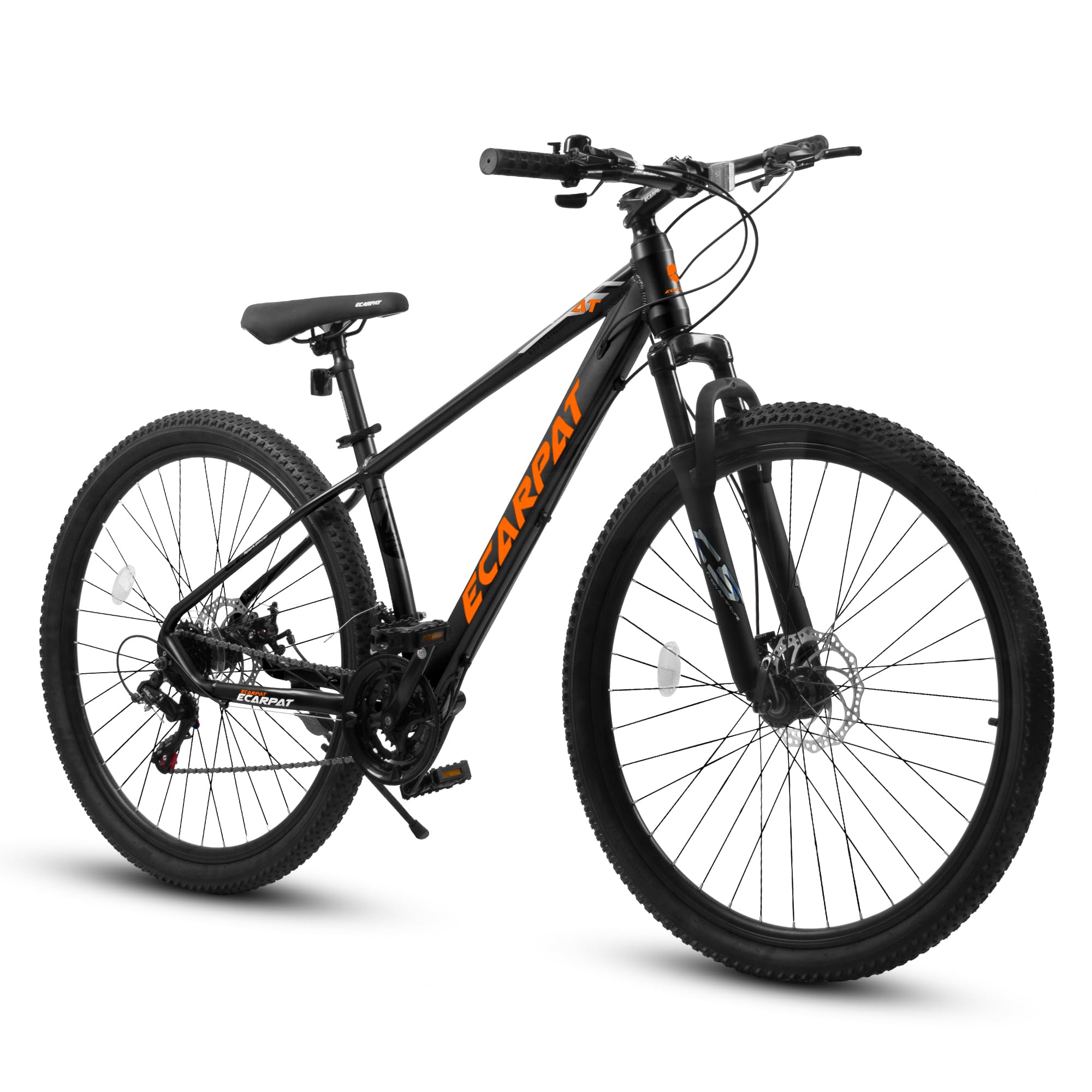
Two broad types compete for your money here. Hardtail mountain bikes put a suspension fork up front and a rigid rear end, which keeps weight and cost down. Full suspension mountain bikes add a rear shock for rough trails but stretch this budget hard.
Hardtail Mountain Bikes
A hardtail works by letting the fork absorb front impacts while the wide rear tire and your legs handle the rest. Pros are clear: lower weight, efficient pedaling, simple maintenance, and more of your budget left for brakes and gears. At around $300 to $500, hardtails commonly offer aluminum frames, front suspension forks, and disc brakes, with hydraulic brakes and cleaner drivetrains showing up toward the top of the range.
Cons show up on rocky, root filled descents, where the rear wheel bounces and your body does the shock absorbing. Riders who mostly climb, cruise flow trails, and value speed for money should start here, because a good hardtail at this price beats a cheap full suspension bike almost everywhere.
Full Suspension Mountain Bikes
Full suspension mountain bikes add a rear shock and linkage so both wheels can follow rough ground, which improves traction, comfort, and downhill control when the parts are good. At under $500, some entry models appear with basic coil shocks, and they can suit heavier riders on mellow trails who value comfort above speed.
Be honest about the trade offs, though. Weight climbs, pedaling efficiency drops, and the fork and brakes often step down a level to pay for the rear shock. Pivot bearings and shocks also need service that budget parts do not always support. Choose one only after checking brake quality twice, and compare it against the strongest hardtail in the product table.
Hardtail vs Full Suspension: Which Should You Choose?
Start with terrain. On smooth singletrack and fire roads, the hardtail wins easily with its lighter weight, efficient pedaling, and lower price. On rough, rocky trails, full suspension adds comfort, but only if the shock and brakes are decent. On climbs, the lighter hardtail feels lively and its gearing wins on steep dirt.
Maintenance favors the hardtail, which has no rear shock or pivots to service. Versatility favors it too if your week mixes trails and town. Riders comparing price steps should also see our guide to the best 29 inch mountain bike under 300 to judge what the extra money here actually buys.
How to Choose the Right 29 Inch Mountain Bike
Bike Type and Riding Style
Cross country riding prizes light weight and climbing speed on smoother trails, and most under $500 hardtails lean this way. Trail riding adds rougher descents, so look for wider tires, a fork with around 100 to 120 mm of travel, and slacker geometry. Enduro needs more travel and stronger parts than this budget honestly covers. Road and hybrid styles belong to paved routines, so only cross shop them if dirt is rare in your week.
Drivetrain and Gearing
Most bikes in this price range use a 21-speed setup with three chainrings up front, which gives plenty of range for hills and mixed terrain. A single chainring drivetrain with a clutch derailleur is simpler and drops the chain less, but it mostly appears at the top of this bracket. Name brand shifters and derailleurs step up in shift crispness and durability, so a mid level system beats a high gear count from the lowest tier. Check that the lowest gear is easy enough for your steepest local climb.
What You Can Realistically Get Under $500
At around $500 you can realistically get an aluminum hardtail frame, disc brakes, a front fork with lockout on some models, and tires worth keeping. What you still cannot get is a light carbon frame, a premium fork, or a refined full suspension system, despite what loose listing language suggests.
Spend first on brakes and fit, then on the fork. If a smaller rider in the family is shopping too, our guide to the best 26 inch mountain bike under 500 covers why smaller wheels can handle better for them.
Brakes (Hydraulic vs Mechanical Disc)
Hydraulic disc brakes use fluid to multiply hand force, so they stop harder with one or two fingers and modulate better on long descents. They self adjust for pad wear and need occasional fluid service at a shop. Mechanical disc brakes use a cable, cost less, and are easy to adjust at home, but they pull only one pad inward on most designs, so power and feel lag behind.
Mechanical discs are common on bikes in the lower half of this budget, so hydraulic brakes are a genuine upgrade you feel every ride. Whichever system you pick, verify rotor size too, because larger rotors shed heat better for heavier riders.
Weight and Components Upgrade Path
Expect around 28 to 35 lb for a hardtail here, with full suspension builds heavier. Weight matters most in the wheels, since lighter wheels accelerate and climb with less effort. A smart upgrade path starts with better tires, then a dropper seatpost for descents, then wheels when the stock set wears out.
Buy a frame with modern standards, such as common axle spacing, so future forks and wheels actually fit. Shoppers weighing a bigger jump can read our guide to the best 29 inch mountain bike under 1000, while our broader guide to the best mountain bike under 500 compares other wheel sizes at the same money.
How to Make Your 29 Inch Mountain Bike Last Longer
Three habits do most of the work. Check tire pressure before every ride, since 29 inch tires lose air slowly and low pressure invites rim damage and pinch flats. Clean and lube the chain every 100 to 200 miles, more often after wet or dusty rides, because a gritty chain grinds down the cassette and chainring with it. Book a professional tune up yearly, and ask the shop to check brake pad wear and pivot or headset play while it is there.
One more point: store the bike dry and indoors when you can. Rain and outdoor storage rust chains and corrode cables fast, and a budget drivetrain has less protective finish to spare. A light spray of water and a soft brush beat a pressure washer, which forces grit into bearings.
29 Inch Mountain Bikes: Your Questions Answered
Can you get a good 29 inch mountain bike under $500?
Yes, and this is the first budget where a 29 inch mountain bike under 500 has few asterisks. A well chosen hardtail here handles real trails, stops reliably, and lasts for years with basic care. The trick is spending on brakes, fork, and fit instead of paying for a rear shock or cosmetic extras.
How much should I spend on my first bike?
Match the spend to your terrain. Gentle paths need less bike, while rocky weekly trails reward the full $500. Keep back around $100 for a helmet, pump, and lock, since those are part of the real cost. If you are unsure you will stick with the sport, the middle of this bracket keeps resale value best, because the parts are known quantities to second owners.
Is a 21-speed drivetrain enough for trails?
For most beginners, yes. A 21-speed setup from a known brand covers steep climbs and fast flats. Focus more on shifting quality and whether the lowest gear suits your local hills than on the number of gears.
What size bike do I need?
Start from the maker chart for your height, then confirm standover clearance and reach by trying the bike if possible. At this price many brands offer only a few frame sizes, so being between sizes is common; the smaller option usually handles better for trail use. Remember that 29 inch wheels raise the frame, so shorter riders should pay extra attention to standover and may find a size down more confidence inspiring.
Hardtail or full suspension for beginners?
A hardtail is still the safer beginner buy under $500. It is lighter, cheaper to maintain, and its parts are a level better for the same money, which matters for braking and shifting confidence. Full suspension comfort tempts many new riders, but learning balance and line choice comes faster on a hardtail, and you can add a dropper post and grippy tires that help more than a bargain rear shock.
Our Verdict
For most riders, the winning formula is an aluminum hardtail with reliable disc brakes, a decent fork, and a frame that truly fits. That combination is the realistic best 29 inch mountain bike under 500 for trail fun without repair bills eating the savings. Shortlist two or three options in the product table, check the brake and fork specs line by line, and buy the one whose size chart matches your measurements most honestly.