Best 29 Inch Mountain Bike Under 1000: Buying Guide for 2026
Disclosure: We may earn a commission when you buy through links on this page, at no extra cost to you. As an Amazon Associate I earn from qualifying purchases. Learn more

A practical guide to the best 29 inch mountain bike under 1000, covering brakes, forks, gears, fit, and value.
Under $1000 is the most competitive price band in mountain biking, and it is also where spec sheets hide the weakest forks and brakes behind impressive gear counts. This guide shows you how to find the best 29 inch mountain bike under 1000 by judging the parts that control safety, comfort, and upgrade potential.
You will learn what this budget realistically buys, which components deserve your money, and how the main bike types differ. Use the product table to check frame sizes and current prices once you know your priorities.



What Strong Value Looks Like at This Price
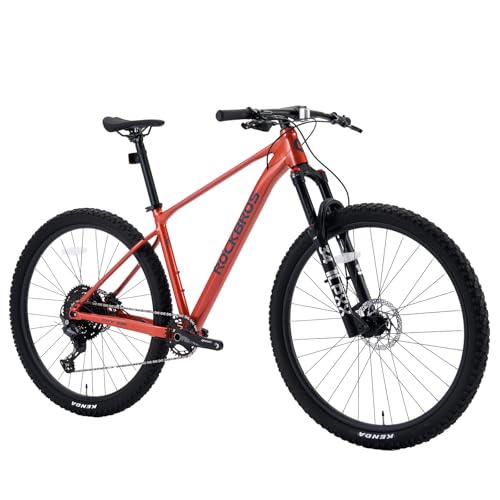
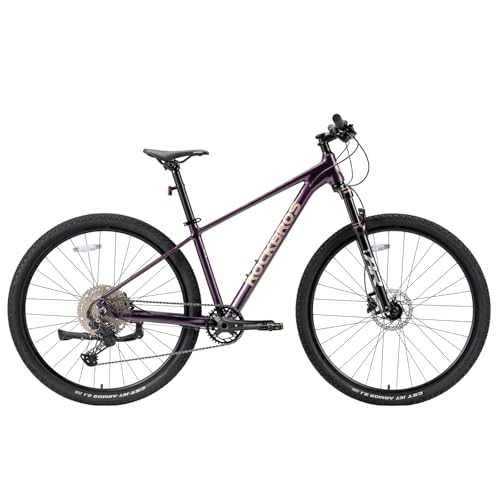
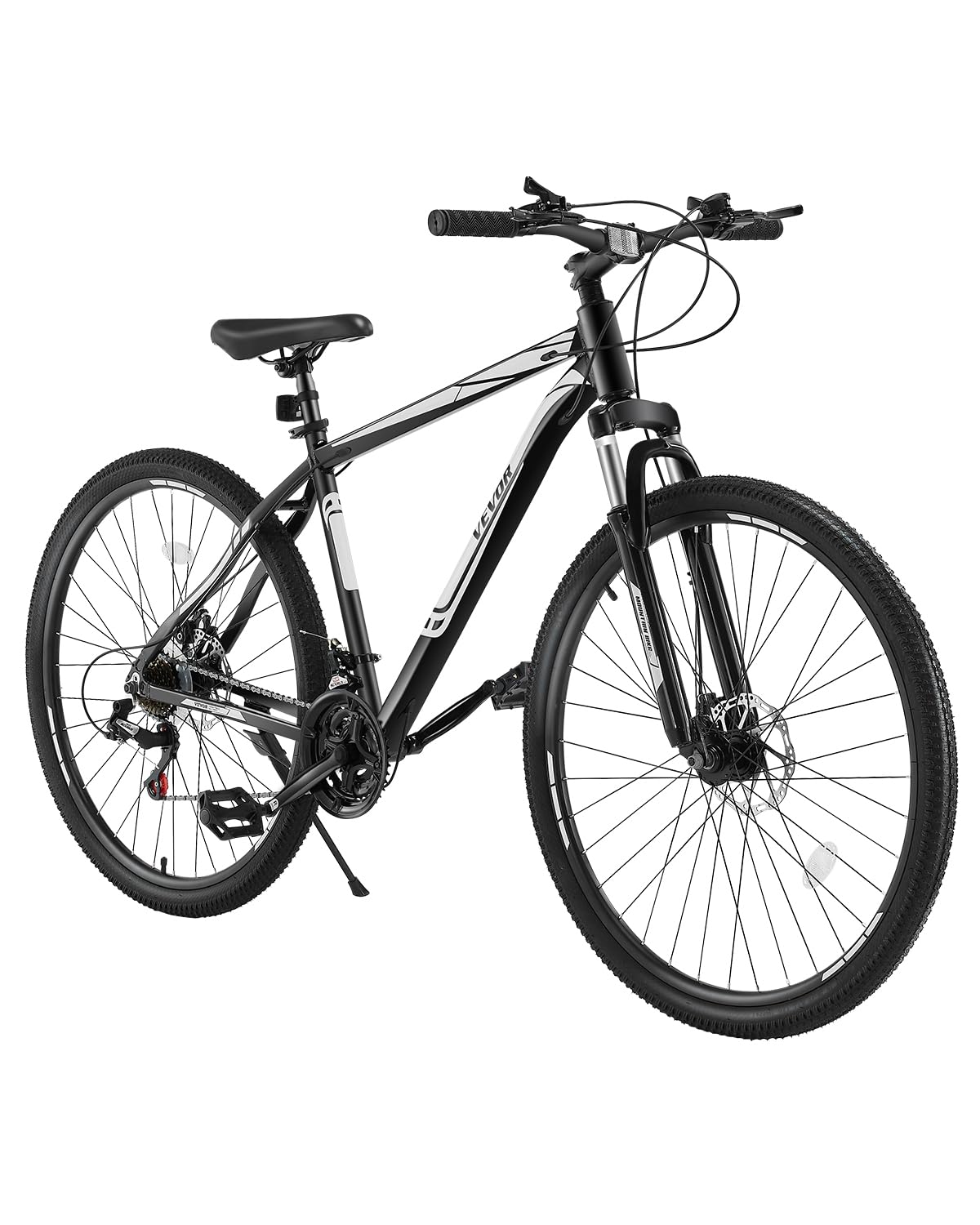
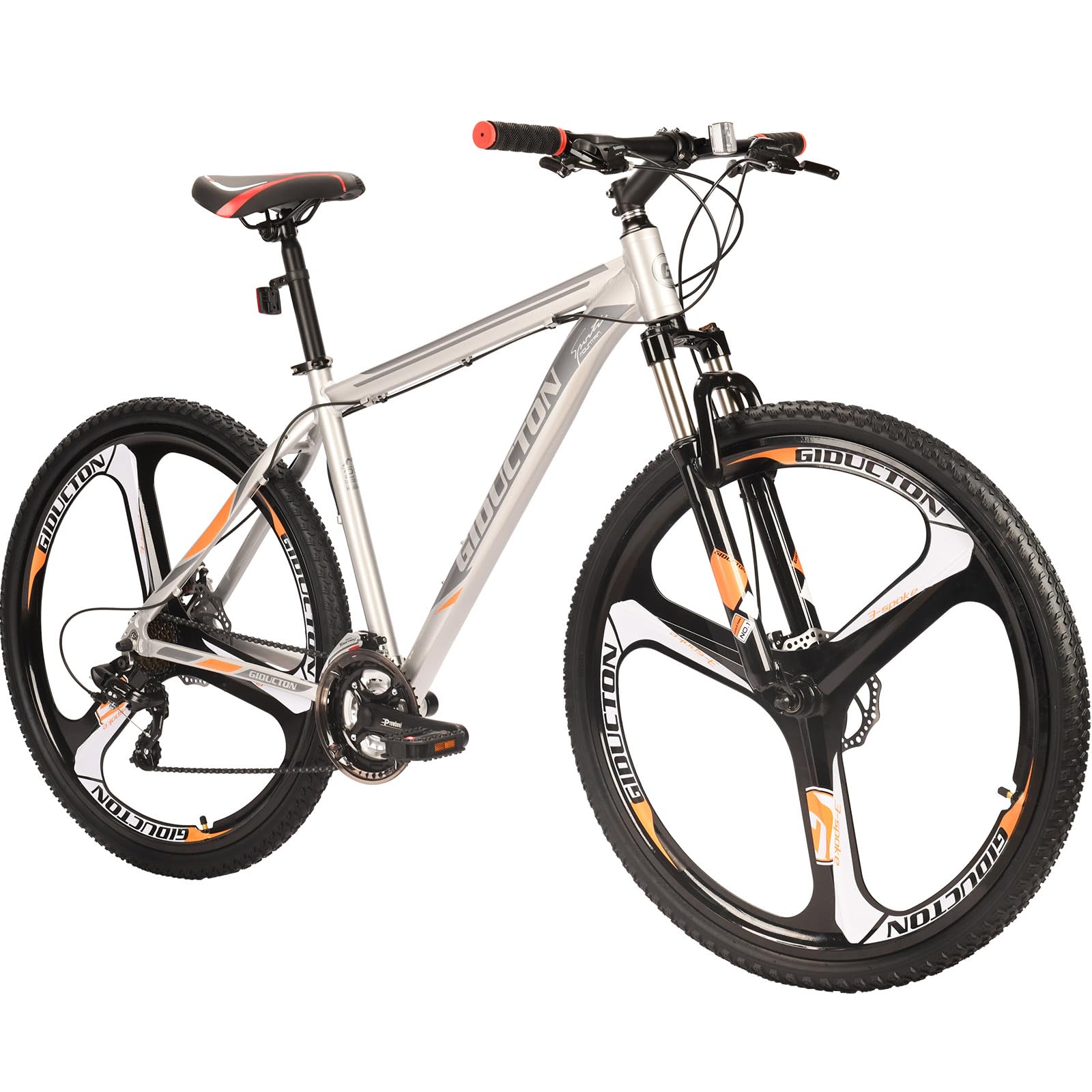
Rather than ranking named models, use the three value profiles below as a checklist against any bike in the product table. A bike that matches one profile closely will serve you well, while a bike that matches none of them usually spends its budget on appearance instead of ride quality.
The All Round Profile
The strongest all round package at this price pairs an aluminum trail frame with an air fork around 120 mm of travel, hydraulic disc brakes, and a 1x drivetrain with a wide range cassette. Tires should be tubeless ready even if the wheels arrive with tubes fitted. This profile handles varied trails without an obvious weak point.
Expect to pay close to the full budget, around $850 to $1,000, for this combination. If a listing offers all of it far below that range, read the fork and brake details carefully, because those are the parts most often downgraded quietly.
The Value Profile
The value profile keeps hydraulic brakes and a modern drivetrain but accepts a slightly heavier fork or wheels to save money, often landing around $650 to $850. It suits riders on smoother trails who want reliability first and lighter weight later. A good frame with common standards makes those later upgrades possible.
Avoid value bikes that save money on brakes. You can upgrade tires and wheels over time, but weak braking limits every ride from day one and costs nearly as much to fix as the savings.
The Upgrade Friendly Profile
The upgrade focused profile spends on the frame: tapered head tube, thru axles, internal routing for a dropper post, and generous tire clearance. Components may be mid level, but every standard is current, so better forks and wheels bolt on later without adapters. This profile suits riders who plan to keep the frame for years.
Check dropper post routing in particular, since a dropper transforms descending confidence and is the most popular first upgrade at this level. A frame without routing makes that upgrade messy or impossible.
How to Choose the Best 29 Inch Mountain Bike Under 1000
This section is the heart of the decision, and it applies to every candidate for best 29 inch mountain bike under 1000 that you shortlist. Work through each part in order, because fit and brakes matter more than drivetrain polish, and all three matter more than color or minor weight differences.
What You Can Realistically Get Under $1000
Around $1,000 buys a very good hardtail and only an entry level full suspension bike with basic parts. Expect an aluminum frame, an air or decent coil fork, hydraulic brakes, and a 1x drivetrain on better models. What gets cut is usually wheel weight, tire quality, and small comfort parts such as grips and saddles.
Do not compromise on brakes or fork function to reach a lower price. A bike around $700 with a smooth fork and strong brakes rides better and stays safer than a bike around $500 with impressive paint and a fork that barely moves.
Bike Type and Riding Style
Cross country hardtails at this price climb fast and suit long, smoother rides. Trail hardtails add slacker geometry and longer forks for confidence on descents, and they are the default choice for mixed terrain. Entry full suspension bikes add rear comfort but often carry heavy wheels and basic shocks that need servicing sooner.
If your budget is flexible across wheel sizes, our guide to the best mountain bike for under 1000 compares all wheel sizes at this price. Riders who can spend far less should set expectations with our guide to the best 29 inch mountain bike under 500.
Brakes (Hydraulic vs Mechanical Disc)
Insist on hydraulic disc brakes at this budget. They stop with one or two fingers, control speed smoothly on long descents, and need little adjustment as pads wear. Mechanical disc brakes still appear on cheaper builds, and they are the clearest sign a maker saved money in the wrong place.
Rotor size near 180 mm at the front wheel is a plus for heavier riders and hilly areas. Also check that replacement pads for the brake model are common, because pads are a consumable you will buy several times over the life of the bike.
Fork and Suspension
The fork is the part that most separates a trail bike from a bike-shaped object. Look for an air fork with adjustable pressure and a lockout, ideally with 100 to 140 mm of travel. Cheap coil forks with no damping tend to feel harsh and bounce unpredictably on rough ground.
Set air pressure for your body weight and check the sag as the manufacturer describes. A fork that moves smoothly makes every descent more controlled and less tiring.
Drivetrain and Gearing
A 1x drivetrain with a cassette spanning roughly 11 to 50 teeth covers steep climbs and moderate descents without a front shifter to manage. Shifting quality at this price is generally good from the major component families, so judge by range and by whether the rear derailleur has a clutch for chain control.
Chain, cassette, and chainring are wear parts, so common standards save money later. If two bikes tie on brakes and fork, choose the one whose drivetrain parts are easier to find locally.
Weight and Components Upgrade Path
Expect about 29 to 34 lb for a hardtail in this band. Chasing the lightest listing is less useful than confirming upgrade paths: tubeless ready rims, a tapered head tube, thru axles, and dropper routing. Those features let one frame improve steadily as your skills and budget grow.
The smart upgrade order is tires first, then a dropper post, then wheels. Each step is easy to feel on the trail. Riders stretching a smaller budget can compare the compromises in our guides to the best 29 inch mountain bike under 300 and the best 29 inch mountain bike under 200 before deciding to save longer.
Types of 29 Inch Mountain Bikes
Hardtail Mountain Bikes
Hardtails dominate this price band for good reason: no rear shock means more of your money reaches the fork, brakes, and wheels. They teach balance and line choice, need less servicing, and handle most trails at moderate speed. For the general comparison across formats, see our guide to the best 29 inch mountain bike.
Full Suspension Mountain Bikes
Full suspension bikes add a rear shock that smooths roots and rocks and keeps the rear wheel planted. At this price they usually come with heavier frames, basic shocks, and lower grade brakes or drivetrains. They suit riders with rough local trails who accept those trade-offs.
Cross Country and Trail Styles
Cross country bikes use steeper geometry and shorter fork travel for efficient climbing. Trail bikes use slacker angles and longer travel for confidence on descents. Pick the style that matches the terrain you ride most often rather than the one you might ride someday.
Care and Maintenance Tips
- Check tire pressure before every ride. Correct pressure protects rims, prevents pinch flats, and keeps cornering grip predictable on loose soil.
- Clean and lube the chain every 100 to 200 miles. A clean drivetrain shifts better and delays the cost of a new cassette and chainring.
- Have a professional tune up yearly. A shop can check brake pads, wheel trueness, and suspension seals before small wear becomes a repair bill.
- Wash gently and dry the bike. Low pressure water and a soft brush protect bearings better than a pressure washer aimed at seals.
29 Inch Mountain Bikes: Your Questions Answered
Can you get a good 29 inch mountain bike under $1000?
Yes, this budget buys a genuinely good hardtail with hydraulic brakes, a working air fork on many models, and a modern 1x drivetrain. What you give up versus pricier bikes is mainly low weight, premium tires, and refined suspension feel. For learning and regular trail riding, that trade is sensible and satisfying.
What size bike do I need?
Use your height and inseam against the maker chart, and confirm stand over clearance because 29 inch wheels raise the frame. Riders near 5 feet 9 inches often fit a medium or large depending on torso length and brand sizing. If you are between sizes, try both in a shop or choose the smaller for easier handling.
Hardtail or full suspension for beginners?
A hardtail is usually the wiser buy under $1000 because the same money delivers better brakes, fork, and wheels without a rear shock to service. Entry full suspension can feel comfortable on rough trails but often weighs much more and uses parts that wear quickly. Upgrade to full suspension later if your terrain truly demands it.
Are 29 inch wheels good for shorter riders?
They can be, if the frame size fits. Smaller frames with 29 inch wheels exist, but very short riders may find 27.5 inch wheels easier to handle in tight turns. Check stand over height and reach on the size chart before you buy.
How much should I spend on my first bike?
Spending around $700 to $1,000 on the bike and reserving money for a helmet, pump, and basic tools gives the best first season experience. Far below that range, forks and brakes disappoint quickly and upgrades cost more than saving longer would have. Buy once at the right level if you can.
Wrapping Up
Let fit, hydraulic brakes, and fork quality decide your purchase, and treat gear counts and paint as minor details. A trail hardtail with upgrade friendly standards will grow with you for years. Compare the best 29 inch mountain bike under 1000 options in the product table and choose the frame that fits your body and your trails.