Best 27 Inch Washing Machine in 2026: Buying Guide and Top Picks
Disclosure: We may earn a commission when you buy through links on this page, at no extra cost to you. As an Amazon Associate I earn from qualifying purchases. Learn more

What to look for in the best 27 inch washing machine: the main types, key features, realistic price ranges and mistakes to avoid before you order.
A 27 inch washer is the standard full size choice for most homes, yet capacity, depth, and wash action vary a lot within that width. Choosing the best 27 inch washing machine means matching the drum size and the load type to your space and your laundry habits. The product table below the intro lets you compare current models so you can see the trade offs at a glance.
This guide walks you through front load and top load designs, the features that change daily use, and the measurements that decide whether a unit fits. If you want a broader view first, see our guide to the best washing machine for all sizes.


Main Types at a Glance
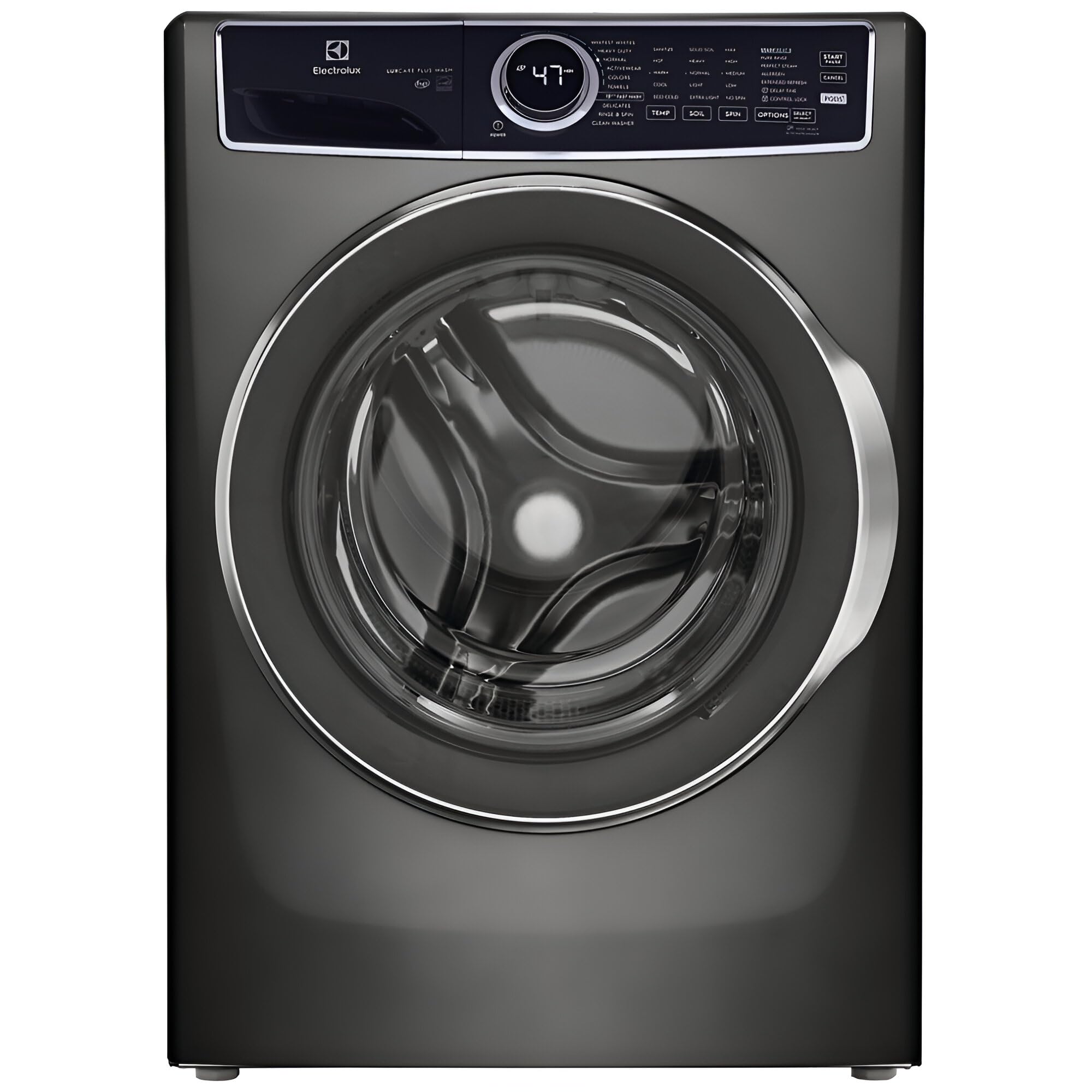
All 27 inch models share the same width, but they split into three clear groups. Front load units wash with a tumbling action and stack with a dryer. Top load units with an agitator scrub more aggressively and finish cycles faster. Top load units with an impeller use a low plate to move clothes gently and leave more open drum space. Our front load vs top load washer guide explains the layout differences in more detail.
Three Types Compared for 27 Inch Washers
Front Load Models for Cleaning and Efficiency
Front load 27 inch washers tumble clothes through a shallow pool of water, which cleans well while using less water than most top load designs. Most offer about 4.5 to 5.0 cu ft of capacity, steam options, and strong spin speeds that leave clothes drier. You load and unload at waist level only with a pedestal, and the door needs clear swing space in front. If this style fits your room, compare options in our guide to the best front load washing machine.
Top Load Models With an Agitator for Faster Cycles
A center agitator twists back and forth to pull clothes through the water, giving strong cleaning for work clothes, towels, and heavily soiled loads. Cycles tend to run shorter, and you can often add a forgotten item after the start by pausing the load. Capacity is commonly about 4.5 to 5.3 cu ft, though the post takes up some drum room. You reach down into a deep tub, so shorter users may find loading less comfortable. See our guide to the best top load washing machine for more on this style.
Top Load Models With an Impeller for Gentle Care
An impeller is a low disc or cone at the bottom of the tub that creates currents to move clothes against each other. Without a center post, the drum feels more open for bulky items such as comforters, and the action is gentler on fabrics. Cleaning relies more on good loading and the right cycle choice, since clothes need room to circulate. For a direct comparison of the two wash actions, read our agitator vs impeller breakdown before you decide.
How to Compare 27 Inch Washing Machines
Compare models on the same six points so the width alone does not mislead you. Check capacity in cu ft, wash performance on normal and heavy cycles, and ease of use for the controls and the door or lid. Then look at how simple the tub and dispenser are to clean, how loud the spin cycle runs, and what safety locks and warranty coverage are included. Specs from the maker and verified buyer feedback on noise and reliability tell you more than headline claims.
How to Choose the Right Washing Machine
Size and Form Factor
Width is fixed at 27 inches for this class, but height and depth differ by design. Front load units are often deeper and need extra room for the door, while top load units need overhead room for the lid to open fully. Capacity runs from about 4.5 cu ft for standard models to about 5.3 cu ft for large capacity versions. A compact 24 inch washer suits tiny closets, while a 27 inch drum gives you family size loads without moving to an extra wide cabinet.
Type and Wash Action
Front load, top load, high efficiency, smart, stackable, portable, and all in one models all exist, but only front load and top load dominate at 27 inches wide. High efficiency versions use less water and need low suds detergent marked for high efficiency use. A stackable front load pair saves floor space in a closet. An all in one unit washes and dries in one drum, yet cycles take longer and loads must stay smaller, so it rarely replaces a full size pair for families.
Features Worth Paying For
Steam can help loosen stains and refresh lightly worn clothes, and an auto dispenser that holds detergent for several loads saves measuring on busy days. WiFi alerts tell you when a cycle ends, which helps if the laundry room sits far from living areas. A removable agitator that converts to impeller washing adds flexibility for bulky items. Skip paying extra for dozens of specialty cycles you will never select, since normal, heavy, bedding, and quick wash cover most homes.
Power and Energy Use
Most 27 inch washers run on a standard household outlet and use far more energy to heat water than to turn the drum. Choosing warm or cold settings for everyday loads cuts energy use more than small differences in motor ratings. Look for an Energy Star label if lower utility bills matter to you, and compare the estimated yearly energy use on the yellow guide label. A strong spin cycle also saves energy later, since clothes enter the dryer with less water left in them.
Safety Features and Certifications
Look for a child lock that holds the door or lid and the controls during a cycle, plus sensors that pause the spin when a load sits out of balance. Listings from UL or ETL show the appliance was independently evaluated for electrical safety. Use surge protection where storms are common, keep the area around hoses dry, and replace inlet hoses that show bulges or rust at the fittings.
How Much Should You Spend?
Basic 27 inch top load models often cost about $600 to $800 and cover core cycles with fewer extras. Most families land at about $800 to $1100, where you gain larger capacity, better spin speeds, and steam or dispenser options. Premium front load models at about $1100 to $1500 add quieter operation, smart controls, and larger drums. A pedestal, stacking kit, hoses, and delivery are separate costs, so set aside part of your budget for install parts and for pairing with a matching dryer later.
Is a 27 Inch Washing Machine the Right Size for You?
This width fits the cutout in most laundry rooms and pairs with a standard 27 inch dryer side by side or stacked. It suits you if a smaller compact washer forces constant extra loads, but an extra wide model would crowd doors or cabinets.
Families With Regular Large Loads
If you wash bedding, bath towels, and clothes for three or more people each week, a 4.8 to 5.3 cu ft drum lets you finish in fewer loads. You still need to leave space at the top of the load so items can move freely and rinse clean. A 27 inch washer handles a king size comforter on a bedding cycle in most cases, which a compact drum cannot do.
Apartment and Condo Owners With a Laundry Closet
A 27 inch front load pair can stack to free floor space, yet you must measure closet depth with the door closed and hoses attached. Venting, drain access, and door swing often matter more than width in a closet install. If the closet was built for a compact pair, confirm the added depth fits before ordering. Renters should also check building rules on install and on who supplies the hoses and valves.
Homes Replacing an Older Standard Washer
Replacing a worn standard washer with another 27 inch model is usually the simplest swap, since hookups, drain height, and cabinet gaps already match. Measure your old unit anyway, because newer models can sit taller or deeper despite the same width. This is also the moment to check shut off valves and the standpipe for slow draining.
Common Mistakes to Avoid
- Measuring width only and forgetting depth, door swing, and lid clearance, which leaves a washer that fits the gap but cannot open.
- Overloading the drum to save time, which weakens cleaning and strains the motor and suspension.
- Using regular detergent in a high efficiency washer, which creates excess suds and leaves residue on clothes.
- Skipping the transit bolts removal on a front load unit, which causes violent shaking on the first spin.
- Placing the washer on a weak or sloped floor, which leads to noise, walking, and early bearing wear.
- Ignoring drain height limits in the manual, which can cause siphoning or standing water in the tub.
How to Make Your Washing Machine Last Longer
Wipe the door seal and leave the door or lid open between loads so moisture can dry and odors stay away. Run a tub clean cycle with an empty drum about once a month, use the correct detergent dose, and clean the drain pump filter if your model has one. Our full routine for how to clean a washing machine covers the dispenser and the seal in step by step detail. Check hoses yearly, keep the unit level, and sort heavy items evenly so the spin stays balanced.
FAQ
What is the best 27 inch washing machine?
The right choice depends on your room and your loads rather than a single model. Front load versions lead on cleaning and water use, while top load versions lead on speed and simple loading. Match capacity to your household, confirm depth and clearance, then pick the wash action you prefer. That order gives you a washer that fits first and performs well for years.
What size washing machine do I need?
For one or two people who wash small loads often, about 4.5 cu ft is usually enough. Households of three to five do better with about 4.8 to 5.3 cu ft so bedding and towels do not need splitting. Count how many loads you run now and how often bulky items appear. If bulky items are rare, a mid size drum plus a laundromat trip once in a while can cost less.
How do you clean a washing machine?
Start with an empty hot tub clean cycle, then wipe the seal folds and the dispenser drawer after the cycle ends. A point many owners miss is the drain pump filter near the base on front load models, which traps coins and lint and can cause odors if ignored. Clean that filter over a shallow tray, since trapped water will spill out. Dry all parts before closing the door.
How long do washing machines last?
Most full size washers last about 10 to 13 years with normal household use, though heavy daily use shortens that span. Front load seals and bearings and top load suspension parts are common wear points late in life. Simple habits such as balanced loads and prompt hose checks help you reach the upper end. When repair costs near half the price of a new unit, replacement usually makes more sense.
How do you level a washing machine?
Place a level on top of the washer front to back and side to side, then adjust the front feet by turning them up or down until the bubble sits centered. Lock the feet with the supplied nuts if your model has them, and keep all four feet firmly on the floor. Recheck after running a spin cycle with towels, since a small rock during spin means one foot still carries too little weight.
Final Thoughts
A 27 inch washer gives you full size capacity in the space most homes already have, as long as you verify depth, clearance, and wash action before buying. Use the product table above to compare types side by side, then narrow your list by capacity and the features you will use weekly. Chosen that way, the best 27 inch washing machine for your home is the one that fits your room, handles your bulkiest load, and stays simple to clean and level.