Best 24 Inch Wine Cooler in 2026: Buying Guide and Top Picks
Disclosure: We may earn a commission when you buy through links on this page, at no extra cost to you. As an Amazon Associate I earn from qualifying purchases. Learn more

What to look for in the best 24 inch wine cooler: the main types, key features, realistic price ranges and mistakes to avoid before you order.
A kitchen remodel often leaves one neat cabinet opening and a growing stack of bottles with nowhere cool to rest. A 24 inch cooler fills that opening and keeps wine at a steady serving temperature. Finding the best 24 inch wine cooler for your home comes down to your space, how many people share the collection, and what you can spend.
The product table below the intro lets you compare current models side by side, and the sections after it explain the details that matter in daily use. If you are still weighing whether wine storage deserves its own appliance at all, our guide to the best wine cooler covers the broader category first.




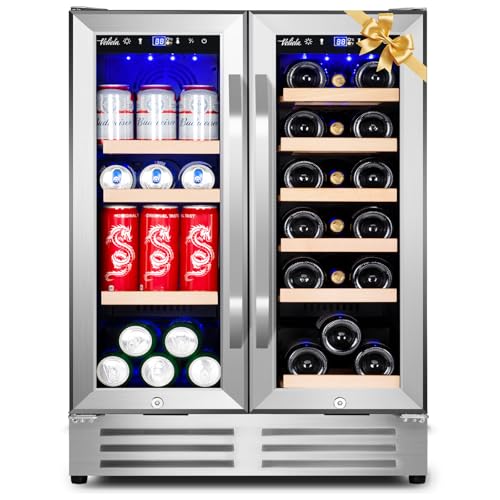
Quick Answer: The Three Types in 30 Seconds
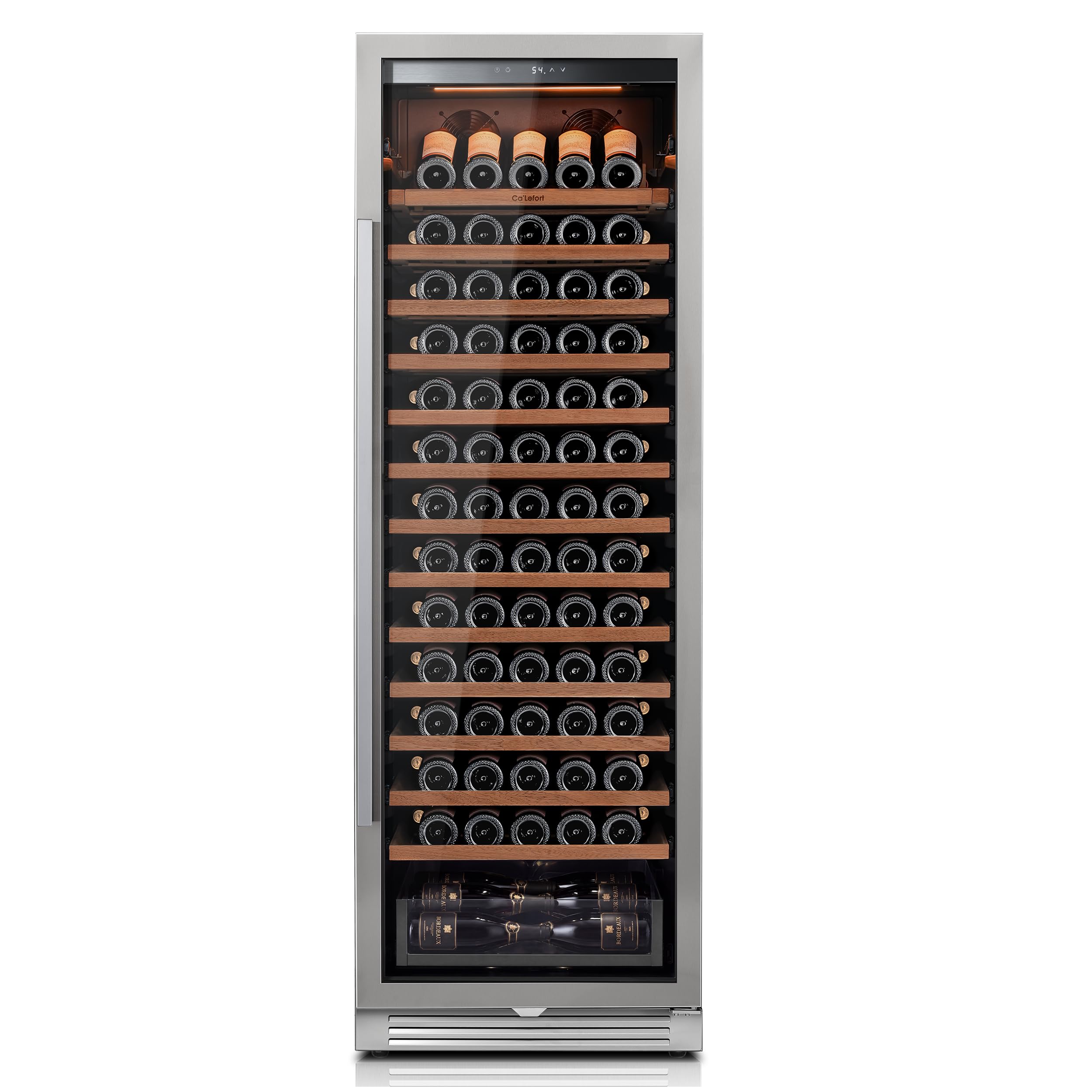
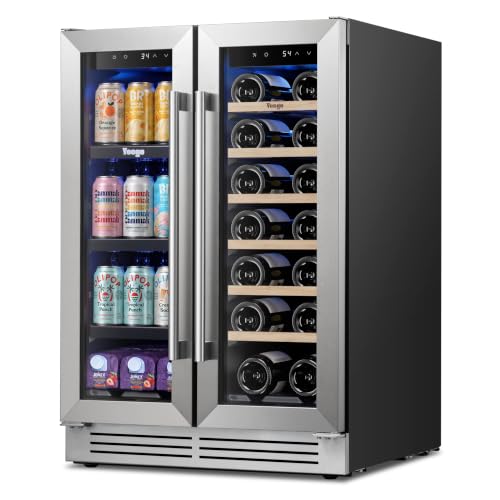
Most 24 inch coolers fall into three groups. Dual zone built in models suit households that pour both reds and whites each week. Single zone built in models suit a collection built around one style, and they usually cost less. Freestanding models suit renters and anyone who may move the cooler later, since they need no cabinet opening. Read the checklist below before you settle on a type.
Before You Buy: A Quick Checklist for Choosing a Wine Cooler
Size: Match It to Your Space
The 24 inch width is a standard cabinet size, and most models in this width hold about 40 to 55 standard bottles. That rating assumes slim bottles packed tightly, so wide Burgundy or Champagne bottles will lower the real count. Count the bottles you own now, add what you buy in a year, and pick a capacity with room to spare. If your collection sits under 20 bottles, this width is likely more than you need.
Which Type Fits Your Routine
Built in models vent through the front, so they can sit flush inside cabinetry with almost no gap around the sides. Freestanding models vent at the back and need open air behind and above them, which makes them wrong for a tight cabinet slot. The comparison in our guide to built in vs freestanding wine fridge walks through venting and placement in more depth. Cooling method matters too. Compressor models hold temperature well in warm rooms, while thermoelectric models run quietly but struggle when room temperature climbs. Our breakdown of compressor vs thermoelectric wine cooler explains that trade off for different rooms.
Features Worth It (and Ones to Skip)
A door lock earns its cost in homes with children or in a shared space, and it also keeps a curious guest from leaving the door ajar. A reversible door helps when the handle would otherwise swing into a wall or an appliance. Wooden shelves cradle bottles and absorb small vibrations, and they slide more smoothly when they ride on rails. You can skip touch screen panels and display racks that trade storage space for looks.
Wattage, Power and Energy Use
A 24 inch wine cooler is a small appliance, and most draw about as much power as a bright light bulb while the compressor runs. Your real cost depends on how often the compressor cycles, which rises in a hot room or when the door opens often. Check the yellow Energy Guide label on the listing for the estimated yearly electricity use, and compare that figure across models rather than the wattage alone. A standard household outlet is enough, ideally one the cooler does not share with larger appliances.
Safety Features and Certifications
Look for a UL or ETL mark on the model you choose, since either mark means an independent lab has checked the electrical safety of the unit. A door alarm that sounds when the door stays open protects a full collection from a warm afternoon. Leveling feet matter for safety as well as looks, because a cooler that rocks can strain its door seal. Keep the cooler away from a heat source such as an oven or a sunny window, and never block its vents.
Counter Space and Dimensions
Width is only one of three numbers. Depth decides whether the door sits flush with your cabinets or juts into the walkway, and most models need about 24 inches of depth once the handle is counted. Height varies more than buyers expect, so measure from the floor to the underside of the counter and leave a small margin for leveling. Check the door swing against nearby drawer pulls and corner walls. Finally, measure the path from your front door to the spot, since a cooler that fits the kitchen but not the hallway helps no one.
Realistic Budget Ranges
Prices spread widely in this size, and each step up buys something specific rather than a vague sense of quality.
- Under $300: expect a single zone freestanding cooler with wire shelves and basic controls.
- About $300 to $500: this range adds built in venting, quieter compressors, and smoother shelving.
- About $500 to $1000: dual zone control, UV glass doors, and locks become common here.
- About $1000 to $2000: the top range buys larger capacity in the same width, finer temperature control, and longer warranties.
Spending past about $1000 makes sense mainly when the collection itself is valuable.
Three Styles of 24 Inch Wine Cooler Compared
Dual Zone Models for Mixed Collections
Two zones let you hold whites at serving temperature in one section while reds rest in the other, so a bottle is ready when dinner is. This is the natural fit for households that open both colors each week, and our guide to the best dual zone wine cooler looks at the format on its own. Note that most dual zone models split the cabinet unevenly, with a smaller upper zone, so check the bottle count per zone rather than the total. The extra controls also add cost, which is why this style anchors the upper budget ranges.
Single Zone Models for Focused Storage
One zone held at one temperature is simpler, cheaper, and often roomier, since no divider eats into the cabinet. It suits a drinker who favors reds, or a household happy to chill a white bottle in the fridge for an hour before serving. A single steady temperature around 55 degrees F also works well for longer storage of mixed bottles, since that figure sits in the middle of the serving range for both colors. This style also gives you the most bottles per dollar in this width.
Freestanding Models for Flexible Placement
A freestanding cooler can go in a dining room, a home office, or a finished basement, and it moves with you when you move. That freedom is the main reason to choose one over a built in unit, and why many first time buyers start here. The trade off is placement discipline: the back and top need open air, and the cooler cannot slide into a cabinet later if you remodel.
How to Compare 24 Inch Wine Coolers
Compare models on capacity in this width, how steadily each holds its set temperature, ease of daily use, how simple the interior is to clean, noise in a living space, and the safety marks and warranty behind the unit. The figures come from manufacturer specifications and from patterns in verified buyer reviews. Leave prices to the listings, since those change often.
Is a 24 Inch Wine Cooler the Right Size for You?
This width fits the standard cabinet opening left by a dishwasher or a trash compactor. If you are planning a cabinet run, our guide to the best undercounter wine cooler covers that layout in detail. Choose 24 inches when your collection sits between about 30 and 50 bottles, or will grow there soon. A household with a dozen bottles will pay to cool empty air, while a serious collector will outgrow this width and start stacking bottles in ways that block airflow.
Common Buying Mistakes to Avoid
- Trusting the headline capacity: bottle counts assume the slimmest bottle shape, so a mixed collection always holds fewer than the box promises.
- Ignoring the vent direction: a rear venting cooler sealed into cabinetry runs hot, works harder, and can fail early.
- Skipping the door swing check: a door that cannot open past 90 degrees makes the back row of shelves hard to reach.
- Buying features before capacity: a display rack or a second display light costs shelf space you will miss more than the feature.
- Forgetting the delivery path: stairs and narrow doors stop more installations than cabinet measurements do.
Cost of Ownership and Care
Running costs stay modest, but a few habits protect the cooler itself. Dust the condenser coils twice a year with a soft brush, since dusty coils force the compressor to run longer. Wipe the door gasket monthly and check that it seals evenly, because a worn gasket is a common cause of temperature drift. Some models use a small charcoal filter to limit odors, and replacing it about once a year keeps it working. If you are new to the appliance, our walkthrough on how to use a wine cooler covers loading and temperature habits that reduce wear.
Your Questions, Answered
What is the most reliable wine cooler brand?
No single brand wins for every buyer, and reliability claims are hard to verify across models. A more useful check is the warranty split: many makers cover the sealed cooling system longer than the rest of the unit, and a longer term there signals confidence. Also look for a steady supply of gaskets and shelves, since a cooler you cannot get parts for is unreliable in practice.
How do you clean a wine cooler?
Unplug the unit, take the bottles out, and lift the shelves clear. Wipe the walls with a soft cloth, warm water, and a little mild soap, then dry everything fully. A paste of baking soda and water lifts stubborn odors without scented cleaners, which can linger near corks. Leave the door open for an hour after cleaning so no moisture stays trapped inside when you restart the cooler.
Is a wine cooler worth it?
It is worth it when bottles sit for weeks in a warm kitchen, where heat and light slowly dull flavor long before the cork comes out. A kitchen fridge is also colder than wine likes, and it vibrates each time the door slams. If you buy a bottle and drink it the same week, the value drops sharply, and a simple rack in a cool closet will do the job for free.
How long does a wine cooler last?
A well kept compressor model often serves about 10 to 15 years, while a thermoelectric model tends to run a shorter span because its cooling module wears steadily. Placement stretches or shortens that range: a cooler in a cool room with clean coils and a sound gasket ages far better than one baking beside an oven. Shrinking temperature stability is usually the clearest sign that a unit is nearing the end.
What size wine cooler do I need?
Start with the bottles you own, then add the number you buy in a typical year, since a cooler that is full on day one has no room to grow. Bottle shape shifts the answer too: a collection heavy on wide Champagne bottles can need a third more shelf space than the same count of slim bottles. A household keeping about 30 bottles fits this width comfortably, while 15 or fewer point to a smaller unit.
What is the best 24 inch wine cooler?
The right answer depends on three factors: the space you have, the mix of reds and whites you pour, and your budget. A dual zone built in model serves a mixed collection in a finished kitchen, while a single zone freestanding model serves a focused collection for less. Use the product table above to match those factors to a type first, and only then compare individual models within that type.
Final Thoughts
A 24 inch cooler earns its place when it matches your cabinet, your bottle count, and the way your household actually drinks. Start with the venting and zone questions, set a budget range you can defend, and let the smaller features follow. Chosen that way, the best 24 inch wine cooler for your home is simply the one that fits your space and your routine, and the product table above gives you a quick way to check your shortlist against both.