Best 15 Inch Wine Coolers (2026): Buying Guide
Disclosure: We may earn a commission when you buy through links on this page, at no extra cost to you. As an Amazon Associate I earn from qualifying purchases. Learn more

What to check before you buy the best 15 inch wine cooler: venting, zones and bottle capacity, and which type fits your home.
A narrow gap beside the fridge, an old trash compactor slot, or one short run of cabinets in a home bar is often all the space a household can spare. That is exactly where a 15 inch model earns its place. This guide to finding the best 15 inch wine cooler for your home focuses on fit, household size, and daily ease of use, plus what the cooler will cost you to run and maintain over the years.
Start with the measurements and the types below, then use the comparison table below to match capacity and cooling style to the bottles you actually keep. If your width is flexible, our broader guide to best wine cooler options shows what you gain and give up at other sizes.




Quick Answer: Which Type Fits Most Homes
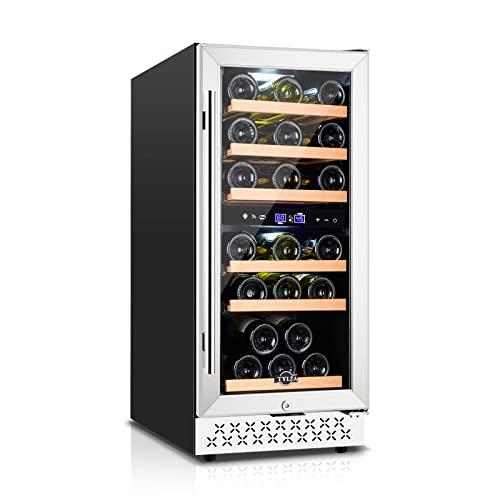
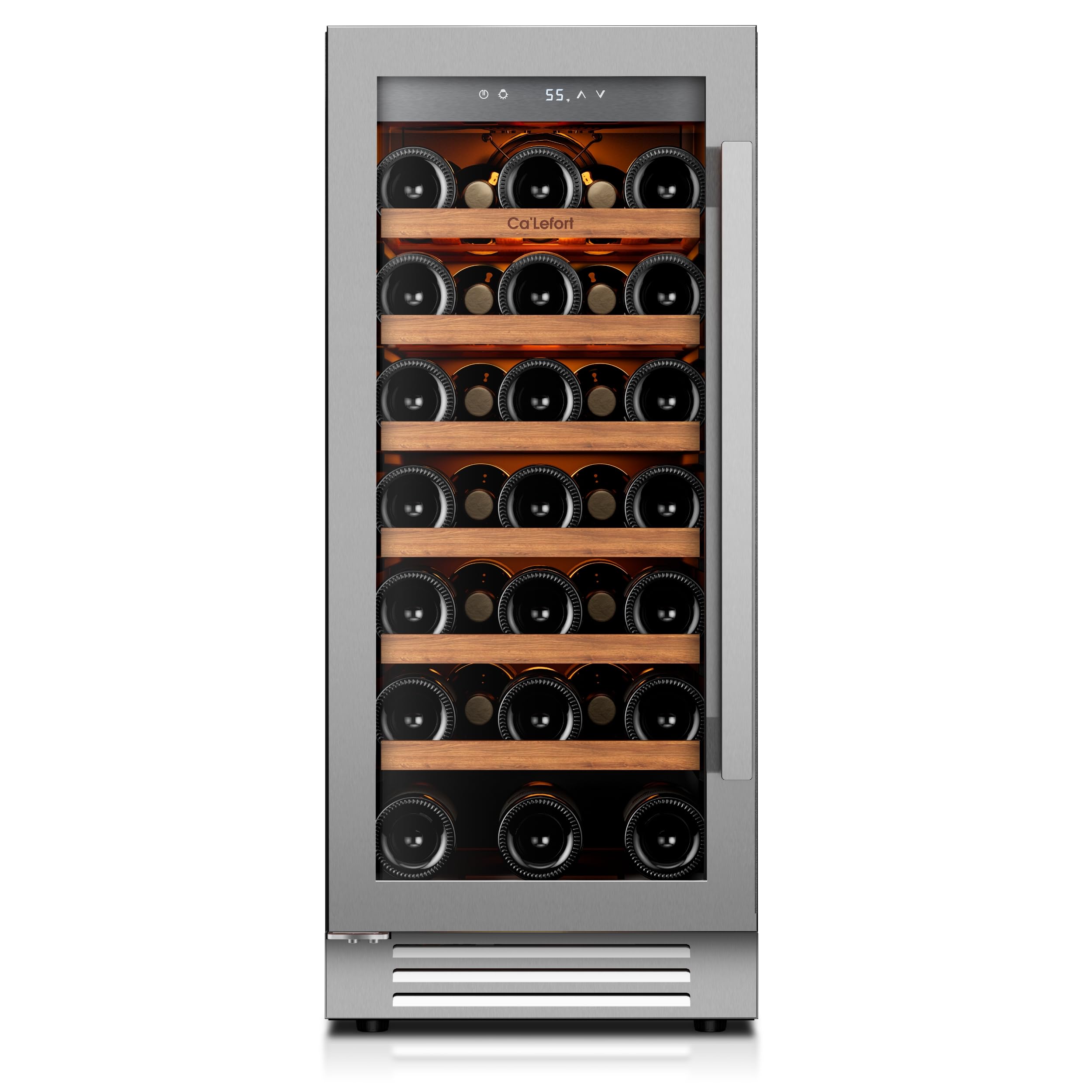
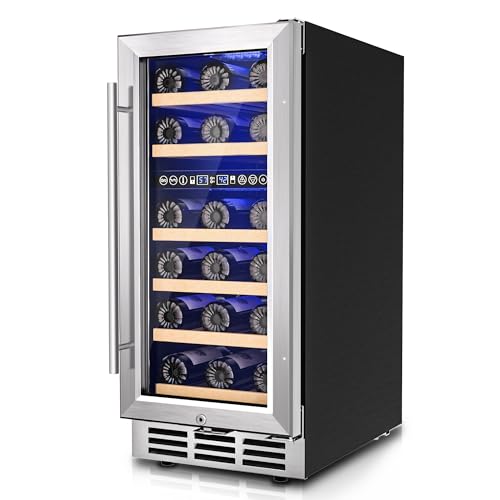
For most households, the best 15 inch wine cooler is a compressor based single zone model with front venting, because it holds a steady temperature in a warm kitchen and can be built into cabinetry. Choose dual zone only if you regularly keep whites ready to serve alongside reds you store for later. Choose thermoelectric only for a small collection in a cool, quiet room.
Before You Buy: A Quick Checklist for Choosing a Wine Cooler
Size: Match It to Your Space
Capacity in this width usually runs from about 12 bottles to about 30 bottles, and the shelf layout matters more than the headline number. Standard Bordeaux bottles stack neatly, while wide Burgundy and Champagne bottles take extra room and can cut usable capacity fast. Count what you own now and what you buy in a typical month. A couple with a dozen bottles needs a very different cooler than a family that hosts often and keeps two cases on hand.
Which Type Fits Your Routine
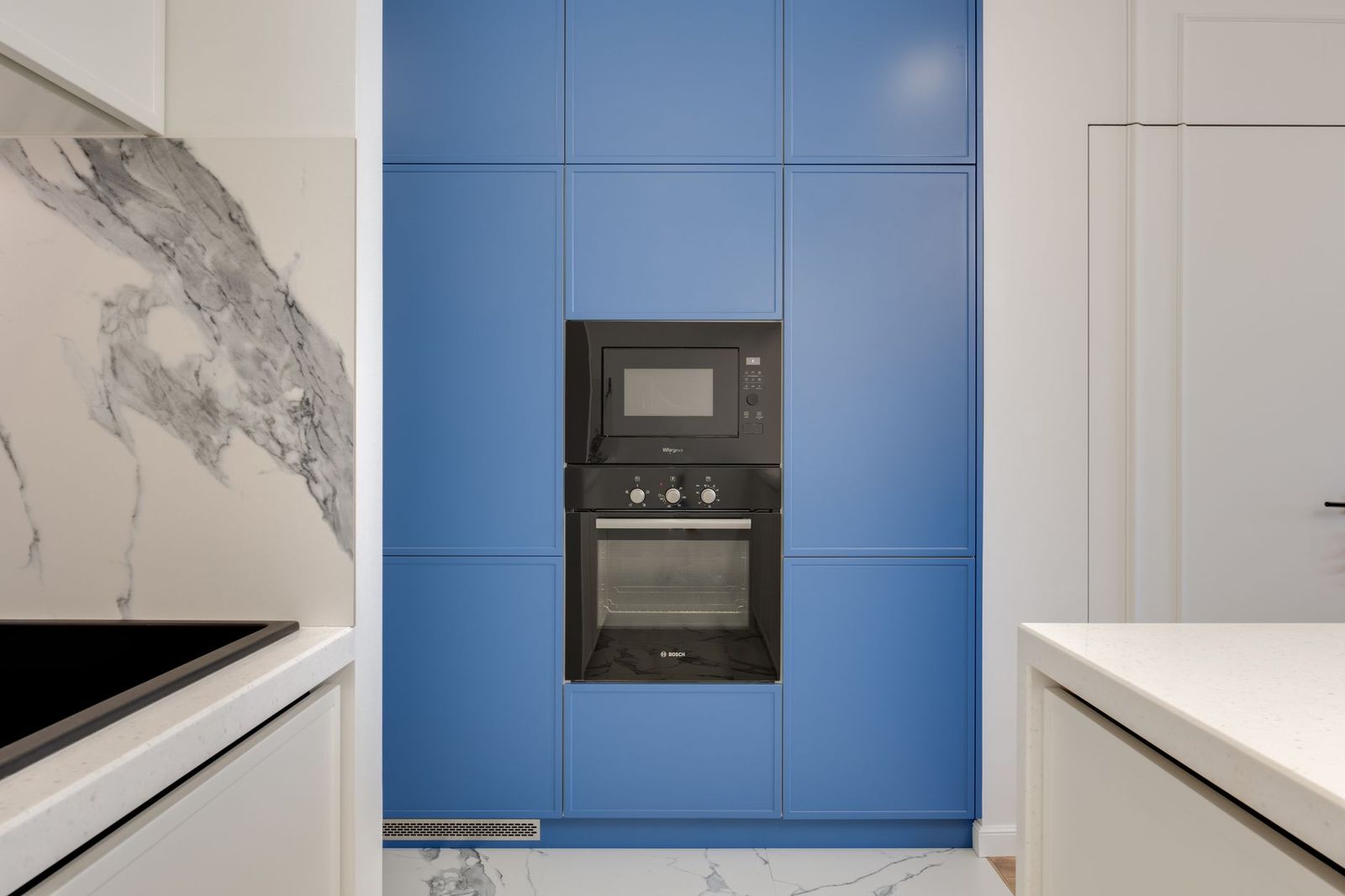
Built in models vent at the front and sit flush with cabinets, while freestanding models vent at the side or back and need open air around them. Undercounter use in a standard cabinet run points you toward the best undercounter wine cooler designs with front venting. Compressor cooling handles warm kitchens and larger loads. Thermoelectric cooling is quieter but weaker in hot rooms, a trade off explained in our guide to compressor vs thermoelectric wine cooler choices.
Features Worth Paying For and Ones to Skip
Pay for smooth shelves that slide without snagging labels, a door lock if kids or guests share the space, soft LED lights that add little heat, and a reversible door when the handle side is not yet fixed by your layout. Wood shelves cradle bottles well and absorb small vibrations. Skip apps you will rarely open, decorative colored lighting, and extra racks that eat bottle space. A clear display with a simple touch panel beats a long feature list you never use.
Wattage, Power and Energy Use
Check the energy guide label and the yearly kilowatt hour figure rather than the watt number alone, because the compressor cycles on and off through the day. A full cooler that opens a few times daily usually runs more steadily than a nearly empty one opened at every meal. Placement matters too. A unit squeezed against a heat source works harder, uses more power, and ages faster than the same unit with clean vents and room to breathe.
Safety Features and Certifications
Look for a UL or ETL listing on the label, which shows the model was checked against United States safety standards for household appliances. Tempered glass in the door, stable leveling legs, and a lock all suit homes with children or busy parties. Plug the cooler into a grounded outlet and skip extension cords. If your kitchen circuit already carries several large appliances and trips often, talk with an electrician before adding another motor driven appliance to that run.
Counter Space and Dimensions
Measure the opening three times, at the floor, at counter height, and at the back wall, because cabinets are rarely square. Most models in this class need a depth of about 23 to 25 inches once the door and handle swing are counted, and a height near 32 to 34 inches under a standard counter. Leave the maker stated clearance for the vent, and confirm the door can open past 90 degrees so shelves slide out without hitting a wall.
Realistic Budget Ranges
- Starter range, about $200 to $300: basic freestanding single zone models with wire shelves and simple dials, suited to small collections.
- Household range, about $300 to $500: compressor cooling, front venting on many models, and better shelving.
- Dual zone range, about $500 to $1000: dual zone control, quieter fans, locks, and finishes that match other kitchen appliances.
- Premium range, about $1000 to $2000: tighter temperature control, stronger warranties, and panel or stainless options for custom kitchens.
Three Types Compared for Real Homes
Single Zone Compressor Models for Most Homes
One temperature governs the whole cabinet, which suits households that store mostly one style or drink bottles within a few months of buying them. Set the dial near 55 degrees Fahrenheit for mixed storage and chill whites further in the fridge before serving. These models handle summer kitchen heat well, recover quickly after the door opens during parties, and offer the widest choice in this width. The cost is fan and compressor noise you may notice in an open plan room.
Dual Zone Models for Mixed Collections
Two zones let you hold whites at serving temperature in one section while reds rest cooler and darker in the other, which suits couples whose tastes differ. Expect fewer bottles per zone and a higher price for the second control board and divider. If that split matches your weekly routine, compare layouts in our guide to the best dual zone wine cooler range before you settle on a shelf plan. Check that each zone fits your bottle shapes, not just your bottle count.
Quiet Thermoelectric Models for Small Collections
Thermoelectric models use a solid state cooling plate with no compressor, so they run quietly and with little vibration, a real plus in a bedroom corner or a quiet study. The limits matter. They cool only a set amount below room temperature, so a hot kitchen or garage can leave wine warmer than you set. Capacity also stays low in this width. For a dozen bottles in a cool room, that trade can be worth it. For family gatherings and bulk buys, it rarely is.
How to Compare Models Fairly
Use the same yardsticks for every model on your short list. Compare usable capacity with your own bottle shapes, the temperature range and how many zones it covers, venting direction, noise ratings where makers publish them, shelf material, and warranty length for the sealed cooling system. Read buyer reviews for repeated notes about door seals and shelf spacing rather than single complaints. Specs come from the maker, and your own routine decides which of them deserves your money.
Is a 15 Inch Wine Cooler the Right Size for You?
This width fits households that buy wine steadily but not in bulk, apartments where one narrow cabinet is all that is free, and home bars built into a short wall run. It also replaces a 15 inch trash compactor or a small dishwasher slot with little cabinet work. It is the wrong size if you collect cases, store many oversized bottles, or want one cabinet for both wine and daily drinks for a large family. In that case a 24 inch model or two separate units will serve you better than shelves crammed so tight that labels tear and air stops moving.
Think about the next two years, not just this month. A household that joins a wine club can outgrow 20 bottles quickly. Buying one size up costs less than replacing a cooler that no longer fits your habits.
Common Buying Mistakes to Avoid
- Measuring only the width. Depth, handle swing, and vent clearance decide whether the door opens and the shelves slide out.
- Trusting the headline bottle count. That number assumes slim bottles in every slot, so wide bottles will leave you short of space.
- Building in a freestanding model. Blocked vents make the motor run hot, which shortens its life and warms the wine.
- Paying for dual zone you will not use. One style households lose capacity to a divider they never benefit from.
- Placing the cooler beside an oven or in direct sun. Extra heat forces longer run times and wider temperature swings.
Cost of Ownership and Care
Running costs stay modest when vents stay clean and the door seal stays tight, but add a carbon filter change where the maker fits one, plus a replacement seal every few years on heavily used doors. Wipe shelves and the cabinet interior with a soft cloth and mild soap, then dry fully before loading bottles again. Vacuum dust from the rear coils or vent grille twice a year so the motor sheds heat well. Our walkthrough of how to use a wine cooler covers loading patterns that keep air moving between bottles.
Check the stored temperature with a small cabinet thermometer each season. A slow drift upward often points to a blocked vent or a tired seal, both cheap to fix early.
FAQ
Can a 15 inch wine cooler be used in a garage?
It depends on your climate and the maker stated ambient range. Most kitchen models expect indoor conditions, so a garage that drops near freezing in winter or climbs above 90 degrees Fahrenheit in summer can strain the compressor and swing the cabinet temperature. If the manual lists your garage range and the space stays dry and shaded, it can work. When in doubt, keep the cooler indoors and save the garage unit idea for models built for that use.
How long should a wine cooler rest after delivery before you plug it in?
Let the cooler stand upright for a few hours before plugging it in, and longer if it arrived on its side. Compressor oil needs time to settle back where it belongs, and starting too soon can strain the sealed system. Use the wait to level the legs, clean the shelves, and measure the door swing. The exact rest time is in the manual for your model, so follow that figure over any general advice.
Can a 15 inch wine cooler store opened bottles standing upright?
Yes, on many models, if you remove or raise one shelf to create a taller space near the door. An opened bottle with a stopper or a vacuum seal fits upright there for short stays, which keeps wine off the cork and frees the flat shelves for sealed bottles. Space is tight in this width, so expect to give up several flat slots for each upright row. Chill opened whites again before serving, since door areas run warmest.
Does a 15 inch wine cooler need a dedicated electrical circuit?
Most models draw modest power and run on a standard household circuit without a dedicated line. The exception is a crowded kitchen circuit that already trips when a microwave and a kettle run together. Check the amp rating on the model label, add up the large loads on that circuit, and ask an electrician if the total looks close. Never solve a tripping breaker by using an extension cord or a power strip behind cabinetry.
When should the carbon filter in a wine cooler be replaced?
Only some models carry a carbon filter, and makers that fit one usually give a set interval in the manual, often tied to odor rather than a fixed date. A stale or musty smell inside the cabinet, even after cleaning, is your clearest cue that the filter has stopped absorbing odors. Replace it with the part number the maker lists, since a filter that seals poorly lets unfiltered air past it. Note the change date on a label inside the door.
Final Thoughts
Match the width to your cabinet, the capacity to your real bottle shapes, and the cooling type to the heat of the room, and the choice gets simple. The product table above pulls those details together so you can compare at a glance. For most homes, the best 15 inch wine cooler is the single zone compressor model that fits your opening, vents the right way, and leaves a little room to grow.