Best 24 Inch Bathroom Vanity in 2026: Buying Guide and Top Picks
Disclosure: We may earn a commission when you buy through links on this page, at no extra cost to you. As an Amazon Associate I earn from qualifying purchases. Learn more

What to look for in the best 24 inch bathroom vanity: the main types, key features, realistic price ranges and mistakes to avoid before you order.
A 24 inch vanity sounds simple until you measure the room. The cabinet has to fit the wall, clear the door swing, leave room for plumbing, and still give you usable storage and counter space. Choosing the best 24 inch bathroom vanity means matching the exact width, depth, and height to your bathroom instead of going by the headline size alone.
This guide compares the three main types in this size and walks through materials, storage, sink fit, and installation. The product table below the intro lets you compare current models at a glance, then read on for the details. If you are also weighing wider options, our overview of the best bathroom vanity sizes puts this compact size in context.


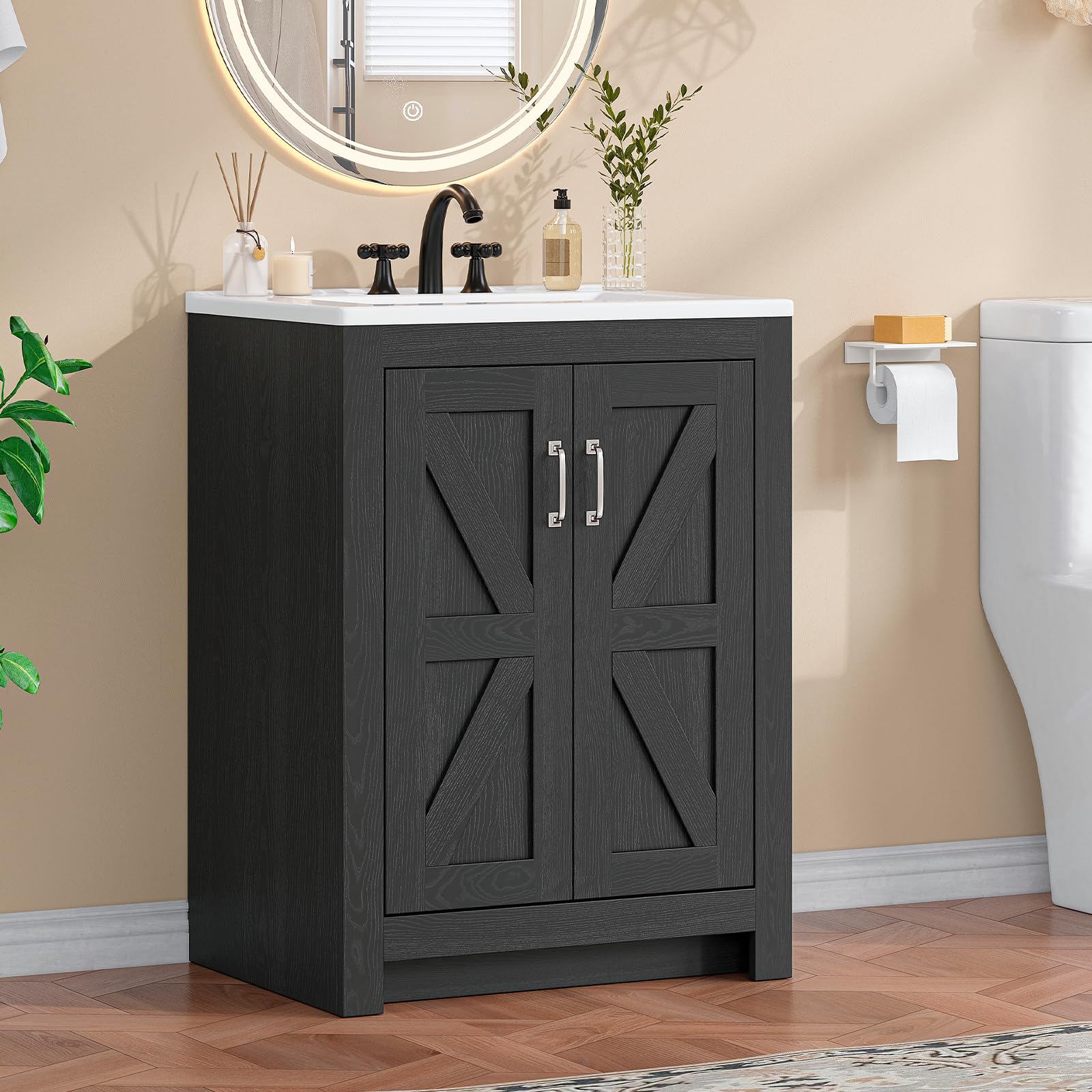

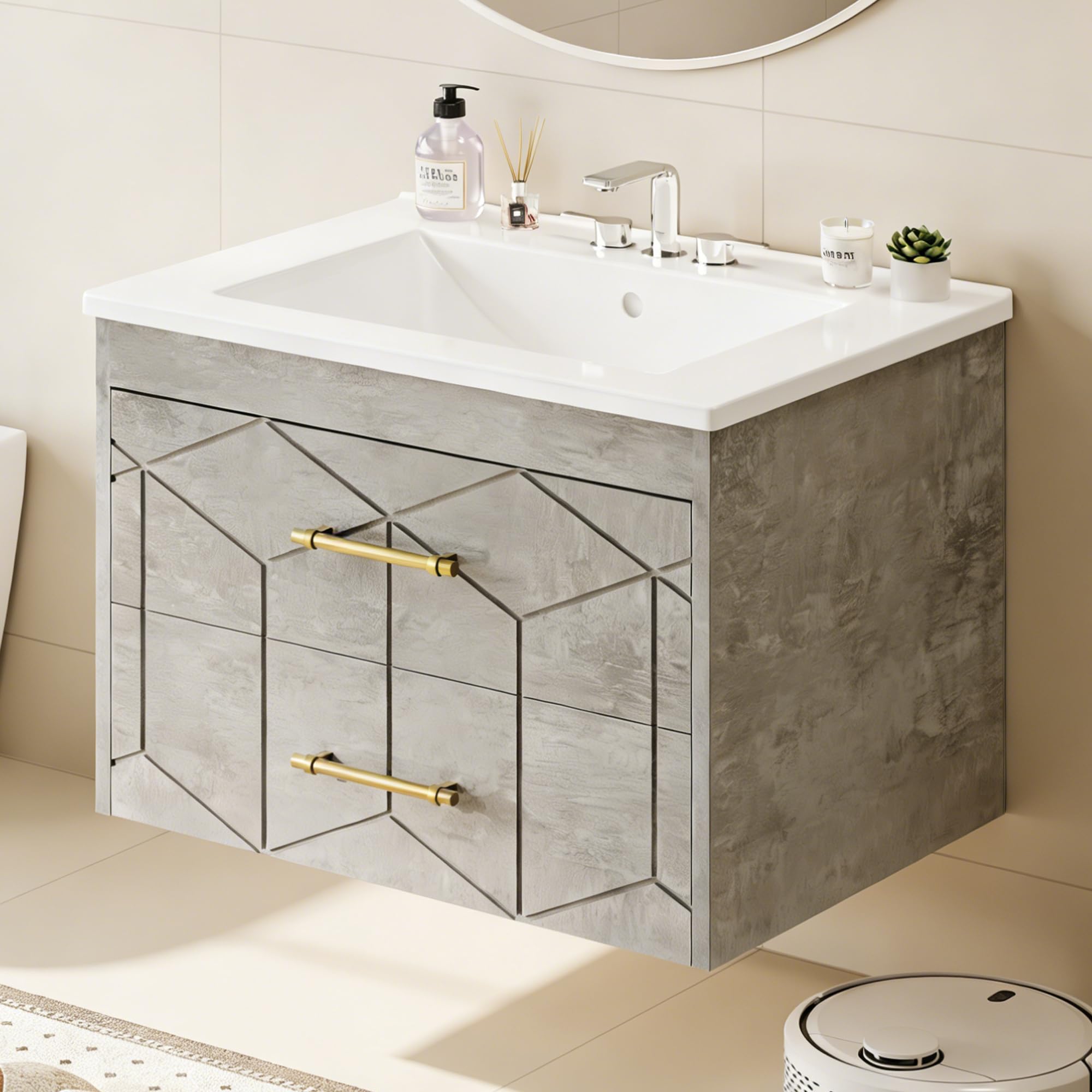


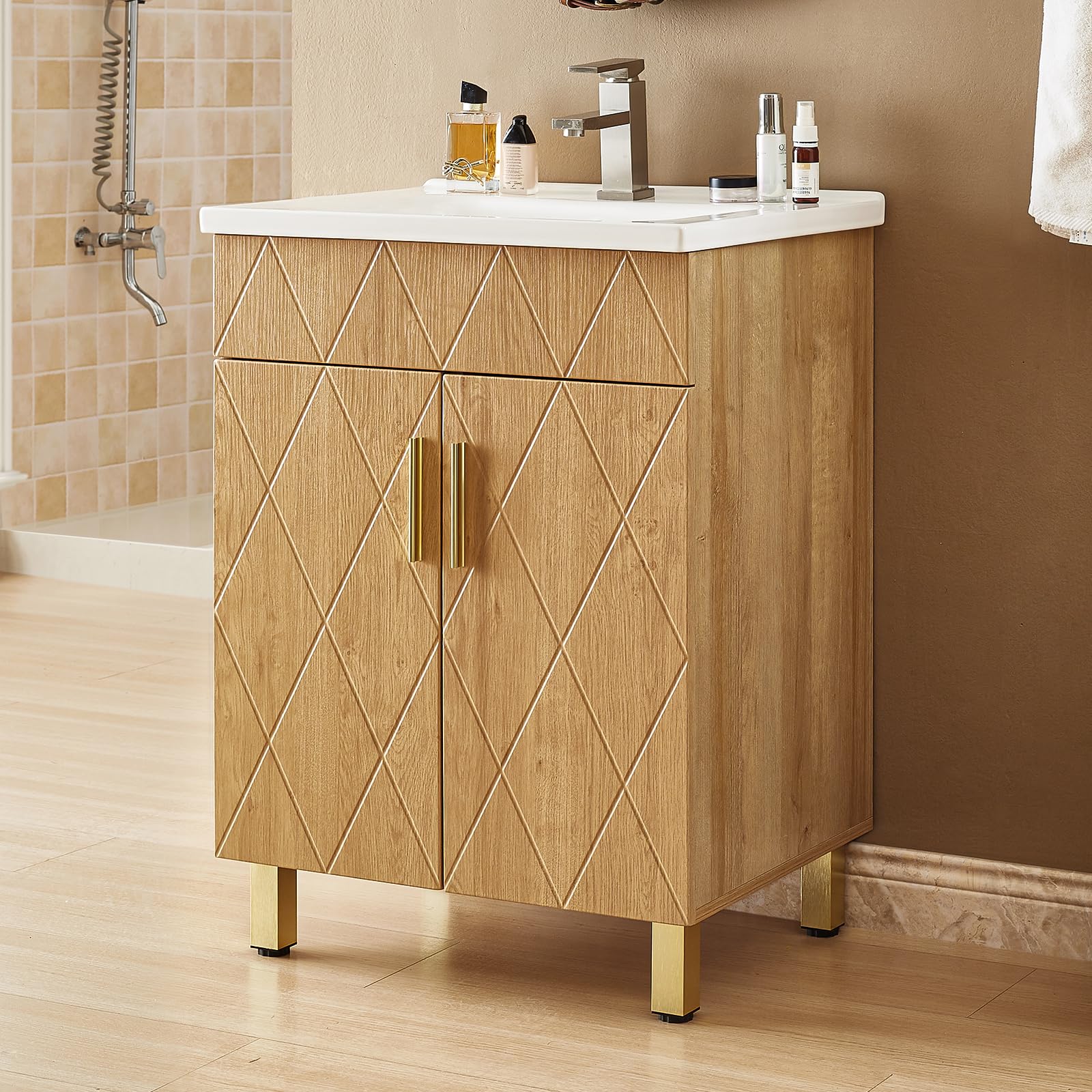
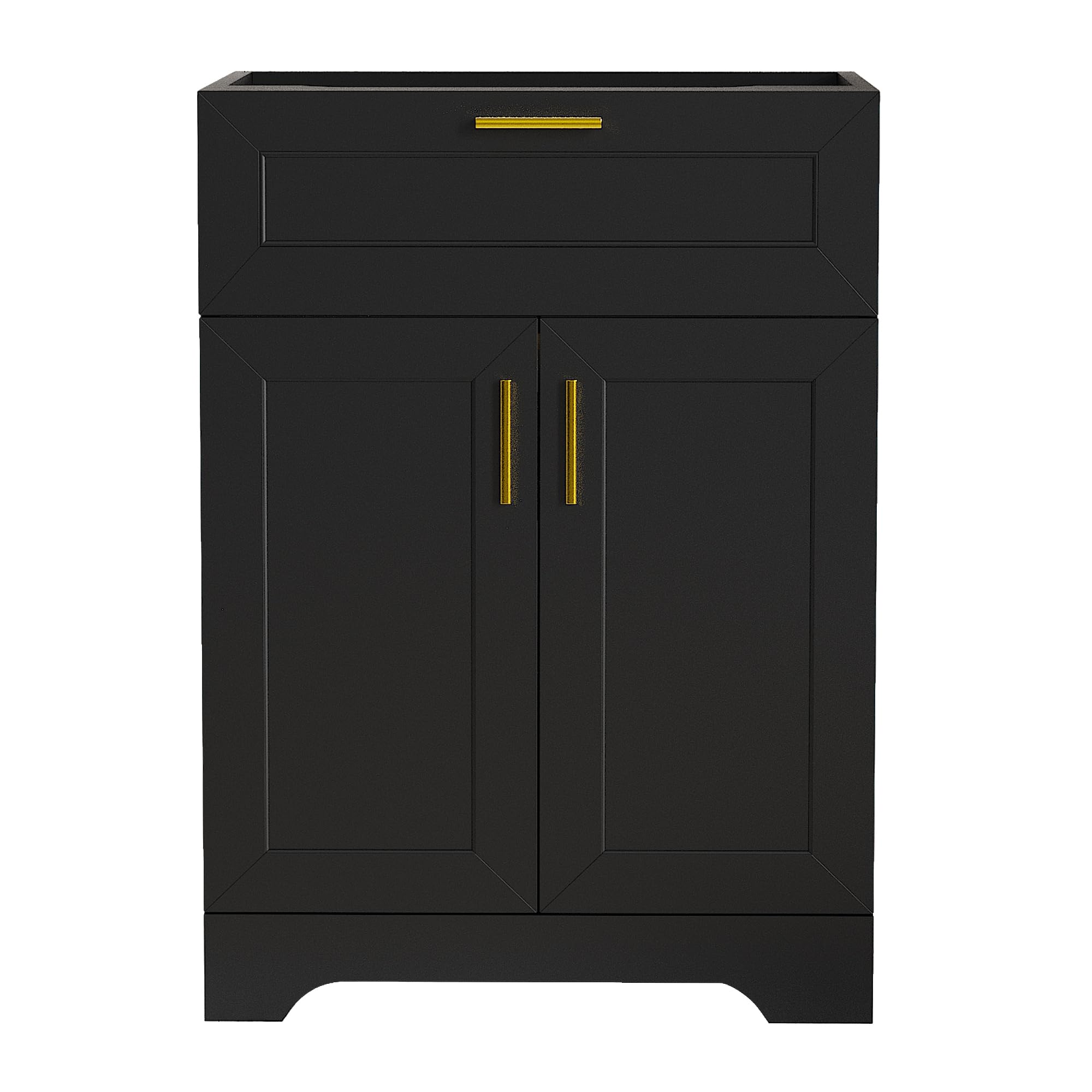
Three Types of 24 Inch Vanities to Compare
Instead of named picks, compare by type first. The type decides how the vanity installs, how much floor you see, and how storage works daily.
Freestanding Vanities on Legs or a Solid Base
A freestanding vanity rests on the floor, either on legs or on a full base that reaches the floor along each side. It is usually the easiest type to install because it does not need wall studs to carry its weight, and the plumbing can often connect with fewer changes. Legs leave a small gap underneath that makes a tiny room feel more open and lets you clean beneath it. A full base hides pipes and dust but can look heavier in a very small space.
Floating Vanities That Mount to the Wall
A floating vanity attaches to wall studs and leaves the floor fully visible below it. That open floor area makes a powder room or half bath feel larger and makes mopping simple. The trade off is installation. The wall must be strong enough, the mounting rail must hit studs or solid blocking, and the drain often needs to sit at a precise height. Storage is usually drawers rather than doors, and total storage volume tends to be a little lower than a floor model of the same width.
Cabinet Vanities with Doors, Drawers, or Both
Many 24 inch models use a cabinet layout with one or two doors, sometimes paired with a drawer above or below. A door cabinet gives one large open space that suits tall bottles and cleaning supplies, though items at the back can be hard to reach. Drawers keep small items sorted and visible, but a drawer around the drain must be shaped to clear the trap. A mix of one drawer and one door often balances both needs in a single user bathroom.
Criteria Used in This Guide
The criteria here come from manufacturer spec sheets, standard plumbing dimensions, and patterns in verified buyer reviews for compact vanities. They weigh daily comfort, build quality, true fit, storage access, assembly effort, and warranty cover. Use them to judge any listing, since the same 24 inch label can hide real differences in depth, height, and usable storage.
How to Choose the Right Bathroom Vanity
Size and Form Factor
Measure the wall space in inches and write down the width, the depth you can spare, and the clearance for the door and for any toilet nearby. Listed width can vary by about half an inch between makers, and the top can overhang the cabinet slightly. Depth commonly runs about 18 to 22 inches, and a shallower cabinet helps when the walkway is tight. Check that drawers and doors open fully without hitting a tub edge, a radiator, or the bathroom door.
Height, Depth, and Daily Comfort
Height is the comfort factor buyers most often skip. Many vanities stand about 32 to 36 inches tall once the top and sink are counted. Taller users and anyone who dislikes bending may prefer the upper end of that range, while a lower height can suit kids and shorter adults. Counter depth also affects reach. On a deep top, the faucet sits farther back, so check that shorter users can reach the handles without leaning across a wet counter.
Storage Layout and Access
List what you actually store before you choose a layout. Daily items such as a toothbrush, soap, and skin care fit best in a shallow top drawer or on the counter. Taller bottles, spare towels, and cleaning products need a door cabinet with clear height. Look for a cabinet interior photo in the listing and note where the drain cuts through the space. A layout that looks large in the headline photo may lose a third of its usable volume to plumbing.
Materials and Durability
Cabinet bodies are usually solid wood, plywood, or medium density fiberboard with a surface finish. Plywood and solid wood tend to handle bathroom moisture better over time, while fiberboard costs less but can swell if water sits on a damaged edge. If wood is your priority, compare the options in our guide to the best wood bathroom vanity before you decide. Top materials include ceramic, engineered stone, and resin. Ceramic resists stains well, stone feels solid and heavy, and resin tops often mold the sink into one piece.
Sink, Top, and Faucet Fit
Some 24 inch vanities include a top and sink, while others sell the cabinet only. A set saves matching work, but check the faucet drilling before you order a faucet. Tops come drilled for a single hole, for holes spaced 4 inches apart, or for holes spaced 8 inches apart, and some arrive undrilled. Vessel sinks sit on top of the counter and raise the total height, while undermount and integrated sinks keep the profile lower and give you a flat surface that wipes clean in one pass.
Assembly, Installation, and Warranty
Check what arrives assembled. Some cabinets ship fully built, others need the doors, hardware, and top fitted at home, and a heavy stone top may need two people to lift safely. Most 24 inch vanities weigh enough that you should plan for help moving the box indoors. Read the warranty for what it covers, such as finish defects or hardware failure, and how long it lasts. Keep the receipt and the model details, since a claim usually needs proof of purchase.
How Much Should You Spend?
Budget models at about $200 or under usually use fiberboard, basic hardware, and a resin or thin ceramic top. Spending about $200 to $500 often gets plywood construction, smoother drawers, and a thicker top. Above about $500, you are mostly paying for solid wood, stone tops, and better finish work rather than more storage, since the footprint stays the same. Set your budget after you price the faucet, drain parts, and any plumbing changes, because those extras sit outside the vanity price.
Is a 24 Inch Bathroom Vanity the Right Size for You?
This size fits best in a powder room, a half bath, a small guest bath, or a narrow main bathroom where one person uses the sink at a time. It gives one sink, modest counter space, and enough storage for daily basics without crowding the room. If your space is tight by design, the focused options in our guide to the best small bathroom vanity show how compact models differ in depth and storage.
Size up if two people need to get ready at once, if you want wide counter space for styling tools, or if the room is large enough that a 24 inch cabinet would look lost on the wall. In those cases a best 36 inch bathroom vanity adds counter room and a second storage column while still using one sink. Measure first, because a wider cabinet also needs wider plumbing clearance and more door swing room.
Common Mistakes to Avoid
- Trusting the headline width only. The top can be wider than the cabinet, so a vanity that should fit can end up pressed against the wall or trim.
- Ignoring the drain position. A drawer or shelf placed where your drain and trap sit may not close or fit at all once plumbing is connected.
- Ordering the faucet before the top. Hole spacing on the top decides which faucet style fits, and changing the order can force a return.
- Mounting a floating vanity into drywall alone. The cabinet plus a filled sink is heavy, and anchors without studs or blocking can pull loose over time.
- Forgetting the door swing. A cabinet door or deep drawer that hits the bathroom door or toilet makes daily use frustrating from day one.
How to Make Your Vanity Last Longer
Wipe standing water off the top and cabinet front after use, since seams and edges are where moisture does the most damage. Run the exhaust fan during and after showers, and check the drain connections under the sink a few times a year for slow drips. For step by step methods by finish type, see our notes on how to clean a bathroom vanity.
FAQ
What is the best 24 inch bathroom vanity?
The right answer depends on your plumbing position and storage list, not on a single model. Start with the type that suits your wall and floor, then filter by true depth and cabinet material. One extra check helps: confirm the return window covers the delivery period, because a vanity is bulky to send back and you may not spot a fit problem until the box is open and the old unit is out.
What size bathroom vanity do I need?
Measure your wall, then subtract a little breathing room on each side so the top does not scrape paint during install. A useful rule is to keep at least 15 inches from the center of the sink drain to any side wall, which building codes in many areas treat as a minimum. If your measured space falls between sizes, choose the smaller cabinet and fill the gap with a small shelf rather than forcing a tight fit.
How long does a bathroom vanity last?
A plywood or solid wood vanity in a vented bathroom often serves for many years, while fiberboard in a damp room tends to show edge swelling sooner. One factor buyers overlook is the finish around the sink cutout, where water exposure is constant. If that edge is sealed and smooth rather than rough or bare, the cabinet below is far better protected. Replacing worn faucet seals early also stops slow leaks that quietly shorten cabinet life.
Is a bathroom vanity worth it?
For a worn or water damaged cabinet, yes, because the vanity is the main storage and work surface in a small bathroom. It is less worthwhile as a pure style change if your current cabinet is sound, since plumbing and top fitting add cost beyond the cabinet itself. A cheaper middle path is to keep a solid cabinet, replace the top and faucet, and add new handles for a fresh look at a fraction of the total project cost.
How do you clean a bathroom vanity?
Start with a soft cloth and warm water for daily marks, and dry the surface right after so water does not sit in seams. For toothpaste and soap film, a small amount of mild dish soap in water usually lifts the residue without harming paint or stone sealers. Avoid vinegar on natural stone, since acid can dull the surface. Clean the cabinet interior too, and let it air dry before you put bottles back, which keeps trapped moisture down.
What is the most reliable bathroom vanity brand?
No single brand is most reliable across every price level, so judge the build details you can verify instead. Look for clear material specs, a stated warranty you can read before buying, replacement hardware that the maker sells, and consistent buyer reports about doors arriving aligned. A maker that publishes full dimension drawings, including the plumbing cutout, is also easier to trust, because that openness helps you confirm fit before the cabinet reaches your home.
Final Thoughts
A 24 inch vanity rewards careful measuring more than any other choice in a small bathroom remodel. Compare the types in the product table above, confirm depth, height, and drain position, and pick the material that matches your budget and humidity level. Chosen that way, the best 24 inch bathroom vanity for your home will fit the wall, hold your daily basics, and stay sound for years. For the full decision process, read our bathroom vanity buying guide before you order.