Best 22 Ft Ladder in 2026: Buying Guide and Top Picks
Disclosure: We may earn a commission when you buy through links on this page, at no extra cost to you. As an Amazon Associate I earn from qualifying purchases. Learn more
What to look for in the best 22 ft ladder: the main types, key features, realistic price ranges and mistakes to avoid before you order.
A 22 ft ladder sounds simple until you start comparing labels. On one model, 22 ft describes the length of the rails. On another, it describes the tallest height you can reach while standing near the top. Picking the wrong meaning can leave you short of the roof edge or stuck storing a ladder that barely fits your garage. This guide to the best 22 ft ladder options sorts out the sizing, the ladder types, and the specs that actually matter.
The product table below the intro lets you compare current models by reach, weight, and storage size.
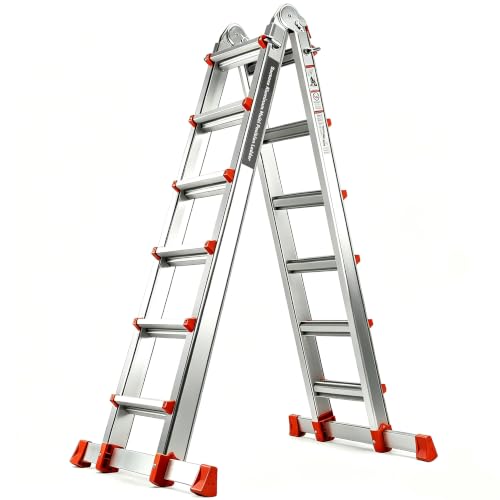
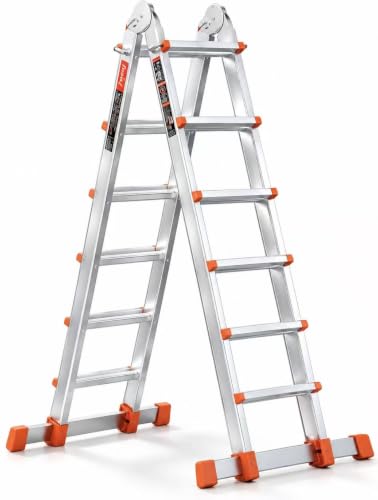
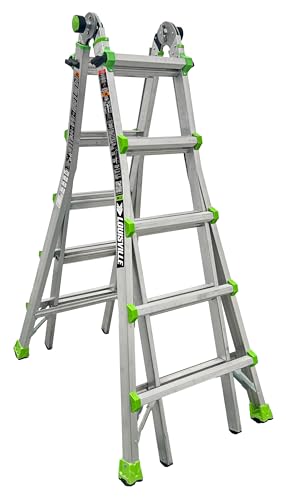
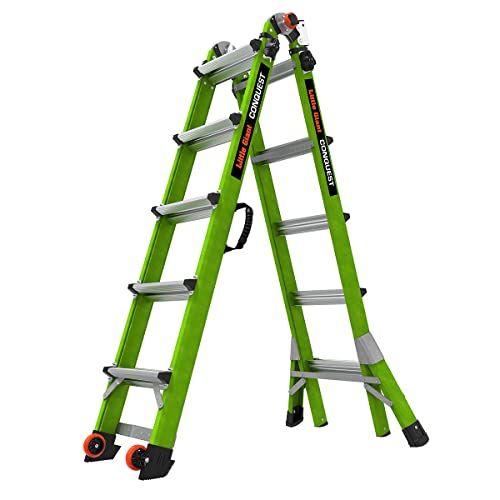
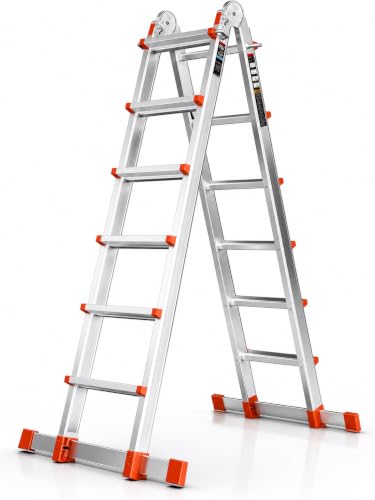

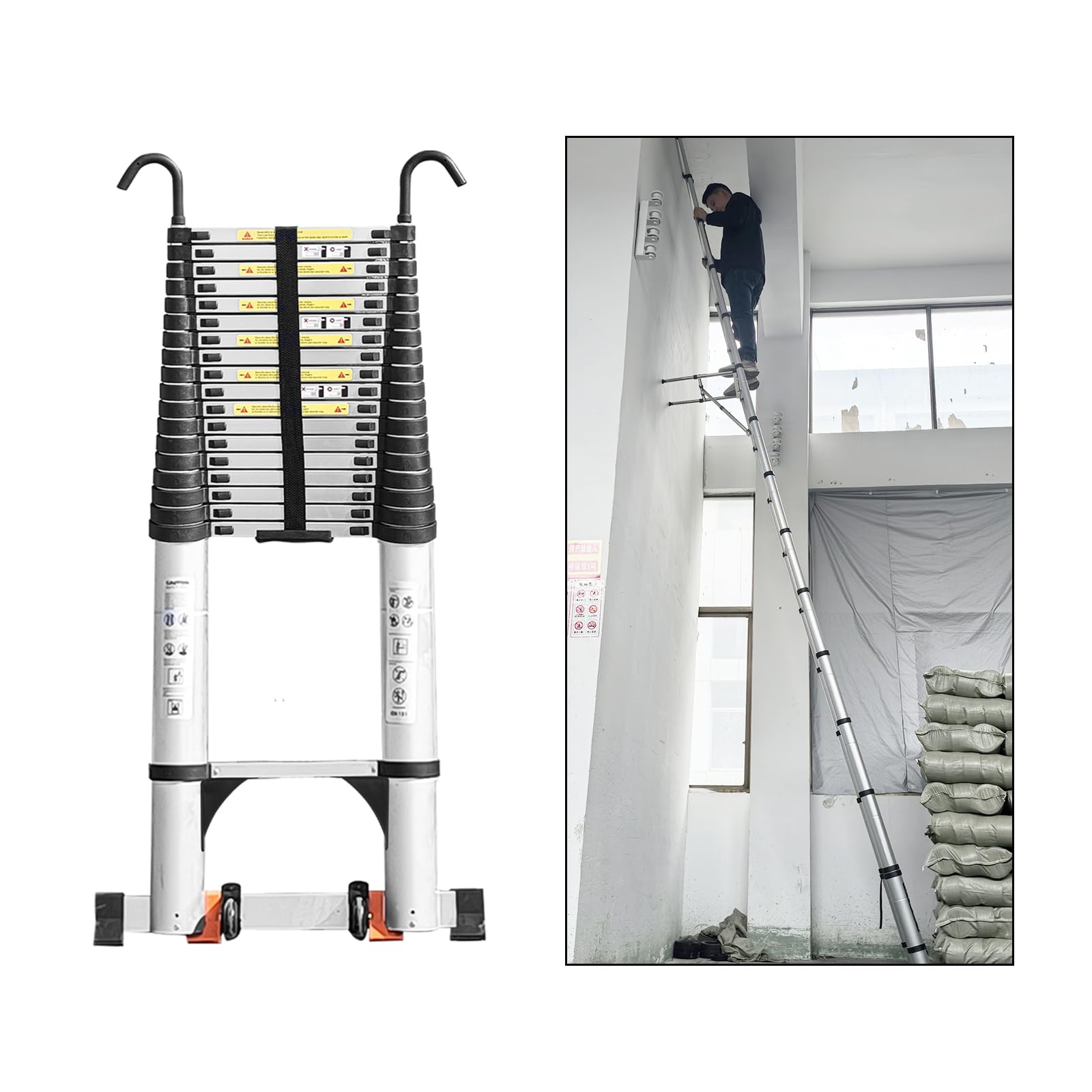

22 ft Ladder Types at a Glance
Three designs cover nearly every 22 ft need. A straight extension ladder gives you the most working height for outdoor jobs against a wall or roof. A multi position ladder folds into several shapes, so one ladder handles stairs, interiors, and outdoor work. A tall step ladder suits flat ground and open rooms, but at this size it is bulky and less common.
Ladder Types Compared
Extension ladders
An extension ladder has two sections that slide past each other and lock at the height you need. You lean it against the house, a tree, or another solid surface, so it cannot stand on its own. This design delivers the longest reach in the 22 ft class and stays fairly light for its height. It is the natural pick for gutters, roof edges, siding, and second floor windows. The trade off is that every job needs a stable wall to lean on and level ground at the base.
Multi position ladders
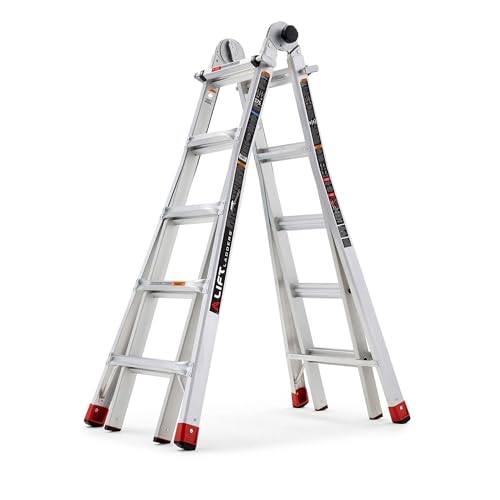
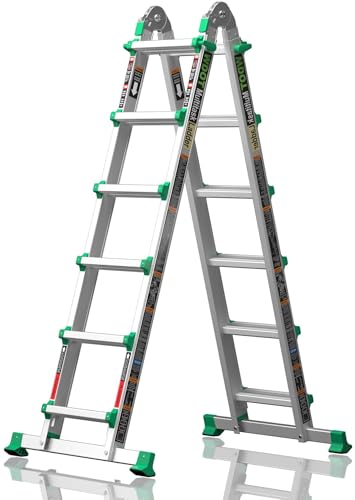
A multi position ladder uses hinged joints so it can work as a step ladder, an extension ladder, a stairway ladder with uneven legs, or a scaffold base with a plank. That flexibility is why this style dominates the 22 ft category for homeowners. The hinges and extra hardware make it heavier than a plain extension ladder of similar reach. If you want one ladder for many jobs and can handle the weight, this is usually the most practical route.
Telescoping and step designs
A telescoping ladder collapses section by section into a short package that fits in a closet or car trunk, which suits apartment owners and anyone without a garage. If compact storage matters most, compare the options in our guide to the best telescoping ladder before you commit to a full size frame. Tall step ladders in this class stand on their own and give you a stable platform on flat floors, but they are wide, heavy, and hard to move through doorways.
Who Should Buy a 22 ft Ladder?
Owners of two story homes
You need to reach gutters, eaves, and second floor windows without hiring help for every small job. A 22 ft class ladder covers most two story eaves with room to spare, and an extension or multi position design lets you adjust the height for each side of the house.
Homeowners with tall interiors
Vaulted ceilings, stairwells, and high foyer lights call for reach indoors plus legs that adjust to steps. A multi position ladder set on a staircase solves jobs a straight ladder cannot.
Confident do it yourself owners
If you paint, hang lights, trim trees, and clean your own gutters, one ladder in this size class replaces several smaller ones. You should be comfortable carrying a fairly heavy ladder and working with both hands while standing high off the floor.
How to Choose the Right 22 ft Ladder
Reach and working height
Start with the height you must touch, not the number on the box. Extension ladders lose length where the two sections overlap, and you lose more height once the ladder leans at a safe angle. The surface you work on should sit at least 3 ft below the top of the rails when the ladder extends past a roof edge, because those rails act as handholds while you step on and off. Multi position models rate 22 ft as maximum reach, meaning the highest point an average adult can touch, not the height of the ladder itself. If your target sits near the limit, size up rather than stretch.
Fiberglass or aluminum
Material decides weight, stiffness, and where you can safely work. Aluminum is lighter and resists rust, so it is easier to carry and fine for most outdoor chores away from power lines. Fiberglass weighs more but does not conduct electricity when it is clean and dry, which matters near service drops and outdoor wiring. Our breakdown of fiberglass vs aluminum ladder materials walks through cost, care, and lifespan in more depth. Either material can be strong, so judge the duty rating and build quality rather than the material alone.
Duty rating and load capacity
The duty rating tells you the total weight the ladder is built to carry, including you, your clothes, and every tool you take up. Standard ratings run from about 200 pounds for light duty models up to 375 pounds for the heaviest duty class. Most homeowners should choose at least a 250 pound rating, and a 300 pound rating buys a firmer feel underfoot along with a margin for tool belts and buckets. Stay well under the rating, because a ladder loaded near its limit flexes more and feels less secure.
Weight, storage, and transport
A 22 ft class ladder is a big object, and its folded or closed length decides where it can live. Measure your storage spot before ordering, and check whether the ladder fits along a garage wall or in a shed. Weight matters just as much. A model you struggle to lift is one you will set up carelessly, and multi position designs in this class can weigh around 40 to 50 pounds. Wheels on one end and a comfortable carry handle make a real difference over years of use.
Features worth paying for
Look for wide slip resistant feet that pivot to sit flat on the ground, rungs with a grippy surface, and locks that click into place with a clear sound so you can confirm them before climbing. A built in level bubble, leg levelers for sloped ground, and a top cap with slots for tools and a paint can all earn their cost on real jobs. If most of your work is at lower heights, our picks for the best ladder for home use cover shorter and lighter options.
How much should you spend?
Expect to pay about $150 to $250 for a basic aluminum extension ladder in this size, and about $250 to $400 for a multi position model or a fiberglass extension ladder with a high duty rating. Lower prices usually mean a lower load rating and thinner rails, which shows up as flex when you climb. Spending more mainly buys stiffness, better locks, and levelers or wheels.
Is a 22 ft Ladder the Right Size for You?
For a typical two story house with eaves around 16 to 20 ft off the ground, yes. This size reaches most gutters and roof edges while staying manageable to carry and store. It is more ladder than a one story home needs, where a shorter model is lighter, cheaper, and easier to set up for the same gutter line. It can also fall short on homes with tall foundations, sloped lots, or eaves well above 20 ft, because the safe working height is always less than the headline number. If your main jobs involve attic access rather than exterior walls, note that a dedicated pull down attic stair is a different product entirely.
Setting Up and Using a 22 ft Ladder Safely
Place the base on firm, level ground and angle an extension ladder so the base sits out about one quarter of the working length from the wall. Keep three points of contact as you climb, face the ladder, and keep your belt buckle between the rails instead of leaning out to the side. Never stand on the top three rungs of an extension ladder or the top cap of a step ladder. Our step by step guide on how to use a ladder covers footing on soft ground, tying off, and working near doors and walkways.
Common Mistakes to Avoid
- Buying by the headline number alone, then finding the real working height falls short of your gutters.
- Standing on the top rungs or top cap, which removes your handhold and makes a fall far more likely.
- Setting the base on soft soil, loose gravel, or a slope without levelers, so the ladder shifts as you climb.
- Carrying tools in your hands instead of using a tool belt or hoist line, which breaks your grip on the rails.
- Leaning far to one side to reach a spot instead of climbing down and moving the ladder.
- Using a metal ladder near overhead power lines, where one careless tilt can bring the rails into contact with a live wire.
How to Make Your Ladder Last Longer
Inspect the rails, rungs, locks, and feet before each use, and retire the ladder if a rail is bent, a rung is loose, or a lock no longer engages fully. Wash off mud, paint, and cement with water and a mild soap, then dry the ladder before storing it, since grit in the sliding sections and hinges can jam the locks. Store it indoors or under cover, away from sun and road salt. A drop of lubricant on hinges and locks once or twice a year keeps them moving freely.
FAQ
What is the difference between reach height and ladder length on a 22 ft ladder?
Ladder length describes the physical size of the product, while reach height adds your own height and arm length to the highest rung you should stand on. That is why two ladders both sold as 22 ft can put your hands at different heights. When you compare listings, look for the stated maximum reach and the height of the highest safe standing level, and judge the ladder by those two numbers rather than the name.
Can one person set up and move a 22 ft ladder alone?
Yes, with the right technique, though it takes practice. Raise an extension ladder by walking it up hand over hand against the wall, and carry a folded multi position ladder at its balance point. Work on calm days, because a long ladder catches wind like a sail while you raise it. If the weight feels unmanageable in the store, choose a lighter model.
Can a 22 ft ladder be used on stairs inside a house?
Only a multi position ladder is built for that job, since its legs adjust to different lengths and lock so the rungs stay level across the steps. A standard extension ladder or step ladder should never be propped on stairs or balanced on boxes to even out the legs. Check the locks with your weight on the lowest rung, and keep the stairway clear while you work.
How long does a 22 ft ladder last?
A well kept aluminum or fiberglass ladder often serves for many years of home use, and there is no fixed expiry date. Lifespan depends on storage, impacts, and how often it works at full extension. Sunlight slowly weakens fiberglass that lives outdoors, and a single drop onto concrete can damage rails or locks in ways that are not always visible. Retire the ladder after any visible crack.
Is a 22 ft ladder worth buying instead of renting one?
It is worth it if you clean gutters, hang lights, or paint on a regular cycle, because rental fees add up fast and rental ladders are often heavy commercial units. Owning also means the ladder is there for urgent jobs like a leak or a fallen branch. If you need this height once for a single project, renting costs less and skips the storage problem. Our wider best ladder guide compares ownership across sizes.
Final Thoughts
The right choice comes down to three checks: the true working height against your eaves, a duty rating with real margin above your weight plus tools, and a folded size and weight you can handle alone. Match those, and any well built model in this class will serve you for years. Look back at the product table above to compare the types side by side, and pick the best 22 ft ladder for the jobs you actually do rather than the tallest number on the box.