
Best 20x50 Binoculars: Buying Guide for 2026
Disclosure: We may earn a commission when you buy through links on this page, at no extra cost to you. As an Amazon Associate I earn from qualifying purchases. Learn more
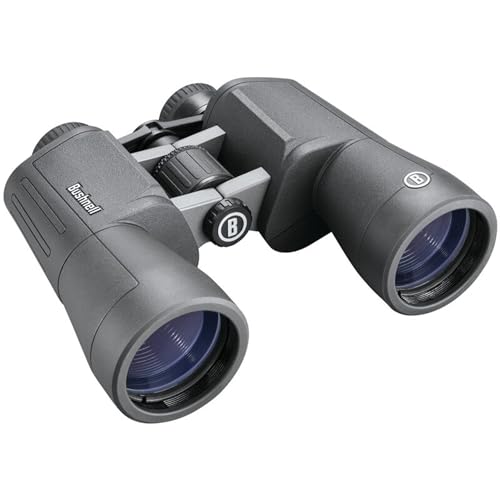
Learn how to choose 20x50 binoculars for the sky, sports and open views, covering optics, shake, eye relief, weight and what good value looks like.
Choosing the best 20x50 binoculars is less about chasing the biggest magnification number and more about understanding what that power demands from you. At 20x, distant detail looks impressively close, but shake, narrow views, and dim images at dusk can surprise new buyers. This guide explains the tradeoffs in plain terms.
Start with the comparison table below to see how models differ in weight, eye relief, field of view, and weather sealing. Then read on to learn which differences matter for the sky, for sports, and for open country viewing.


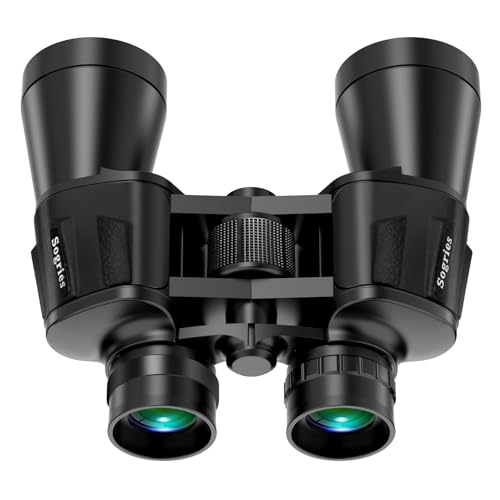
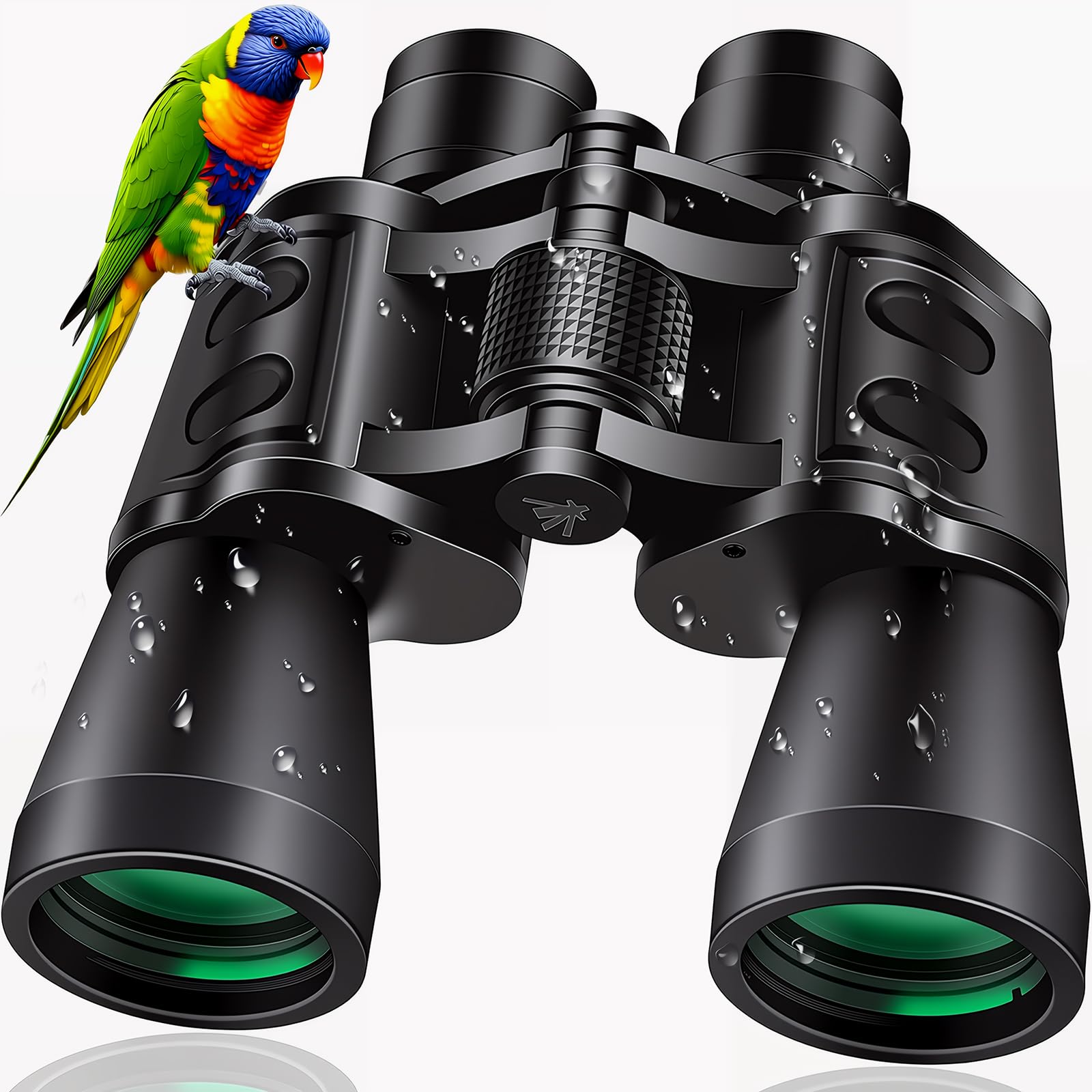

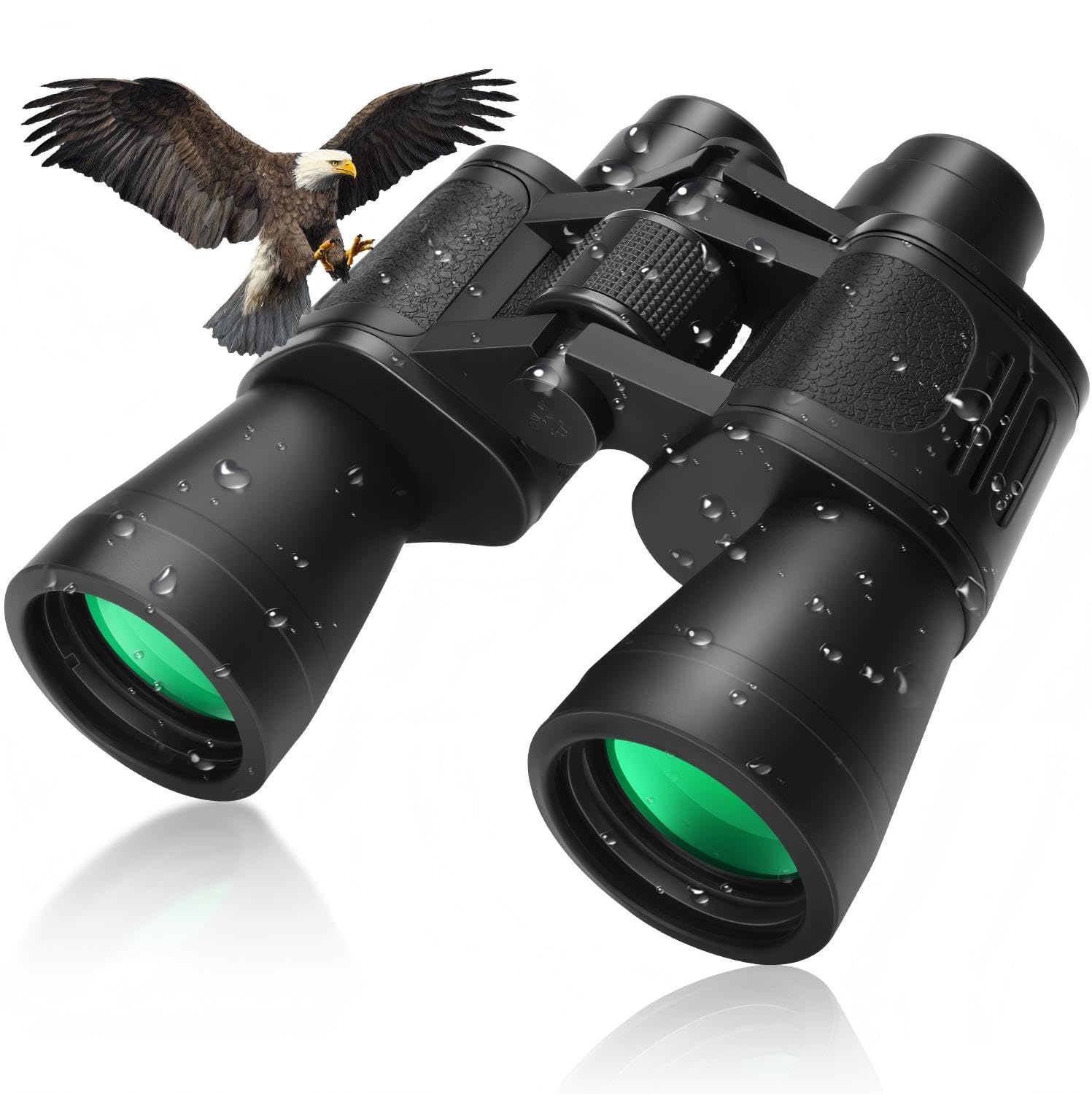

Who Should Buy 20x50 Binoculars?
This size suits patient viewers who watch distant subjects from one spot rather than following fast action on foot. Readers who want a broader starting point can see our guide to the best rated binoculars before narrowing down to this powerful but demanding format.
Sky Watchers Who Want a Simple Start
You want to explore the Moon, star clusters, and bright planets from a porch or yard without setting up a telescope. A 20x50 pair shows lunar craters and the moons of Jupiter on clear nights. Because you view from home, weight matters less, and you can rest the binoculars on a railing or tripod for the steady view this power needs.
Viewers of Distant Sports and Airshows
You sit far from the action and want faces, jersey numbers, and aircraft details to feel much closer. From a fixed seat, a 20x50 pair brings the far end of a field or a distant flyover into clear view, and you can brace your elbows to limit shake. It is a poor fit for following a ball in play, since the narrow view makes fast movement hard to track.
Open Country and Coastal Watchers
You watch boats, shorelines, grazing animals, or targets across open ground where subjects stay far away and move slowly. Here the reach of 20x earns its keep, because there is little nearby detail to lose inside the narrow field. A sturdy strap and a small tripod in your bag make long sessions comfortable.
How to Choose the Best 20x50 Binoculars
The product table above lists the core numbers for each model, but the numbers only help once you know how they feel in use. The factors below decide whether a 20x50 pair delights you or frustrates you.
What the Numbers 20 and 50 Really Mean
The first number is magnification, so a subject appears 20 times closer than it looks to your unaided eyes. The second number is the objective lens diameter in millimeters, and 50 mm lenses gather a fair amount of light while keeping the body manageable. This pairing is fixed, unlike a zoom model that changes power, and fixed power usually gives a cleaner image at this price level.
Exit Pupil and Brightness in Low Light
Divide the objective size by the magnification and you get the exit pupil, which is 2.5 mm for every 20x50 model. That small exit pupil means the image looks bright in daylight but dims quickly at dawn, at dusk, and under heavy cloud. Your pupils widen as light falls, so a small exit pupil soon delivers less light than your eyes could accept.
Field of View at High Magnification
Field of view shrinks as magnification rises, and most 20x50 models show about 150 to 200 feet across at 1,000 yards. That narrow window is plenty for a perched hawk, a boat, or the Moon, but it makes finding your subject the hardest part of using the binoculars. A practical habit is to note a landmark with your bare eyes first, then raise the binoculars without looking away.
Prism Type and Lens Coatings
Most 20x50 models use a Porro prism layout, which gives the body its wide, offset shape and often delivers strong depth and value for the price. Glass grade matters too, with BaK4 prisms generally passing light more cleanly than BK7 prisms. Fully multi coated lenses improve contrast and reduce glare in bright sun.
Eye Relief, Focus, and Close Focus
Eye relief is the distance your eyes can sit from the eyepieces while still seeing the full view, and glasses wearers should look for about 15 mm or more. Many 20x50 models offer less, so check this number carefully if you wear glasses. A center focus wheel is easiest for shared use, while individual eyepiece focus suits fixed distant viewing. Close focus is long on this size, often around 20 to 30 feet, so nearby birds will not focus at all.
Weight, Shake, and Tripod Support
Every small hand movement is magnified 20 times, so a shaky image is the most common complaint with this size. Most models weigh about 28 to 36 ounces, enough to tire raised arms within minutes, and image stabilization is rare and costly in this format. Look for a tripod adapter socket on the front hinge, usually hidden under a small cap. Mounted on a tripod or monopod, the same binoculars become far sharper in practice.
Porro Prism and Roof Prism Designs Compared
Nearly every model in this size is a full size binocular in the classic Porro shape, and that is a strength rather than a flaw. The wide set objective lenses give a strong sense of depth, and the design is affordable to make well.
Full Size Binoculars and What They Do Best
Full size binoculars carry larger objective lenses that support higher magnification and better dusk performance than smaller formats can manage. A 20x50 pair suits viewing from a porch, a vehicle, a boat, or a bench at the range. The tradeoff is bulk, since a wide Porro body will not slip into a jacket pocket.
When Compact Binoculars Make More Sense
Compact binoculars use objectives around 25 mm, so they cannot deliver a bright 20x image, and compact models stay at lower power for good reason. To compare smaller options, see our guide to the best rated compact binoculars and weigh reach against pack size honestly.
Picking the Right Pair for Different Uses
Your main use should settle the features you pay for. Sky watchers need tripod support and good coatings. If birds are your main interest, read our guide to the best binoculars for birdwatching as well, because most birders are happier at 8x or 10x with a much wider field.
Best 20x50 Binoculars for the Money
Value at this size comes from clean optics and solid mechanics, not from long feature lists. Spend on BaK4 prisms, fully multi coated lenses, and a focus wheel that moves without grit or wobble, since these shape every viewing session. Models at around $100 usually cover those needs well, while very cheap models often arrive with alignment problems that cause eyestrain. A padded case, a real tripod socket, and a clear warranty add more lasting value than extra accessories in the box.
For Astronomy and the Moon
Choose the model with the best coatings and a tripod socket, then plan to observe from a reclined chair or with the binoculars mounted. The Moon, the Pleiades, and sweeping views along the Milky Way all reward the 20x reach on dark, clear nights. A model that holds focus firmly matters here, because refocusing with cold hands quickly becomes annoying.
For Ranges, Stadiums, and Open Land
At the range, a mounted 20x50 pair lets you check targets without walking downrange after every round. Hunters who glass open basins from a single vantage point face the same steady, distant viewing task, and they can compare dedicated options in our guide to the best rated binoculars for hunting. For stadium seats, pick lighter models with generous eye relief.
Common Mistakes to Avoid
- Buying 20x power for close birding, so nearby birds fall inside the long close focus distance and never sharpen.
- Expecting a bright dusk image, so the small exit pupil leaves the view too dim for detail in fading light.
- Planning to hold the binoculars freehand for long sessions, so shake hides the fine detail you paid to see.
- Ignoring eye relief while wearing glasses, so the edges of the view disappear and the field feels cramped.
- Assuming higher magnification always means a clearer image, so poor glass at 20x looks worse than good glass at 10x.
- Skipping the tripod socket to save a little money, so you lose the simplest way to steady this powerful size.
How to Make Your 20x50 Binoculars Last Longer
Clean the lenses only when needed, starting by blowing or brushing away grit before any cloth touches the glass. Then use a clean lens cloth with gentle circular strokes from the center outward, since rubbing trapped grit across a coating can scratch it. Never use a shirt tail or tissue, which can hold abrasive dust. Keep the caps on between sessions, and store the binoculars in their padded case in a dry place at normal room temperature.
A case left in a hot car or a damp garage invites fogging inside the barrels and can damage seals over time. Weatherproof models with nitrogen filled barrels resist internal fog well, but seals and rubber armor still age faster in heat and harsh sun. Check alignment now and then by viewing a straight distant edge, such as a roofline, and relaxing your eyes. If the two images drift apart or eyestrain comes quickly, the pair may need professional service rather than home adjustment.
Frequently Asked Questions About 20x50 Binoculars
Can you hold 20x50 binoculars steady without a tripod?
Yes, for short looks, but technique matters more at 20x than at any common smaller size. Sit down, brace your elbows against your body or a rail, and hold the barrels rather than the far ends to reduce tremor. Short, relaxed glances show more detail than one long strained hold.
Are 20x50 binoculars good for astronomy?
Yes, they are a capable and affordable way to begin exploring the night sky. Beyond the Moon, they can split some double stars, show the Orion Nebula as a glowing patch, and reveal the Andromeda Galaxy from dark sites as a soft oval. Light pollution limits them more than size does, so a darker yard improves the view more than any accessory.
Are 20x50 binoculars bright enough at dusk?
They are usable at dusk for large, high contrast subjects, but fine detail fades sooner than it does in an 8x42 or 10x50 pair. Once light drops further, your eyes notice the small exit pupil and the image turns grainy and flat. If most of your viewing happens in the last half hour of light, a lower power size will serve you better.
How far can you see with 20x50 binoculars?
Distance alone does not set the limit, because target size, air clarity, and light matter just as much as power. On a clear day you can read a large sign from well over a mile away, spot ships many miles out at sea, and view mountains that are dozens of miles distant. Haze and heat shimmer over long ground distances soften detail long before magnification runs out.
Do 20x50 binoculars work well for people who wear glasses?
Yes, as long as the eye relief is long enough and the eyecups roll or twist down fully so your glasses sit close to the lenses. Try the diopter adjustment on the right eyepiece with your glasses on, since that setting balances the pair for your own eyes and often improves sharpness more than buyers expect. If the listed eye relief is under about 14 mm, expect a narrower view.
Final Thoughts
A 20x50 pair is a reach tool, best bought with clear eyes about shake, narrow field, and modest low light brightness. Match it to steady, distant viewing, insist on BaK4 glass, sound coatings, and a tripod socket, and it can serve you for years. Use the comparison table above to check those points model by model, and choose the best 20x50 binoculars for the viewing you actually do most.


