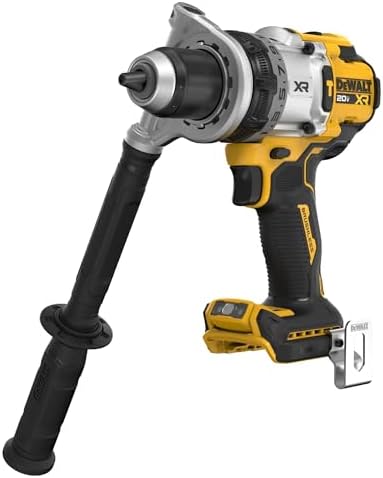
Best 20V Impact Driver in 2026: Buying Guide and Top Picks
Disclosure: We may earn a commission when you buy through links on this page, at no extra cost to you. As an Amazon Associate I earn from qualifying purchases. Learn more

What to look for in the best 20v impact driver: the main types, key features, realistic price ranges and mistakes to avoid before you order.
Driving long screws with a regular drill can twist your wrist, strip screw heads, and drain the battery before the job ends. An impact driver adds short bursts of rotational force as resistance builds, so fasteners seat with far less effort from you. If you want the best 20v impact driver for your home, this guide compares the main types on power and performance, battery platform and runtime, and ergonomics and weight. Use the product table below the intro to compare current models at a glance.
The 20v class delivers enough torque for deck screws and lag bolts while staying light enough for overhead work. Your real choice is the balance of torque, size, control, and the battery system you will live with for years.


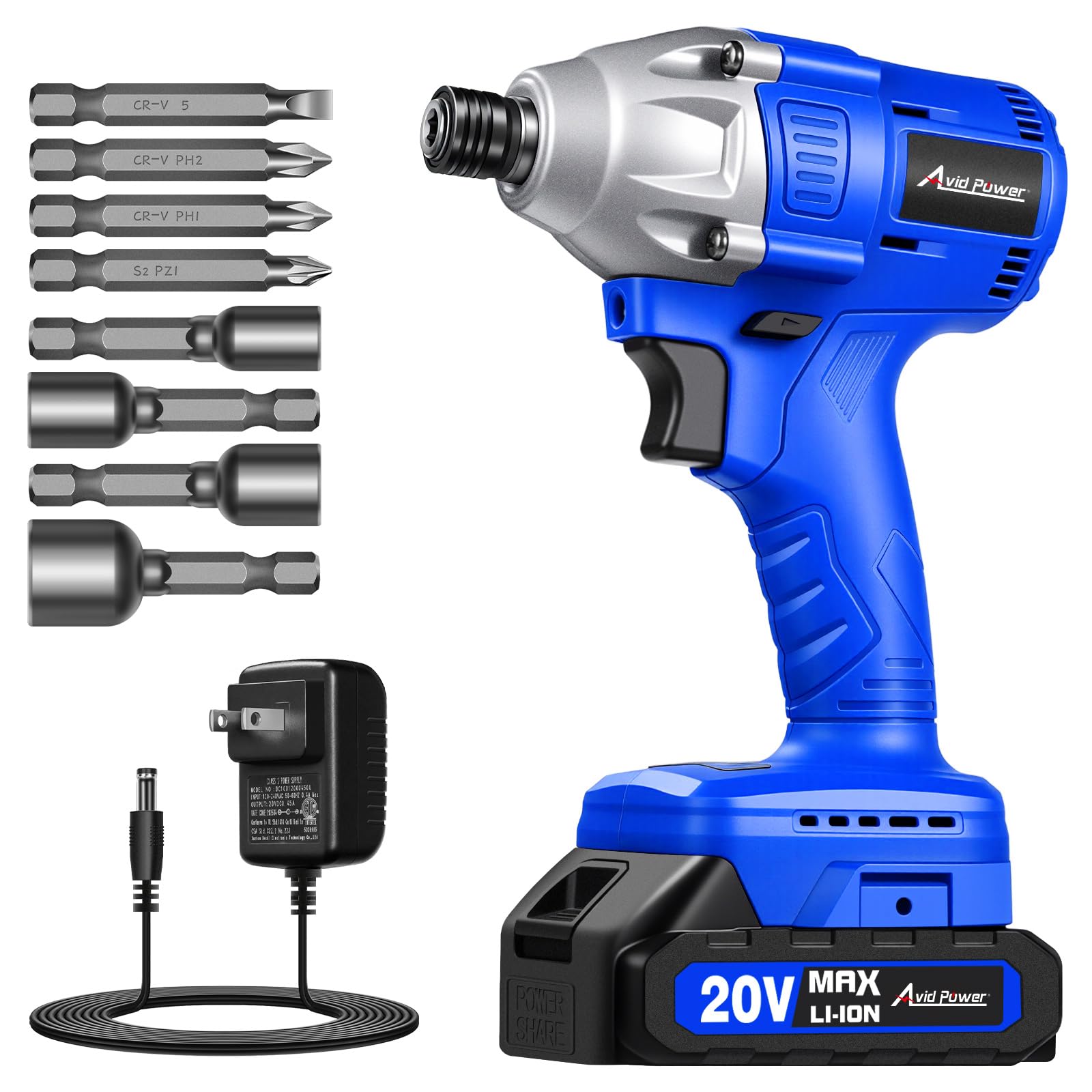

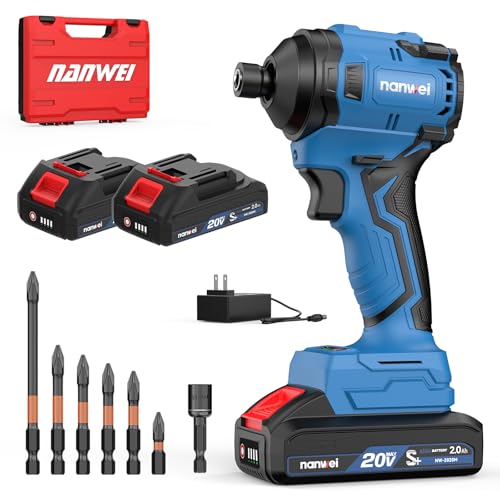
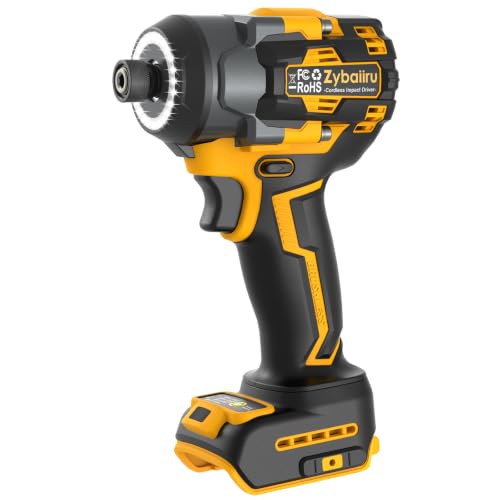
Who Should Buy a 20v Impact Driver?
Homeowners With a Growing Repair List
You fit this group if your weekends involve hanging shelves, fixing fences, or assembling furniture. A 20v model handles this range comfortably, and one battery can also run the drill and saw from the same platform. You will value a lower speed setting, which keeps small screws from sinking too deep into soft wood.
DIY Builders Working on Decks and Framing
Deck building and framing can mean hundreds of screws in one session. You need strong torque for structural screws and lag bolts, a battery that lasts a full afternoon, and a grip that stays comfortable when your hands tire. A full size brushless type usually fits you best.
Owners Working in Tight Spaces
Cabinets, closets, and appliance bays leave little room for a long tool body. If most of your projects happen inside finished spaces, a compact type earns its place. The shorter head lets you keep the bit straight instead of driving at an angle, a common cause of damaged screw heads. Our guide to the best compact impact driver goes deeper on size and head length.
Three Types of 20v Impact Drivers Compared
Rather than naming specific models, this guide compares the three types you will actually choose between. Matching the type to your work matters more than small differences in listed torque.
Full Size Brushless Type for Maximum Versatility
This is the default choice for most buyers. A brushless motor adjusts power to the load, runs cooler under strain, and usually gives you three speed settings. Torque is the highest of the three types, so structural screws and lag bolts are realistic work. The trade off is size and weight on long overhead sessions.
Compact Type for Cabinets and Confined Work
Compact models shorten the head and trim weight while keeping enough torque for cabinet hardware and deck boards. You give up some top end force for lag bolts and some runtime, since smaller tools often pair with smaller batteries. For indoor projects and smaller hands, that trade is usually worth it.
Hydraulic Type for Quiet Indoor Jobs
Hydraulic drivers use a fluid based impact system instead of a metal hammer and anvil. The result is much lower noise and a smoother feel, which matters in apartments and homes where others are nearby. Peak torque is lower, so large lag bolts are slow work. For trim and cabinetry, the quieter operation is a genuine daily gain.
How to Compare 20v Impact Drivers
Compare these tools on five criteria drawn from maker specifications and patterns in verified buyer feedback: power and performance, battery platform and runtime, ergonomics and weight, durability, and warranty coverage.
Key Features to Compare
Torque, Impact Rate, and No Load Speed
Torque tells you how much twisting force the tool can apply, and listings here often fall around 1,400 to 2,000 inch pounds. Higher numbers help with lag bolts, but control matters more for everyday screws. Impact rate affects how quickly the tool drives under load. Look for balance across all three numbers rather than chasing the highest torque figure.
Speed Modes and Precision Control
Multiple speed modes are worth real money. A low mode lets you start screws gently in cabinet hardware, while the top mode is there for structural work. Some models add an assist mode that starts slowly, then speeds up once the screw bites, reducing wobble. If you switch between tiny hinge screws and long deck screws, choose at least three settings.
Chuck Design and Bit Changes
Nearly every model here uses a 1/4 inch hex chuck. Better chucks let you insert a bit with one hand and eject it with a spring action, which speeds up work on ladders. Check that the chuck holds bits without wobble, since play at the tip chews up screw heads. You also need impact rated bits, because standard bits can twist or snap under impact force.
Battery Platform and Runtime
The battery is the decision you live with longest. The 20v max label used by some brands is a peak rating for tools that run at a nominal voltage close to the 18v class, so compare amp hour capacity and runtime, not the label alone. Packs around 4.0 to 5.0 amp hours suit deck days, while 2.0 amp hour packs keep the tool light indoors. If you already own one platform, staying with it is usually the smart move.
Size, Weight, and Ergonomics
Head length decides whether the tool fits between studs or inside a cabinet. Weight with the battery fitted decides how your arm feels after an hour. Grip shape and balance change how secure the tool feels with gloves on. A belt hook saves constant trips down the ladder. Readers planning whole house projects may also want our broader guide to the best impact driver.
How to Choose the Right Impact Driver
Type and Motor Design
Brushless motors are now the standard here and are worth choosing over older brushed designs. They have no brushes to wear out, adjust output to demand, and extend runtime per charge. Brushed models cost less but run hotter and need brush replacement over time. Match the type to your space and noise needs above, and see our guide on how to choose an impact driver.
Features Worth Paying For
Pay for multiple speed modes, a brushless motor, good work lights, and a kit with two batteries so one can charge while you work. A bundled drill combo can be good value if you need both tools. Skip huge bit sets of low quality and torque figures far beyond your project list. That money is better spent on impact rated bits.
Cordless Freedom and the Corded Alternative
Impact drivers are overwhelmingly cordless. The tool moves around a deck, a ladder, and a yard without dragging a cord, and modern batteries remove the old runtime worry for home scale work. Corded impact tools are rare, and gas powered options do not exist in this category. The real question is which battery platform to build on.
Accessories and Warranty
Plan for extras on day one. Impact rated bits, nut drivers, and socket adapters cover most home tasks. A second battery and a fast charger matter more than any case. Warranty terms often run around three years for the tool, with a shorter term for batteries, and registration is sometimes required. Keep your receipt and read the terms.
How Much Should You Spend?
Bare tools can cost around $70 when you already own the platform. Kits with one or two batteries usually run about $100 to $180, and premium kits reach about $180 to $250. Under $80 total usually means a brushed motor or a single small battery. The middle range is the value zone for most homes.
20v vs Other Impact Drivers: Pros and Cons
Compared with 12v tools, a 20v driver offers stronger torque and longer runtime at the cost of more weight. Compared with the 18v class, performance is very similar, since the labels reflect measurement conventions as much as real output. Our comparison of impact driver vs impact wrench explains when a wrench is the right tool for lug nuts instead.
- Pro: Enough torque for lag bolts and structural screws in a tool light enough for all day home use.
- Pro: Large battery platforms, so one pack family can run your drill, saws, and lights.
- Pro: Less wrist strain than driving long screws with a drill.
- Con: Heavier and bulkier than 12v tools for small indoor jobs.
- Con: Batteries lock you into one brand platform, so switching later is costly.
- Con: Not a substitute for an impact wrench on stubborn automotive fasteners.
Common Mistakes to Avoid
- Using standard bits: Non rated bits can twist or snap under impact force, so always use impact rated bits.
- Running full speed on small screws: High mode snaps tiny hardware and buries screw heads, so start delicate work on the lowest setting.
- Buying a bare tool without the platform: A cheap bare tool is no bargain if you own no matching battery or charger.
- Skipping the pilot hole in hardwood: Dense woods can split near board ends, so drill a pilot hole for large screws.
- Treating it as a drill for everything: The tool has no clutch, so precision depth work in soft material still belongs to a drill.
- Ignoring head length: A long tool that cannot sit straight on the screw causes angled driving and damaged heads.
How to Make Your Impact Driver Last Longer
Blow dust out of the motor vents after dusty jobs, and wipe the chuck so grit does not grind inside the sleeve. Store batteries indoors at a partial charge, away from freezing garages and hot car trunks, and let a hot battery cool before charging. Replace worn bits promptly. Our guide on how to use an impact driver covers grip and trigger control that reduce wear. If the tool smells hot or loses power under light loads, stop and have it serviced.
For readers whose work is mostly around the house rather than on a job site, our guide to the best impact driver for home use narrows these same criteria to lighter duty needs and smaller budgets.
FAQ
What size battery is best for a 20v impact driver used all day?
For full day sessions, choose a battery around 4.0 to 5.0 amp hours and keep a second pack on the charger. The larger pack adds weight, which some users like for balance. For short indoor jobs, a compact 2.0 amp hour pack feels noticeably lighter and still finishes the task.
Can a 20v impact driver remove lug nuts on a car?
It can loosen lightly torqued lug nuts in some cases, but it is not the right tool for the job. Lug nuts often need far more force than a driver provides, and the hex chuck is not built for sockets under that load. Use a proper impact wrench for wheel work, and save the driver for smaller fasteners where its size helps.
Why does an impact driver stop before the screw is fully seated?
The usual causes are a nearly empty battery, a speed mode set too low, or a bit slipping in the screw head. Charge or swap the battery first, then move up one setting, and press the tool firmly in line with the screw. If it happens on every screw, try a fresh impact rated bit.
Can a 20v impact driver drill holes?
Yes, with hex shank bits made for impact use, and it handles small holes in wood and thin metal well. The impact action engages only when resistance rises, so light drilling feels similar to using a drill. For large or precise holes, a dedicated drill gives you a clutch and better control over depth.
How long does a 20v impact driver usually last?
With home use and basic care, the tool itself often serves for many years, and brushless models have fewer wear parts. Batteries are the shorter lived piece, gradually holding less charge after a few years. Buying into a large platform protects you here, because fresh batteries stay easy to find.
Final Thoughts
Start with the type that fits your space and noise needs, then choose the battery platform you are happy to build on, and only then compare torque and prices. The best 20v impact driver for you is the one whose batteries power the rest of your kit. Review the product table above, match it against your project list, and pick the type that covers your heaviest regular job with room to spare.