Best 20v Cordless Drills in 2026: Types, Batteries and Buying Guide
Disclosure: We may earn a commission when you buy through links on this page, at no extra cost to you. As an Amazon Associate I earn from qualifying purchases. Learn more

Compare the best 20v cordless drill types by torque, motor, battery platform and weight to match the tool to your projects.
Choosing a 20v drill sounds simple until you face a wall of torque numbers, battery sizes, and kit options that all promise more power. The truth is that the best 20v cordless drill for you depends on the work you actually do, the battery platform you want to live with, and how the tool feels in your hand after an hour of use.
This guide compares 20v drill types on power and performance, battery platform and runtime, and ergonomics and weight, so you can match the tool to your projects. Start with the type comparison below, then read the sections that fit your situation.


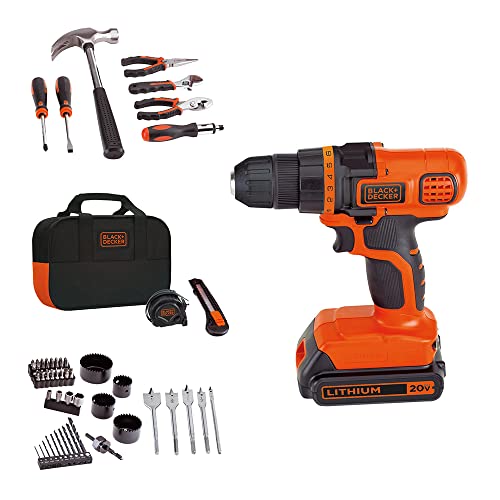

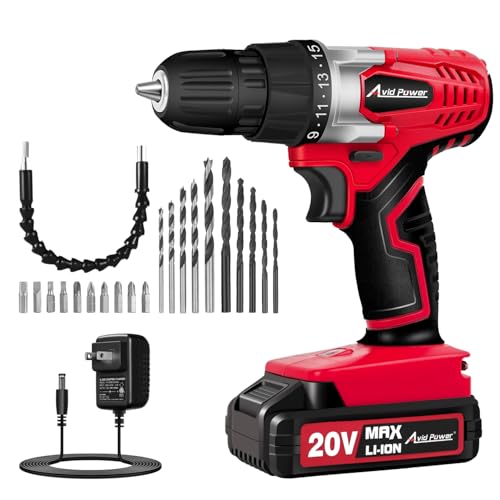

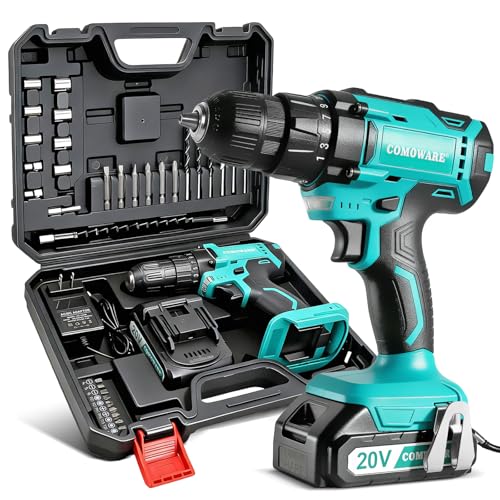
Who Should Buy a 20v Cordless Drill?
Homeowners Handling Repairs and Furniture Projects
If your drilling is mostly flat pack furniture, curtain rods, shelving, and the odd repair around the house, a standard 20v drill driver covers all of it with power to spare. You do not need the strongest model on the shelf. A compact body, a light battery, and a smooth clutch matter more, since most of your holes go into wood, drywall anchors, and light metal. Our guide to the best cordless drill for home use goes deeper on this lighter duty end of the range.
Remodelers and Serious Weekend Builders
If you frame walls, build decks, or bore holes through studs for wiring and plumbing, you will feel the difference between an entry level drill and a stronger brushless one within the first day. You need higher torque, a metal chuck that grips bits under load, and at least two batteries so one can charge while you work. A hammer function also earns its keep when you set anchors in brick or block.
Buyers Building a Battery Platform
A 20v drill is often the first tool on a platform, and the battery you choose today decides which saws, lights, and drivers you can add later without buying new packs. If you plan to grow a kit over several years, pick the drill from the platform whose wider tool range suits you, even if a rival drill feels slightly better on its own. That long term fit matters more than a small gap in torque.
20v Drill Types Compared
Compact Drill Drivers
The compact drill driver is the default choice and the type most people should buy. It drives screws, drills holes in wood and metal, and handles light assembly with a short head length that fits between studs and inside cabinets. If your project list has no masonry on it, this type gives you the best balance of price, size, and everyday usefulness.
Hammer Drill Drivers
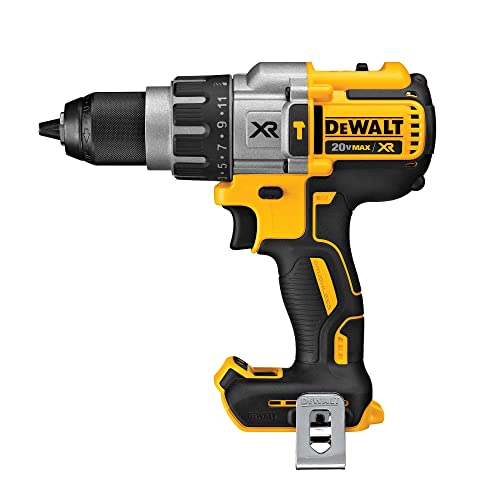
A hammer drill driver adds a rapid pulsing action behind the chuck, which lets the bit chew into brick, block, and mortar joints that would stop a plain drill driver. It still works as a normal drill with the hammer mode switched off, so you lose nothing on wood or metal. Expect a little more weight and cost. If you hang heavy items on masonry walls often, see our guide to the best hammer cordless drill.
Combo Kits With an Impact Driver
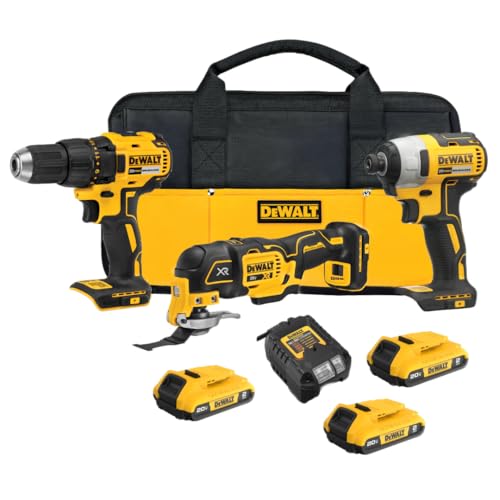
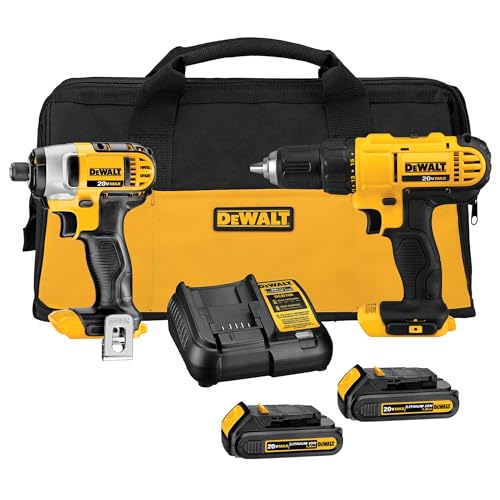
Many 20v drills are sold in a kit with an impact driver, two batteries, a charger, and a carry case. The kit costs less than buying both tools apart, and the pairing makes sense because the drill bores the holes while the impact driver sinks long screws without straining your wrist. If you are unsure which tool does which job, our drill vs impact driver comparison explains the split in plain terms.
Key Features to Compare
Torque and Speed Settings
Torque tells you how hard the drill can twist, and it decides whether a large hole saw or a long lag screw is realistic work or a struggle. Most 20v drills offer two speed ranges: a low range with more twisting force for driving and big holes, and a high range that spins fast for clean small holes in wood and metal. For general home and remodel work, a drill in the middle of the torque range handles nearly everything. Chasing the highest number only pays off if you regularly bore wide holes in framing lumber.
Brushless and Brushed Motors
A brushed motor uses physical contacts that wear over time, while a brushless motor runs on electronic control and adjusts power draw to the load in front of it. In practice, brushless drills run longer on the same battery, deliver torque more smoothly, and tend to live in smaller bodies. They also cost more. If you drill a few times a month, a brushed model is honest value. If you work whole weekends or plan to keep the tool for many years, brushless is the upgrade that shows up in runtime rather than on a spec sheet.
Battery Platform and Runtime
Runtime depends far more on battery capacity, measured in amp hours, than on the 20v label. A small pack suits light work and keeps the tool light, while a larger pack runs a hole saw session or a day of deck screws without a swap. Note that 20v is a maximum rating and these packs run at a nominal level close to 18v tools, so the platforms compete on equal ground. Our broader guide to the best cordless drill shows how the main platforms stack up.
Chuck Size and Grip
Most 20v drills use a half inch keyless chuck, which takes the widest range of bits and hole saws and opens and closes by hand. Smaller three eighths inch chucks appear on the lightest compact models and limit you on larger accessories. A metal chuck body holds bits firmly under heavy load, while a plastic body can slip when a bit binds. Check the ratcheting feel if you can, since a chuck that loosens mid job is a daily annoyance.
Ergonomics and Weight
You hold a drill for every second it works, so balance and grip shape decide how a long session feels. A drill that balances at the trigger with the battery fitted lets you line up holes one handed on a ladder, while a nose heavy tool pulls your wrist down. Slim grips suit smaller hands, and a built in LED light at the base helps inside cabinets and joist bays. If weight is your main concern, pair a compact body with the smallest battery that finishes your typical job.
Clutch Settings and Screw Control
The numbered ring behind the chuck is the clutch, and it limits twisting force so the drill slips instead of snapping a screw head or driving it through soft material. More settings give you finer control across pine, hardwood, and flat pack board, and a dedicated drill setting locks the clutch out for full power boring. Check that the ring turns with clear, firm stops rather than a vague spin.
How Much Should You Spend?
Price bands in this class map closely to motor type and kit contents. Around $50 to $100 usually buys a brushed drill driver kit with one or two small batteries, which is enough for apartment and home upkeep, and our roundup of the best budget cordless drill covers that tier in detail. About $100 to $200 is the heart of the range, where brushless motors, metal chucks, and two mid size batteries appear. Above that, up to about $300, you pay for hammer function, the strongest motors, larger packs, and tougher cases rather than a different kind of tool.
20v Drills vs Other Voltage Classes
Against 12v tools, a 20v drill gives you clearly more torque and a much wider accessory range, at the cost of extra weight that you will notice on overhead work. Against corded drills, you trade endless runtime for freedom from the cord, and modern packs have closed most of the power gap for drilling and driving. The honest weakness of any cordless drill is a long session of large holes, where a corded tool never fades. For the mix of driving, boring, and occasional masonry work most owners describe, 20v sits at the practical sweet spot.
Common Mistakes to Avoid
- Buying on torque alone, then fighting a heavy tool through simple jobs a lighter drill would finish faster.
- Mixing battery platforms, so every new tool needs its own charger and packs and nothing swaps.
- Using the high speed range for large holes, which overheats the motor and dulls the bit.
- Skipping the clutch and driving screws on full power, which snaps heads and splits trim.
- Drilling masonry with a plain drill driver, which glazes the bit and barely marks the surface.
- Storing the drill with a fully drained battery, which shortens the life of the pack.
Care and Maintenance
Wipe the housing down after dusty work and keep the vents clear, since blocked vents trap heat around the motor. Store batteries part charged in a cool dry place rather than in a hot vehicle, and cycle a spare pack into use every few months. Check the chuck jaws for grit if bits start to wobble, and retire any battery that swells or cracks, since a damaged pack is a safety risk. If you are new to the tool itself, our guide on how to use a cordless drill covers safe handling and bit changes.
FAQ
Are 20v cordless drills worth it over 12v models?
For most buyers, yes. The step up buys you real headroom for hole saws, lag screws, and mixing small batches, plus access to a far larger range of tools on the same battery. A 12v drill still wins for tight cabinet work and for anyone whose drilling is rare and light. If you expect your project list to grow, the 20v class is the safer long term buy, since you will not outgrow it the first time a deck or fence project appears.
How long does a 20v cordless drill last?
The tool itself often runs for many years, and the battery is usually the first part to fade. Packs commonly hold useful capacity for a few hundred full charges, and runtime shrinks slowly rather than failing at once. Brushless models remove one wear item entirely. You can stretch service life by avoiding deep drains and heat, and by treating a drop onto concrete as a reason to inspect the chuck and housing for cracks before the next job.
Can a 20v cordless drill go through concrete?
A hammer drill driver can handle mortar joints, brick, and block, and it will drill shallow anchor holes in poured concrete with a proper masonry bit and steady pressure. Dense or thick concrete is different work: progress slows, bits overheat, and a rotary hammer is the right tool. Keep holes small, let the hammer action do the cutting, and pull the bit out often to clear dust. If the bit stops advancing, stop rather than forcing the drill, which only glazes the bit tip.
What size battery should you choose for a 20v drill?
Match the pack to the session, not the spec sheet. A compact pack keeps the drill light and balances well for assembly and overhead work, while a larger high capacity pack is the right call for hole saws, deck screws, and any job far from the charger. Many owners end up with one of each, using the small pack daily and saving the large one for heavy days. Just confirm both packs belong to the same platform as your charger.
Should you buy a 20v drill as a bare tool or a kit?
Buy the kit if this is your first tool on the platform, since it bundles the batteries and charger you cannot work without, usually for less than the parts cost apart. Buy the bare tool when you already own matching packs and a charger, and put the savings toward a larger battery or a bit set instead. A bare tool deal is no bargain if your packs belong to a different platform, because then the charger becomes a second purchase anyway.
Final Thoughts
The right choice comes down to three things: the heaviest work on your list, the battery platform you want to build on, and how the tool balances in your hand. Match those honestly and the best 20v cordless drill for you is rarely the most expensive one on the shelf. Use the product table above to compare the finalists on torque, battery, and weight, then order with the confidence that you chose for your projects rather than for a spec sheet.