Best 2 TB Hard Drives 2026: Storage Buying Guide
Disclosure: We may earn a commission when you buy through links on this page, at no extra cost to you. As an Amazon Associate I earn from qualifying purchases. Learn more

A practical guide to the best 2 tb hard drives, covering capacity, speed, internal and external types, and safe backup habits.
Choosing a 2 TB hard drive can feel confusing when every option promises a better result, and this guide makes the choice clearer for storing photos, videos, games, and documents with room to grow. The search for best 2 tb hard drives usually starts with a simple need, such as more space, faster copying, or a safer place for backups. This guide explains what matters, what to check before you buy, and which trade offs are worth accepting.
Instead of praising one design above all others, this guide focuses on the factors that shape real satisfaction over time. You will learn how capacity, speed, and everyday practicality interact, and how to match them to your computer, budget, and habits. Each section ends with a practical check you can apply while shopping, and the FAQ near the end covers the doubts that most buyers raise.



Who Benefits Most From a 2 TB Drive
A 2 TB hard drive suits people who store photos, videos, games, and documents and want room to grow. Think about how often you will use it, where it will live, and who else will share it. A choice that fits those answers will feel easy to live with, while a choice made on looks alone may disappoint within weeks.
Some buyers need a simple, reliable option for everyday use, while others need extra speed, ruggedness, or special features for a particular task. List your top three needs before shopping, and let those needs guide every comparison. If a model fails on a top need, its other strengths rarely make up for that gap in daily use.
Key Features to Compare
The features below apply whether you are shopping online or in a store. Focus on the features tied to your top needs first, then use the remaining features to separate close options. A model that scores well on your priorities is a better buy than a model with a longer feature list that misses them.
Capacity in Real Terms
Two terabytes sounds large, and it holds a big photo library, many hours of video, and a solid game collection. Still, video files and modern games grow quickly, so think about how much free space you want to keep. A drive that is nearly full can slow down, so leave breathing room for new files and updates.
Internal or External
An internal drive suits a desktop that needs fast, always available storage, while an external drive suits laptops and sharing files between machines. External drives need only a USB port, but they add a cable and a device to carry. Internal drives need a free bay and a compatible connection, so check your machine before you buy.
Speed and Connection
Rotational speed, cache, and connection type all affect how quickly files copy, and the difference shows most with large video files. A modern USB connection helps an external drive, while a fast internal interface helps a desktop drive. For everyday documents the difference is small, but for video work it is worth attention.
Reliability and Backup Habits
No single drive is a complete backup plan, so use the drive as part of a routine that keeps important files in more than one place. Keep the drive cool and steady, avoid drops and sudden power loss, and check that backups complete fully. A simple routine that you actually follow beats a complex plan that is never used.
Types of 2 TB Hard Drives Worth Comparing
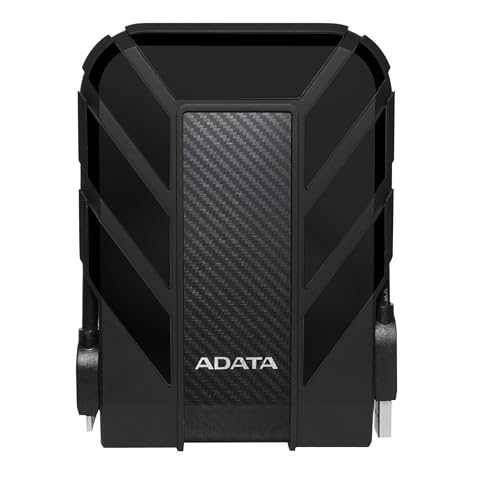
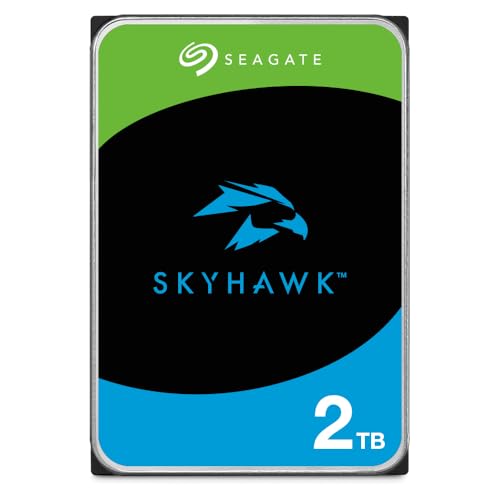
The main types of 2 TB hard drive are portable external, desktop external, internal 3.5 inch, and rugged models. They differ in size, construction, and intended use, and those differences shape price and performance. A compact portable type suits laptops and travel, while an internal or desktop type suits heavy use at a fixed desk. Compare types by how they handle your busiest days, not an ideal day.
Price often rises with durability and extra features, but the most expensive type is not always the best value. Check what each type includes as standard, such as cables, software, or a warranty, and what you would need to add separately. A mid range type with the right core features often gives the best balance of cost and long term satisfaction.
Setting Up Your Drive for the Best Result
Good setup makes a real difference to how a 2 TB hard drive performs, so follow the maker guidance and take time over the first setup. Check connections, formatting, and placement before moving files over, and try a few copies to confirm everything works. A careful first setup prevents common frustrations and protects the drive from avoidable wear.
Everyday use should feel straightforward. Keep the drive where it will not be knocked, give it airflow, and eject it safely before unplugging. Small habits, such as a quick check before heavy use, keep performance steady over time.
Care Tips for Lasting Value
Regular care keeps a 2 TB hard drive working well, and it usually takes only a few minutes at a time. Store it properly when not in use, keep it away from heat and moisture, and address small issues such as odd noises before they grow. A drive that is looked after tends to last longer, which protects the money you spent.
A common mistake is choosing on price alone, without checking compatibility with your existing setup. Another is ignoring the return policy and warranty terms, which matter when a product does not suit your needs. Read the key specifications and keep packaging until you are sure the choice is right.
If you want to compare nearby options before you decide, the related guides on best 2 tb external hard drives, best tb hard drives, best 1 tb hard drives, best raid for 2 hard drives, and best quality hard drives cover similar choices and use cases. Read the guide that matches your situation most closely, then return here with a clearer sense of your priorities.
Frequently Asked Questions
Is 2 TB enough for photos and videos?
For most households, 2 TB holds a large photo library and many hours of video, especially when older projects are archived elsewhere. Video resolution changes the math a lot, because high resolution footage fills space far faster than photos. Review your current library size and yearly growth before you decide, and keep some free space in reserve.
Should I choose an internal or external 2 TB drive?
Choose an internal drive for a desktop that needs permanent storage, and an external drive for a laptop or for moving files between machines. External drives are easier to install and carry, while internal drives stay out of sight and need no desk space. Match the choice to your machine, your desk, and how often you move files.
How fast should a 2 TB hard drive be?
Speed matters most for large files, and a faster connection plus a higher rotational speed helps video copying and game loading. For documents and photos, even a modest drive feels quick enough. Compare the connection type and the stated transfer rate, and remember that real world speed depends on your computer and cable too.
Can I use a 2 TB drive for game storage?
Yes, a 2 TB drive holds many games, and it works well as extra storage alongside a faster main drive. Load times may be longer than on a solid state drive, so keep your most played titles on the faster drive if you have one. Check the console or computer compatibility before you buy, since some systems have format rules.
How do I protect files on a hard drive?
Keep important files in at least two places, such as the drive plus a second drive or a cloud copy. Handle the drive gently, keep it cool and dry, and eject an external drive safely before unplugging it. Try a restore now and then, because a backup you have never checked may fail when you need it most.
Final Thoughts
When you compare options for best 2 tb hard drives, return to your top three needs and to the product table above, which summarizes the main choices. A drive that meets those needs, fits your setup, and stays within your budget will serve you well day after day. Take time over compatibility and key specifications, and do not rush a decision you will live with for years.
If you remain unsure between two close options, choose the one that is easier to set up, easier to back up, and easier to return if it does not suit you. Practical ease often matters more than a small specification advantage, especially after the novelty fades.