Best 1tb Internal Hard Drives by Budget: Smart Picks for 2026
Disclosure: We may earn a commission when you buy through links on this page, at no extra cost to you. As an Amazon Associate I earn from qualifying purchases. Learn more
Learn how to choose the best 1tb internal hard drives by budget, what each price tier delivers, and which features are worth paying for at home.
Prices for a 1 TB internal drive span a wide range, from basic spinning disks that cost very little to fast solid state models that cost several times more. Paying more does not always buy you anything you will notice, and paying too little can leave you with a slow drive that holds your whole system back. This guide shows where the money actually goes when you shop for the best 1tb internal hard drives for your computer.
Look at the product table for the current price spread, then read the tier guide that follows. You will learn what each price level normally delivers, which features deserve your money, and which extras you can safely skip.




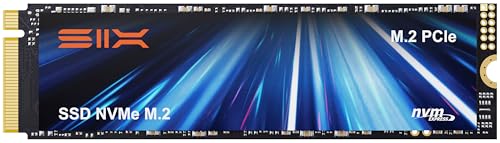


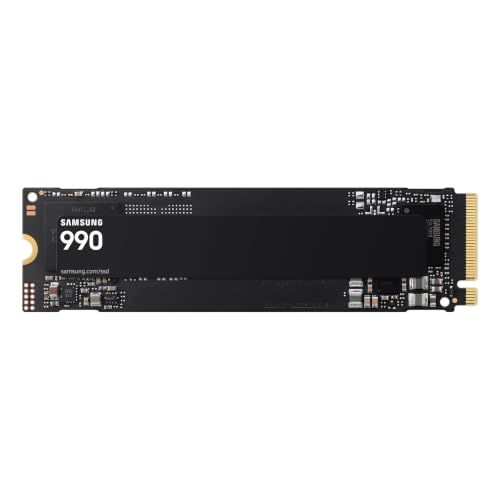
Choosing the Best 1TB Internal Hard Drives by Budget: What a Good Drive Looks Like at Each Tier
Instead of chasing a single model name, judge any drive against the standard for its tier. A drive that meets its tier standard at a fair price is a good buy, while a drive that falls short on warranty, speed class, or endurance is a poor buy at any price. Use the three tier profiles below as your scoring sheet when you compare listings.
Budget Tier: The Value Profile to Look For
A good budget choice, usually around $60 to $100, is typically a spinning hard drive or an entry solid state drive with standard speeds and a warranty of at least two years. It stores photos, documents, and older games without fuss, and it boots a basic office computer at an acceptable pace. For a simple desktop that needs bulk space, this profile covers the job honestly.
The limits to accept are slower program loading, modest endurance ratings on the cheapest solid state models, and basic packaging with no extras such as cables or cloning software. Avoid any budget drive with a warranty under two years or with unclear specs, because a maker that hides the basics is telling you something. Value here means dependable and ordinary, not fancy.
Midrange Tier: The Profile Most Buyers Should Target
A strong midrange choice, usually around $100 to $150, is most often a mainstream SATA solid state drive with a three to five year warranty and a stated endurance rating. This profile transforms daily use, because the system starts quickly, programs open without long waits, and large files copy in a fraction of the time a spinning disk needs.
For most home and office computers, this is the tier where extra spending stops being a luxury and starts paying you back every day. The compromise is capacity discipline, since 1 TB fills faster than people expect once games and video projects arrive. If your library keeps growing, our guide to the best 2tb internal hard drives explains when stepping up in size beats stepping up in speed.
Premium Tier: The Profile Worth Paying Extra For
A premium choice, usually around $150 to $270, should deliver a fast NVMe solid state drive with high sustained write speeds, a strong endurance rating, and a five year warranty from a maker with good support. This profile suits video editors, serious gamers, and anyone who moves very large files daily, because speed holds up during long writes instead of fading after the first minute.
Insist on proof for the premium price: published endurance figures, a heatsink or clear thermal guidance for tight cases, and responsive customer support. If a listing at this price cannot state its sustained write speed and endurance, it is dressed up midrange hardware. Premium money should buy measurable durability and speed, not just a bolder label on the box.
What Your Money Gets You at Each Price Tier
Budget Tier: What to Expect
At the budget level you get honest storage and little else. Spinning drives at this tier commonly run at 5400 or 7200 revolutions per minute, with the faster speed feeling better in a desktop. Solid state drives here use the SATA connection, which caps speed at levels far below NVMe but still far above any spinning disk.
Expect a one to three year warranty, simple packaging, and no included mounting extras. This tier suits a secondary storage drive, a budget family computer, or a backup target inside a desktop. It does not suit a main system drive for a gamer or creator, because slow loading and weak endurance will frustrate you within months.
Midrange Tier: The Sweet Spot for Most Buyers
Midrange money buys the jump that people actually feel. Warranties stretch to three or five years on many lines, and endurance ratings give you a clear promise about how much data you can write over the drive life. Makers often include cloning software, which makes moving your system from an old drive painless.
This tier fits most gaming computers, home offices, and family systems that will serve for four or more years. For players comparing load times and console style storage, our guide to the best internal hard drives for gaming goes deeper on speed and game library planning. For everyone else, midrange is where price and performance meet most fairly.
Premium Tier: When Spending More Pays Off
Premium drives earn their price in sustained work, not in short bursts. NVMe models at this level read data several times faster than SATA models, and the advantage shows when you copy a huge video project, install several large games in a row, or run demanding creative software all day. Better cooling design and stronger controllers keep speeds steady, and higher endurance ratings protect heavy writers from wearing the drive out early.
Spending more pays off if your work is time sensitive or your files are large every single day. It pays off far less for web browsing, email, and light office tasks, where a midrange drive already feels instant. Be honest about your heaviest weekly task, and let that task, not a benchmark chart, decide whether this tier deserves your money.
Features Worth Paying For (and Ones to Skip)
Size, Weight, and Fit for Your Space
Fit comes before speed, because a drive your computer cannot accept is worthless at any price. Desktop spinning drives use the 3.5 inch form, laptop and compact drives use the 2.5 inch form, and most modern solid state drives use the slim M.2 stick form that mounts flat on the main board. Check your case bays and board slots, and confirm the connection type, SATA or NVMe, before ordering.
Also check thickness on 2.5 inch drives, since thicker models can clash with slim laptop bays. Cable and screw needs are small but real, so note whether your case already has mounting hardware. Shoppers comparing internal and external options can see our guide to the best portable 1tb hard drives for the trade offs of taking storage outside the case.
Key Performance Specs
For spinning drives, the key numbers are rotation speed and cache size, and 7200 revolutions per minute with a healthy cache feels clearly better than 5400 in daily use. For solid state drives, look at read and write speeds, but value sustained write speed and endurance, stated in terabytes written, over headline peak figures. A drive that writes quickly for hours beats one that sprints and fades.
For a main system drive, a solid state model is the single biggest speed upgrade most computers can get. Keep a spinning drive only for bulk storage of media and backups, where its low cost per terabyte shines. If you are unsure which class fits your machine, our guide to the best 1tb hard drives compares internal and external classes side by side.
Intended Use and Who It Is For
Your main use decides the right class faster than any spec sheet. Office and school computers thrive on a midrange solid state drive, media libraries belong on a large spinning drive, and gaming systems want fast loading plus room for several big titles at once. A drive shared by the whole family needs extra headroom, because five people fill space faster than one.
Think a year ahead when you judge capacity. If your current drive is nearly full at 500 GB, a 1 TB replacement gives breathing room without waste, while a drive already near 900 GB of use argues for a larger size. Buying for the user you will be in two years prevents a second upgrade and a second round of data moving.
Warranty and Customer Support
Warranty length is a clean quality signal in this market. Two years is the floor worth accepting, three years is comfortable for a main drive, and five years marks the stronger midrange and premium lines. Read whether the warranty covers a simple replacement process in your country, and whether you must pay shipping to return a failed drive.
Support quality shows up before you buy, in clear spec sheets, firmware update pages, and cloning tools that actually work. A maker that publishes endurance figures and keeps support pages current is easier to trust with your data. Remember that no warranty replaces a backup, because a replacement drive arrives empty even when the claim goes perfectly.
Long Term Costs to Factor In
The purchase price is only part of ownership. You may need a mounting bracket to fit a 2.5 inch drive in a 3.5 inch bay, a spare SATA cable, or a heatsink for an NVMe drive in a tight case, each adding a small cost. Power use is modest for all internal drives, so electricity rarely decides the choice, but heat inside a small case can shorten component life if airflow is poor.
Plan for replacement on a realistic cycle. Spinning drives often serve about three to five years in daily use, and solid state drives commonly serve five years or more, but any drive can fail without warning. Keep an external or cloud backup of important files, check drive health tools a few times a year, and treat strange clicking sounds or repeated file errors as a signal to copy your data first and ask questions later.
Frequently Asked Questions
What features matter most when buying 1tb internal hard drives?
Fit, drive class, and warranty matter most, in that order. First confirm the form factor and connection your computer accepts, then choose solid state for a main drive or spinning for bulk storage, then favor a warranty of at least three years. After those three, compare sustained write speed and endurance rather than peak speeds printed largest on the box.
Are expensive 1tb internal hard drives worth it?
They are worth it only when your daily work stresses a drive with large, frequent writes, such as video editing or constant game installs. For browsing, documents, and ordinary gaming, a midrange solid state drive feels just as fast and leaves money for a backup drive. Spending on endurance you will never use is less wise than spending on storage safety you will.
How much should I spend on a 1tb internal hard drive?
Most buyers should plan on about $100 to $150 for a main system drive with strong speed and a long warranty. Around $60 to $100 is reasonable for a basic storage drive, and about $150 to $270 makes sense only for heavy creative or professional workloads. If a price seems far below its tier, check the warranty term before you celebrate the bargain.
How do I maintain a 1tb internal hard drive?
Leave at least ten percent of the drive free, because full drives slow down and wear unevenly. Keep the computer vents clear so heat stays low, run the health check tool your system or drive maker provides a few times a year, and keep a current backup on separate storage. For spinning drives, avoid moving the computer while it is running, since shocks can damage the moving parts.
How long does a 1tb internal hard drive last?
A spinning drive in daily home use commonly lasts about three to five years, while a quality solid state drive often lasts five to ten years under normal writing loads. Lifespan varies with heat, power quality, and how much data you write, so published endurance is a guide, not a promise. Any drive can fail early, which is why backups matter more than brand loyalty.
Our Verdict
Choose fit first, class second, and tier third, and you will rarely go wrong. Most readers should target a midrange solid state drive with a long warranty, while bulk storage and heavy professional work point to the budget and premium tiers. Compare your finalists in the product table, and the right choice among the best 1tb internal hard drives for your computer and budget will be clear.