Best 2 Step Ladder in 2026: Buying Guide and Top Picks
Disclosure: We may earn a commission when you buy through links on this page, at no extra cost to you. As an Amazon Associate I earn from qualifying purchases. Learn more

What to look for in the best 2 step ladder: the main types, key features, realistic price ranges and mistakes to avoid before you order.
A short ladder sounds simple until you shop for one. Models that look alike can feel very different once you stand on them, and a wobbly frame turns a quick task into a balancing act. Choosing the best 2 step ladder comes down to stability, step depth, weight rating, and how flat it folds. The product table below the intro lets you compare current models side by side.
This guide walks through those types, the features that change how steady you feel, and the jobs this size handles well. It also flags the tasks that call for more reach.






Main Types at a Glance
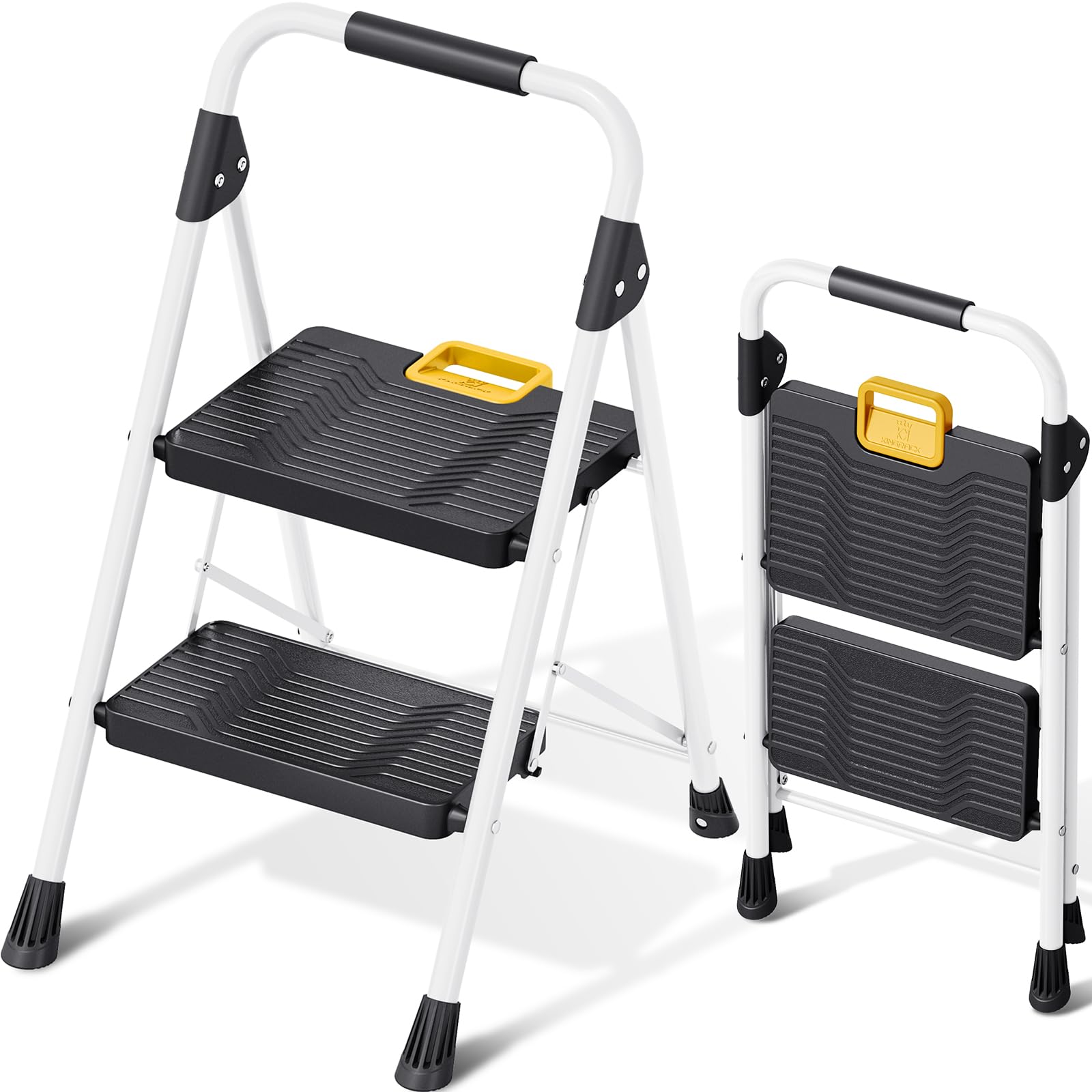
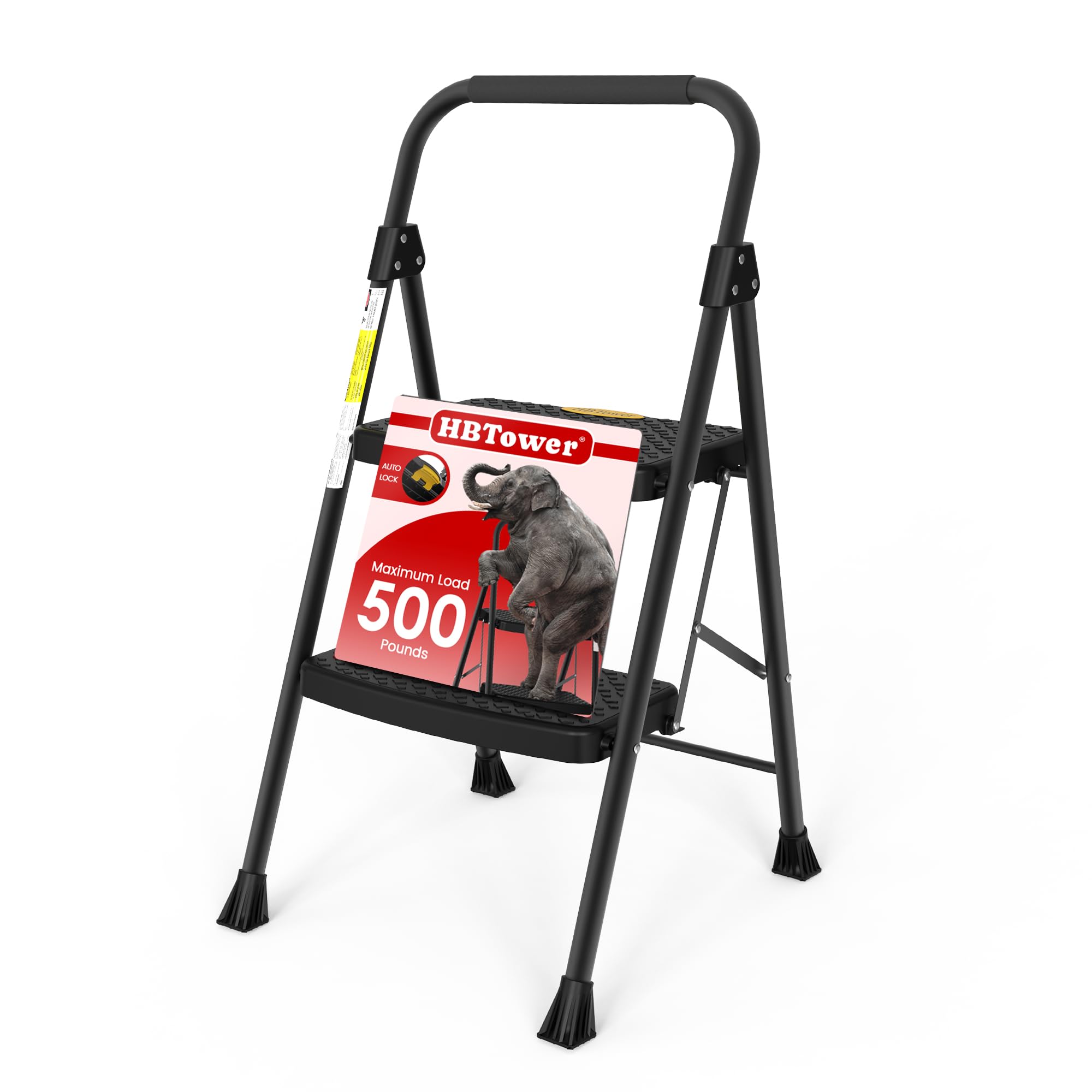
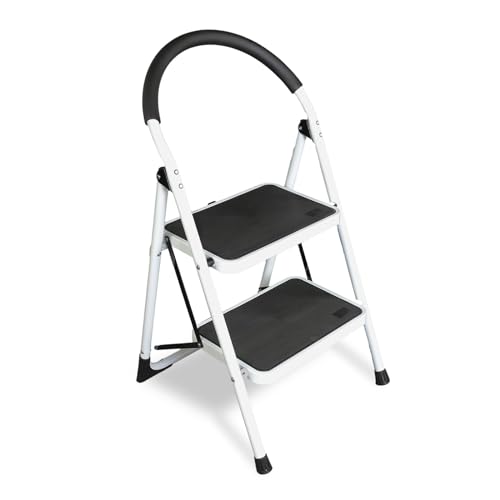
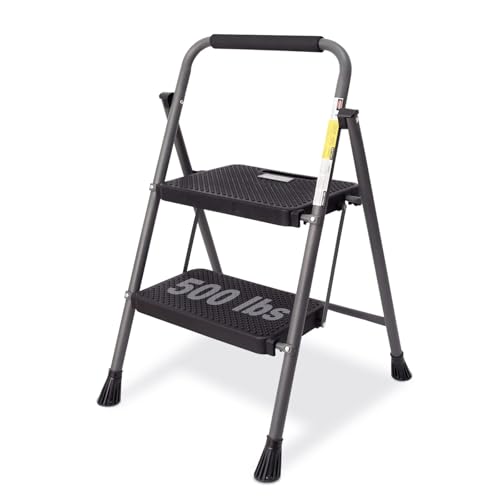
Most two step models fall into three types. Compact folding models use narrow steps and slim rails for quick reaches in kitchens and closets. Wide platform models give you a deep top surface for longer jobs. Models with a tall support bar add a grab point above the steps for extra balance.
Frame material cuts across all three types. Aluminum keeps weight low and resists rust. Fiberglass weighs more but does not conduct electricity, which matters near outlets and wiring.
Three Types Worth Considering
Compact Folding Type for Tight Storage
This type folds to a slim profile that slides beside a refrigerator, inside a pantry, or behind a door. The steps are narrower than on platform models, so it suits short tasks such as swapping a bulb or reaching a top shelf. Check that the locking spreader bars click firmly into place, since a loose lock is the main source of side sway on slim frames.
Wide Platform Type for Longer Tasks
A platform model replaces the narrow top step with a broad standing surface, often large enough for both feet with room to shift your stance. That depth reduces foot fatigue during jobs that keep you up for ten minutes or more, such as washing windows. A textured platform surface adds grip when your shoes are dusty.
Type With a Tall Support Bar for Extra Balance
Some models extend the front rails upward into a padded bar you can hold or lean your shins against while you work. The taller frame needs more storage height, so check your closet before you buy. Look for a bar that reaches about your waist when you stand on the top step, since a bar ending at your knees adds little support.
What Matters Most When You Compare Options
Compare four things you can verify on any product page. Check the duty rating, which states the most weight the ladder is built to hold. Measure step depth and the height of the top step. Confirm how the frame locks open and whether the feet have rubber caps. A low price cannot make up for a frame that flexes under you.
How to Choose the Right Ladder
The steps below turn those comparison points into a buying order that works for most homes. If you want the broader method for taller sizes too, see our guide on how to choose a ladder after you finish here.
Size, Reach, and Weight Rating
A two step ladder lifts you about one and a half feet above the floor, which gives most adults a working reach of about eight feet. That covers standard ceilings, tall cabinets, closet shelving, and most light fixtures in rooms with eight foot ceilings. Add your weight, your clothing, and anything you carry up, then match that total to the duty rating. Common household ratings run from about 200 to 300 pounds, and you should leave a clear margin above your total.
Frame Shape and Material
Most home models use an A shape frame with a front section you climb and a rear section that braces it, joined by locking spreader bars. Aluminum suits most indoor work because it is light and will not rust in a damp garage. Fiberglass costs and weighs more, but it is the safer pick near live wiring. Our breakdown of fiberglass vs aluminum ladder materials explains the trade offs in more depth if panel work is part of your plans.
Step Surface and Stability Features
Steps should feel secure underfoot, so look for a ribbed or textured surface that grips shoe soles even when dust is present. Deep steps, about five inches or more from front to back, let your whole foot rest on the surface instead of just the ball of your foot. Rubber feet keep the frame from sliding on tile and hardwood. A small tool tray molded into the top cap holds screws or a brush and saves trips up and down.
Hinges, Rivets, and Spreader Bars
A step ladder is a manual tool, so there is no motor, battery, or cord to compare. What replaces those specs is the moving hardware you can inspect: hinges, rivets, and spreader bars. Hinges should open with firm resistance and no grinding feel. Rivets should sit flush, with no looseness when you wiggle the joint. If a frame creaks or shifts at the joints while unloaded on a flat floor, it will feel worse under your full weight.
Accessories and Warranty
Useful add ons stay simple for this size: a clip on caddy for cleaning supplies, replacement rubber feet, and a wall hook that keeps the folded frame off the floor. Warranty terms vary by maker, and many cover defects in materials and workmanship for a set period rather than wear from daily use. Keep your receipt with the manual so a claim on a cracked step or a failed hinge stays easy to file.
How Much Should You Spend?
Basic compact models often cost about $30 to $50 and suit light, short tasks. The middle range, about $50 to $90, usually buys deeper steps, a stronger duty rating, and smoother hinges. Models with a wide platform or a tall support bar tend to run about $90 to $150, and that premium makes sense if you use the ladder weekly or stand on it for longer jobs. Paying beyond that range rarely adds much at this size.
Is a 2 Step Ladder the Right Size for You?
For most apartments and single story homes, this size covers the large majority of indoor reaches without the bulk of a taller frame. Our roundup of the best ladder for home use options shows how it sits within a full home setup.
Apartment and Small Home Users
If your storage is a narrow closet or the gap beside a stacked washer and dryer, the compact folding type fits your life best. You will use it for kitchen shelves, curtain rods, smoke alarm batteries, and the top of a wardrobe. Measure the closet depth before ordering, and pick a model that folds flatter than that depth with an inch to spare.
Homeowners With Longer Task Lists
If your jobs run longer, such as painting one wall, cleaning ceiling fans, or washing tall windows, the wide platform type will feel kinder to your feet and calves. The broader stance feels planted when you reach to the side, and your weight stays centered over the base. That comfort adds up over a full afternoon of work.
When You Need More Reach Instead
Rooms with ceilings above nine feet, two story entryways, gutters, and roof edges all sit beyond a two step frame. For those tasks, look at taller step sizes or extension models, and start with our guide to the best ladder types for a full size comparison. Choosing the taller tool from the start is safer than stretching the small one past its purpose.
Common Mistakes to Avoid
- Standing on the top cap or the paint tray shelf, which are not steps and can crack or tip under your weight.
- Placing the frame on a rug or uneven ground, so one foot rests higher and the ladder rocks as you climb.
- Carrying tools in both hands while climbing, which leaves no hand free to steady yourself on the rails.
- Leaning your hips past the side rails, which shifts your weight outside the base and can pull the frame over.
- Ignoring a bent rail or a cracked step, since small damage grows fast under repeated loads.
- Storing the ladder outdoors, which fades plastic parts, rusts steel hardware, and weakens rubber feet.
Most of these errors come from rushing, so set the frame on a flat, dry surface every time. For a fuller walkthrough of safe setup and climbing habits, read our guide on how to use a ladder before your first project.
How to Make Your Ladder Last Longer
Wipe the steps after dusty or wet jobs so grit does not grind into the textured surface and wear it smooth. Wash the frame with mild soap and water when paint or soil builds up, then dry it fully before folding so moisture does not sit in the hinges.
Check the hardware a few times a year. Tighten any loose hinge bolts with the tool the maker specifies. Replace worn rubber feet as soon as they crack or flatten, because fresh feet restore grip. Retire the ladder if a rail bends, a step cracks, or a lock stops engaging, since those parts carry your weight.
FAQ
What size ladder do I need for eight foot ceilings?
For eight foot ceilings, a two step size is usually enough because your arms extend well above your standing height once you are on the top step. The fixture itself is the deciding factor: a flush mount light sits within easy reach, while a recessed light keeps your hands up longer. If you must hold your arms fully overhead, a taller platform will feel more comfortable for that job.
Can I use a 2 step ladder on stairs?
No, a standard two step frame is built for flat floors, and all four feet must rest on one level surface to stay stable. Setting one side on a stair tread and the other on the floor below tilts the frame and loads the hinges at an angle they were not made to hold. For stair work, use a ladder built for stairs, and keep this size for flat rooms only.
What is the difference between a step ladder and a step stool?
A step stool is usually a small aid with one or two low treads and no locking spreader frame. A two step ladder has a braced rear section, locking spreader bars, and a rated duty class printed on its label. If a product lists no duty rating, treat it as a light stool for brief reaches rather than a work platform.
How much weight can a 2 step ladder hold?
The limit is the duty rating on the side rail label, and it counts everything the frame carries at once: your body, your clothes, and the tools you bring up. Ratings for this size commonly fall between about 200 and 300 pounds. Weigh your typical load honestly and leave a margin instead of buying the class that exactly matches your total.
Is a ladder with a support bar worth the extra cost?
For many buyers, yes, because the bar changes how the top step feels rather than just adding a part. You gain a contact point for your hands on the way up and a brace for your legs while you work. The trade off is storage height and a higher price. If your tasks are brief reaches to shelves, skip it. If you paint or change fixtures at ceiling height, the bar earns its cost quickly.
Final Thoughts
Start with your ceiling height and storage space, then pick the type that matches how long you stand on the ladder at one time. Compact frames win on storage, platform frames win on comfort, and a support bar wins on confidence. The best 2 step ladder for your home has a duty rating above your real load, steps deep enough for your whole foot, and a lock that engages with a firm click. Compare your finalists against the product table above before you order.