Best 2 Quart Slow Cookers in 2026: Compact Buying Guide
Disclosure: We may earn a commission when you buy through links on this page, at no extra cost to you. As an Amazon Associate I earn from qualifying purchases. Learn more

Compare the best 2 quart slow cooker styles by controls, lid type and footprint to cook small batches of soup, dips and sides.
A single pot of chili that fills the fridge for a week is not a win if you live alone or cook for two. The best 2 quart slow cooker solves a smaller problem. It turns out a modest batch of soup, steel cut oats, or shredded chicken without wasted food or a crowded counter. The three styles below sum up the main options, so you can match one to your home.
This guide focuses on real homes. You will find how the size fits one or two people, which controls earn their cost, and what the footprint means for a small counter. Pick the style that fits your household first.



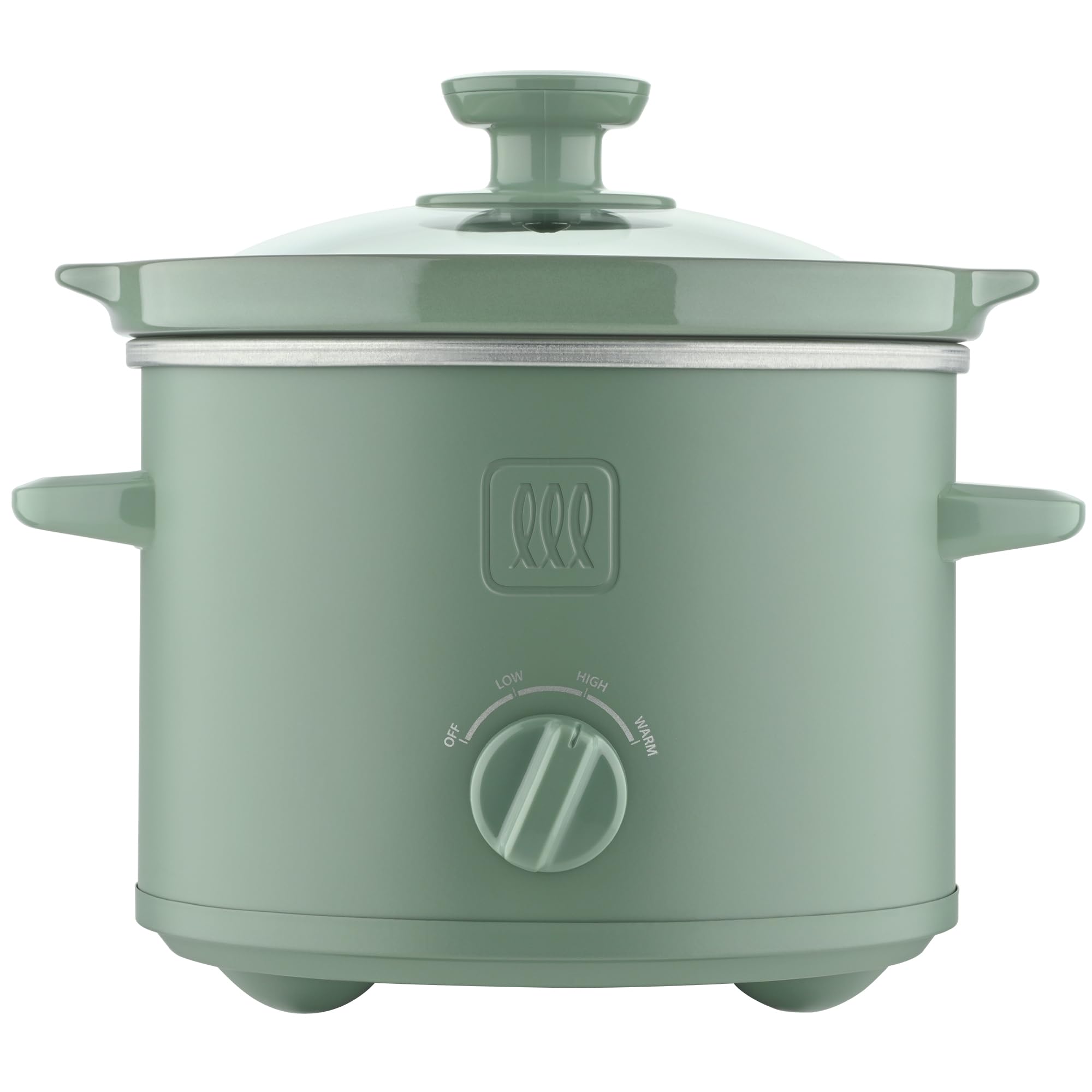
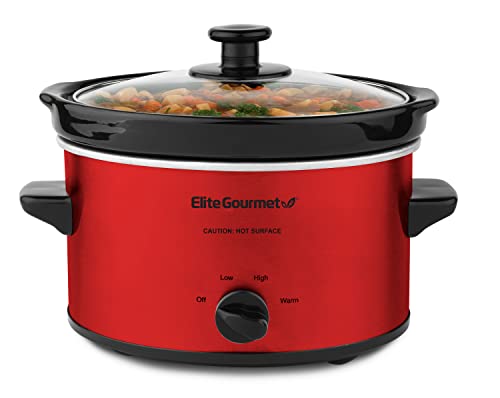
Quick Answer: What a 2 Quart Model Does Best
A 2 quart cooker holds about 8 cups before cooking, and it works best filled with roughly 4 to 6 cups of food. That range suits a main dish for one or two people, a side dish for a family meal, or a warm dip. If you are still weighing larger options, our guide to the best slow cooker covers the full size range in one place.
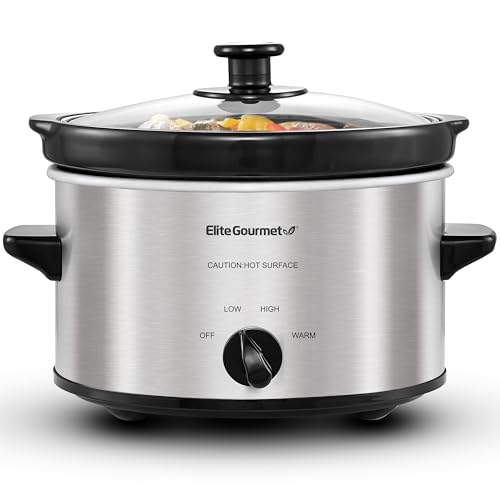
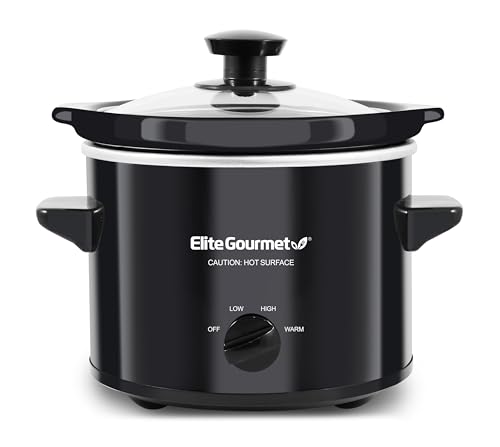
Three styles cover most needs. Manual models cost the least and suit foods you check in person. Programmable models add a timer and a warm setting for workdays. Portable models add a lid that clips shut for trips across town. All of them wash up faster than a full size pot.
Before You Buy: A Quick Checklist for Choosing a Slow Cooker
Size: Match It to Your Space
Capacity names can mislead, because a cooker should not be filled to the rim. A 2 quart insert gives you about 6 cups of practical cooking room once you leave space for bubbling liquid. That is plenty for a small pot roast with vegetables, a batch of meatballs, or oatmeal for two mornings. Larger sizes, such as 4 quart, 6 quart, and 8 quart models, earn their space only if you cook for a crowd or freeze big batches. For daily cooking for one or two, the small insert also means less scrubbing after dinner.
Which Type Fits Your Routine
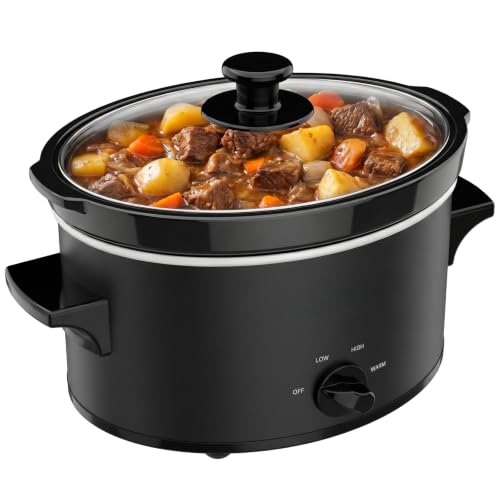
Manual models use a simple dial with low, high, and warm settings, and they reward cooks who are home to switch the dial. Programmable models let you set a number of hours, then move to warm on their own, which suits a set work schedule. Oval inserts fit a small roast more easily than round ones, while round inserts suit soups and dips. Ceramic inserts hold heat well. Metal inserts weigh less, and some can go on the stove for browning, which saves one pan.
Features Worth Paying For and Ones to Skip
A timer is worth paying for if your day keeps you out past the cooking window, since food held too long on low can turn soft. A locking lid matters if the cooker will ride in a car. A temperature probe can help with larger cuts, though a 2 quart pot rarely holds cuts big enough to need one. Skip preset programs named for dishes you can time yourself, such as rice or yogurt modes, unless you cook those foods each week. A glass lid, sturdy handles, and a warm setting cover most real needs.
Wattage, Power and Energy Use
Small slow cookers draw modest power, often about 80 to 150 watts on low, far less than heating a full oven for hours. That low draw suits a dorm room, an RV, or an older kitchen circuit, as long as the outlet and cord are in good shape. Energy use stays low because the element cycles on and off to hold a steady heat. If a listing brags about very high wattage for this size, read closely rather than treating it as a sign of better cooking.
Safety Features and Certifications
Look for a listing mark from UL or ETL on the base, which shows the appliance met a recognized safety standard. Check that the feet grip the counter and the lid handle stays cool enough to lift with a bare hand. If insert materials matter to you, our guide to the best non toxic slow cooker explains glaze and coating questions in plain terms. Place the cooker on a flat, heat safe surface with room around it, and keep the cord away from the hot sides.
Counter Space and Dimensions
Most 2 quart models take up about as much counter room as a large mixing bowl, often near 9 to 11 inches across with handles included. Measure the spot you plan to use, including the space above it, since lifting a hot lid needs clear room below low cabinets. A round model may tuck into a corner cabinet, while an oval model may slide onto a narrow shelf. If your kitchen is tight, check the height with the lid on before you order.
Realistic Budget Ranges
Basic manual models often cost under $30, and that price buys sound, simple cooking if you are home to manage the dial. The middle range, about $30 to $50, usually adds a timer, a warm setting that starts on its own, or a lid that locks for travel. Spending about $50 to $100 should bring a sturdier insert, clearer controls, or a metal insert that can brown food on the stove. Past that point, gains shrink for this size.
Three Styles Compared: Manual, Programmable and Portable
Since the size is fixed, the real choice is how you want to run the cooker, so let your schedule and storage space decide.
Simple Manual Models for Everyday Basics
A manual dial model suits cooks who start dinner in the morning and eat at a flexible time. There is little to program and little to break, and the low price makes it a sensible first cooker or a second cooker kept for dips and sides. The trade off is attention. You need to be home to move the dial to warm, or the food keeps cooking. Choose this style for soups, beans, and oatmeal, where an extra half hour rarely ruins the meal.
Programmable Models for Set Workdays
A programmable model suits a fixed routine, such as leaving at eight and eating at six. You set the hours once, and the cooker shifts to warm when the time ends, which protects texture. Digital controls also help if two people share cooking and want the same setting each time. The trade off is cost and a panel that needs a quick wipe after spills. If you are learning the basics of timing and liquid levels, our walkthrough on how to use a slow cooker is a helpful place to start.
Portable Models With Lids That Clip Shut
A portable model suits cooks who bring food to family dinners, office lunches, or school events. Side clips hold the lid down so a full pot of meatballs or queso stays in the pot during a short drive. Some models also add a spoon rest, a small touch that helps at a crowded serving table. The trade off is bulk. Clips and taller handles can make the cooker a bit wider, so measure your cabinet first.
Is a 2 Quart Slow Cooker the Right Size for You?
For one person, this size turns out a main dish plus a planned leftover lunch, which cuts food waste. For two people, it covers dinner without forcing the same meal for four nights. If soup is your main reason to buy, our guide to the best slow cooker for soup shows how this size handles broths and stews for small households. A family can still use one as a side dish cooker while a larger pot handles the main course.
Think about your most common recipe, not your biggest one. A large roast for guests belongs in a bigger pot. For that occasional job, a heavy oven pot is a fair stand in, and our comparison of slow cooker vs dutch oven explains when each tool wins. If most of your cooking feeds six or more, size up instead.
Common Mistakes to Avoid
- Buying for the biggest meal of the year. A cooker sized for a holiday crowd will sit half empty on normal nights, and a half empty pot cooks food faster and dries it out.
- Filling the insert to the rim. Liquid expands and bubbles as it heats, so an overfilled pot can spill onto the counter and the heating base.
- Lifting the lid to check progress often. Each lift lets out stored heat and adds extra time to the cook.
- Ignoring the cost of parts. A cracked insert can cost a large share of a new small cooker, so check part prices first.
- Paying for presets you will never use. Extra programs add cost without changing how plain soups or beans cook.
Cost of Ownership and Care
Running costs stay low. A long cook on low uses little power, and the main ongoing costs are replacement parts and optional liners. Liners can speed cleanup at events, though a short soak handles most foods at home. Wash the insert and lid in warm soapy water, or in the dishwasher only if the maker allows it. Our step by step guide on how to clean a slow cooker covers stuck on sauce and cloudy glass.
Store the insert with a cloth between the pot and the lid to guard the rim from chips. Check the cord before each use and stop using the cooker if the cord frays or the base rocks. Wipe the heating base with a damp cloth while it is unplugged and cool, and never place a hot insert on a cold wet surface, since a sharp change in heat can crack ceramic.
FAQ
Can a 2 quart slow cooker hold a whole small chicken?
A very small chicken, around 2 pounds, may fit in an oval 2 quart insert with little room to spare, but most whole chickens sold for roasting are larger. Crowding is the bigger issue. Liquid needs room to move around the bird for even cooking. For whole birds, a larger cooker is the simpler choice. Use the 2 quart size for chicken pieces or a small batch of pulled chicken instead.
Do 2 quart slow cookers need less liquid than larger models?
Yes, a little less, because a small insert loses less moisture through its lid and the food sits closer to the liquid. When you shrink a recipe written for a large cooker, cut the liquid by about a third and check near the end. You can always stir in warm broth, while taking liquid out is far harder. This matters most with soups and braises, where too much liquid thins the flavor.
Can a 2 quart slow cooker keep dips warm at a party?
Yes, and this is one of its best uses. The warm setting holds cheese dips, spinach dips, and cocktail meatballs at serving warmth for hours without scorching the bottom the way a stove burner can. Stir the dip every half hour or so to keep the edges from drying. Keep the cooker near an outlet but out of the main walking path.
How long does a 2 quart slow cooker usually last?
The heating base often lasts many years, since it has few moving parts. The insert usually decides the real life of the cooker, because chips or cracks end its use first. Avoiding metal tools inside it and letting it cool before washing both extend its life. When a maker stops selling inserts for a model, that is a sign to plan a replacement.
Is a round or oval 2 quart slow cooker better?
Round models suit soups, dips, and oatmeal, and they tend to heat evenly because the food sits in a compact shape. Oval models suit a small roast or ribs cut into sections. Storage can settle the question. Round models tuck into corners, while oval models fit long, shallow shelves. Pick the shape that matches the food you cook most.
Final Thoughts
Start with your household size, then pick the style that fits your day. A manual model keeps costs low, a programmable model guards a set schedule, and a portable model travels well. Any of them can be the best 2 quart slow cooker for your home if the size matches your meals. Check your shortlist against the product table above and choose the cooker you will reach for every week.