
Best 2 Quart Saucepans in 2026: Types and Buying Guide
Disclosure: We may earn a commission when you buy through links on this page, at no extra cost to you. As an Amazon Associate I earn from qualifying purchases. Learn more

Compare the best 2 quart saucepan builds by material, cooktop compatibility, oven rating and care for small portions and small kitchens.
Picture a weeknight in a small kitchen. You are warming soup for two, the counter is crowded with a cutting board and lunch boxes, and the big stockpot would swallow the whole burner for a job it is far too large to do well. A best 2 quart saucepan earns its place in moments like this, because it heats small portions fast, stores in a shallow cabinet, and washes up in a minute.
This guide helps you choose by the things that matter at home: storage space, how many people you cook for, your cooktop, and your budget. The builds compared below sum up the main options at a glance.
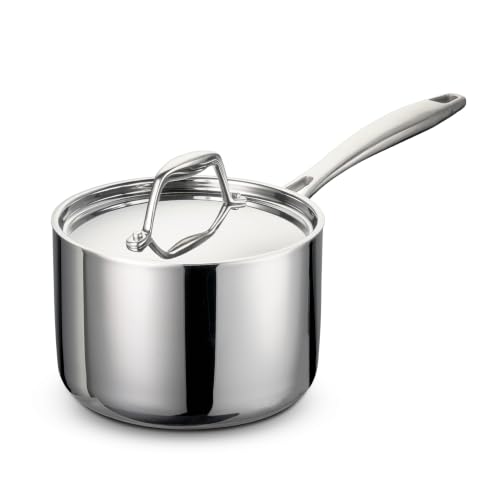


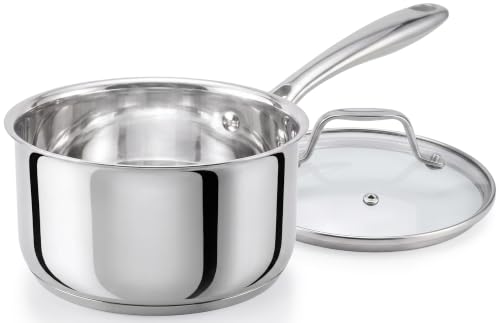


Quick Answer: The Three Builds Worth Considering
If you want the short version, most homes land on one of three builds. Fully clad stainless steel suits daily cooking and lasts for decades with basic care. Aluminum with a nonstick coating suits eggs, oatmeal, and gentle reheating, and it costs the least up front. Enameled cast iron or a copper core pan suits cooks who simmer often and plan to keep one pan for many years. Your cooktop and storage space decide which of the three fits you.
Before You Buy: A Quick Checklist for Choosing a Saucepan
Size: Match It to Your Space
A 2 quart pan holds 8 cups of liquid and usually measures about 7 inches across, so it fits a small or medium burner and slides into a standard cabinet without a fight. Smaller 1 quart and 1.5 quart pans melt butter and warm single servings, but they crowd quickly once you add pasta water or vegetables. Larger 3 quart and 4 quart pans handle family batches, yet they take more storage room and more time to heat for small jobs. Measure your cabinet depth before you buy, because a long handle adds inches to the footprint.
Which Type Fits Your Routine
Stainless steel tolerates high heat, metal utensils, and the dishwasher, and it browns and deglazes beautifully. If that sounds like your cooking, read our guide to the best stainless steel saucepan options for a deeper look at clad construction. Nonstick aluminum heats evenly and releases sticky foods with almost no effort, which matters on busy mornings. Our roundup of the best nonstick saucepan styles explains coating care in more detail. Ceramic coated and enameled pans sit between the two, while a saucier shape, with sloped sides, helps a whisk reach every bit of a sauce.
Features Worth It and Ones to Skip
A lid is worth having, since it speeds up boiling and keeps simmering sauces from splattering the cooktop. Tempered glass lets you watch the contents without lifting the lid and losing steam. A pour spout helps you drain pasta water and serve gravy without drips. Strainer lids and steamer inserts sound handy, but many households use them a few times and then store them forever. Skip those extras unless you steam vegetables several times a week, and put the money toward thicker metal.
Is Your Saucepan Non Toxic?
Stainless steel and enameled cast iron contain no applied coating, so many shoppers who worry about coatings start there. Nonstick pans use either a PTFE coating or a ceramic derived coating, and both are made for normal home cooking when you follow the maker directions and keep the heat moderate. A damaged coating that flakes is a sign to retire the pan. If a coating free surface appeals to you, our guide to the best ceramic saucepan covers ceramic coated and fully ceramic styles and how their surfaces age.
Induction, Gas and Glass Top Compatibility
Induction cooktops need a magnetic base, so check any pan with a fridge magnet if you are unsure, and look for a flat bottom that sits flush on the burner. Gas burners forgive slightly warped bases, but a pan that rocks wastes heat and can tip. Glass top ranges need a smooth, flat base to avoid scratches, so avoid rough unfinished cast iron on that surface. Our guide to the best induction saucepan explains base construction for induction owners.
Oven Safe Temperature and Handles
Most stainless steel pans with metal handles tolerate oven heat up to about 500 degrees, which lets you finish a sauce under the broiler or keep oatmeal warm. Handles wrapped in silicone or made of molded plastic carry much lower limits, often around 350 to 400 degrees, so check the rating before the pan goes in the oven. A short helper handle opposite the main handle makes a full, heavy pan far easier to lift with both hands.
Realistic Budget Ranges
- Budget tier, under $30: simple aluminum or thin stainless steel pans that work fine for reheating and boiling, with basic handles and lids.
- Mid tier, about $30 to $50: thicker bases, better fitting lids, and handles that feel sturdier in the hand.
- Upper tier, about $50 to $100: fully clad construction, even heating, and generous oven ratings.
- Premium tier, about $100 to $200: premium cladding, enameled cast iron, or copper core builds bought as long term cookware.
Families who cook daily usually feel the difference between the second and third tiers every week, while occasional cooks may never notice it.
Types Compared: Choosing the Right Build for Your Home
Best for Most Homes: Fully Clad Stainless Steel
Fully clad stainless steel bonds layers of aluminum or copper between stainless steel from base to rim, so the sides heat as evenly as the bottom and sauces scorch less at the edges. It suits homes that make gravies, custards, and tomato sauces often, because the surface deglazes cleanly and never reacts with acidic foods. The trade off is weight and price, plus a learning curve, since food sticks until the pan is properly preheated. For a household buying one saucepan to keep, this build gives the longest service for the money.
Best Value: Aluminum with a Nonstick Coating
A nonstick aluminum pan is light, cheap, and forgiving, which makes it a smart fit for apartments, dorm rooms, and anyone who cooks eggs, oatmeal, and instant noodles most days. Food slides out and cleanup takes seconds. The catch is lifespan. Most coatings wear out within a few years of daily use, so the low price repeats over time. Treat it as a consumable, use wooden or silicone tools, and it serves a small household very well.
Best Long Term Investment: Enameled Cast Iron and Copper Core
Enameled cast iron holds heat so steadily that a sauce can simmer at the lowest setting without constant stirring, and the enamel surface needs no seasoning. Copper core stainless steel reacts to heat changes almost at once, which helps when a custard needs the heat dropped before it curdles. Both builds cost the most and weigh the most, so they suit cooks with sturdy storage. If you cook sauces weekly and want one pan to hand down rather than replace, this is the tier to save for.
Our Selection Process for These Saucepan Types
We compared builds using five criteria: heat distribution, durability of the surface and handle joints, material safety, compatibility with common cooktops and ovens, and cleaning effort. We relied on maker specifications and patterns in verified buyer feedback about warping, handle looseness, and coating wear. Types that scored well made the short list above.
Is a 2 Quart Saucepan the Right Size for You?
For one or two people, 2 quarts covers most daily jobs: oatmeal for two, soup with room to stir, rice as a side dish, boiled eggs, and reheated leftovers. It boils about 6 cups of water comfortably once you leave headroom so the water does not boil over. Homes that cook for four or more people nightly often find it becomes the second pan, with a 3 or 4 quart pan doing the heavy lifting. Our guide on what size saucepan do i need walks through household sizes if you are torn between two sizes.
Compared with a stockpot, a 2 quart saucepan heats faster and pours with one hand. Compared with a saucier of the same volume, it has straight sides and a tight fitting lid, which suits boiling and steaming better, while the saucier wins for whisked sauces. The straight sided saucepan is the one to buy first.
Common Buying Mistakes to Avoid
- Buying by looks alone and ending up with a base too small for your burner, so the pan heats slowly and unevenly.
- Ignoring the cost of replacing a nonstick pan every few years, which can pass the price of one clad pan over a decade.
- Paying for inserts and extra lids you will store but rarely use, instead of spending on thicker metal.
- Forgetting to check induction compatibility before the pan arrives, leaving you with a pan your cooktop cannot heat.
- Choosing a pan with a low oven rating and then cracking a handle the first time you finish a dish under the broiler.
Cost of Ownership and Care
Ongoing cost is mostly about replacement and a few small supplies. A clad stainless steel pan needs little beyond detergent and an occasional powdered cleanser for rainbow stains, while a nonstick pan should be budgeted as a repeat purchase every few years. Wash coated pans once they cool, because plunging a hot pan into cold water can warp the base. Our step by step guide on how to clean a saucepan covers burnt on milk and scorched sugar without harsh scrubbing. Store pans nested with a cloth between them to protect coatings and enamel.
FAQ
How long does a 2 quart saucepan usually last?
A fully clad stainless steel or enameled cast iron saucepan can last decades, and many makers back them with long warranties. A nonstick pan usually gives about 3 to 5 years of daily service before food starts to cling. One sign that any pan is near the end is a base warped enough to spin on a flat cooktop, because that rocking wastes heat and makes the pan unsafe with hot liquid.
Is a 2 quart saucepan worth buying if I own a stockpot?
Yes, for most homes, because a stockpot is slow and clumsy for the small jobs you do most often. Heating 2 cups of soup in a stockpot spreads the liquid thin, so it can scorch before it warms through, and washing the big pot for a tiny job gets old fast. A small saucepan also frees the stockpot during holiday cooking, when every burner is busy and you still need gravy or melted butter ready.
What is the best 2 quart saucepan for boiling eggs?
Look for a pan with a base wide enough to hold eggs in a single layer, about 7 inches across, and a lid that fits snugly so the water returns to a boil quickly. Stainless steel handles the job well and never reacts with the water. Check handle balance too, because you will carry the full pan to the sink to drain it, and a handle that twists in your grip makes that trip risky.
Can a 2 quart saucepan go in the dishwasher every day?
Most stainless steel pans tolerate daily dishwasher cycles, though detergent can dull the finish over time. Nonstick and enameled pans do better washed by hand, since dishwasher detergent and knocking against racks wear coatings and chip enamel edges. If dishwasher use is a must, pick a pan with no coating, a handle with no plastic parts, and a maker rating that allows machine washing.
Does a heavier saucepan always cook better?
Not always. Extra weight usually means a thicker base, which spreads heat and resists warping, and that helps with sauces and grains. But a very heavy pan is harder to pour from with one hand, and anyone with weak wrists may struggle to drain pasta water safely. Balance matters more than raw weight. A medium weight clad pan that you can lift full and hold steady will serve you better than the heaviest pan in the store.
Final Thoughts
The right choice comes down to your space, your cooktop, and how you cook on an ordinary Tuesday. Stainless steel clad pans suit most homes, nonstick aluminum suits tight budgets, and enameled cast iron or copper core pans reward cooks who simmer often. Check the product table above against your burner size and cabinet depth, and the best 2 quart saucepan for your household will be the one that fits your kitchen and your routine.


