Best 2 Quart Air Fryers in 2026: Compact Buying Guide
Disclosure: We may earn a commission when you buy through links on this page, at no extra cost to you. As an Amazon Associate I earn from qualifying purchases. Learn more

Compare the best 2 quart air fryer styles by basket, wattage and footprint to find a compact model for one or two people.
A small apartment kitchen, a dorm room, or a counter already crowded with a kettle and a toaster leaves little room for another appliance. That is exactly where the best 2 quart air fryer earns its place, cooking a single portion or a snack for two without heating a full oven. The styles compared below line up side by side so you can match one to your space.
This guide focuses on fit for real homes rather than raw cooking power alone. You will find how size, basket style, wattage, and controls affect daily use, and which details you can safely skip. If you are also weighing larger models, our guide to the best air fryer covers the full size range.




Quick Answer: What Matters Most in a 2 Quart Model
A good 2 quart model heats fast, holds one to two portions, and cleans up in minutes. Look for a basket with a smooth coating, clear controls you can read at a glance, and a footprint that leaves room to pull the basket out safely. Skip extra programs you will never use, and put your money toward solid build quality and a stable base.
Before You Buy: A Quick Checklist for Choosing an Air Fryer
The checklist below walks through the decisions in the order most shoppers face them.
Size: Match It to Your Space
Two quarts suits one person cooking a full meal or two people sharing a side or snack. A chicken breast, two salmon fillets, or about two cups of fries fit in a single layer, and a single layer is what crisps well. If you often cook for three or more at once, a 4 or 5 quart model avoids back to back batches. If meals are mostly for one, stepping up only adds bulk and storage trouble. Readers short on room may also want to compare the options in our guide to the best small air fryer before deciding.
Which Type Fits Your Routine
Basket models dominate this size, and for good reason. The basket pulls out for shaking, the footprint stays compact, and there are fewer parts to wash. Oven style units at this capacity are rare and tend to trade basket space for trays that hold less food per batch. Glass basket models let you watch food brown without opening the unit, which helps with delicate items. Think about your routine first. Frequent reheating and frozen snacks favor a simple basket, while watchful cooks who hate guesswork may prefer glass.
Features Worth It and Ones to Skip
A shake reminder is genuinely useful, since turning food midway is the difference between even browning and a pale underside. A viewing window helps for the same reason, though it matters less once you learn your usual timings. Preset programs are convenient but easy to replace with manual settings. Rotisserie and dehydrator functions rarely earn their keep at 2 quarts because the cavity is too small for a whole bird or large drying batches. Pay for a clear display and responsive controls, and let the long preset lists go.
Wattage, Power and Energy Use
Most 2 quart models draw about 1000 to 1200 watts, well below a full size oven, and they preheat in about two to three minutes. That speed is where the energy saving comes from, since short cooks beat long oven runs for small portions. Avoid running the fryer on the same outlet as a microwave at the same moment. A unit that reaches 400 degrees gives you the range you need for crisp skins.
Safety Features and Certifications
Look for a UL or ETL mark, which shows the appliance was independently certified for electrical safety. Auto shutoff when the basket opens is standard at this size and worth confirming, as is a cool touch handle and a stable, nonslip base. Keep the unit on a heat safe surface with clear space behind the vent, because hot air exits at the back during every cook. If a cord feels loose in the socket or the basket switch acts up, stop using the unit and contact the maker.
Counter Space and Dimensions
Most models in this class stand about 11 to 13 inches tall and take up roughly a square foot of counter. Measure height under your cabinets with the basket pulled out, because you need room to lift food clear. Leave at least five inches behind the unit for venting. Lighter models around six to eight pounds move easily, while heavier glass designs suit a permanent counter spot better.
Realistic Budget Ranges
Under $50 usually buys a dial control model with basic presets and a thinner basket coating, fine for occasional use. About $50 to $100 is the main range for this size, bringing digital controls, better coatings, and quieter fans. Above about $100 you are paying for glass baskets, refined controls, or premium finishes rather than more cooking capacity. Since the basket and rack wear first, a mid range model with available replacement parts often costs less over its life than the cheapest option replaced early.
Types Compared: Three Styles That Suit Real Homes
Instead of chasing a single winner, compare the three styles below against your routine. Each handles the same foods, but they differ in control, care, and how they feel to use every day.
Basic Basket Models for Most Homes
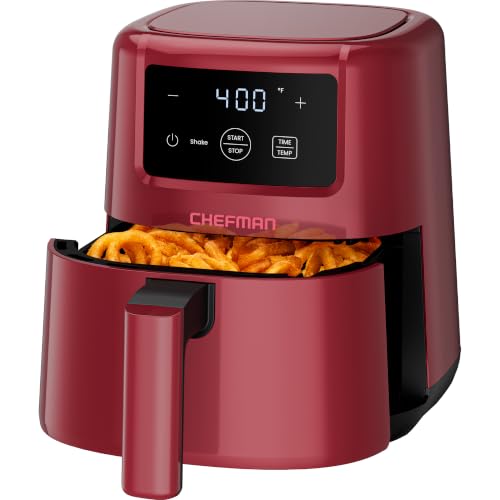
The standard digital basket model is the default choice for most kitchens. You get a touch panel, a handful of presets, and a removable rack that lifts food off the basket floor so air circulates underneath. This style suits mixed daily use, from reheating pizza to roasting vegetables, and parts are widely available. The main limit is visibility, since you must pull the basket out to check browning.
Simple Dial Models for Tight Budgets
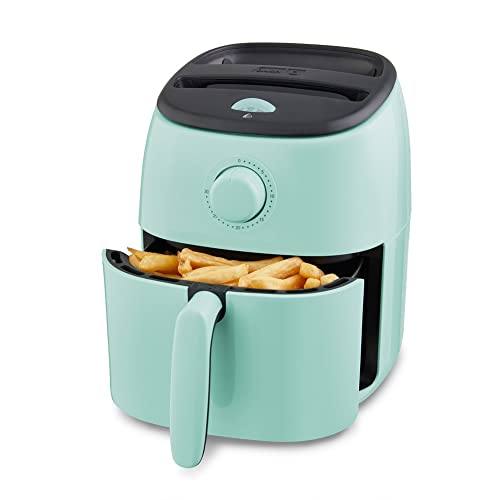
Dial models trade the display for two knobs, one for temperature and one for time. There is less to learn and less to break, which many people prefer for quick snacks and reheats. You give up precise adjustments and a shake reminder, so set a phone timer if even browning matters to you. These units often cost under $50 and fit renters, dorm rooms, and first kitchens well.
Glass Basket Models Built for Visibility
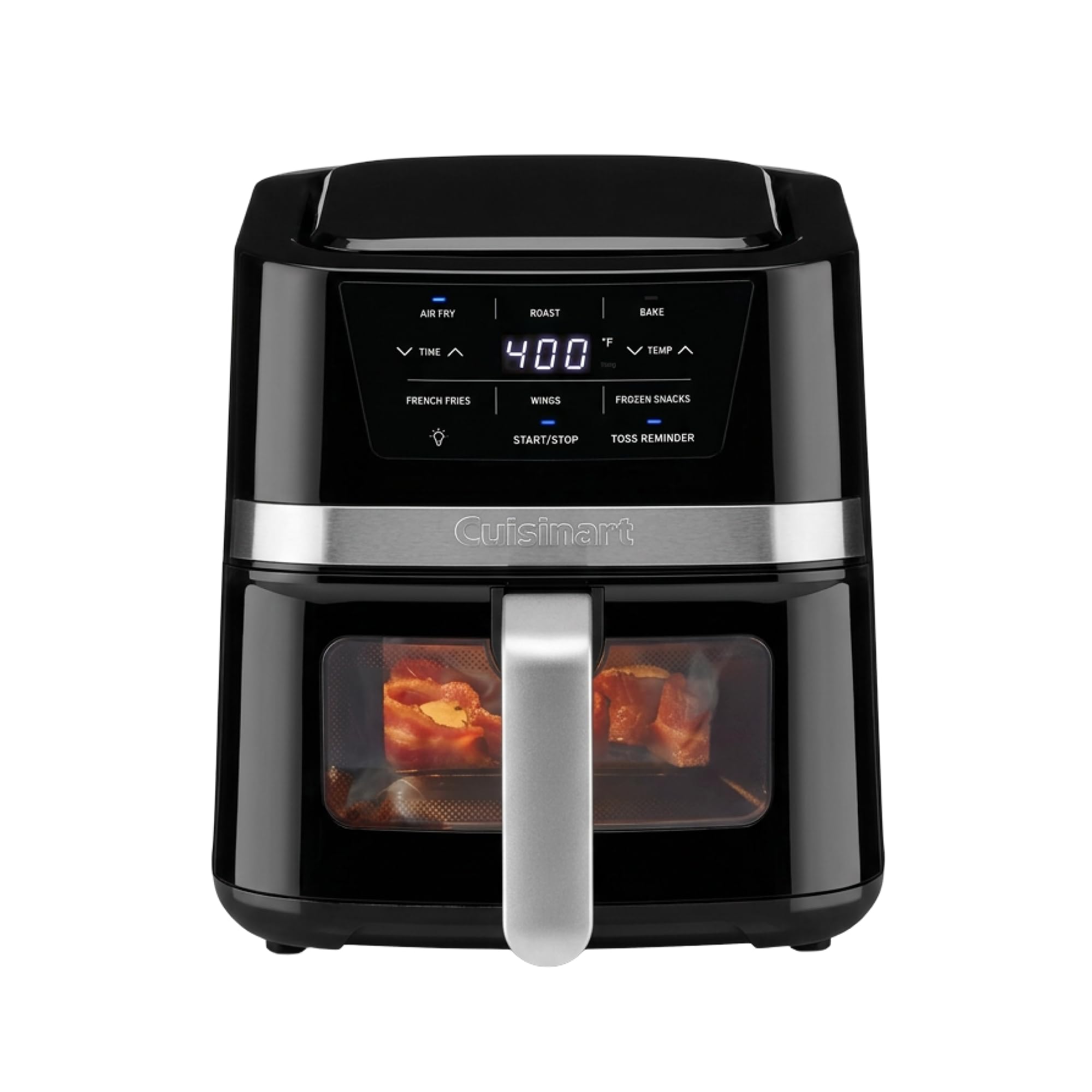
A glass basket lets you watch fries color and cheese melt without losing heat by opening the drawer. Many designs also avoid coated surfaces, which appeals to shoppers comparing a best glass air fryer against standard models. Glass is heavier and shows splatter quickly, so expect to wipe it after most cooks. Pick it if you cook foods that go from golden to burnt fast and you want to catch that moment without guesswork.
Our Selection Process for the Best 2 Quart Air Fryers
Judging a best 2 quart air fryer candidate comes down to six things: true usable capacity, even cooking, ease of use, cleaning effort, noise, and safety plus warranty cover. Manufacturer specs supply the dimensions and wattage, while verified buyer feedback shows patterns in coating wear, fan noise, and control failures over time. We weigh daily fit for small homes most heavily, because a model that is awkward to store or wash will sit unused no matter how well it crisps.
Is a 2 Quart Air Fryer the Right Size for You?
Answer honestly how you cook on a weeknight. If dinner is usually one protein and one side for one or two people, 2 quarts handles it, though you may cook the two items in sequence. Solo cooks, couples without kids, and anyone reheating leftovers for lunch are the natural fit. A family of four will find this size frustrating as a main cooker, but it works well as a second unit for snacks and sides while the oven handles the main dish.
Also consider what you cook most. Wings, fries, nuggets, roasted vegetables, and single fillets all suit the basket shape. Whole chickens, large casseroles, and sheet pan style meals do not. If you are torn between this size and a countertop oven, the comparison of air fryer vs toaster oven explains where each appliance wins.
Common Buying Mistakes to Avoid
- Judging by stated capacity alone, since basket shape matters as much as quarts and a wide shallow basket crisps more than a narrow deep one.
- Forgetting to measure cabinet height, which leaves the fryer exiled to a hallway shelf where you will rarely use it.
- Paying for rotisserie or dehydrator extras that the small cavity cannot use well, instead of spending on basket quality.
- Ignoring replacement part costs, because a worn rack or basket can cost a large share of a budget unit price.
- Placing the vent against a wall or under a cabinet, which traps heat and can damage finishes over time.
Cost of Ownership and Care
Running costs stay low. A 20 minute cook at about 1100 watts uses roughly a third of a kilowatt hour, which costs only a few cents at typical rates. Liners and parchment rounds are optional extras that add a small ongoing cost but cut washing time. Wash the basket and rack in warm soapy water after fatty cooks, and let the coating cool before scrubbing to protect its surface. Our step by step guide on how to clean an air fryer covers stuck on grease and smells. Store the basket dry and slightly open so moisture never sits inside.
Your Questions, Answered
Can a 2 quart air fryer cook a meal for two people?
Yes, with the right menu. Two salmon fillets, two chicken thighs, or a shared portion of fries cook in one batch, while a full dinner with separate sides usually needs two quick rounds. Plan the protein first and the faster side second, and dinner stays on track. For couples who cook together nightly, this rhythm feels easy within a week. If you regularly plate two full meals at the same moment, size up instead.
Do you need to add oil in a 2 quart air fryer?
Most foods need little or none. Frozen items and fatty meats crisp in their own fat, while lean vegetables benefit from about a teaspoon of oil tossed on before cooking for even color. Spray oils with additives can build a sticky film on basket coatings over time, so a refillable mister or a brush is the kinder choice. Add oil to the food in a bowl, not inside the basket, to keep the surface clean.
How long do frozen snacks take in a 2 quart air fryer?
Small frozen items cook fast at this size because the hot air has less space to fill. Nuggets and fries usually finish in about 8 to 12 minutes at 400 degrees, and smaller loads finish sooner than full ones. Shake once midway and start checking two minutes early, since compact units brown the top layer quickly. Our beginner walkthrough on how to use an air fryer covers timing basics for other foods as well.
Where should you store a 2 quart air fryer in a small kitchen?
A cabinet shelf at waist height works best, since the unit is light enough to lift but awkward to haul from a high shelf daily. Keep the cord wrapped loosely and the basket inside the unit so parts stay together. If it lives on the counter, a corner spot with rear clearance doubles as its cooking position, saving you the move each time.
When should you replace the basket in a 2 quart air fryer?
Replace the basket or rack when food starts sticking despite gentle washing, when the surface shows deep scratches or peeling, or when the rack warps and food sits unevenly. On a well cared for unit this is usually a question of years, not months. Buying from a maker that sells spare baskets stretches the life of the whole appliance, because the heating element and fan typically outlast the parts food touches daily.
Final Thoughts
Match the style to your routine and the size to your household, and a compact fryer quickly becomes the appliance you reach for daily. The product table above pulls the main options together so you can compare footprint, controls, and basket style at a glance. For most small homes, the best 2 quart air fryer is the simple basket model with a clear display, a sturdy rack, and spare parts you can actually buy.